

Article
Morocco and Algeria, each in its own way, are having to navigate the global economic fallout of the U.S.-Israeli military campaign against Iran.
Yasmine Zarhloule
{
  "authors": [
    "Deborah Gordon",
    "Andreas Löschel",
    "Jim Skea",
    "Wang Tao"
  ],
  "type": "other",
  "centerAffiliationAll": "dc",
  "centers": [
    "Carnegie Endowment for International Peace"
  ],
  "collections": [],
  "englishNewsletterAll": "ctw",
  "nonEnglishNewsletterAll": "",
  "primaryCenter": "Carnegie Endowment for International Peace",
  "programAffiliation": "SCP",
  "programs": [
    "Sustainability, Climate, and Geopolitics"
  ],
  "projects": [],
  "regions": [
    "North America",
    "United States",
    "East Asia",
    "China",
    "Western Europe",
    "United Kingdom",
    "France"
  ],
  "topics": [
    "Climate Change"
  ]
}
Source: Getty
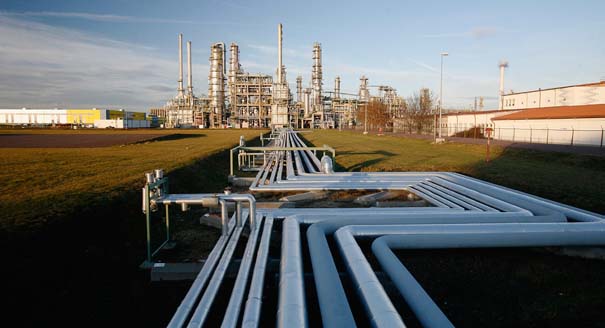
A new energy transition faces the United States as it shifts from oil scarcity to potential abundance.
Source: Université Total - Energy Days
Carnegie’s Deborah Gordon joined Andreas Löschel, Jim Skea, and Wang Tao of the Carnegie-Tsinghua Center for Global Policy on a panel at Université Total - Energy Days to discuss the future of energy. Gordon discussed the new energy transition facing the United States as it shifts from oil scarcity to potential abundance. She identified the number of unknowns still affecting this transition and the future of these new resources, including fossil fuel price variability, changes in energy efficiency, and possible climate policy. Andreas Löschel, Jim Skea, and Wang Tao offered insights on the energy transitions that Germany, the U.K., and China are facing.
Former Director and Senior Fellow, Energy and Climate Program
Gordon was director of Carnegie’s Energy and Climate Program, where her research focuses on oil and climate change issues in North America and globally.
Andreas Löschel
Jim Skea
Former Nonresident Scholar, Carnegie-Tsinghua Center for Global Policy
Wang Tao was a nonresident scholar in the Energy and Climate Program based at the Carnegie–Tsinghua Center for Global Policy.
Carnegie does not take institutional positions on public policy issues; the views represented herein are those of the author(s) and do not necessarily reflect the views of Carnegie, its staff, or its trustees.

Morocco and Algeria, each in its own way, are having to navigate the global economic fallout of the U.S.-Israeli military campaign against Iran.

Yasmine Zarhloule
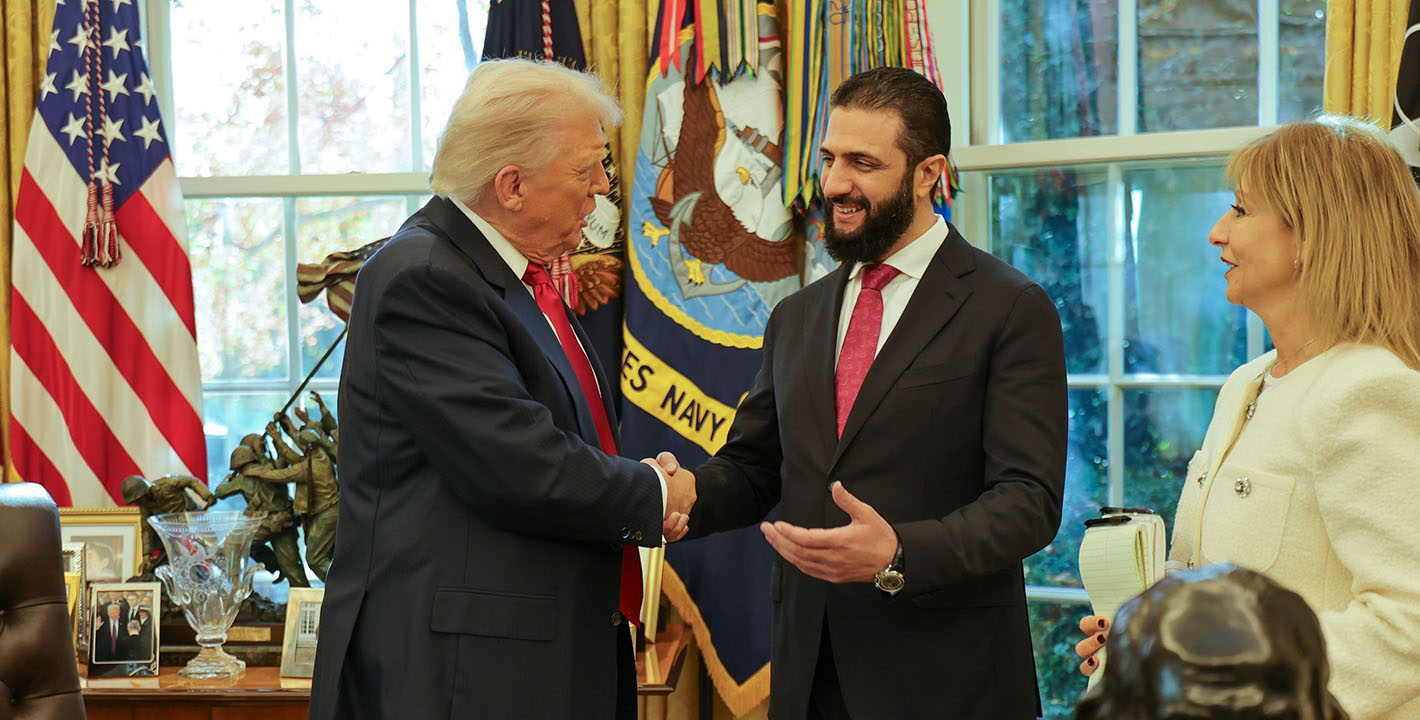
Any move by the United States to make good on Trump’s suggestion that Washington persuade Damascus to confront Hezbollah militarily would have catastrophic consequences.

Kheder Khaddour
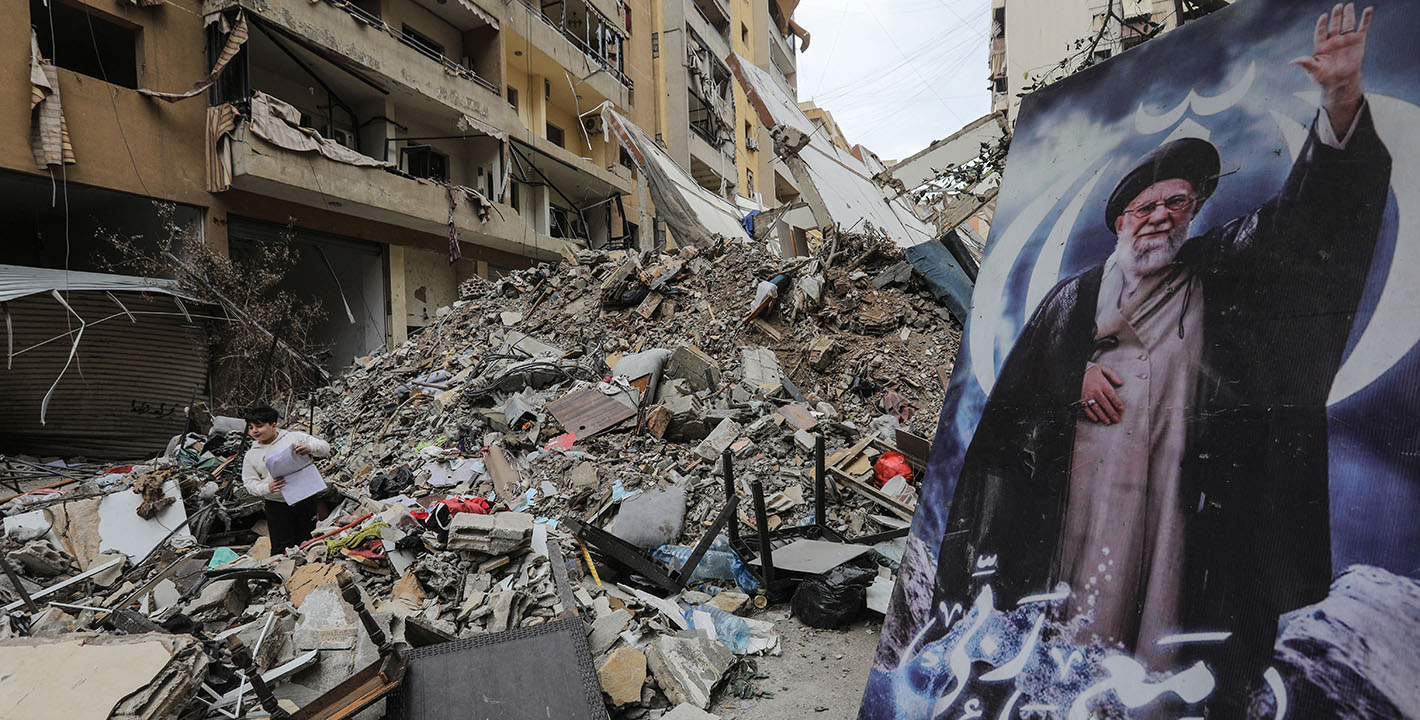
As talks begin between Washington and Tehran, Beirut has an opening to advance a regional plan for the party’s disarmament.

Michael Young
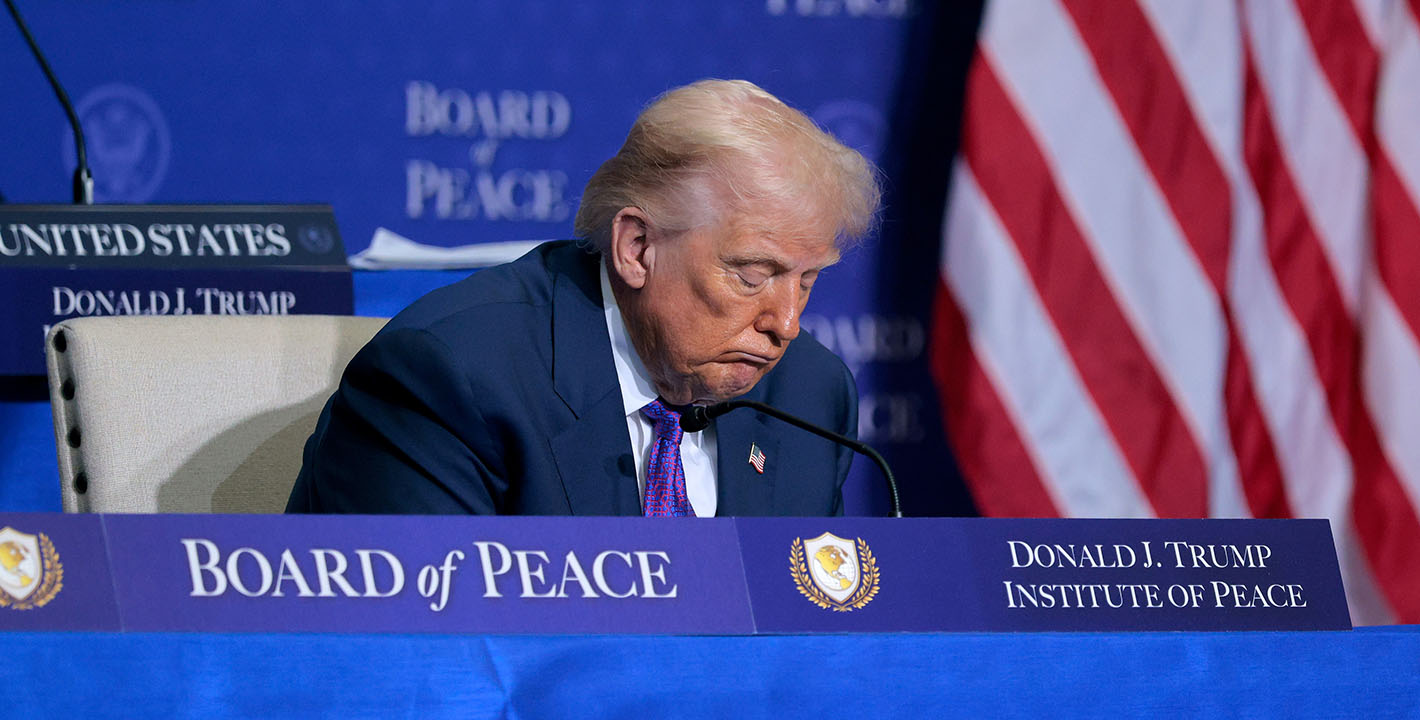
What is behind Marco Rubio’s announcement that the body is now an international nongovernmental organization?
Zaha Hassan
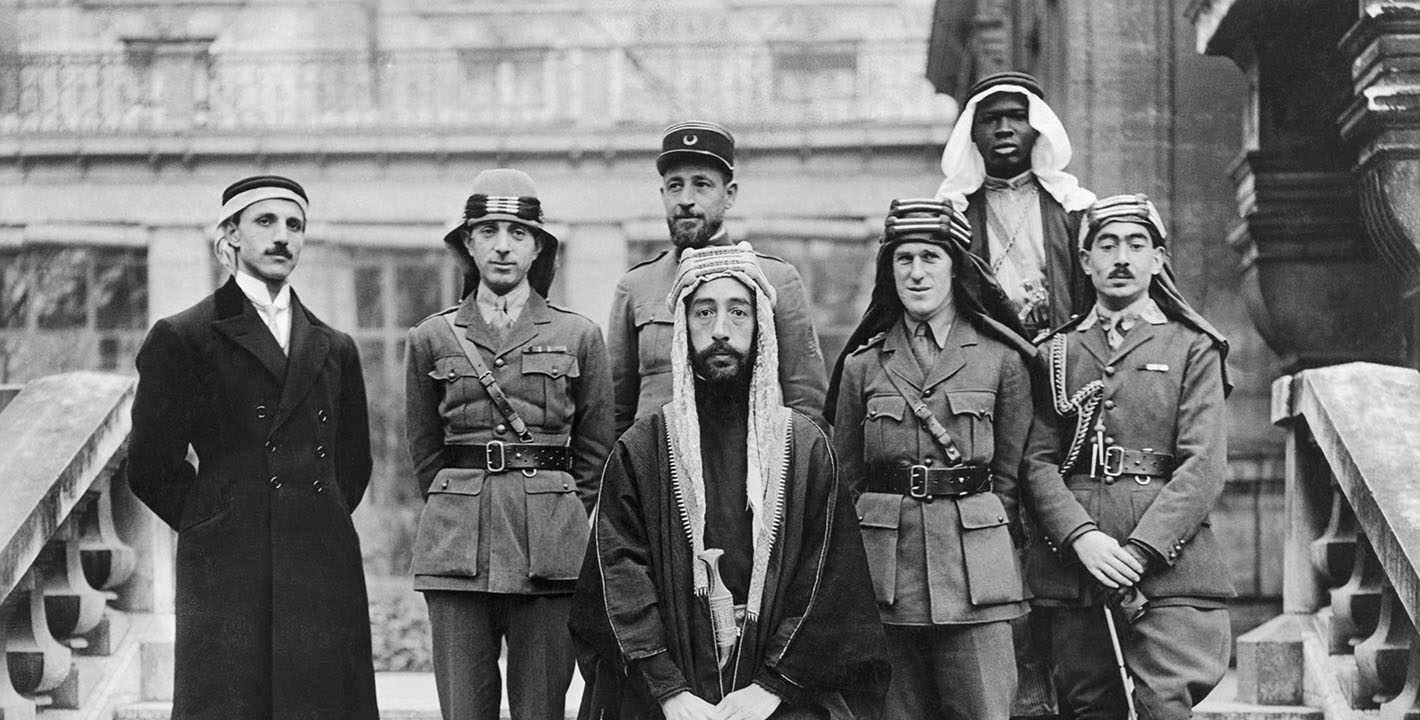
In an interview, Elizabeth Thompson recalls how the country formulated a liberal constitution in 1920, before being denied by France and Britain.
Michael Young