

Article
Wang Tao
{
  "authors": [
    "Wang Tao"
  ],
  "type": "legacyinthemedia",
  "centerAffiliationAll": "",
  "centers": [
    "Carnegie Endowment for International Peace",
    "Carnegie China"
  ],
  "collections": [],
  "englishNewsletterAll": "",
  "nonEnglishNewsletterAll": "",
  "primaryCenter": "Carnegie China",
  "programAffiliation": "",
  "programs": [],
  "projects": [],
  "regions": [
    "East Asia",
    "China"
  ],
  "topics": [
    "Climate Change"
  ]
}
Source: Getty
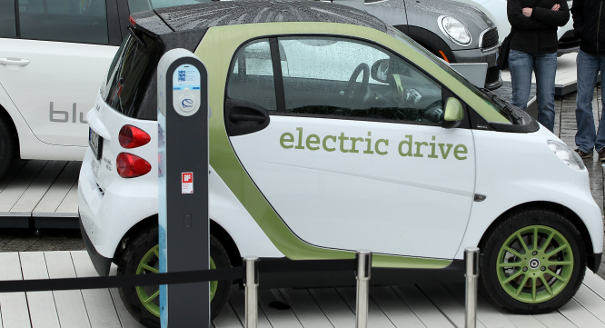
To solve the problem of air pollution in the long term, China must invest in electric vehicles and renewable energy sources.
Source: CCTV News
Speaking to CCTV English, Carnegie-Tsinghua’s Wang Tao discussed the importance of electric vehicles and renewable energy sources in curbing the problem of air pollution as well as the longer term problem of climate change. Wang emphasized that any policy seeking to boost use of electric vehicles must take note of travel demands. While electric vehicles can play a major role in curbing emissions, increasing the number of electric vehicles on the roads too quickly would lead to traffic congestion and higher emissions levels overall, he warned. Wang added that authorities must create more incentives to offset the high cost of purchasing an electric vehicle and build the infrastructure necessary to their use. He concluded by saying that more efforts to develop renewable energy sources were required in order to combat both air pollution and the long-term problem of climate change.
Former Nonresident Scholar, Carnegie-Tsinghua Center for Global Policy
Wang Tao was a nonresident scholar in the Energy and Climate Program based at the Carnegie–Tsinghua Center for Global Policy.
Recent Work
Wang Tao
Wang Tao, Yang Yifang
Carnegie does not take institutional positions on public policy issues; the views represented herein are those of the author(s) and do not necessarily reflect the views of Carnegie, its staff, or its trustees.
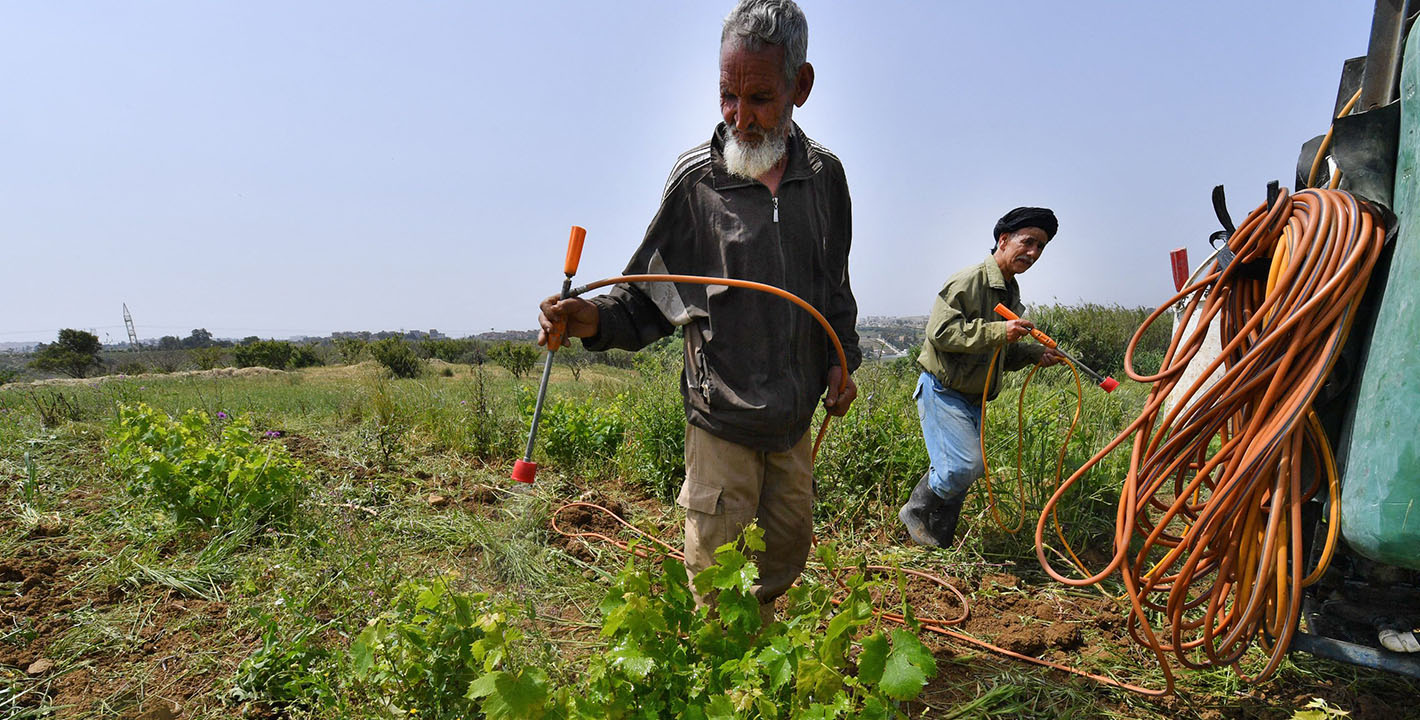
Understanding how farmers in the Oued Sahel-Soummam Valley grapple with climate change is essential for addressing the paradoxes through which adaptation, operating at both individual and institutional levels, deepens the region’s vulnerability and erodes the social fabric and agrarian identity that once defined life.

Ilyssa Yahmi
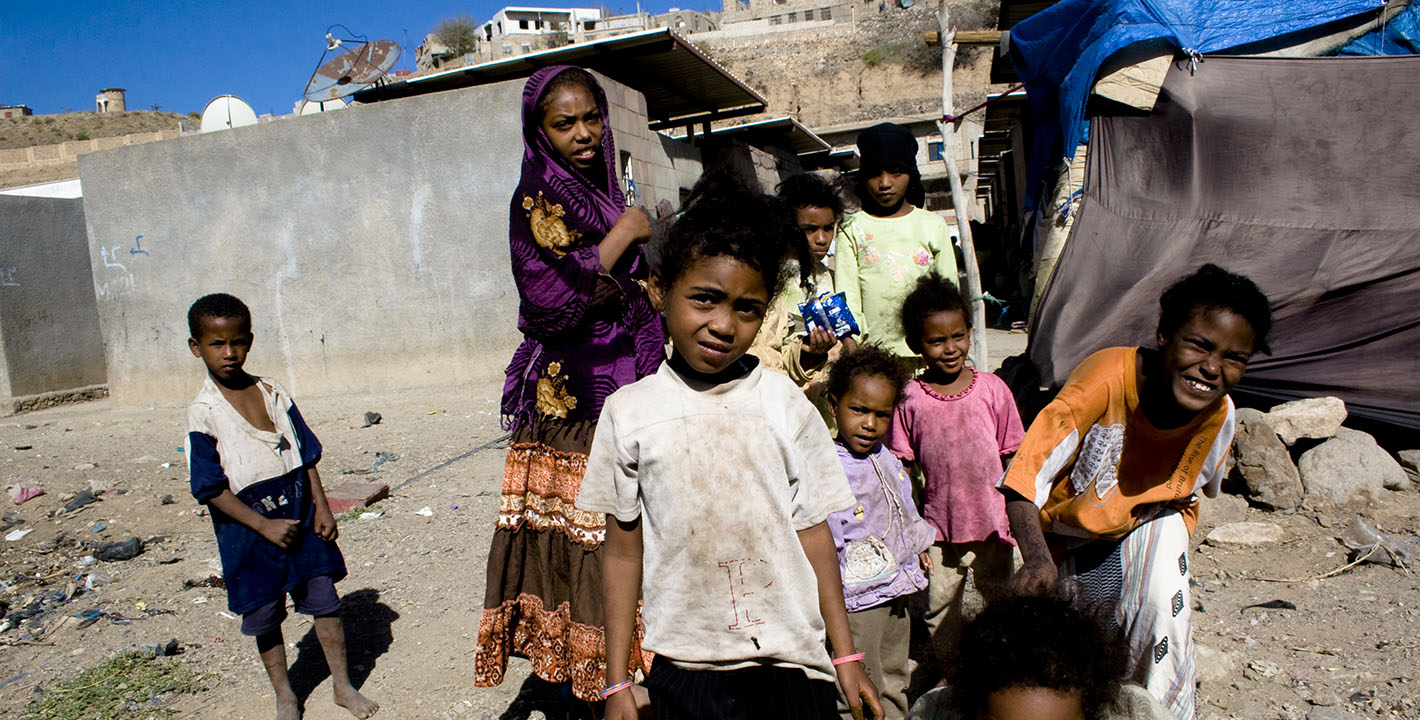
The community already suffers social discrimination, so addressing inequalities requires sustained interventions.
Musaed Aklan , Mohammad Al-Saidi
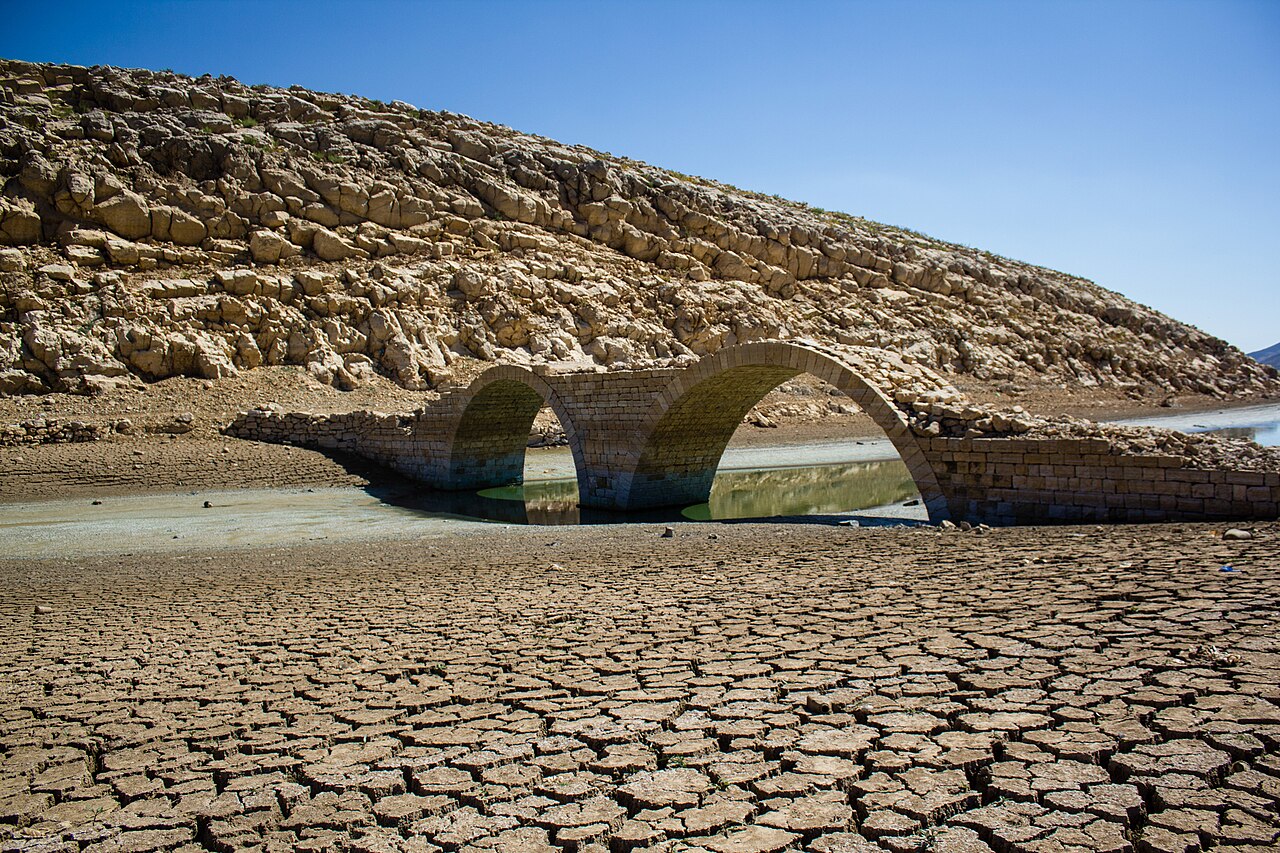
Lebanon’s largest water reservoir is a house of many mansions when it comes to converging failures.
Camille Ammoun
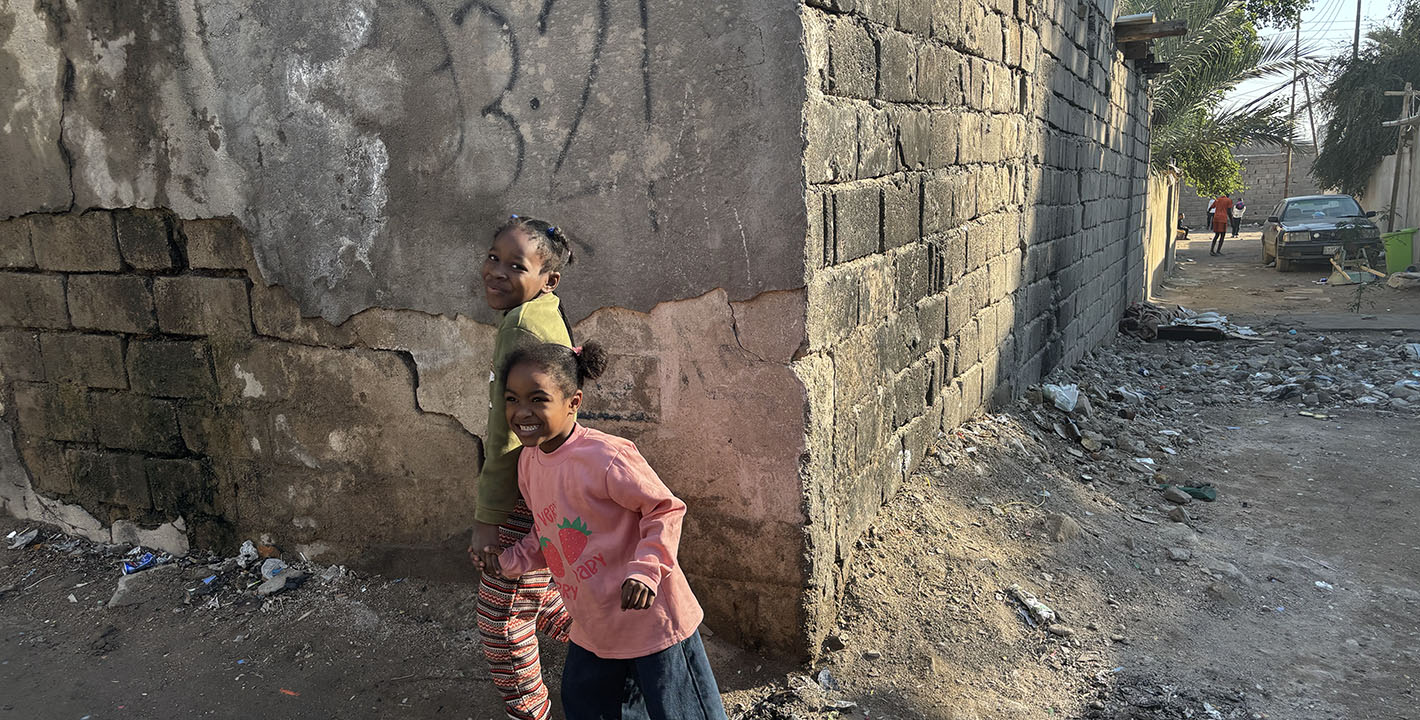
Afro-Iraqis experience political, economic, and social marginalization and discrimination, which exposes the poorest members of the community to the harsh realities of the region’s climate disaster.

Zeinab Shuker
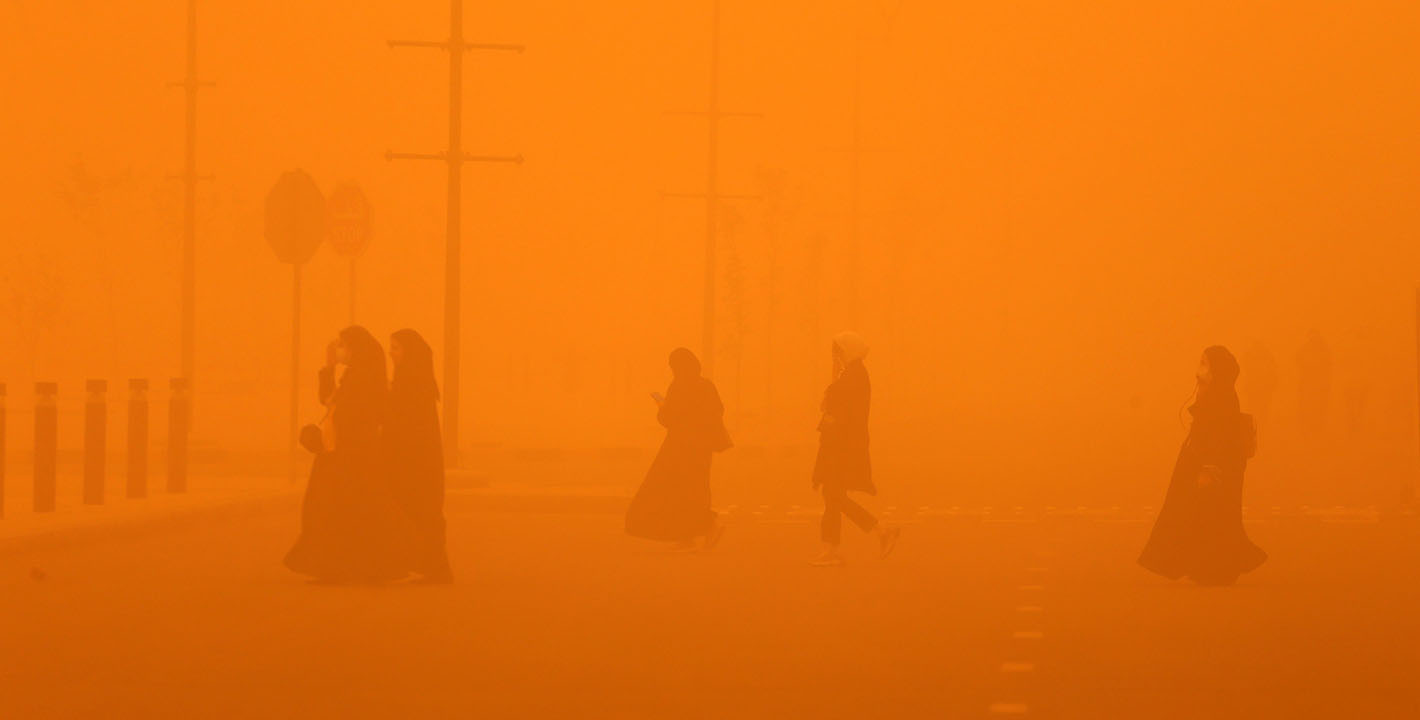
Mitigating the repercussions of climate change in Kuwait is crucial for lessening economic disparities and achieving social justice.

Courtney Freer