

In The Media
Mario Abou Zeid
{
  "authors": [
    "Mario Abou Zeid"
  ],
  "type": "legacyinthemedia",
  "centerAffiliationAll": "dc",
  "centers": [
    "Carnegie Endowment for International Peace",
    "Malcolm H. Kerr Carnegie Middle East Center"
  ],
  "collections": [],
  "englishNewsletterAll": "menaTransitions",
  "nonEnglishNewsletterAll": "",
  "primaryCenter": "Carnegie Endowment for International Peace",
  "programAffiliation": "MEP",
  "programs": [
    "Middle East"
  ],
  "projects": [],
  "regions": [
    "Levant",
    "Lebanon",
    "Middle East"
  ],
  "topics": [
    "Political Reform",
    "Security"
  ]
}
Source: Getty
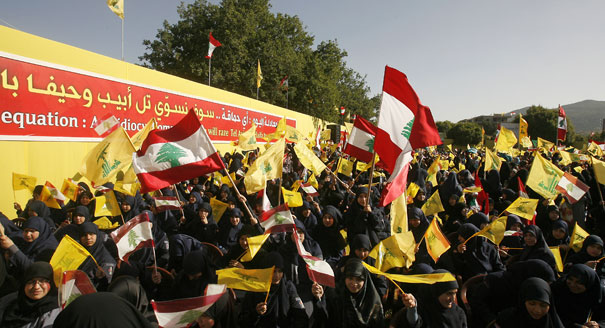
The Lebanese parliament has failed to find a successor to outgoing Lebanese President Michel Suleiman. This can only result in further political and social polarization.
Source: Al Jazeera
After five electoral sessions to elect a new president, the Lebanese parliament has failed to find a successor to outgoing Lebanese President Michel Suleiman. The constitutional presidential elections period came to an end on May 25. As a result, Lebanon has entered a presidential vacuum that could endanger its internal security, paralyze its political institutions and weaken its Christian community. Thus, despite the Lebanese army and Internal Security Forces' successful security plan which saw significant reductions in terrorist attacks in Beirut and sectarian clashes in Tripoli, Lebanon's security situation remains precarious.
A single incident in the Bab al-Tebbeneh area in Tripoli in late May resulted in heavy casualties for the army, and highlighted how vulnerable Tripoli was. Regular clashes are still being reported between the army, Hezbollah, and Syrian fighters fleeing to Lebanon and across the Lebanese-Syrian border. In addition, the latest clashes between Palestinian groups inside the Ein al-Helweh camp, if uncontrolled, threaten to spill over and worsen the security situation. Headed by the president, the National Defence Council, which is in charge of establishing plans to address these security concerns, will be rudderless in the absence of a president.
With this power vacuum, the president, who is the head of the state, Commander-in-Chief of the armed forces, and the representative of the Christian-Maronite community, and who is situated within a complex balance of power in the Lebanese confessional system - is now out of the political game. According to the constitution, the powers of the president have shifted to the cabinet which is headed by a Sunni Muslim; yet no decision can be taken without the approval of all the members of the cabinet.Hezbollah currently has the power to paralyze the cabinet because its members and allies hold more than one-third of cabinet seats.
In addition, the renewed one-year mandate of the current parliament, headed by a Shia Muslim, will come to an end by November 2014. Several Christian MPs have clearly stated they will boycott any parliamentary session that does not aim to elect a president prior to any legislative activity, amid calls to legislate in the absence of a president. Therefore, the present government of national interest will be the last active political institution in the current power vacuum.
As a result, Hezbollah will once again hold ultimate control over political life in Lebanon, imposing its agenda as an essential player within the negotiations to elect a new president. Consequently, no president will be elected against the party's will and without its prior agreement.This is similar to the process of the latest national interest government's formation which would not been established without the party's prior approval.
Moreover, as Hezbollah holds more than a third of cabinet seats, it can easily overthrow the government, creating an additional constitutional debate over whether the powers of the executive would then be shifted to the legislative i.e. the parliament, headed by a Shia Muslim.
Such moves would leave Lebanon's Christian community without a representative in the country's political leadership, which is built on a Maronite-Shia-Sunni troika.
With Christians across the Levant facing considerable marginalisation - following displacement from Iraq, being co-opted in Egypt, and vulnerable in Syria - the absence of a president in Lebanon means the absence of the only remaining significant political presence for Christians in the Levant. Lebanon's Christians also do not have the strong regional backing that the country's Sunnis and Shia have (Saudi Arabia and Iran being their respective regional patrons). Therefore, the intervention of regional and international powers in the presidential election will not necessarily reflect the best interests of the Christian community in Lebanon.
As such, the current power vacuum in Lebanon can only result in further political and social polarization.
Former Research Analyst, Middle East Center
Abou Zeid was a research analyst at the Carnegie Middle East Center, where his work focuses on political developments in Lebanon, Syria, Iraq, and Iran.
Recent Work
Mario Abou Zeid
Mario Abou Zeid
Carnegie does not take institutional positions on public policy issues; the views represented herein are those of the author(s) and do not necessarily reflect the views of Carnegie, its staff, or its trustees.
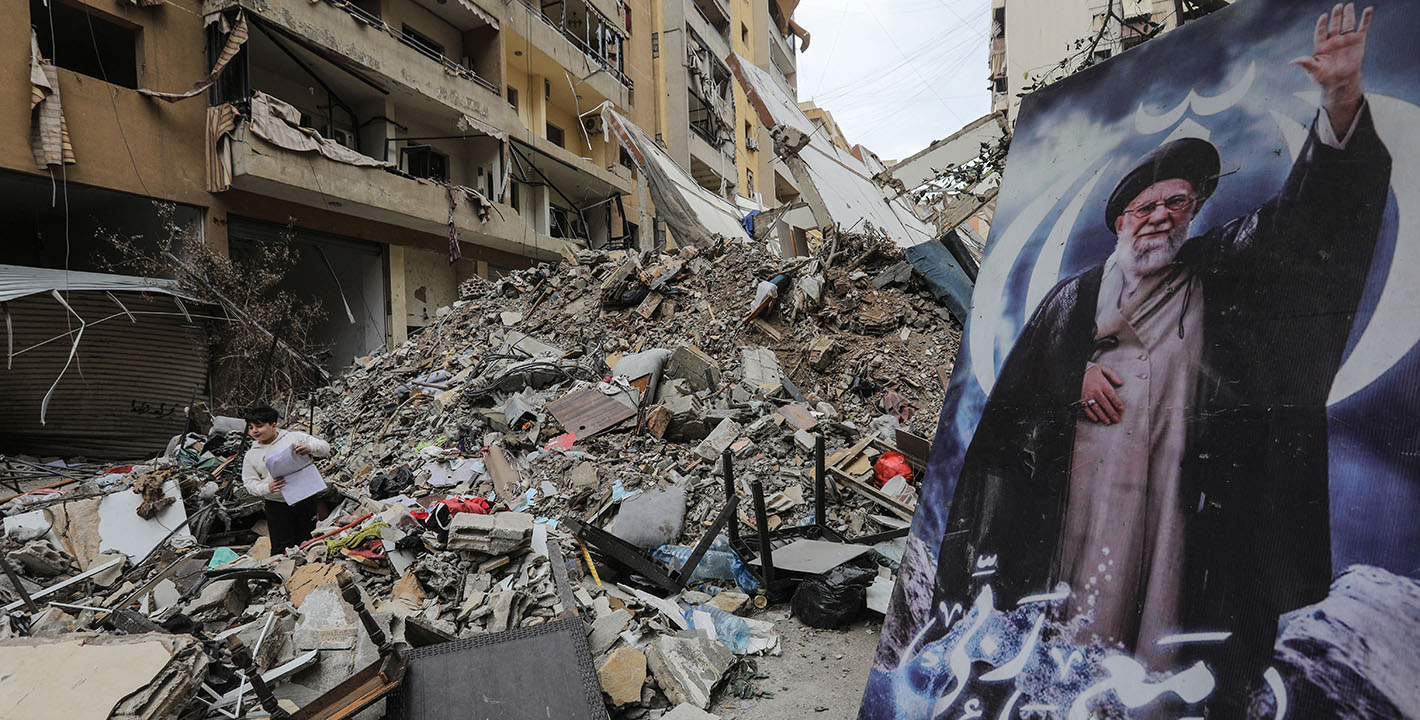
As talks begin between Washington and Tehran, Beirut has an opening to advance a regional plan for the party’s disarmament.

Michael Young
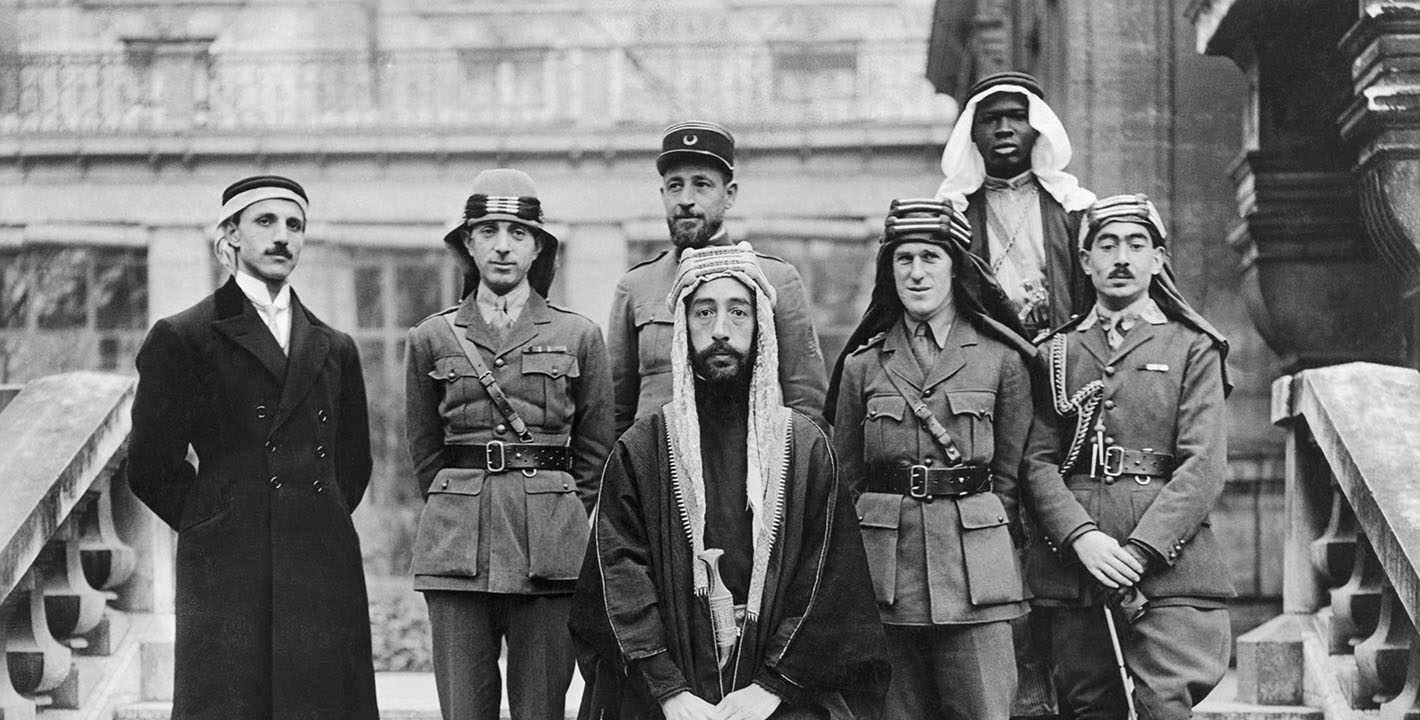
In an interview, Elizabeth Thompson recalls how the country formulated a liberal constitution in 1920, before being denied by France and Britain.
Michael Young
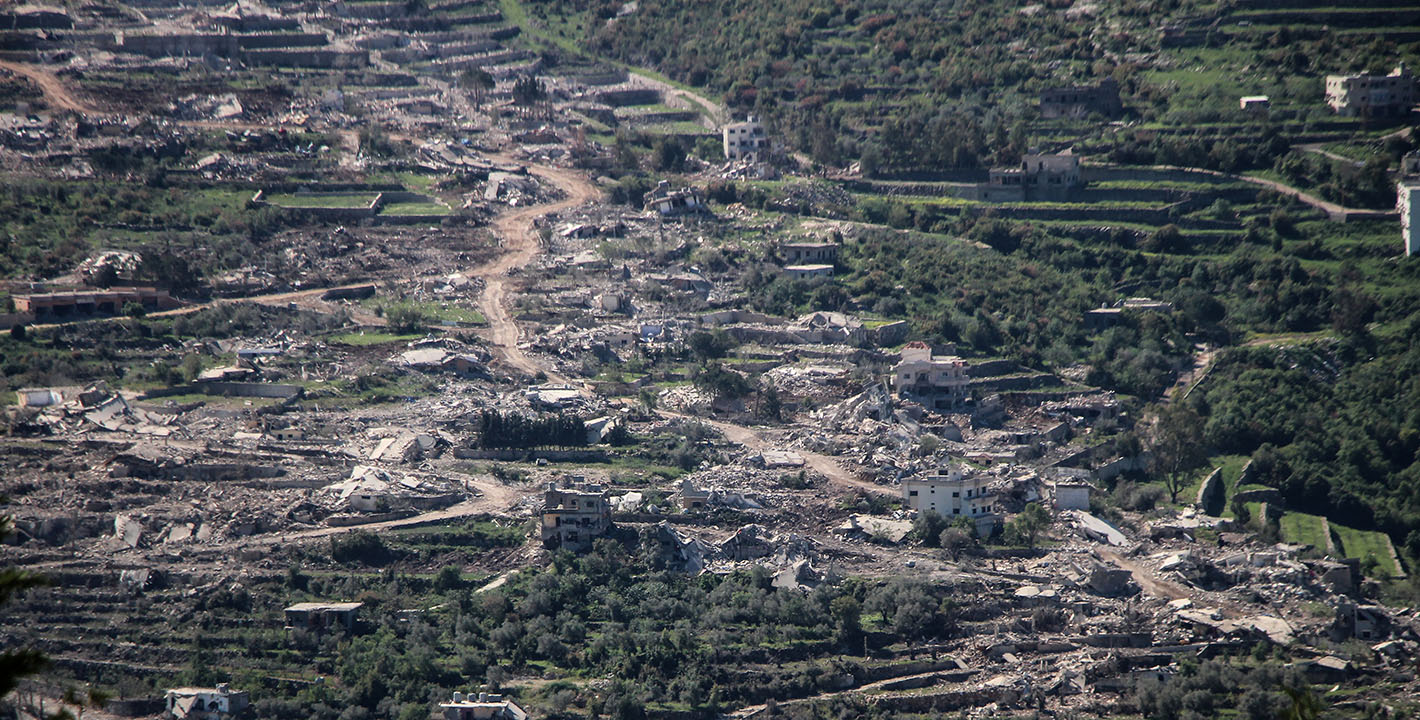
As negotiations with Iran and Lebanon continue, chaos is at the heart of the Netanyahu government’s calculations.
Michael Young
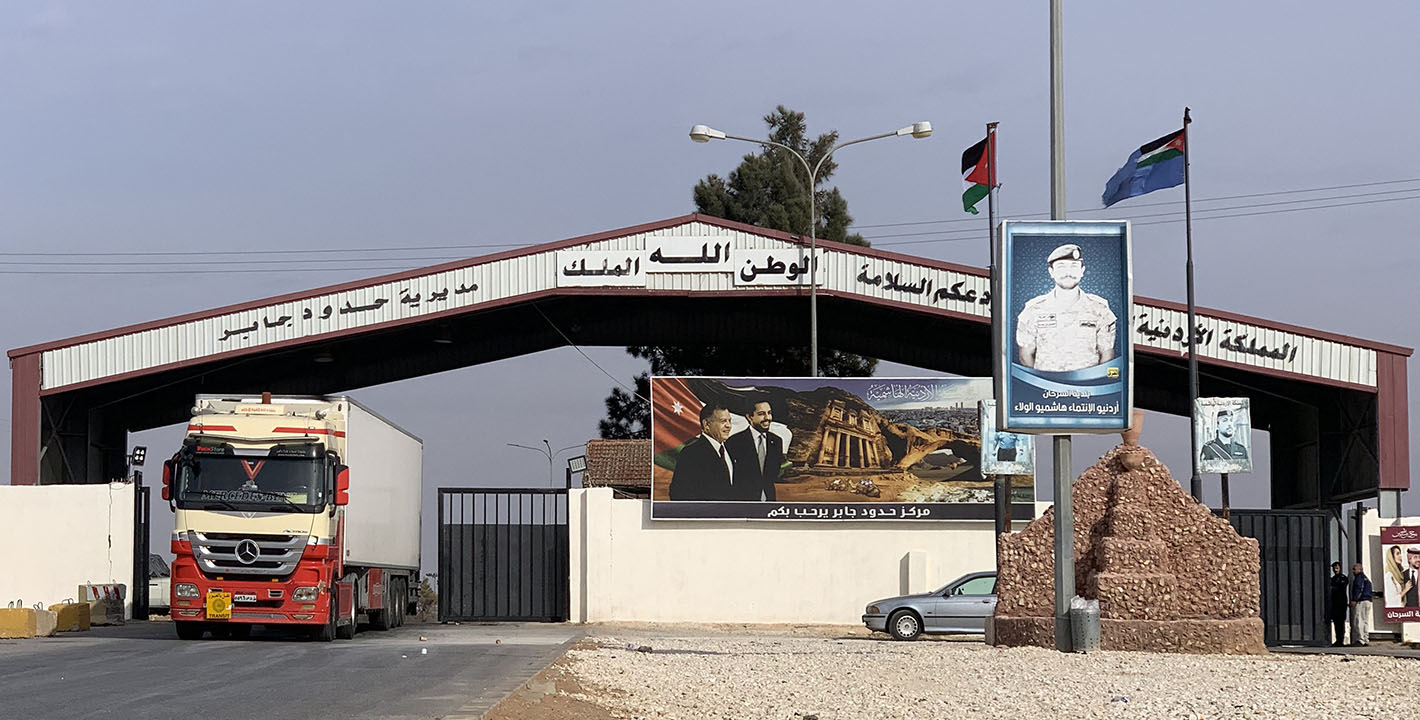
Trade statistics show why Amman has more reason than Damascus to welcome the improvement in bilateral commerce.

Armenak Tokmajyan
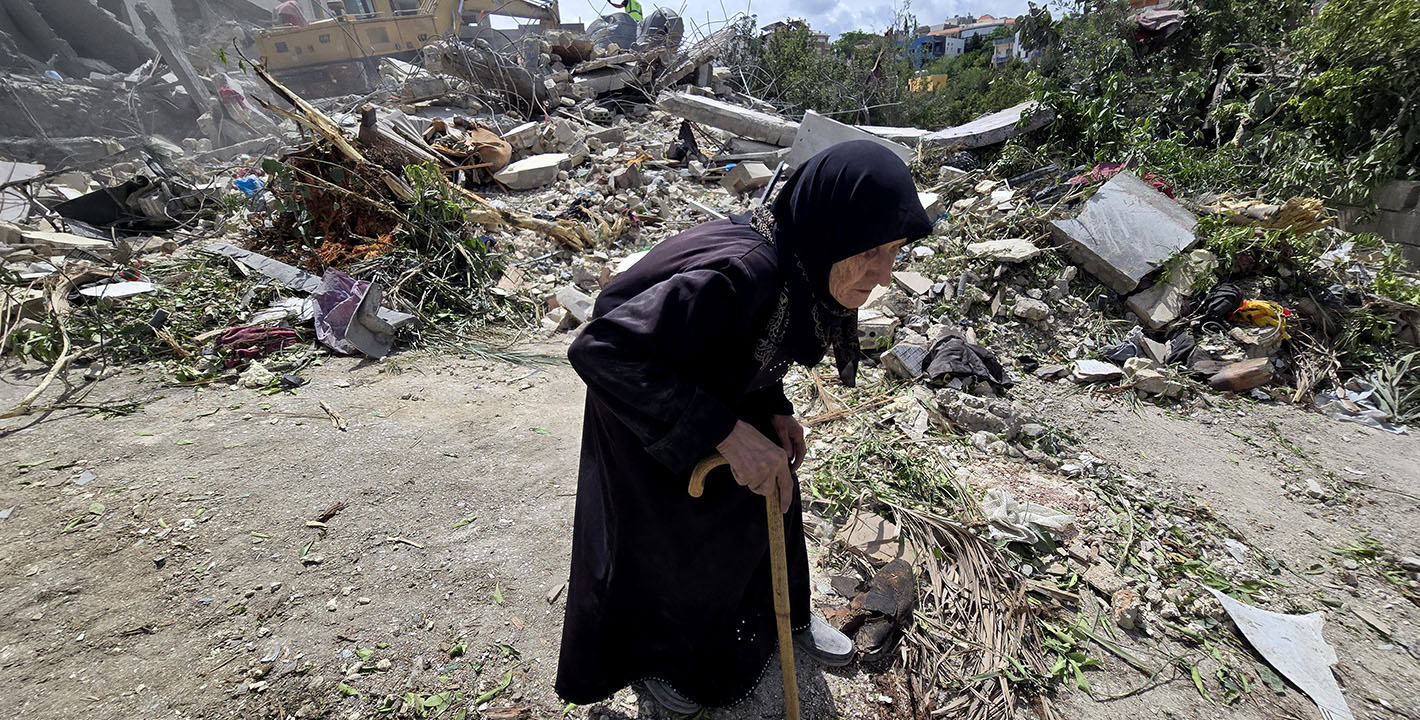
Adversaries are to be degraded so deeply, that reconstitution becomes difficult or impossible.

Nathan J. Brown