

Article
Deborah Gordon, Smriti Kumble, David Livingston
{
  "authors": [
    "David Livingston"
  ],
  "type": "other",
  "centerAffiliationAll": "dc",
  "centers": [
    "Carnegie Endowment for International Peace"
  ],
  "collections": [],
  "englishNewsletterAll": "ctw",
  "nonEnglishNewsletterAll": "",
  "primaryCenter": "Carnegie Endowment for International Peace",
  "programAffiliation": "SCP",
  "programs": [
    "Sustainability, Climate, and Geopolitics"
  ],
  "projects": [
    "Carnegie Oil Initiative"
  ],
  "regions": [
    "North America"
  ],
  "topics": [
    "Climate Change"
  ]
}
Source: Getty
The World Energy Issues Monitor provides a snapshot of what keeps energy leaders awake across the globe.
Source: World Energy Council
The World Energy Issues Monitor provides a snapshot of what keeps energy leaders awake across the globe. The monitor helps to define the world energy agenda and its evolution over time. It provides a high-level perception of what constitute issues of critical uncertainty, in contrast to those that require immediate action or act as developing signals for the future. The World Energy Issues Monitor is based on an annual survey, comprising 40 issues across four categories: macroeconomic risks, geopolitics, business environment, and energy vision and technology. The survey is completed by ministers, chief executives and leading experts in nearly 80 countries that are members of the World Energy Council (WEC).The data for the 2015 World Energy Issues Monitor is input and normalized using statistical software in order to enable direct comparisons across regions and of different years. The data are normalized by the mean to give a central weighting and standard deviations to give the spread. The resulting Issues Monitors are then further contextualized by the analyses of WEC national committee chairs and their broader national networks.
David Livingston helped lead the completion of a specialized Issue Monitor for WEC Future Energy Leaders, a group of 100 young professionals in 40 countries working on energy issues within the public, private, and non-profit sectors. The Future Energy Leaders Issue Monitor for 2015 shows heightened polarization in terms of both the uncertainty and impact of various issues. Emerging international and inter-temporal challenges, such as climate change and the food-water-energy nexus, continue to receive a higher degree of attention from Future Energy Leaders than their peers in the broader Issues Monitor.
This monitor was originally published by the World Energy Council.
Former Associate Fellow, Energy and Climate Program
Livingston was an associate fellow in Carnegie’s Energy and Climate Program, where his research focuses on emerging markets, technologies, and risks.
Recent Work

Deborah Gordon, Smriti Kumble, David Livingston

Erik Brattberg, David Livingston
Carnegie does not take institutional positions on public policy issues; the views represented herein are those of the author(s) and do not necessarily reflect the views of Carnegie, its staff, or its trustees.
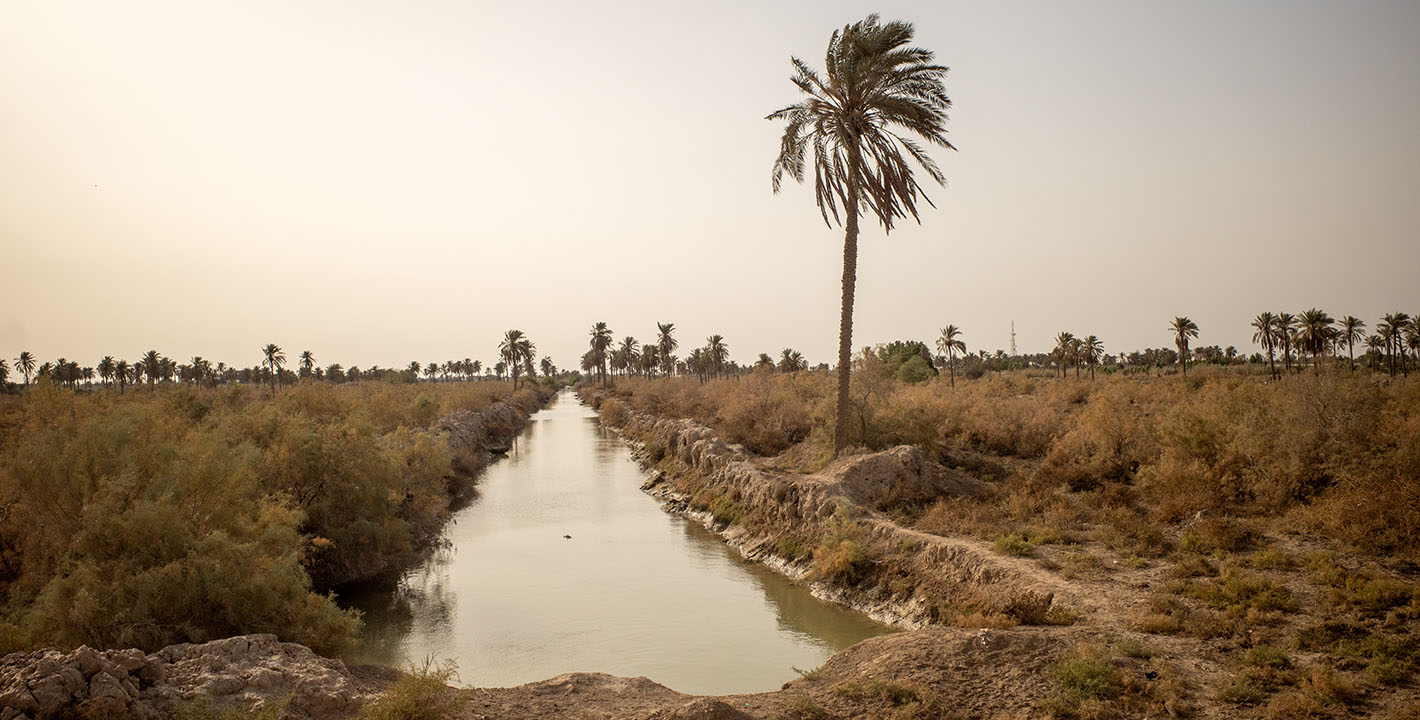
Across the Middle East and North Africa, climate stress interacts with economic fragility, governance failures, social marginalization, and conflict.

Camille Ammoun
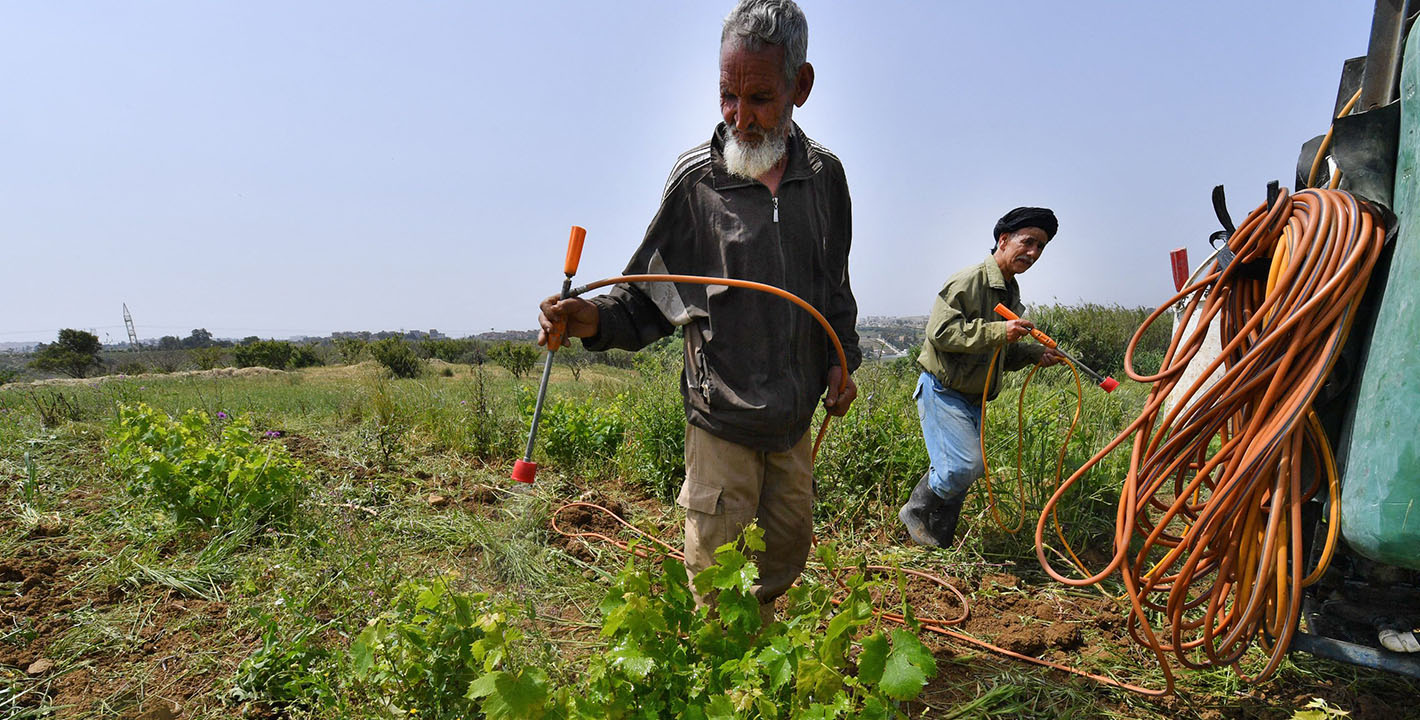
Understanding how farmers in the Oued Sahel-Soummam Valley grapple with climate change is essential for addressing the paradoxes through which adaptation, operating at both individual and institutional levels, deepens the region’s vulnerability and erodes the social fabric and agrarian identity that once defined life.

Ilyssa Yahmi
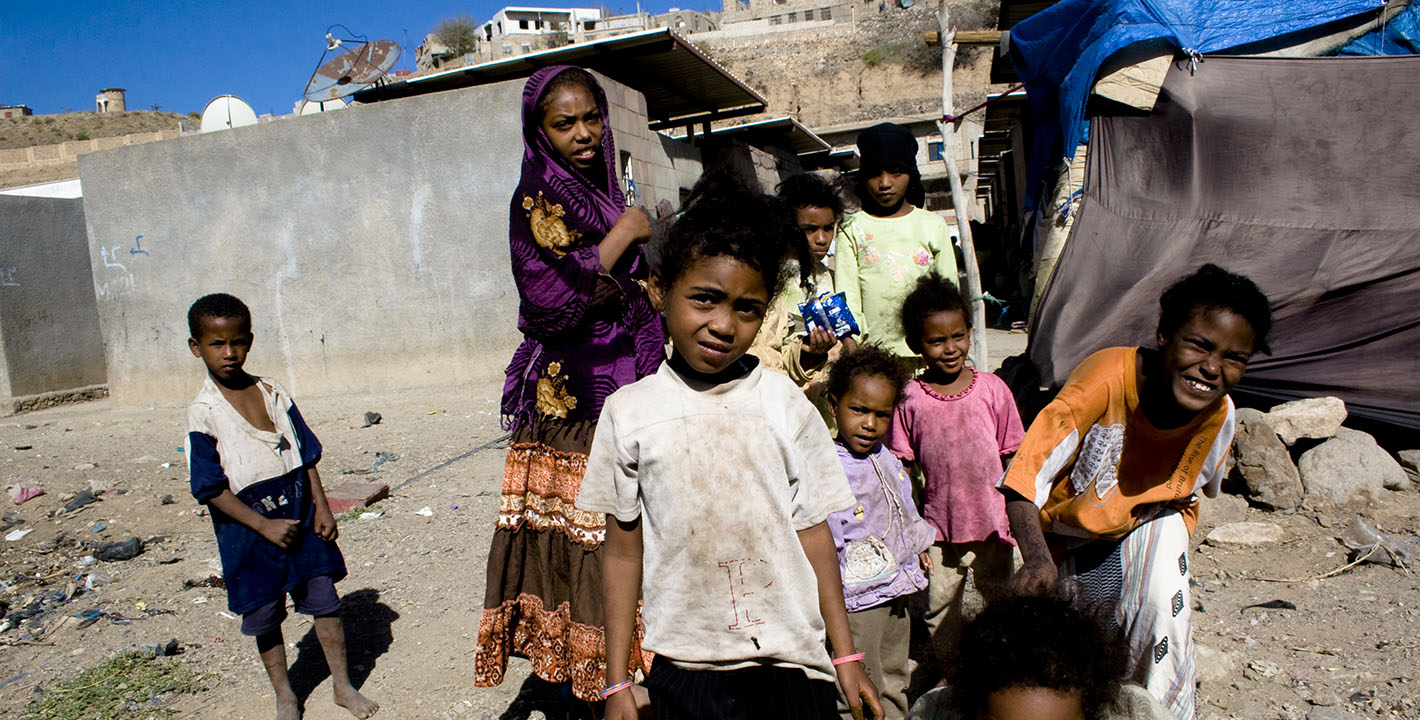
The community already suffers social discrimination, so addressing inequalities requires sustained interventions.
Musaed Aklan , Mohammad Al-Saidi
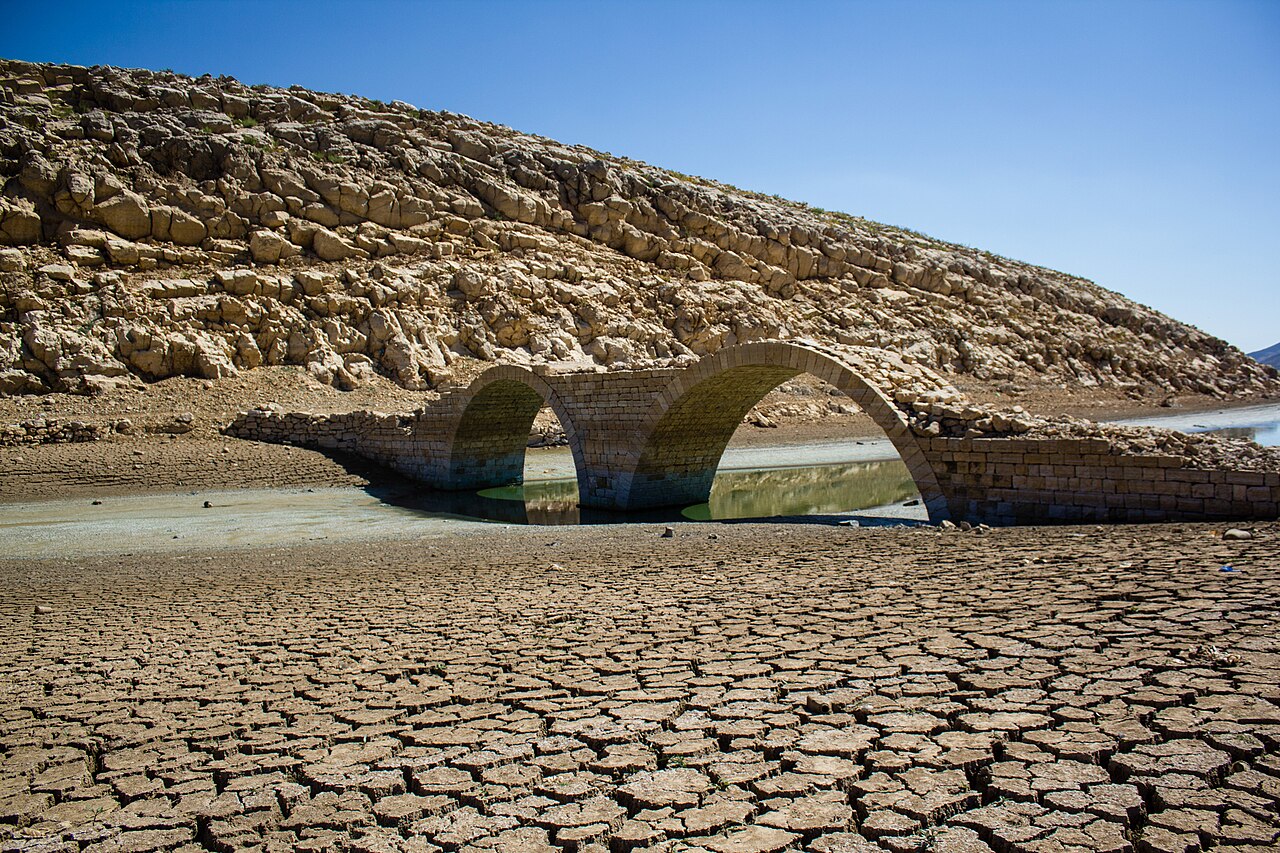
Lebanon’s largest water reservoir is a house of many mansions when it comes to converging failures.
Camille Ammoun
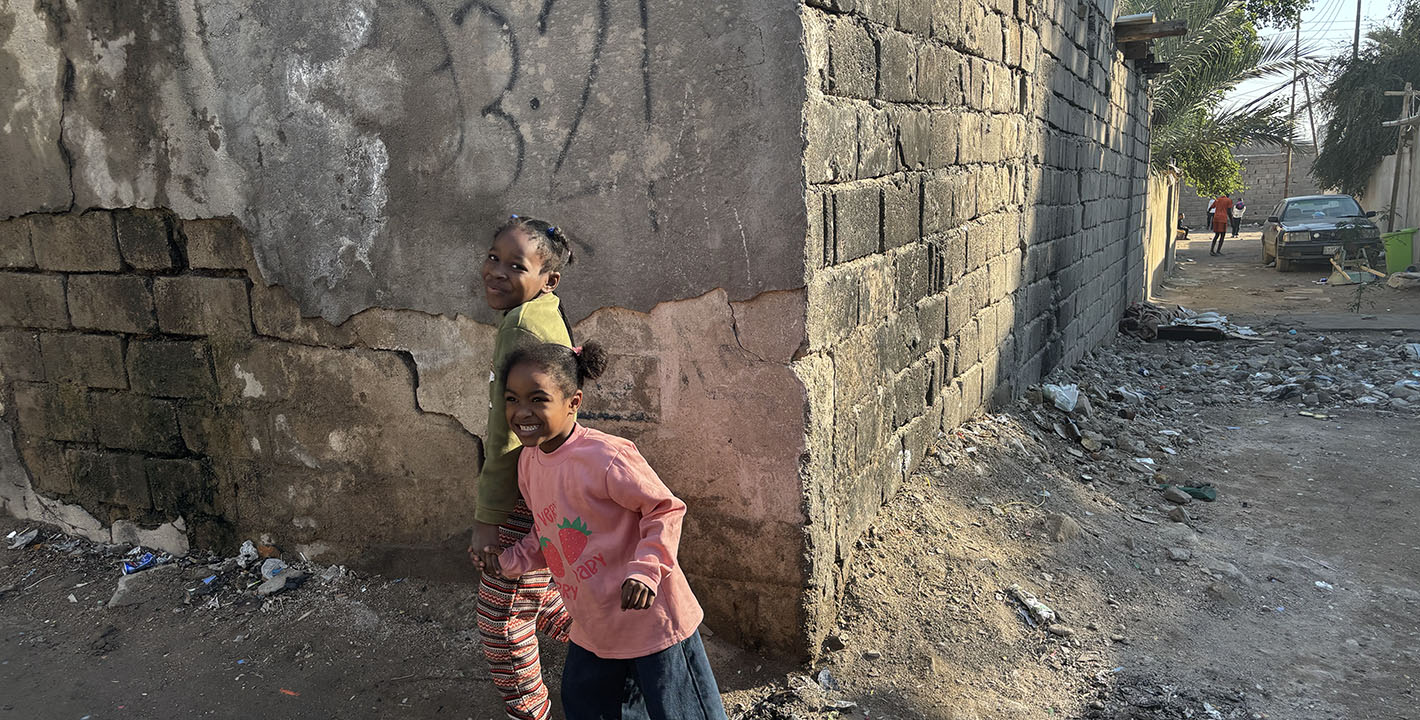
Afro-Iraqis experience political, economic, and social marginalization and discrimination, which exposes the poorest members of the community to the harsh realities of the region’s climate disaster.

Zeinab Shuker