

Commentary
As the U.S. stumbles in its war with Iran, we are likely to see an acceleration of its disengagement from the region.
Michael Young
{
  "authors": [
    "Mario Abou Zeid",
    "Mike Lyons",
    "Lama Fakih"
  ],
  "type": "legacyinthemedia",
  "centerAffiliationAll": "dc",
  "centers": [
    "Carnegie Endowment for International Peace",
    "Malcolm H. Kerr Carnegie Middle East Center"
  ],
  "collections": [],
  "englishNewsletterAll": "menaTransitions",
  "nonEnglishNewsletterAll": "",
  "primaryCenter": "Malcolm H. Kerr Carnegie Middle East Center",
  "programAffiliation": "MEP",
  "programs": [
    "Middle East"
  ],
  "projects": [],
  "regions": [
    "Levant",
    "Syria",
    "Middle East"
  ],
  "topics": [
    "Political Reform",
    "Security"
  ]
}
Source: Getty
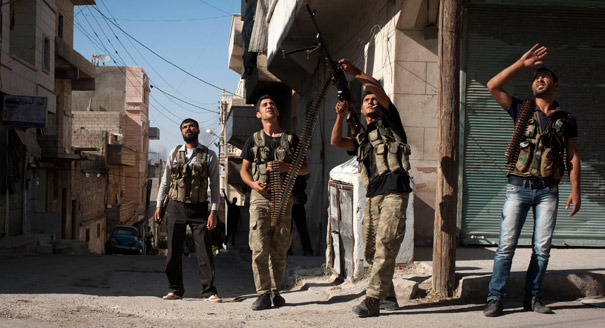
Four years into the conflict in Syria, the United States is screening opposition fighters for the first time to boost war against the Islamic State.
Source: Al Jazeera Inside Story
The US has screened about 1,200 moderate Syrian rebels to be trained and equipped to battle ISIL in Syria. The U.S. Congress has authorised 500 million dollars to train 5,000 opposition fighters over the next year.
Turkey, Saudi Arabia and Qatar have offered to host training camps, with work expected to get under way as early as March or April.
While their focus is clear, the new U.S. Defence Secretary Ashton Carter also sees other potential benefits Addressing the Congress, he said: “The forces that we're supporting there have first and foremost the job...of defeating ISIL. But I believe that they also need to be creating the conditions for the removal of Assad.”
So, nearly four years into the conflict, with a death toll estimated by the U.N. at more than 220,000, what are the U.S. priorities in Syria, and where do its international allies stand?
This interview was originally aired on Al Jazeera Inside Story.
Former Research Analyst, Middle East Center
Abou Zeid was a research analyst at the Carnegie Middle East Center, where his work focuses on political developments in Lebanon, Syria, Iraq, and Iran.
Mike Lyons
Lama Fakih
Lama Fakih is Human Rights Watch’s Middle East and North Africa director and the director of the Beirut office.
Carnegie does not take institutional positions on public policy issues; the views represented herein are those of the author(s) and do not necessarily reflect the views of Carnegie, its staff, or its trustees.

As the U.S. stumbles in its war with Iran, we are likely to see an acceleration of its disengagement from the region.

Michael Young
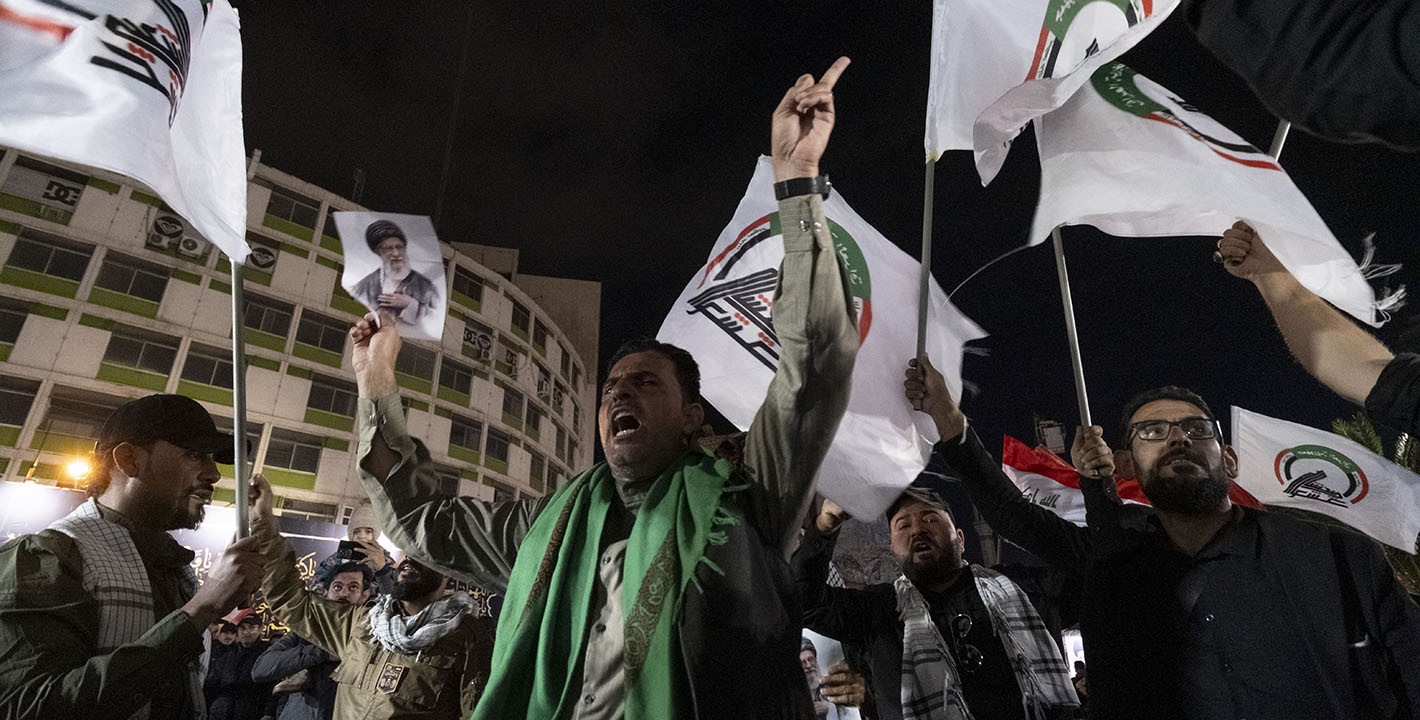
The Zaidi government’s objective to collect weapons is constrained by regional conflict, but it can take certain measures at home.
Ali Al-Mawlawi

Huawei pushed hard to enter the Egyptian data centers market, until the Americans made a better offer.

Angie Omar

The accord represents a pivotal moment in the region to avert a security vacuum in the Gulf.


Azeema Cheema, Mohanad Hage Ali

In an interview, Jason Burke discusses his sweeping account of the “revolutionists” who so shaped the 1970s and early 1980s.
Michael Young