
The armed forces champion a form of capitalism that is generating revenue, but its reliance on rent faces diminishing returns, leaving the country with massive sunk costs and deferred returns, deepening dependency on external borrowing.
Yezid Sayigh

{
"authors": [
"Lina Khatib",
"Ahmed Gaaloul",
"Aymenn Jawad Al-Tamimi"
],
"type": "legacyinthemedia",
"centerAffiliationAll": "dc",
"centers": [
"Carnegie Endowment for International Peace",
"Malcolm H. Kerr Carnegie Middle East Center"
],
"collections": [],
"englishNewsletterAll": "menaTransitions",
"nonEnglishNewsletterAll": "",
"primaryCenter": "Malcolm H. Kerr Carnegie Middle East Center",
"programAffiliation": "MEP",
"programs": [
"Middle East"
],
"projects": [],
"regions": [
"Gulf",
"Levant",
"Maghreb",
"Syria",
"Iraq",
"Tunisia",
"Middle East",
"North Africa"
],
"topics": [
"Security"
]
}Source: Getty
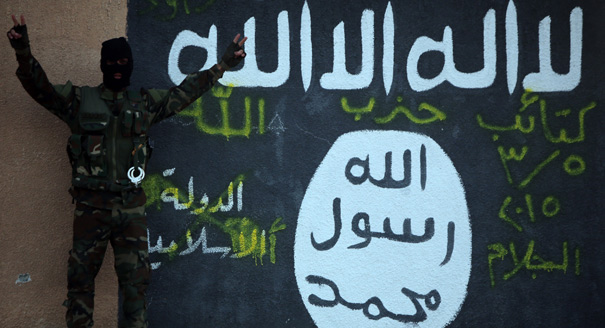
A year after declaring a “caliphate,” self-proclaimed Islamic State fighters are claiming attacks in Kuwait and Tunisia.
Source: Al Jazeera Inside Story
More than 60 people were killed on Friday in two attacks.
The first was a suicide bomb explosion at a mosque for Shia Muslims in Kuwait City—the first such attack in relatively stable Kuwait.
Then in Tunisia, European tourists were targeted in their resort. A gunman randomly opening fire among the beach umbrellas and continuing in a hotel.
The message, for many, is clear: ISIL is expanding its activities beyond areas already seized in Iraq and Syria.
But what are the limits of the group’s expansion?
This interview was originally broadcast on Al Jazeera’s Inside Story.
Former Director, Middle East Center
Khatib was director of the Carnegie Middle East Center in Beirut. Previously, she was the co-founding head of the Program on Arab Reform and Democracy at Stanford University’s Center on Democracy, Development, and the Rule of Law.
Ahmed Gaaloul
Aymenn Jawad Al-Tamimi
Carnegie does not take institutional positions on public policy issues; the views represented herein are those of the author(s) and do not necessarily reflect the views of Carnegie, its staff, or its trustees.
The armed forces champion a form of capitalism that is generating revenue, but its reliance on rent faces diminishing returns, leaving the country with massive sunk costs and deferred returns, deepening dependency on external borrowing.
Yezid Sayigh

Morocco and Algeria, each in its own way, are having to navigate the global economic fallout of the U.S.-Israeli military campaign against Iran.
Yasmine Zarhloule
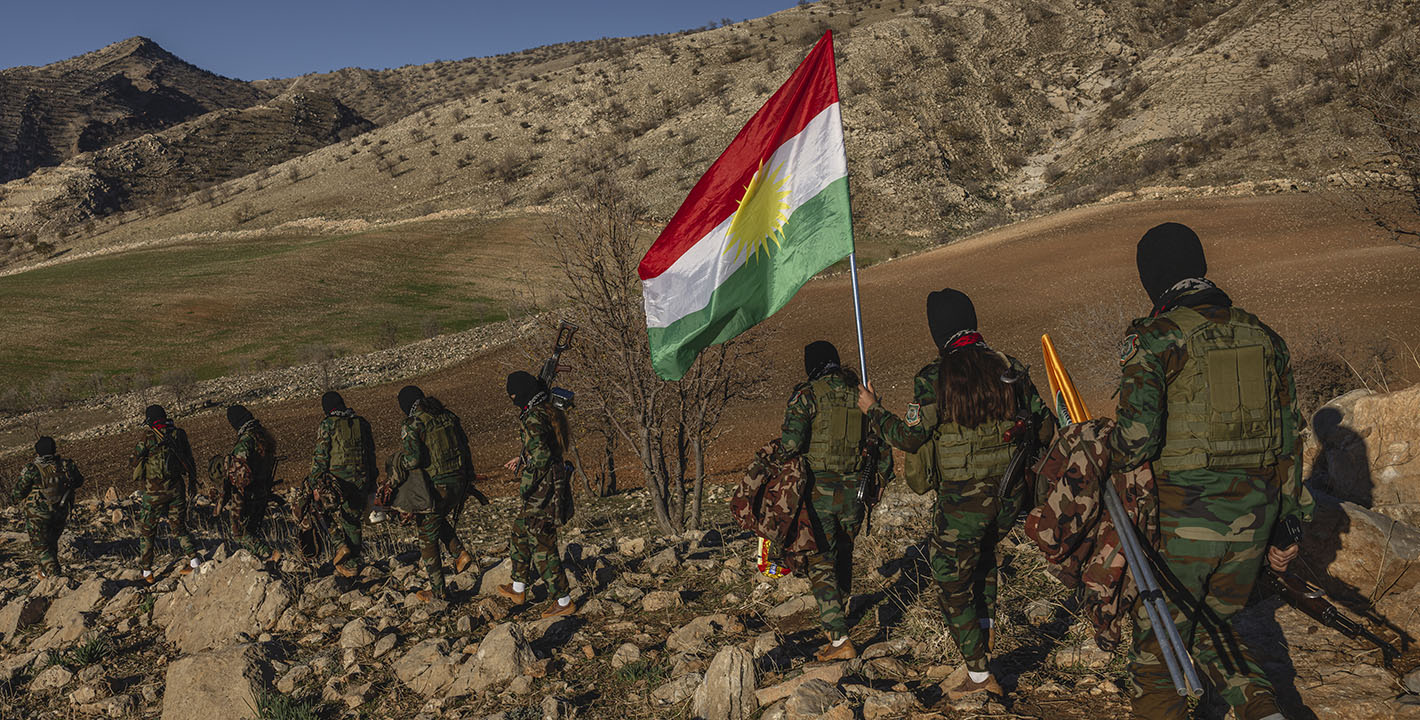
Following its deal with the United States, Iran may act against Iraq-based dissidents.
Wladimir van Wilgenburg
There is a disturbing structural parallel between the old global energy economy and the new green transition.
Angie Omar
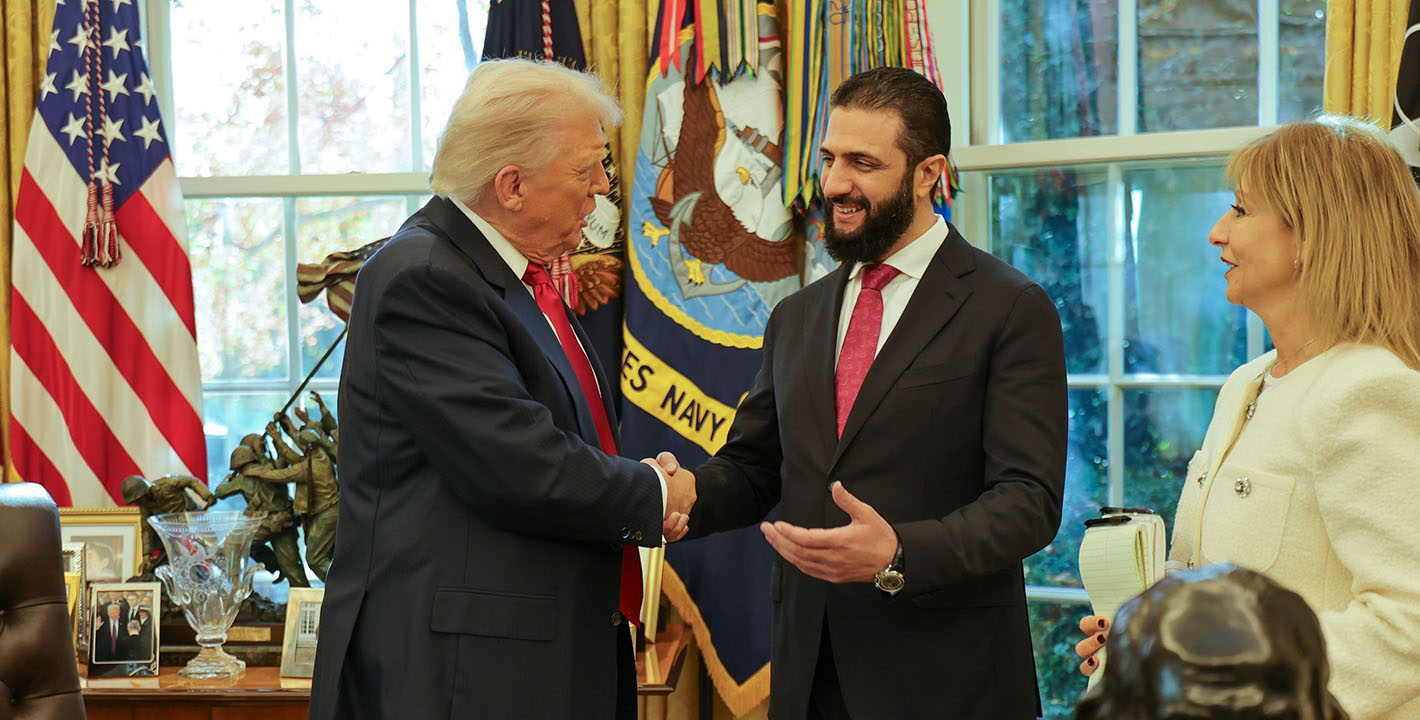
Any move by the United States to make good on Trump’s suggestion that Washington persuade Damascus to confront Hezbollah militarily would have catastrophic consequences.
Kheder Khaddour