
The armed forces champion a form of capitalism that is generating revenue, but its reliance on rent faces diminishing returns, leaving the country with massive sunk costs and deferred returns, deepening dependency on external borrowing.
Yezid Sayigh

{
"authors": [
"Carole Nakhle",
"Philip Daniel",
"Anthony Paul",
"Salli A. Swartz",
"Satya Widya Yudha"
],
"type": "other",
"centerAffiliationAll": "dc",
"centers": [
"Carnegie Endowment for International Peace",
"Malcolm H. Kerr Carnegie Middle East Center"
],
"collections": [],
"englishNewsletterAll": "menaTransitions",
"nonEnglishNewsletterAll": "",
"primaryCenter": "Malcolm H. Kerr Carnegie Middle East Center",
"programAffiliation": "MEP",
"programs": [
"Middle East"
],
"projects": [
"Carnegie Oil Initiative"
],
"regions": [],
"topics": [
"Economy",
"Climate Change"
]
}Source: Getty
The oil price is the most obvious trigger of change in the relationship between host governments and investors.
Source: Natural Resource Governance Institute
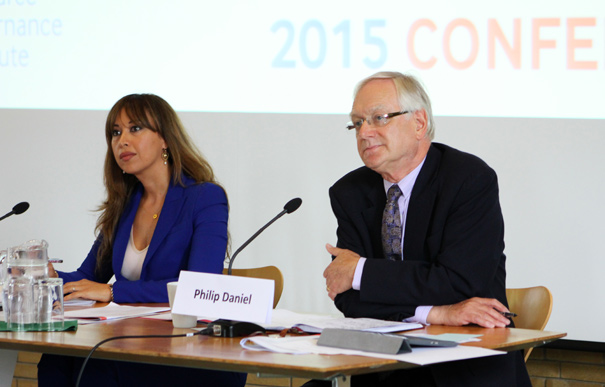
This year, the NRGI conference focused on the implications of falling commodity prices, bringing together policy makers, practitioners, academics and other leading experts (including many from developing countries) to discuss the salient policy and governance challenges and the latest analysis on these issues. The conference provided a forum for highly interactive debate, showcasing new thinking, policy experience and emerging practice.
Carnegie’s Carole Nakhle initiated the talk with a discussion on the oil price’s impact on the bargaining power between host governments and investors at the negotiating table.
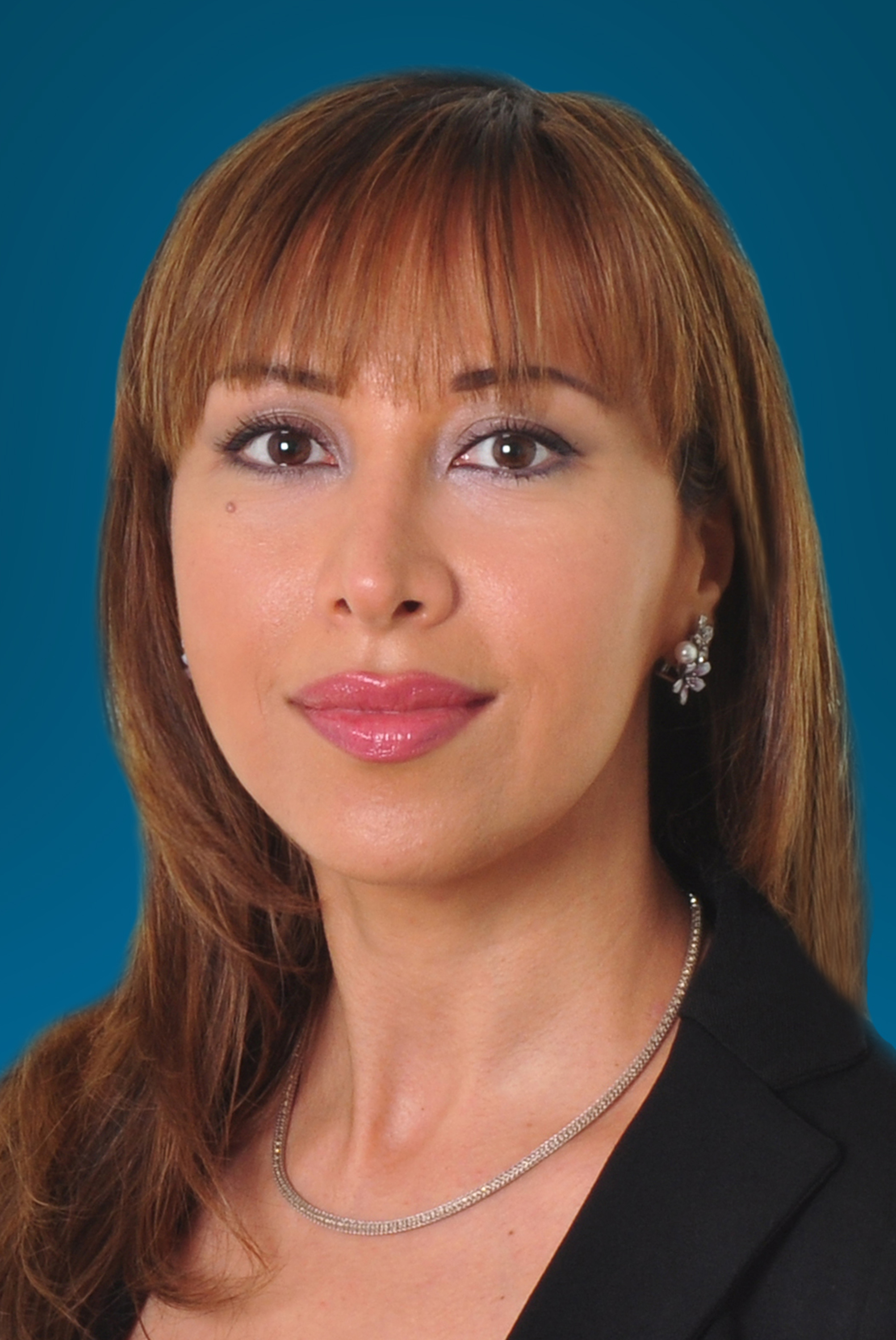
Former Nonresident Scholar, Middle East Center
Nakhle was a nonresident scholar at Carnegie Middle East Center, specializing in international petroleum contracts and fiscal regimes for the oil and gas industry, world oil and gas market developments, energy policy, and oil and gas revenue management.
Philip Daniel
Anthony Paul
Salli A. Swartz
Satya Widya Yudha
Carnegie does not take institutional positions on public policy issues; the views represented herein are those of the author(s) and do not necessarily reflect the views of Carnegie, its staff, or its trustees.
The armed forces champion a form of capitalism that is generating revenue, but its reliance on rent faces diminishing returns, leaving the country with massive sunk costs and deferred returns, deepening dependency on external borrowing.
Yezid Sayigh
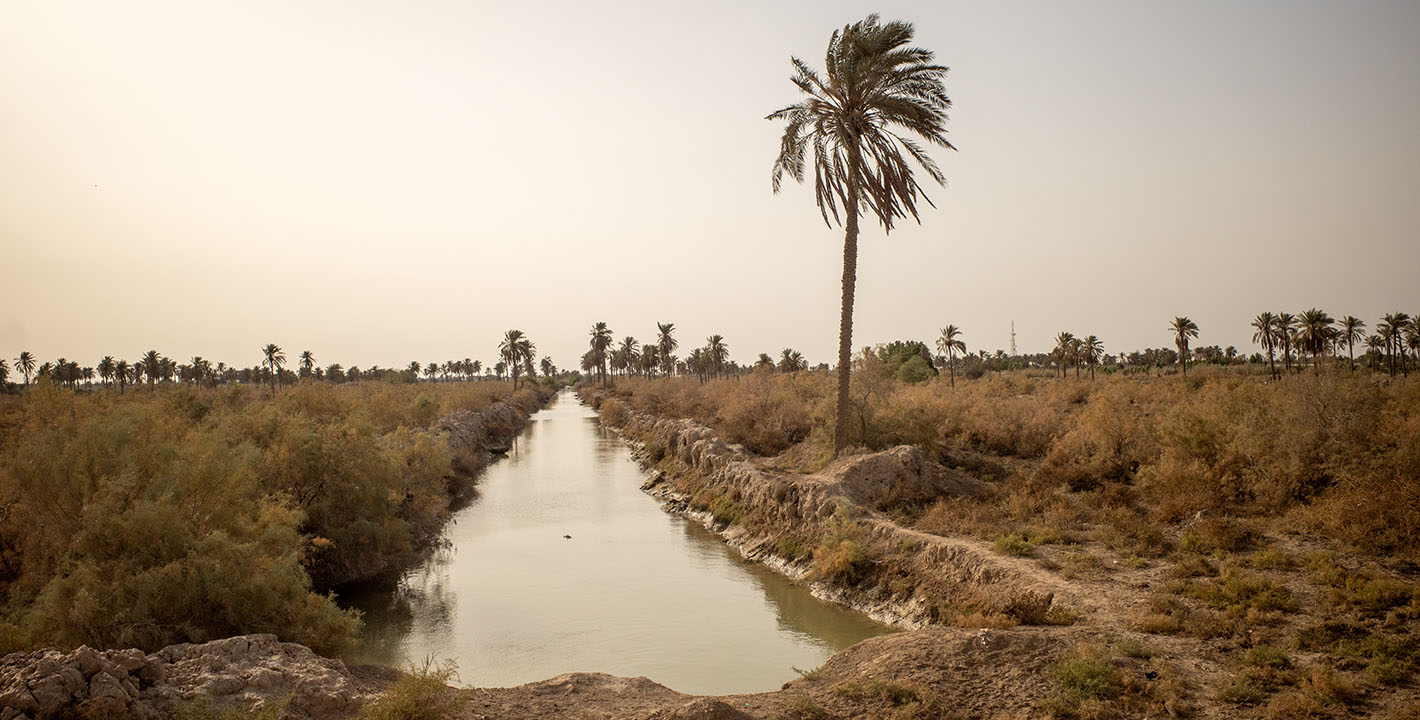
Across the Middle East and North Africa, climate stress interacts with economic fragility, governance failures, social marginalization, and conflict.
Camille Ammoun
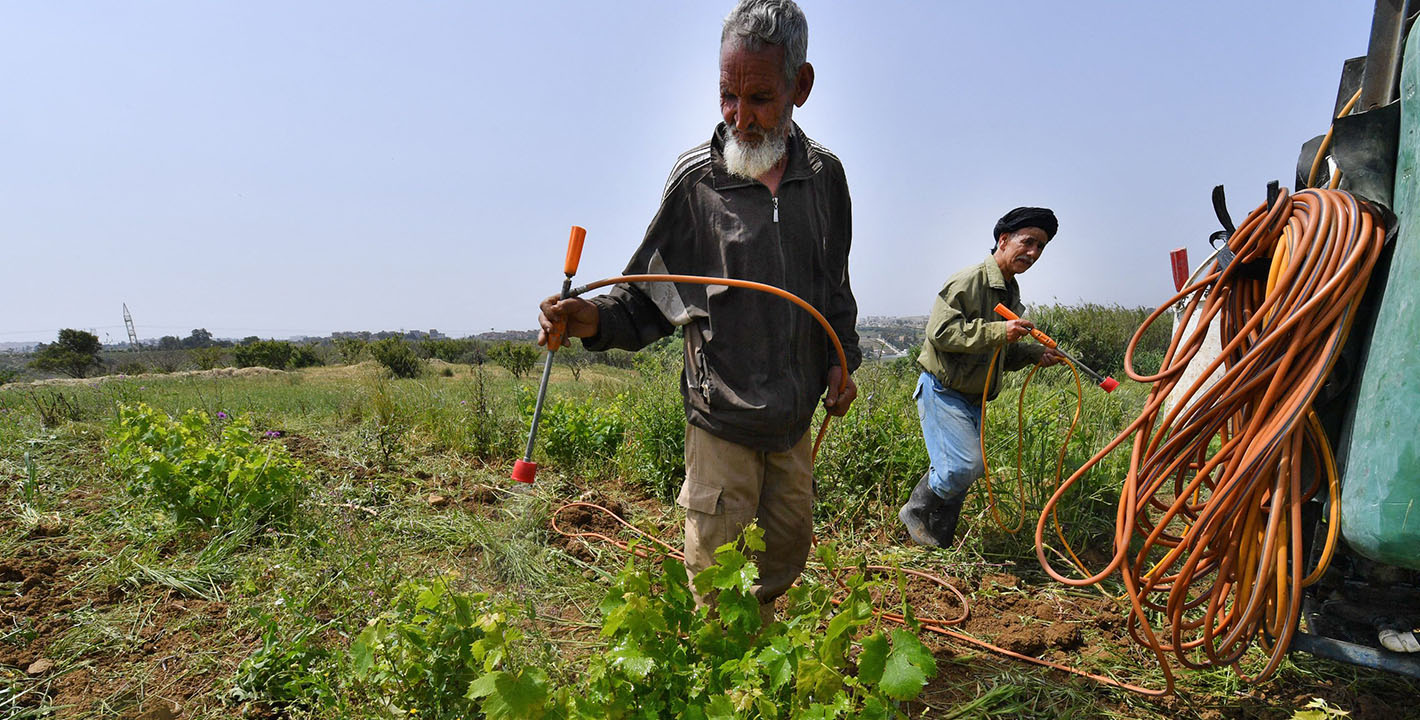
Understanding how farmers in the Oued Sahel-Soummam Valley grapple with climate change is essential for addressing the paradoxes through which adaptation, operating at both individual and institutional levels, deepens the region’s vulnerability and erodes the social fabric and agrarian identity that once defined life.
Ilyssa Yahmi
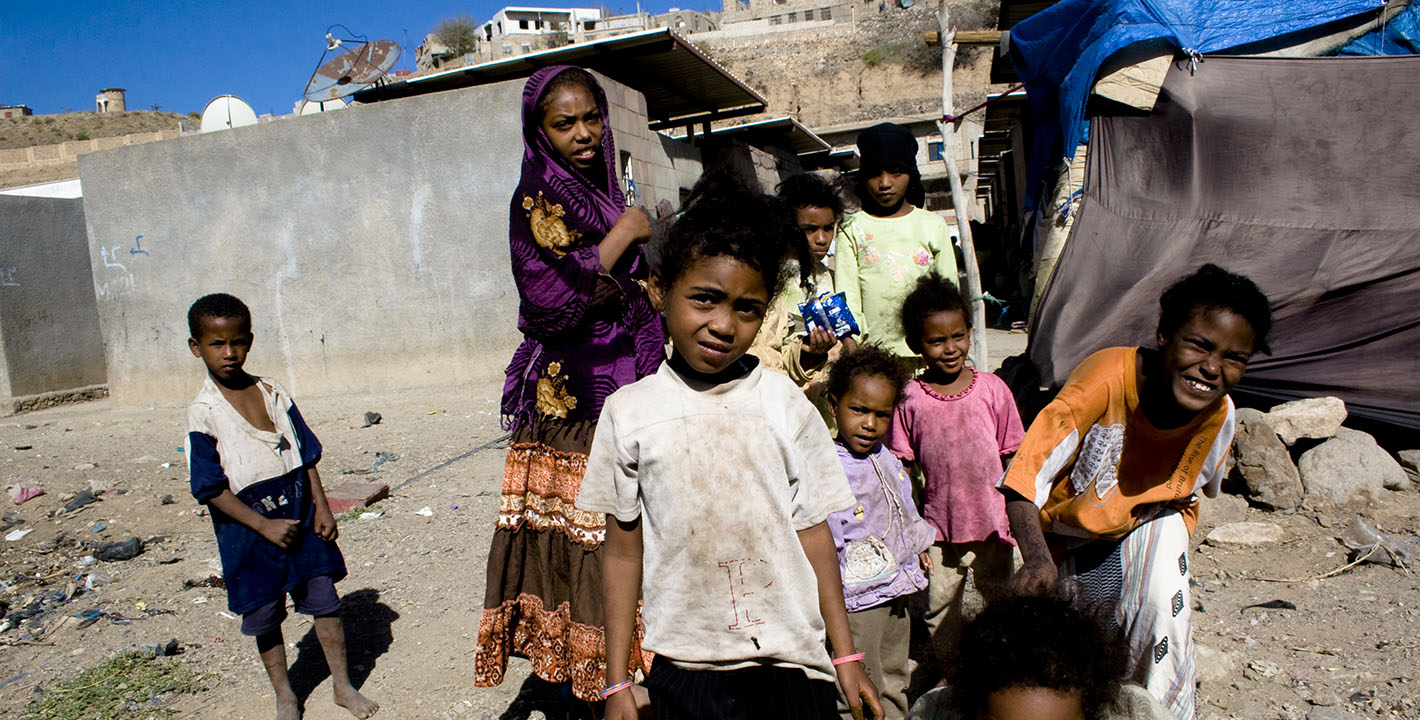
The community already suffers social discrimination, so addressing inequalities requires sustained interventions.
Musaed Aklan , Mohammad Al-Saidi
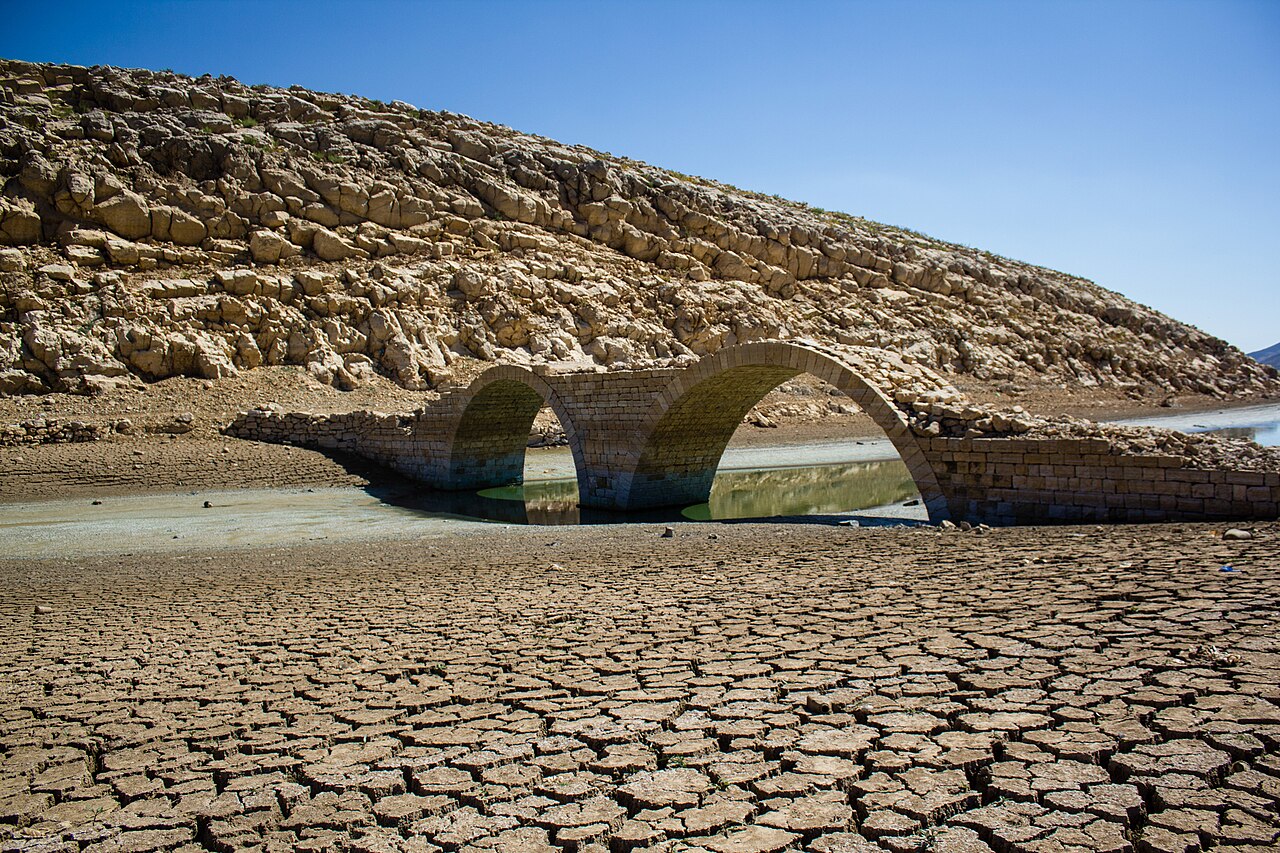
Lebanon’s largest water reservoir is a house of many mansions when it comes to converging failures.
Camille Ammoun