

Commentary
Marc Pierini
{
  "authors": [
    "Marc Pierini"
  ],
  "type": "legacyinthemedia",
  "centerAffiliationAll": "dc",
  "centers": [
    "Carnegie Endowment for International Peace",
    "Carnegie Europe"
  ],
  "collections": [],
  "englishNewsletterAll": "ctw",
  "nonEnglishNewsletterAll": "",
  "primaryCenter": "Carnegie Europe",
  "programAffiliation": "EP",
  "programs": [
    "Europe"
  ],
  "projects": [],
  "regions": [
    "Europe",
    "Türkiye",
    "Western Europe",
    "Iran"
  ],
  "topics": [
    "Foreign Policy"
  ]
}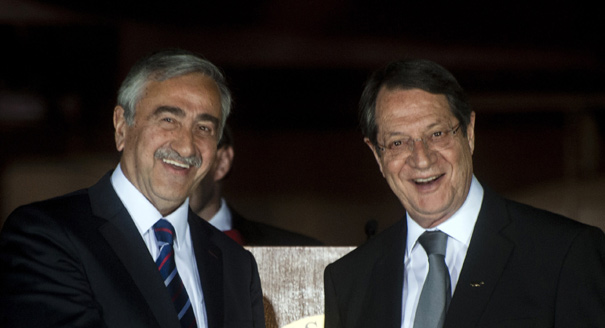
Source: Getty
The visit by the Northern Cypriot leader to Brussels on June 29–July 3 might not have received much attention. But chances have never been higher for a reunification of Cyprus.
Source: Hürriyet Daily News
Worried as they are by terrorist threats, Ukraine’s future and the Grexit saga, European citizens may not have paid much attention to Mustafa Akıncı’s visit to the EU institutions last week. True, the Northern Cyprus leader heads a country that is not officially recognized by the EU, nor is it a member of the U.N. Yet, his visit was a genuine turning point on the difficult road to an irreversible settlement in Cyprus.
Had it been a head of state’s official visit, it could not have been more packed: Mustafa Akıncı met the President of the European Council, Donald Tusk; the President of the Commission, Jean-Claude Juncker; Commissioner Johannes Hahn; High-representative Federica Mogherini; European Parliament President Martin Schulz; the presidents of the main political groups in the European Parliament; and the European Economic and Social Committee, as well as the press and think tanks. The mere program was an acknowledgement of Akıncı’s political standing and an appreciation of his commitment to a political solution on the divided island. His strong pledge to arrive at a solution and the clarity of his arguments did the rest.
The EU political establishment has already been impressed by the first moves during the past few weeks since Mustafa Akıncı and Nicos Anastasiades started meeting: The opening of two new crossings on top of the existing seven; technical improvements for mobile phones, electricity connections and harmonization of radio frequencies; better cooperation between business circles; joint cultural events on both sides of the green line; progress between the two negotiators; and, above all, strong commitment at political level on both sides. Positive psychological perceptions have already been introduced by the two leaders.During his visit, Mustafa Akıncı reiterated that while the EU is not – and cannot be – a part of the negotiation, EU support is crucial to Northern Cyprus in order to be ready for the day a bi-zonal, bi-communal Cypriot federation will become a member of the Union. On that historic day, not only should the agreement be compatible with EU rules, but the Turkish component of a Cyprus federation should also be able to absorb the EU “acquis,” if not overnight, but within an agreed timeframe. Hence Akıncı’s call for increased EU support for this technical process.
In EU institutions, no one is under any illusion: From property issues to the security sector, from the management of energy resources to the exact delineation of the federal system, the road to an irreversible agreement on Cyprus’ reunification is fraught with hurdles. But it is fair to say that for the first time the EU political leadership has perceived a strong, clearly expressed, and genuine commitment from a Northern Cypriot politician elected last April on a “reunification ticket.”
Seen from Brussels, this is a most welcome development coming from a region hitting the headlines with somber news such as the Greek financial crisis, the Syria and Iraq conundrums, and the refugee emergency. Even more importantly, the sense that a Cypriot-led process is under way between politicians who see themselves as future partners, not as enemies, went a long way to persuading EU leaders that a new opportunity had emerged and that it deserved their full support.
A solution to the island’s division will also be good news for Turkey, which for more than 40 years has been part of the political stalemate. The economic boom that can be expected after reunification will benefit Turkey’s economy more than any other. In addition, Turkey’s support for the agreement that will hopefully be reached by the two parties will improve its image worldwide. Even more importantly, the agreement, followed by the establishment of diplomatic relations between Cyprus and Turkey, will clear the latter’s own accession negotiations of many of its current hurdles. Finally, the Turkish language will become an official EU language.
In diplomatic parlance, the expression “win-win solution” is a wishful term that often does not correspond to political realities. But this time around, these words may make real sense for the people of the island, for Greece and Turkey, for the EU and the region. No effort should be spared in supporting the current process.
This article was originally published on Hürriyet Daily News.

Senior Fellow, Carnegie Europe
Marc Pierini is a senior fellow at Carnegie Europe, where his research focuses on developments in the Middle East and Turkey from a European perspective.
Recent Work
Marc Pierini
Marc Pierini
Carnegie does not take institutional positions on public policy issues; the views represented herein are those of the author(s) and do not necessarily reflect the views of Carnegie, its staff, or its trustees.
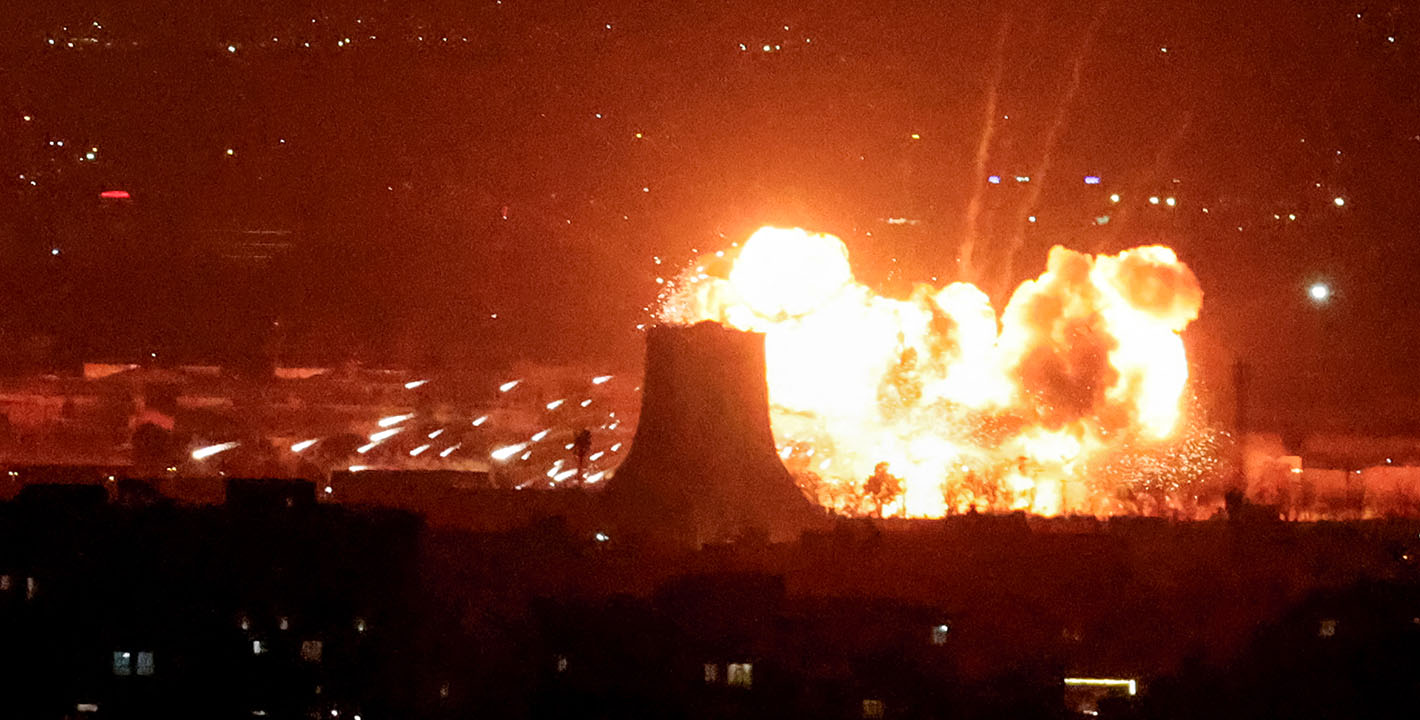
In an interview, Marc Lynch discusses his new book decrying the post-1990 U.S.-dominated order in the Middle East.

Michael Young

Because perpetual conflict enhances control, offers economic benefits, and allows leaders to ignore popular preferences.

Angie Omar
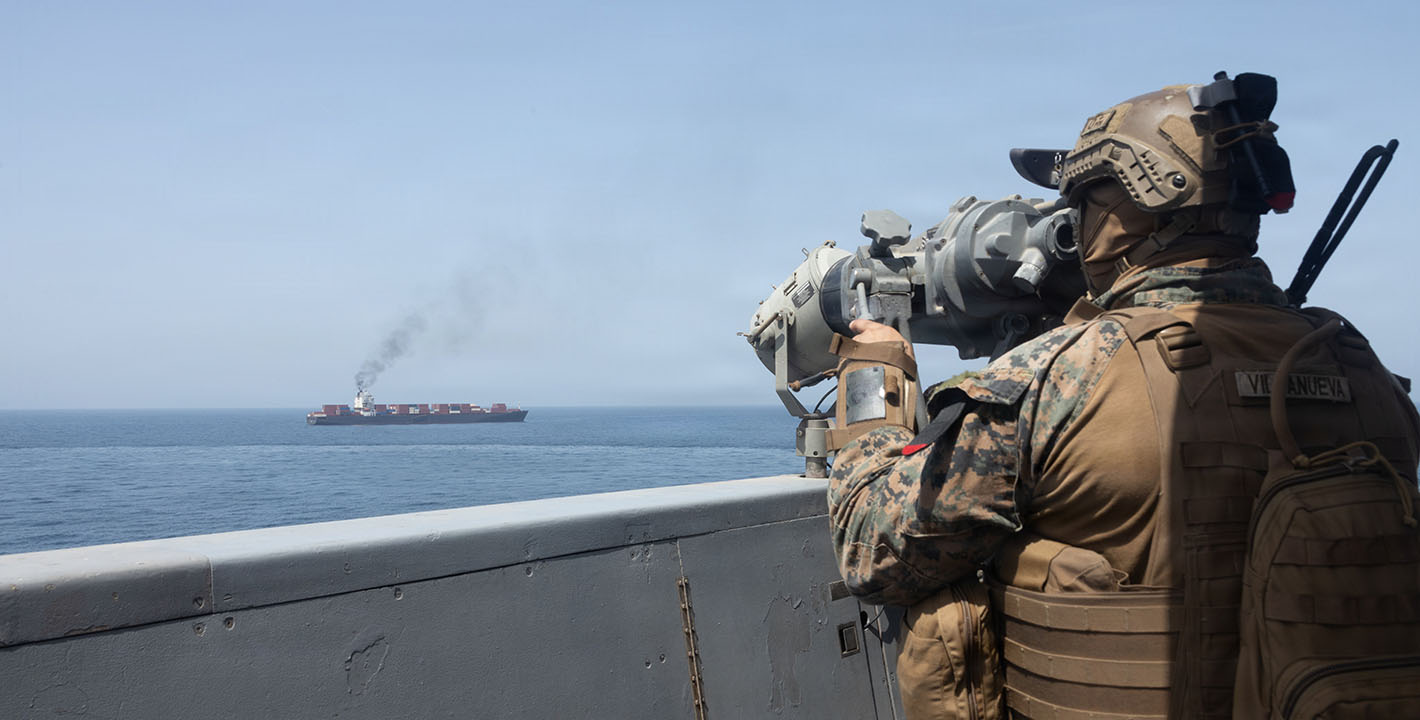
In an interview, Jim Lamson discusses the ongoing regional conflict and sees an unclear picture when it comes to winners and losers.
Michael Young
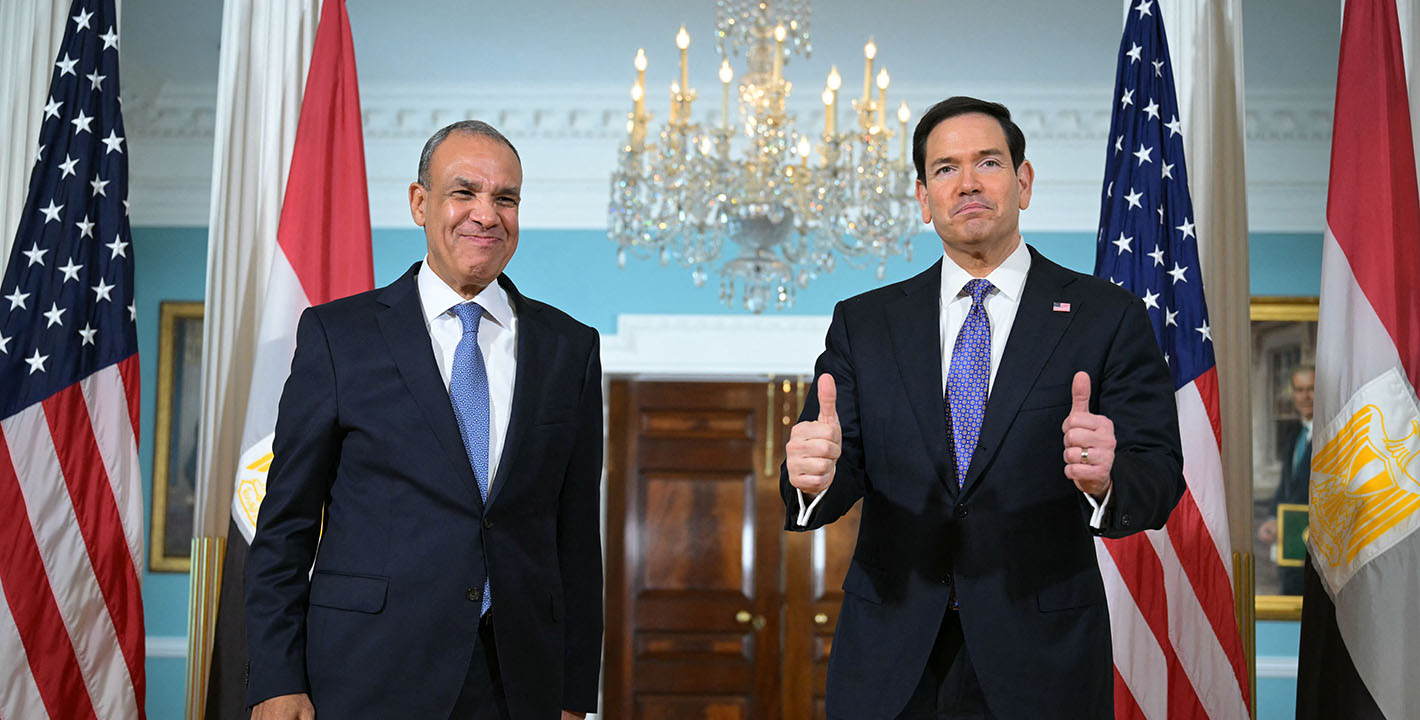
Cairo’s efforts send a message to the United States and the region that it still has a place at the diplomatic table.
Angie Omar
Beirut’s desire to break free from Iranian hegemony may push it into a situation where it has to accept Israel’s hegemony.
Michael Young