

Commentary
Judy Dempsey
{
  "authors": [
    "Judy Dempsey"
  ],
  "type": "legacyinthemedia",
  "centerAffiliationAll": "dc",
  "centers": [
    "Carnegie Endowment for International Peace",
    "Carnegie Europe"
  ],
  "collections": [
    "EU Integration and Enlargement"
  ],
  "englishNewsletterAll": "ctw",
  "nonEnglishNewsletterAll": "",
  "primaryCenter": "Carnegie Europe",
  "programAffiliation": "EP",
  "programs": [
    "Europe"
  ],
  "projects": [],
  "regions": [
    "Europe",
    "Western Europe",
    "Iran"
  ],
  "topics": [
    "EU",
    "Economy"
  ]
}
Source: Getty
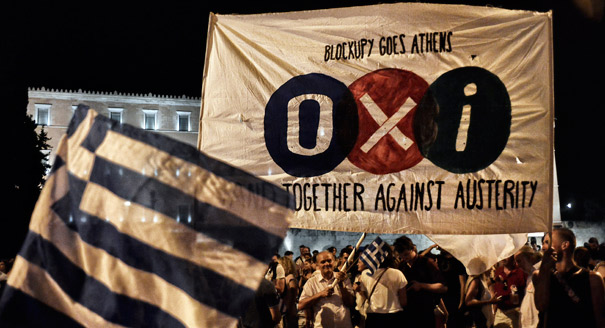
The Greek crisis is not just about money, or about the appalling state of the Greek body politic. It is about the future of Europe.
Source: Radio Free Europe/Radio Liberty
RFE/RL: Greece voted “No” to the European [Union's] bailout proposal [on July 5], what will happen next?
Judy Dempsey: I will tell you what is not going to happen. What is not going to happen is this move away from national governments to a European view about the future of Europe. The Greek crisis has exposed the unbelievable weakness of Europe in being able to understand what this crisis is about. This crisis is not just about money, it is not just about the appalling state of the Greek body politic, this crisis is about the future of Europe. And the debate has been dominated just by pushing Greece, by the stubbornness of Greece not to address its huge fundamental problems, and it has ignored the bigger picture that if Greece does leave the eurozone the legitimacy of monetary union has been really really damaged. But above all the whole idea of political and economic integration has come to a big halt. This would be a huge failure for European leadership
RFE/RL: Do you think that the Greek crisis threatens the whole eurozone?
Dempsey: Yes completely. It would be shocking. The fact that they could not deal with a small country's crisis, I know that it seems very, very big but it is a threat to Europe and to the future of European integration, yes.
RFE/RL: Eurozone finance ministers are meeting in Brussels on 7 July, followed by leaders of the eurozone countries. Do you think they can find some sort of compromise?
Dempsey: It is just so difficult to say. I have been listening here to German commentators and the German political elite and the elites across Europe. I don't think they have internalized or they don't want to internalize the problems of a Grexit. Unless [Greek Prime Minister Alexis] Tsipras comes up with a serious new package and he has a new finance minister which may help the atmosphere. But atmospherics are not enough. What will happen, I don't know. I just hope Greece doesn't leave [the eurozone]. I really don't know what is going to happen. One thing I would like if they finally put in the agenda what this means for Europe and the strategic implications for the Western Balkans, for Greece, for refugees, for Cyprus, for the transatlantic relationship, for Europe's ability to deal with its members, not even its backyard, its member's crisis. If Europeans as institutions and as the European Union cannot deal with this then we are just sleepwalking into oblivion.
RFE/RL: Do you think that Russia can step into the void created by this crisis?
Dempsey: Actually I think this is a really important question. If Grexit happens, I really think we will not have the ability to deal with the Ukraine crisis because both are about staying power. I know it may seem like chalk and cheese but both are about Europe going in for the long haul. For fundamental reforms, for really getting rid of the oligarchs, for ending corruption, for creating transparency and you know Russia is waiting to see us to fail in Ukraine, and they can only wait to see us fail in Greece, and no doubt Russia will be able to capitalize on this extreme fragility of the European Union.
This interview was originally published on Radio Free Europe/Radio Liberty.

Nonresident Senior Fellow, Carnegie Europe
Judy Dempsey is a nonresident senior fellow at Carnegie Europe
Recent Work
Judy Dempsey
Judy Dempsey
Carnegie does not take institutional positions on public policy issues; the views represented herein are those of the author(s) and do not necessarily reflect the views of Carnegie, its staff, or its trustees.
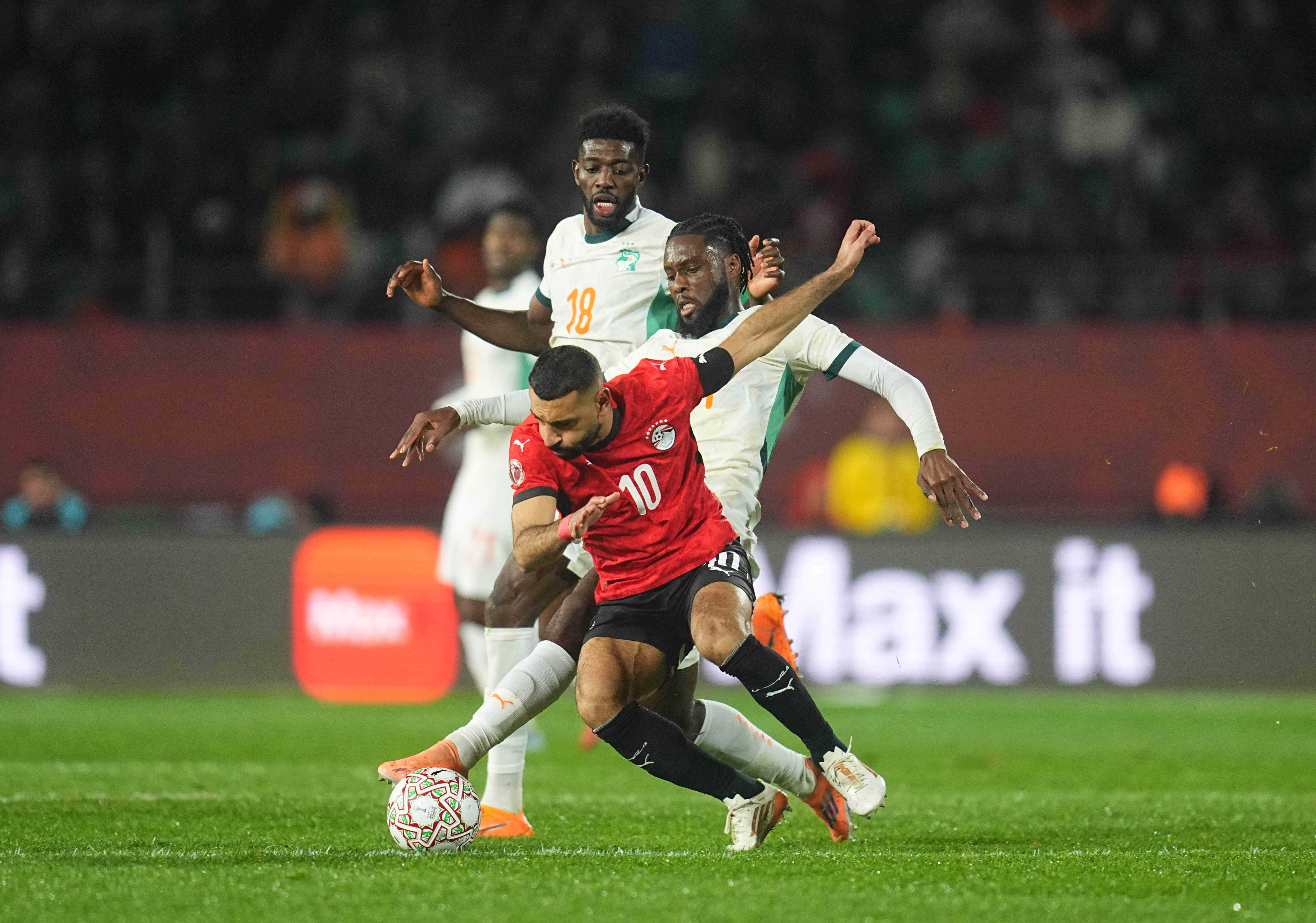
This will be the region’s most representative tournament, amid broad changes in its footballing landscape.

Issam Kayssi

In an interview, Marc Lynch discusses his new book decrying the post-1990 U.S.-dominated order in the Middle East.

Michael Young

Because perpetual conflict enhances control, offers economic benefits, and allows leaders to ignore popular preferences.

Angie Omar
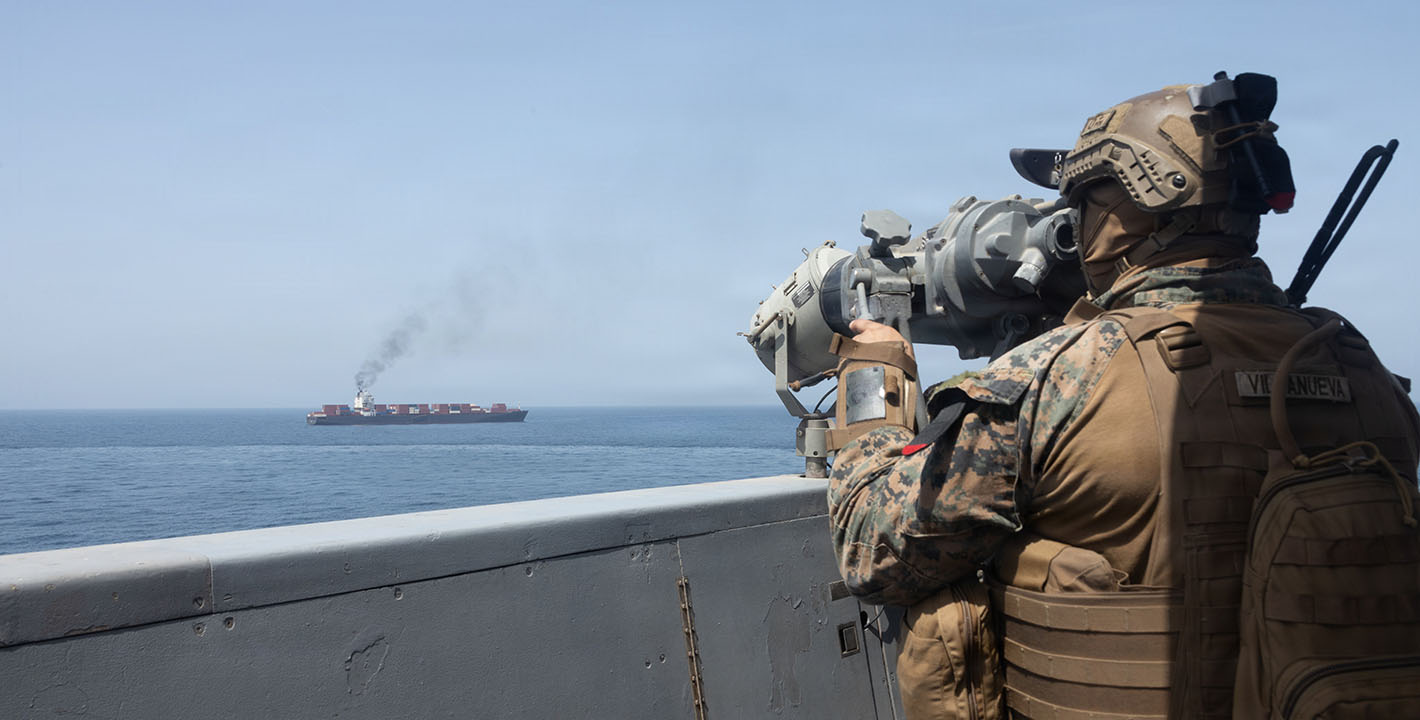
In an interview, Jim Lamson discusses the ongoing regional conflict and sees an unclear picture when it comes to winners and losers.
Michael Young
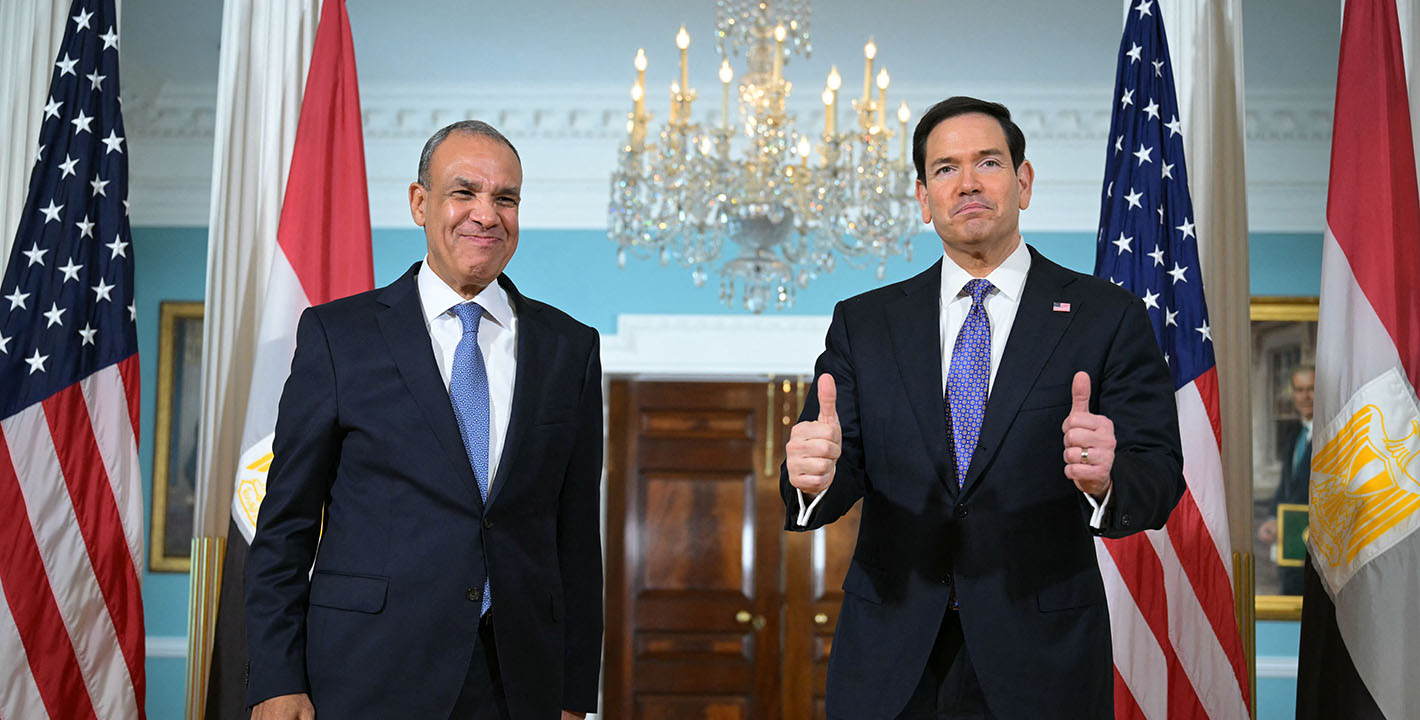
Cairo’s efforts send a message to the United States and the region that it still has a place at the diplomatic table.
Angie Omar