

Commentary
Sarah Chayes
{
  "authors": [
    "Sarah Chayes"
  ],
  "type": "legacyinthemedia",
  "centerAffiliationAll": "dc",
  "centers": [
    "Carnegie Endowment for International Peace"
  ],
  "collections": [
    "Arab Awakening",
    "Democracy and Governance"
  ],
  "englishNewsletterAll": "democracy",
  "nonEnglishNewsletterAll": "",
  "primaryCenter": "Carnegie Endowment for International Peace",
  "programAffiliation": "DCG",
  "programs": [
    "Democracy, Conflict, and Governance"
  ],
  "projects": [],
  "regions": [
    "North Africa",
    "Tunisia"
  ],
  "topics": [
    "Political Reform",
    "Democracy",
    "Civil Society"
  ]
}
Source: Getty
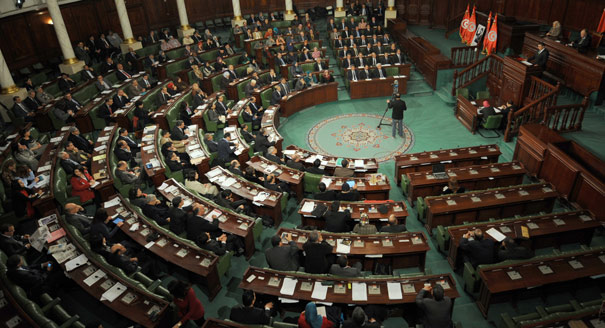
The selection of a coalition of labor union leaders, businesspeople, lawyers, and human rights activists for the 2015 Nobel Peace Prize raised attention and hopes for Tunisia’s transition process.
Source: WNYC Takeaway
The Norwegian Nobel Committee awarded the 2015 Nobel Peace Prize to a coalition of labor union leaders, businesspeople, lawyers, and human rights activists in recognition of their efforts to negotiate a peaceful end to the political crisis in Tunisia in 2013-14. Speaking on WNYC Takeaway with John Hockenberry, Carnegie’s Sarah Chayes explained who these groups were, how they achieved this breakthrough, and why the regional and local political context of the Arab Spring was key to the process. She pointed out that Tunisia’s political leaders after the Arab Spring had little experience in negotiation and revealed how the labor and business leaders taught the political leaders to resolve their differences peacefully. In addition, the government crackdown on Islamists in Egypt following the fall of President Morsi in Egypt as well as a number of assassinations of leftist political leaders in Tunisia spurred the resolution of the crisis, Chayes explained.
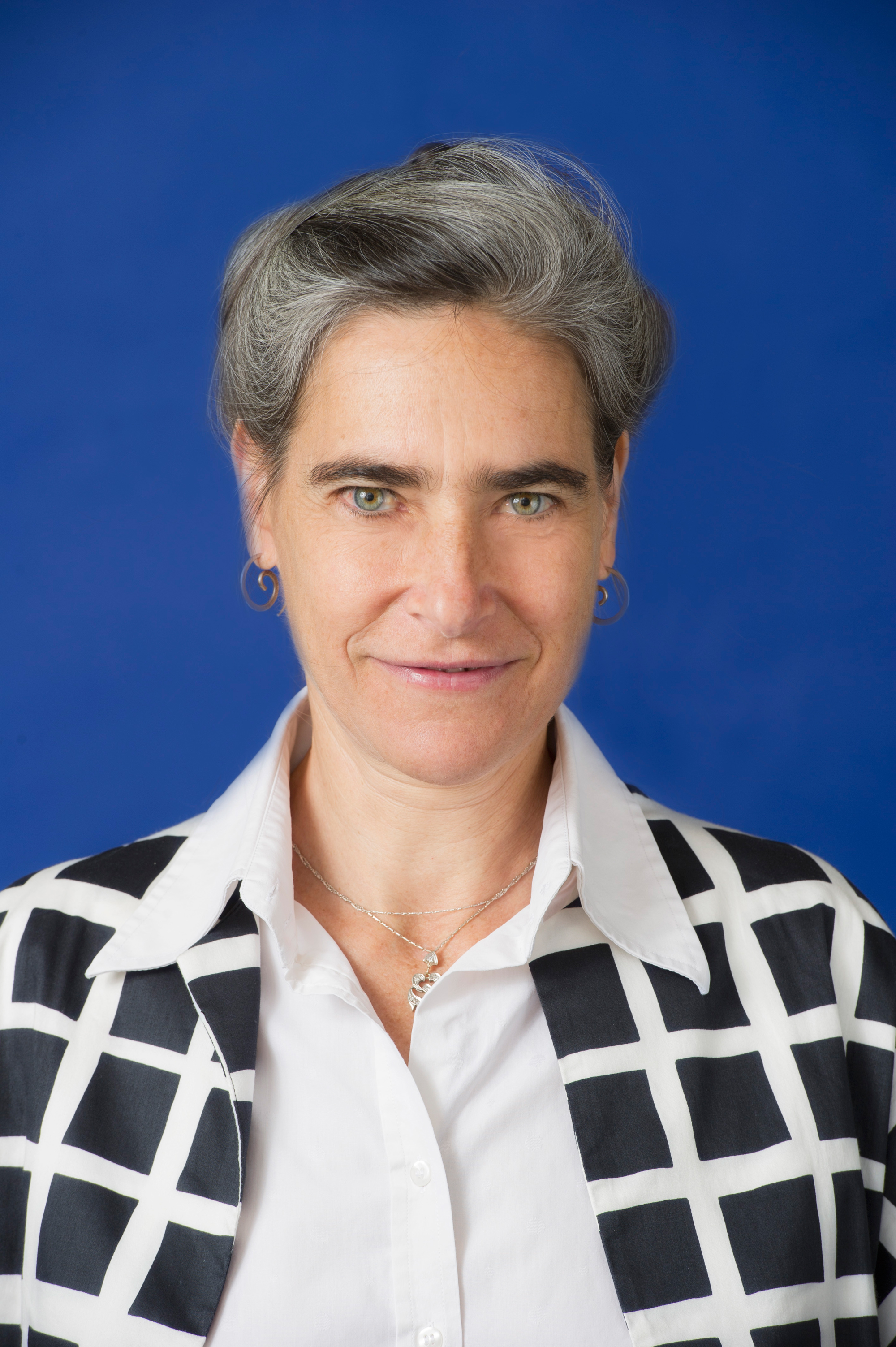
Former Senior Fellow, Democracy, Conflict, and Governance Program
Sarah Chayes is internationally recognized for her innovative thinking on corruption and its implications. Her work explores how severe corruption can help prompt such crises as terrorism, revolutions and their violent aftermaths, and environmental degradation.
Recent Work
Sarah Chayes
Carnegie does not take institutional positions on public policy issues; the views represented herein are those of the author(s) and do not necessarily reflect the views of Carnegie, its staff, or its trustees.
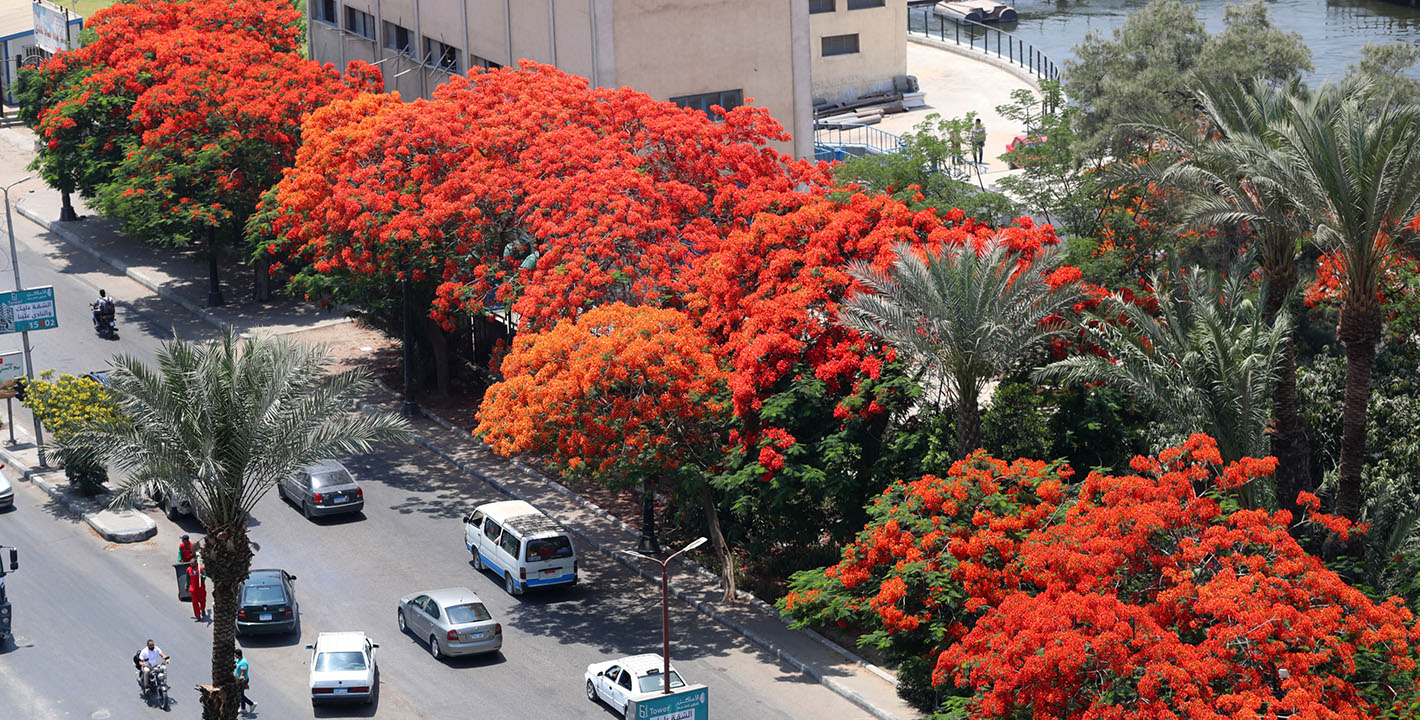
In Egypt’s dense cities, the disappearance of foliage has health implications and punishes daily commuters.

Angie Omar

The armed forces champion a form of capitalism that is generating revenue, but its reliance on rent faces diminishing returns, leaving the country with massive sunk costs and deferred returns, deepening dependency on external borrowing.

Yezid Sayigh

This will be the region’s most representative tournament, amid broad changes in its footballing landscape.

Issam Kayssi
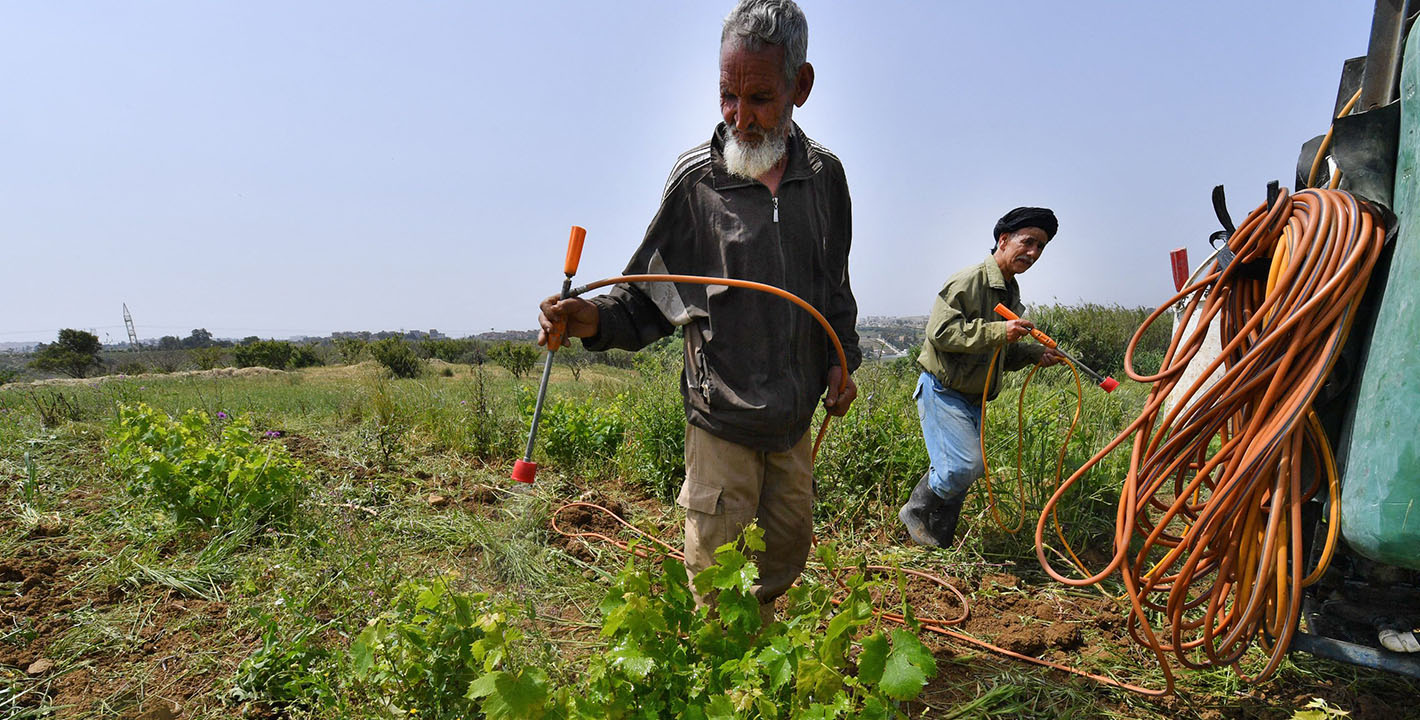
Understanding how farmers in the Oued Sahel-Soummam Valley grapple with climate change is essential for addressing the paradoxes through which adaptation, operating at both individual and institutional levels, deepens the region’s vulnerability and erodes the social fabric and agrarian identity that once defined life.
Ilyssa Yahmi
Unless the European Union-led energy transition provides economic development to Algeria, Morocco, and Tunisia, the process may be perceived as a new form of extraction.

Yasmine Zarhloule