

Commentary
Nathan J. Brown
{
  "authors": [
    "Nathan J. Brown"
  ],
  "type": "legacyinthemedia",
  "centerAffiliationAll": "dc",
  "centers": [
    "Carnegie Endowment for International Peace",
    "Malcolm H. Kerr Carnegie Middle East Center"
  ],
  "collections": [
    "Arab Awakening"
  ],
  "englishNewsletterAll": "menaTransitions",
  "nonEnglishNewsletterAll": "",
  "primaryCenter": "Carnegie Endowment for International Peace",
  "programAffiliation": "MEP",
  "programs": [
    "Middle East"
  ],
  "projects": [],
  "regions": [
    "North Africa",
    "Egypt"
  ],
  "topics": [
    "Political Reform",
    "Democracy"
  ]
}
Source: Getty
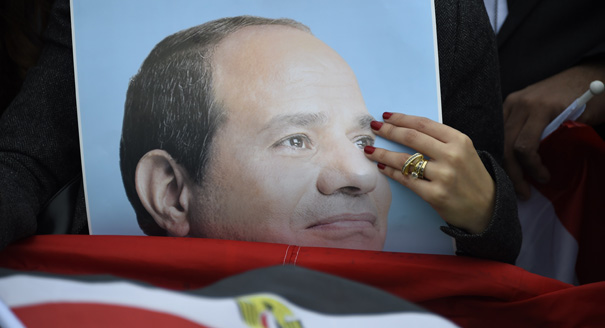
In Egypt today, the newly-elected parliament is likely to provide some space for debates and posturing but unlikely to do much to correct the performance of government.
Source: BBC
Judging from the number of times they have been summoned to the polls in recent years, Egyptians would seem to have an enthusiastically democratic system.
Judging from the comments of most analysts, Egyptians have returned to an authoritarian past in which a parliament exists simply to give a participatory veneer to a profoundly authoritarian presidential system.
The results of Egypt's just-concluded parliamentary elections suggests the cynics have the weight of the evidence on their side.
True, opposition parties have been banned, manipulated, or marginalised. Those with deep pockets and support from key state actors (such as the security services) will populate much of the body.
But the result is not a simple return to the past. There are reasons to believe Egypt's parliamentary life will be a bit more bumpy than the past for three reasons.
This will make the parliament a headache for the president. It will not be an Achilles heel, however, since steps are being taken to forestall an overly oppositional body.
Indeed, the electoral system looks to have been designed to produce a body that if unruly is ultimately loyal.
Key state bodies (the military, security forces, religious establishment and judiciary) have considerable constitutional and legal insulation from the parliament.
The head of the loose coalition of loyal parties is a security official; a major general from the army was slotted to serve as secretary-general of the parliament, responsible for overseeing parliamentary staff and operations, until he was forced to resign this week for lacking the requisite qualifications.
And if all else fails, the constitution can be amended to strengthen the president - an idea that has been floated (even by President Sisi himself) in recent weeks.
Egypt's past presidents have generally ruled by controlling politics.
Mr Sisi, by contrast, seems to wish to rule without it - to have state bodies do what they are supposed to do and for citizens to do what they are told.
The parliament, therefore, has been an afterthought. And it will behave like one.
In Egypt today, as the new regime's economic, security, and administrative performance produce increasing grumbling, the parliament is likely to provide some space for debates and posturing but unlikely to do much to correct performance.

Nonresident Senior Fellow, Middle East Program
Nathan J. Brown, a professor of political science and international affairs at George Washington University, is a distinguished scholar and author of nine books on Arab politics and governance, as well as editor of five books.
Recent Work
Nathan J. Brown
Nathan J. Brown
Carnegie does not take institutional positions on public policy issues; the views represented herein are those of the author(s) and do not necessarily reflect the views of Carnegie, its staff, or its trustees.

The armed forces champion a form of capitalism that is generating revenue, but its reliance on rent faces diminishing returns, leaving the country with massive sunk costs and deferred returns, deepening dependency on external borrowing.

Yezid Sayigh
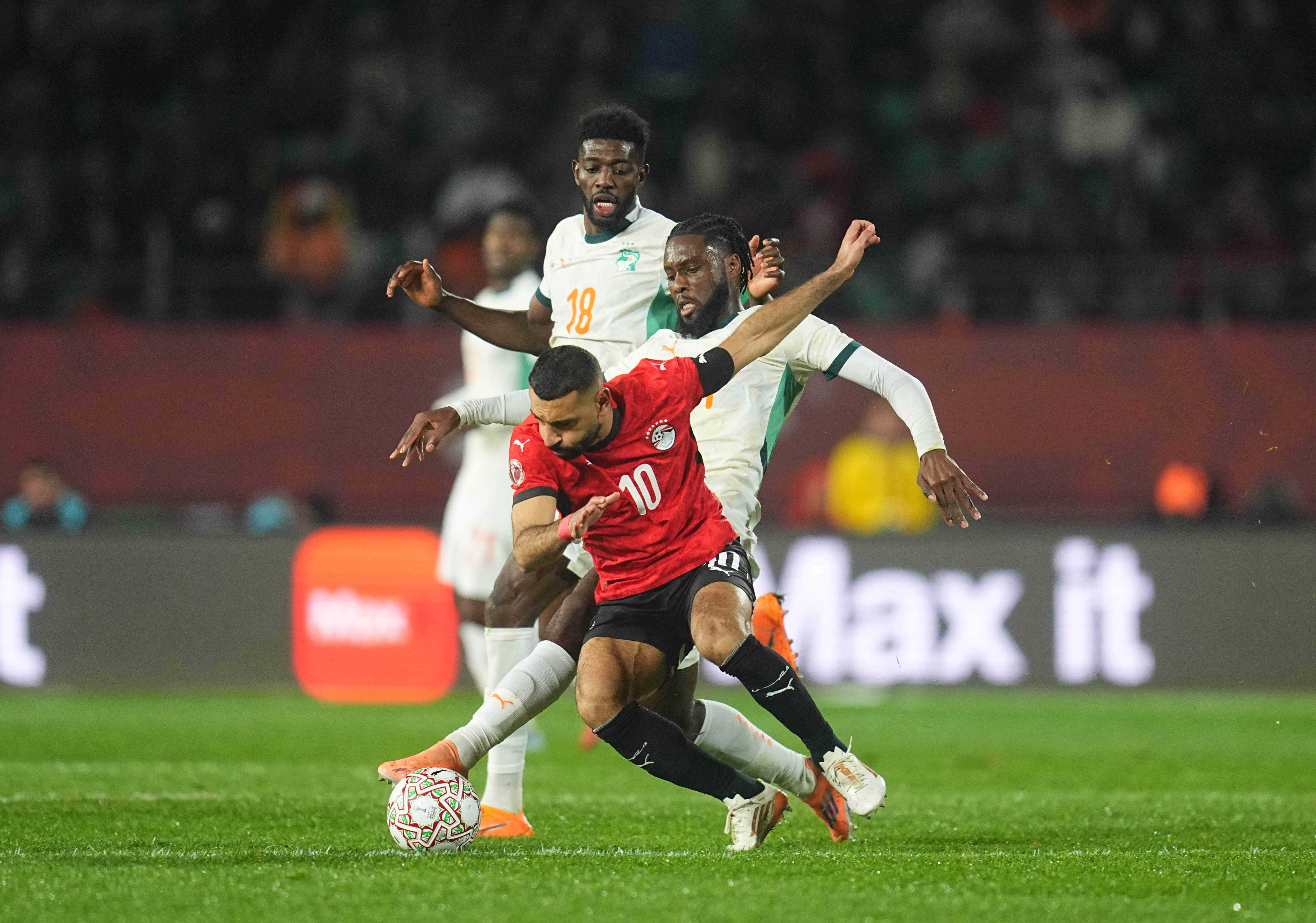
This will be the region’s most representative tournament, amid broad changes in its footballing landscape.

Issam Kayssi
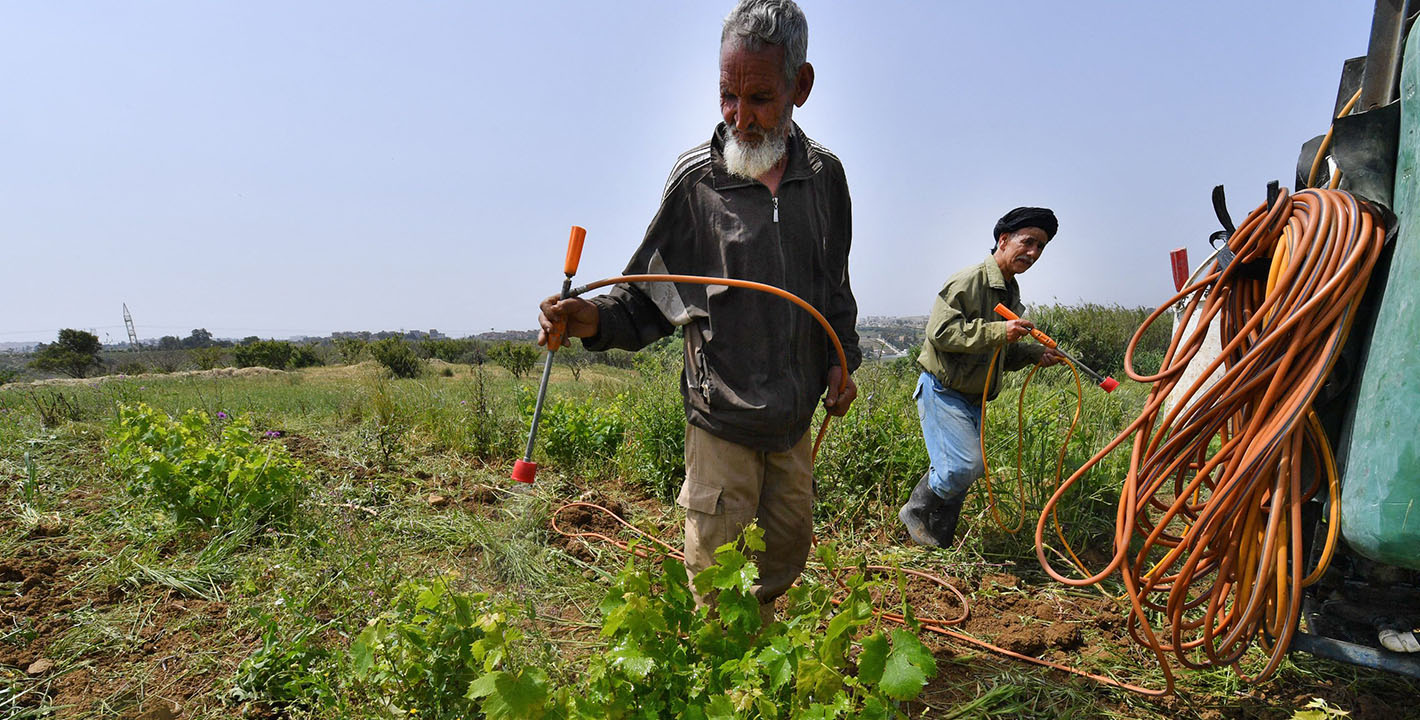
Understanding how farmers in the Oued Sahel-Soummam Valley grapple with climate change is essential for addressing the paradoxes through which adaptation, operating at both individual and institutional levels, deepens the region’s vulnerability and erodes the social fabric and agrarian identity that once defined life.

Ilyssa Yahmi

The recent African Cup of Nations tournament in Morocco touched on issues that largely transcended the sport.

Issam Kayssi, Yasmine Zarhloule
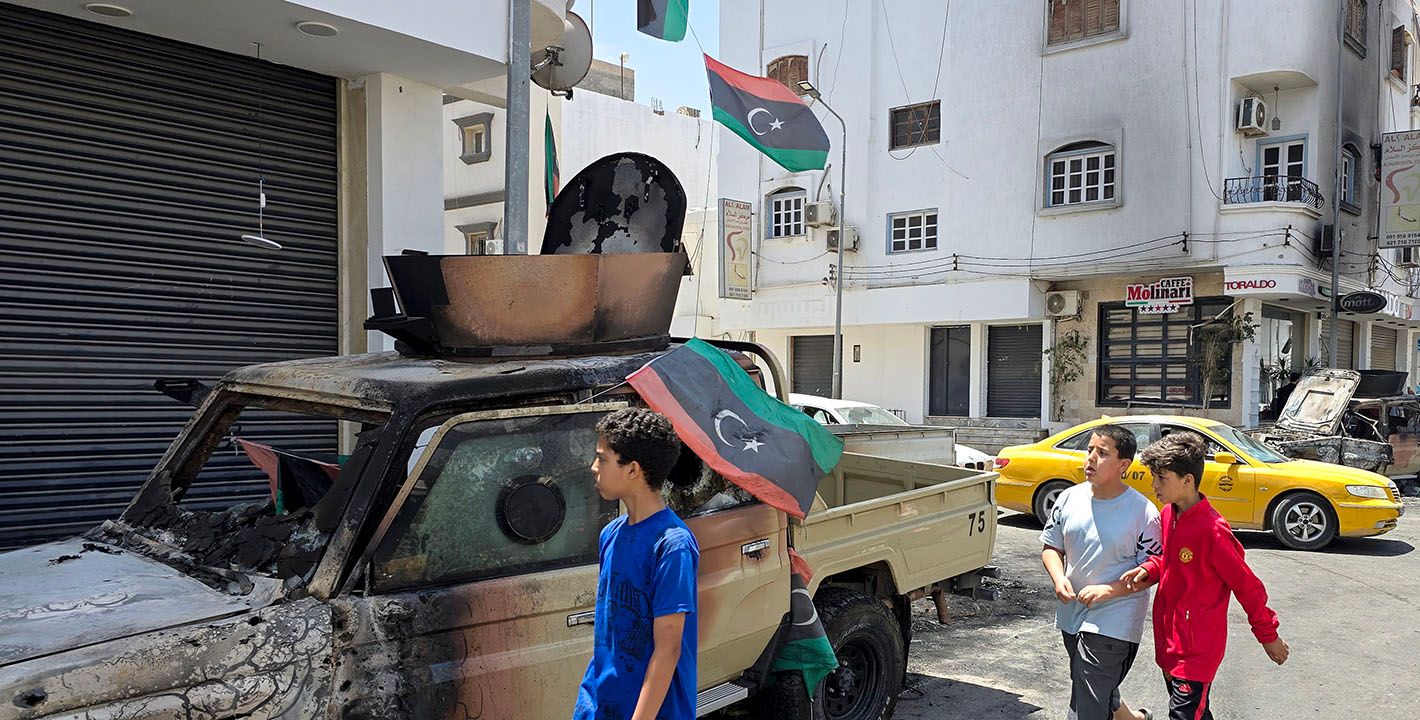
The UN Support Mission in the country should reassess its approach so that consensus between the warring parties becomes the eventual goal, rather than a procedural matter that dogs the negotiating process at every turn.
Soraya Rahem