

Commentary
Unless Beirut lowers expectations, any setbacks will end up bolstering Hezbollah’s narrative.
Mohanad Hage Ali
{
  "authors": [
    "Marc Lynch",
    "Sean Yom"
  ],
  "type": "legacyinthemedia",
  "centerAffiliationAll": "dc",
  "centers": [
    "Carnegie Endowment for International Peace",
    "Malcolm H. Kerr Carnegie Middle East Center"
  ],
  "collections": [
    "Arab Awakening"
  ],
  "englishNewsletterAll": "menaTransitions",
  "nonEnglishNewsletterAll": "",
  "primaryCenter": "Carnegie Endowment for International Peace",
  "programAffiliation": "MEP",
  "programs": [
    "Middle East"
  ],
  "projects": [],
  "regions": [
    "Middle East",
    "North Africa",
    "Egypt",
    "Gulf",
    "Levant"
  ],
  "topics": [
    "Political Reform",
    "Economy",
    "Foreign Policy",
    "Civil Society"
  ]
}
Source: Getty
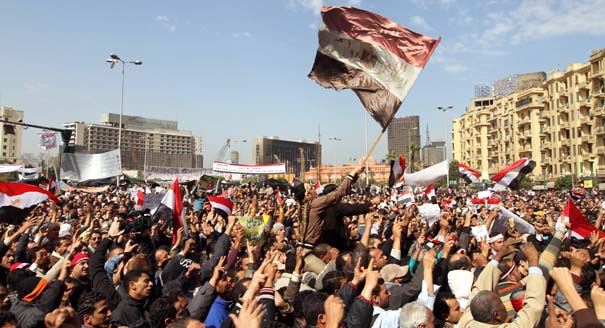
International actors in the Middle East have widespread effects on the political and economic development of the region.
Source: Project on Middle East Political Science
Speaking with Carnegie’s Marc Lynch, Temple University’s Sean Yom discusses the post-colonial political and economic development of Middle Eastern states and the role of international actors in the region.
This podcast originally aired at the Project on Middle East Political Science.
Former Nonresident Senior Fellow, Middle East Program
Marc Lynch was a nonresident senior fellow in Carnegie’s Middle East Program where his work focuses on the politics of the Arab world.
Sean Yom
Carnegie does not take institutional positions on public policy issues; the views represented herein are those of the author(s) and do not necessarily reflect the views of Carnegie, its staff, or its trustees.
Unless Beirut lowers expectations, any setbacks will end up bolstering Hezbollah’s narrative.

Mohanad Hage Ali
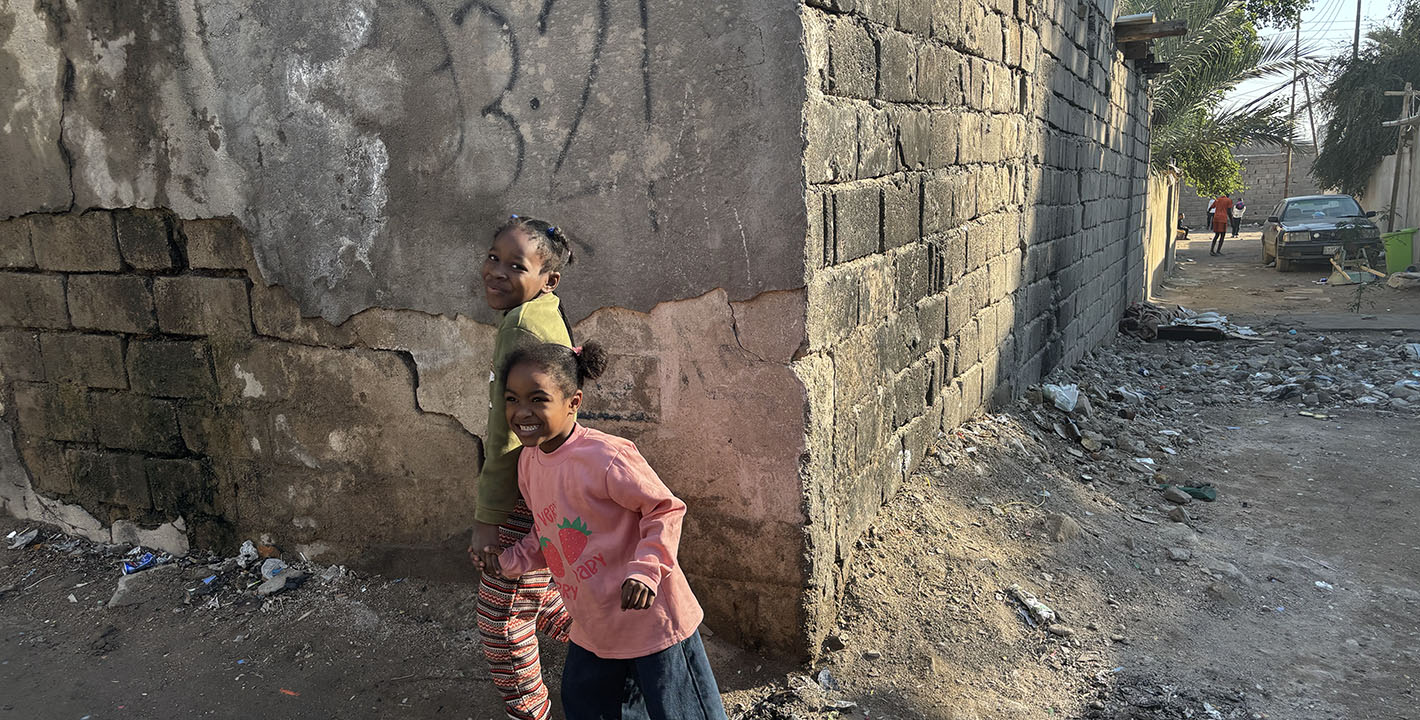
Afro-Iraqis experience political, economic, and social marginalization and discrimination, which exposes the poorest members of the community to the harsh realities of the region’s climate disaster.
Zeinab Shuker
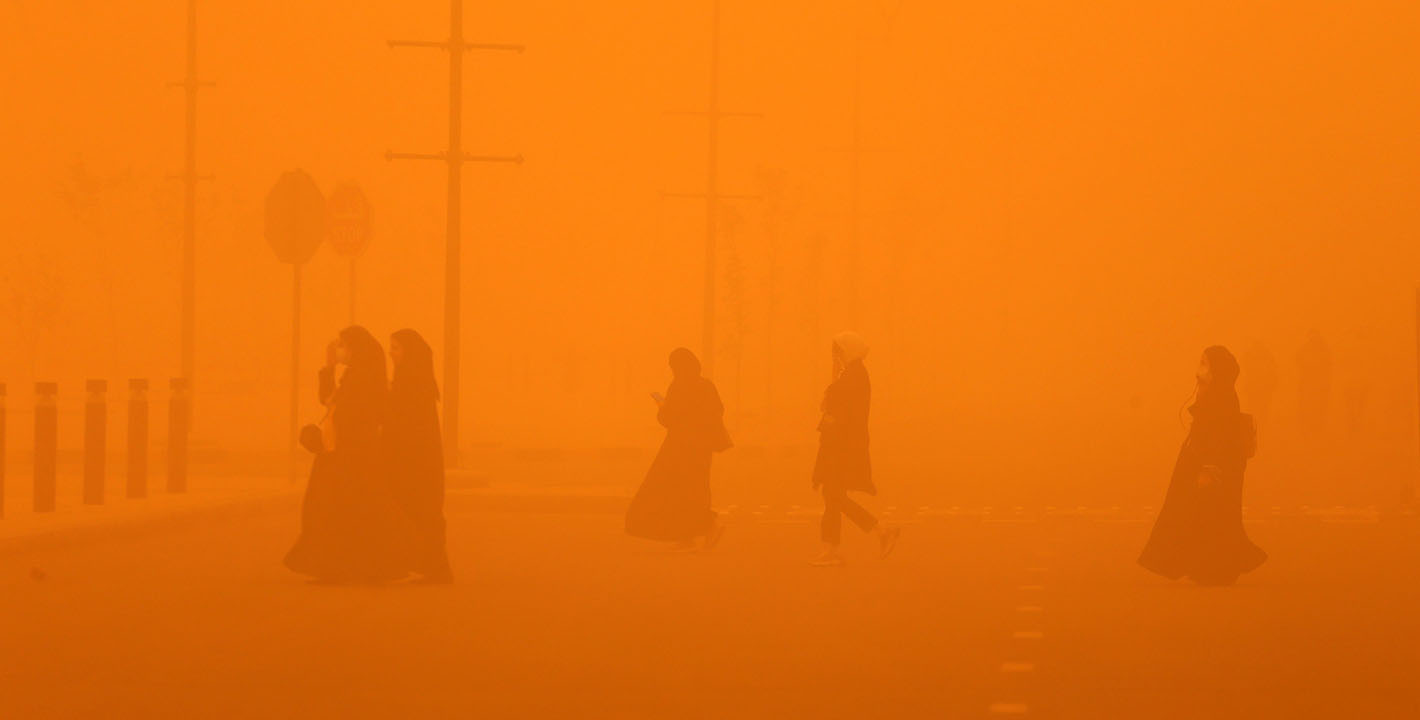
Mitigating the repercussions of climate change in Kuwait is crucial for lessening economic disparities and achieving social justice.
Courtney Freer
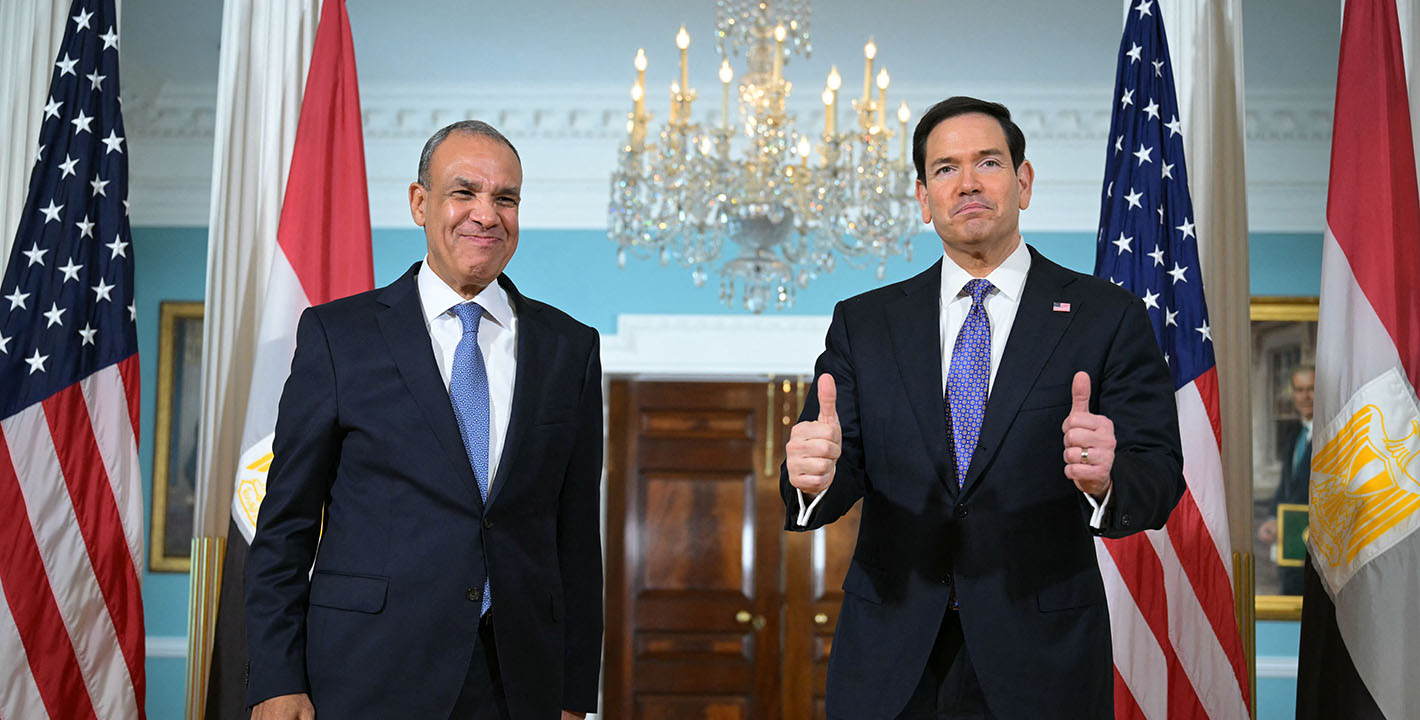
Cairo’s efforts send a message to the United States and the region that it still has a place at the diplomatic table.

Angie Omar
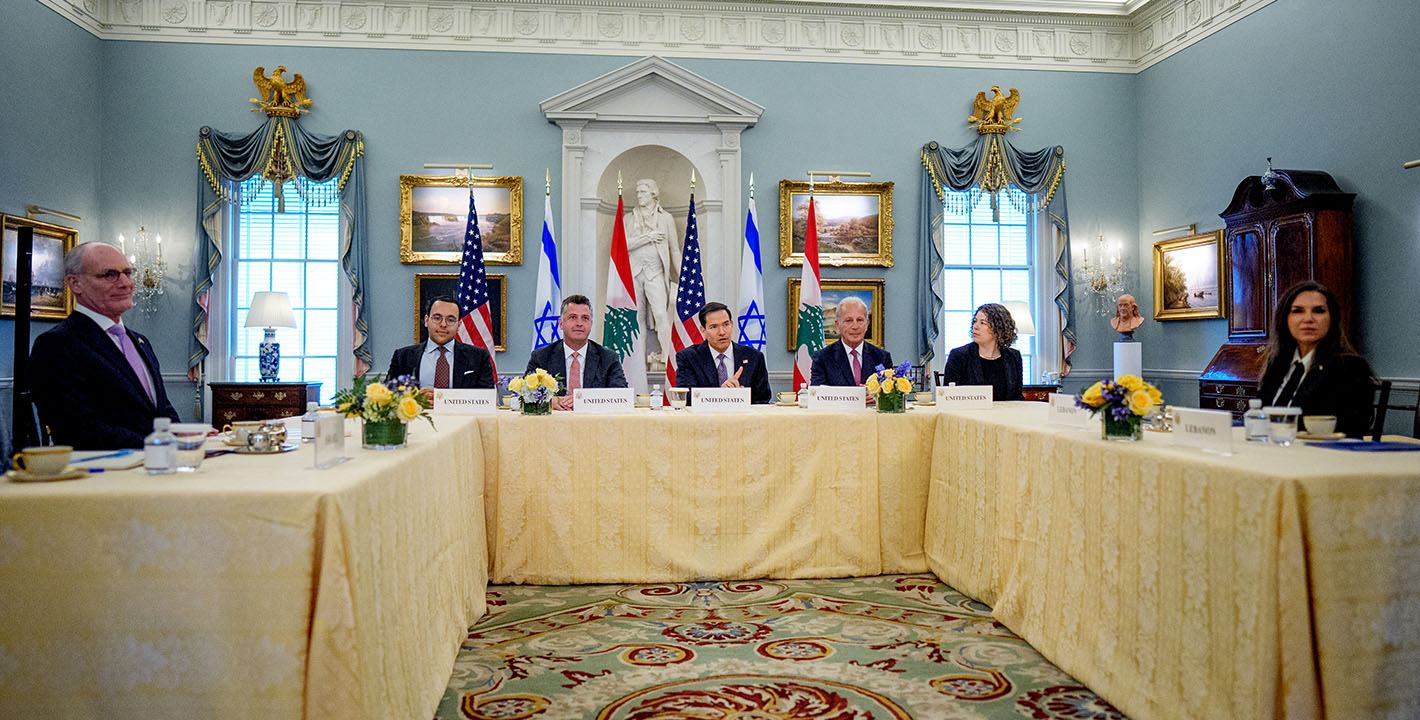
Beirut’s desire to break free from Iranian hegemony may push it into a situation where it has to accept Israel’s hegemony.

Michael Young