

Commentary
Middle Eastern states should welcome an accelerated U.S. disengagement from their region.
Michael Young
{
  "authors": [
    "Tim Maurer",
    "Jason Healey"
  ],
  "type": "other",
  "centerAffiliationAll": "dc",
  "centers": [
    "Carnegie Endowment for International Peace"
  ],
  "collections": [
    "Cyber and Digital Policy"
  ],
  "englishNewsletterAll": "ctw",
  "nonEnglishNewsletterAll": "",
  "primaryCenter": "Carnegie Endowment for International Peace",
  "programAffiliation": "TIA",
  "programs": [
    "Technology and International Affairs"
  ],
  "projects": [
    "International Cybersecurity Norms"
  ],
  "regions": [
    "Iran"
  ],
  "topics": [
    "Security",
    "Foreign Policy",
    "Technology"
  ]
}
Source: Getty
Even though the progress on cybernorms over 2015 was sudden, that success had in fact been built on the years of hard work by diplomats, cyberexperts, and many others.
Source: Global Digital Futures Policy Forum 2016
Only a few year s ago, there were almost no norms globally accepted by governments on cybersecurity or cyber conflict. Even the United States, which had long pushed such norms, had publicly announced very few. The United States and a few other allies confirmed that laws of armed conflict (otherwise known as International Humanitarian Law or the “Geneva Convention”) applied to cyberspace.
This has changed with tremendous progress recently, so much so that 2015 could be called was the Year of Global Cyber Norms....
This paper is part of the 2016 Global Digital Futures Policy Forum.

Former Senior Fellow, Technology and International Affairs Program
Dr. Tim Maurer was a senior fellow in Carnegie’s Technology and International Affairs program.
Jason Healey
Carnegie does not take institutional positions on public policy issues; the views represented herein are those of the author(s) and do not necessarily reflect the views of Carnegie, its staff, or its trustees.

Middle Eastern states should welcome an accelerated U.S. disengagement from their region.

Michael Young

In an interview, former ambassador Charles Freeman assesses the Trump administration’s war against Iran.
Michael Young

By failing to address Palestinian representation, the current process is bound to lead to just another temporary arrangement.

Nathan J. Brown

Morocco and Algeria, each in its own way, are having to navigate the global economic fallout of the U.S.-Israeli military campaign against Iran.

Yasmine Zarhloule
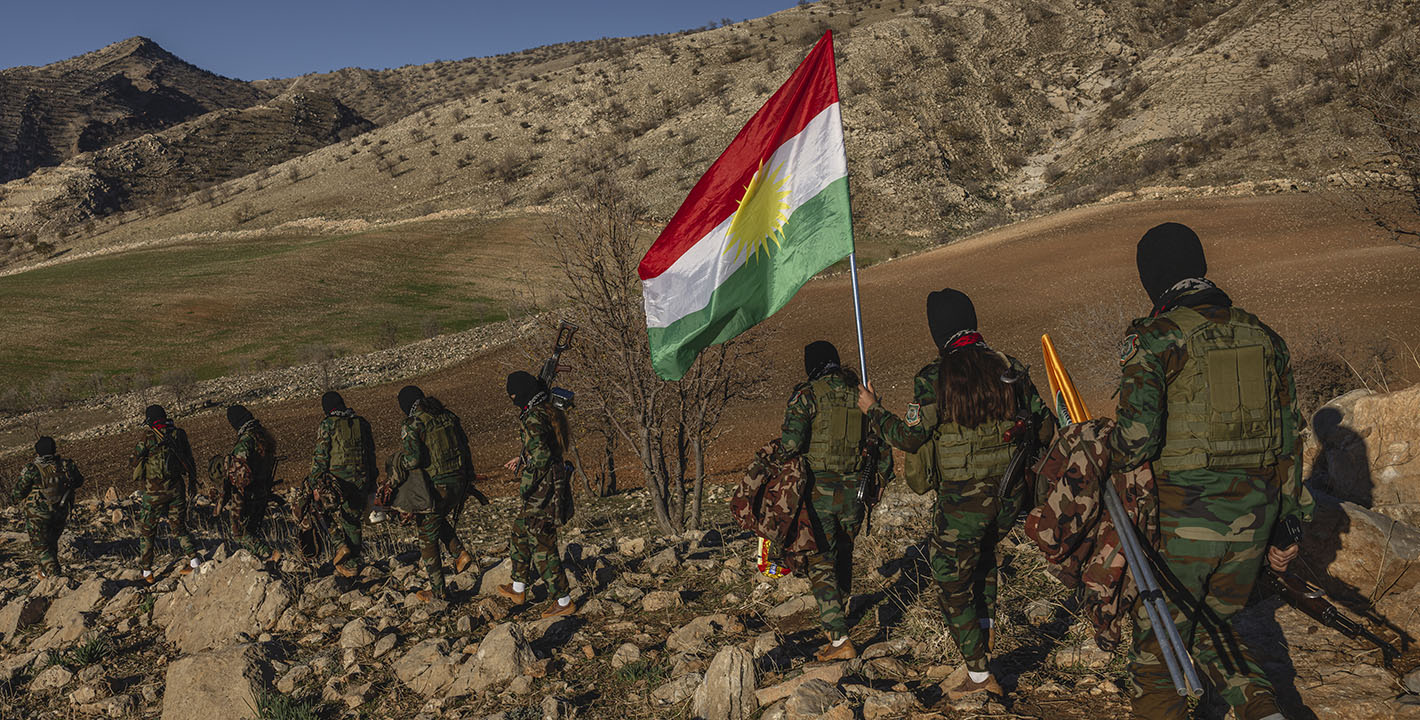
Following its deal with the United States, Iran may act against Iraq-based dissidents.
Wladimir van Wilgenburg