

In The Media
Jessica Tuchman Mathews
{
  "authors": [
    "Jessica Tuchman Mathews"
  ],
  "type": "legacyinthemedia",
  "centerAffiliationAll": "",
  "centers": [
    "Carnegie Endowment for International Peace"
  ],
  "collections": [],
  "englishNewsletterAll": "",
  "nonEnglishNewsletterAll": "",
  "primaryCenter": "Carnegie Endowment for International Peace",
  "programAffiliation": "",
  "programs": [],
  "projects": [],
  "regions": [
    "North America",
    "United States",
    "East Asia",
    "China",
    "Russia",
    "Eastern Europe",
    "Ukraine"
  ],
  "topics": [
    "Political Reform",
    "Foreign Policy"
  ]
}
Source: Getty
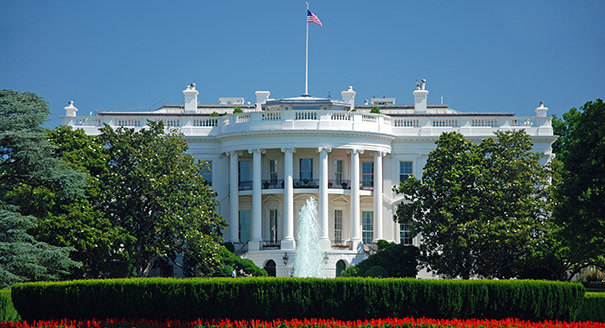
Foreign policy practitioners believe the next president will confront perhaps the most dangerous international environment and the broadest and most intimidating set of challenges to U.S. foreign policy since at least the end of the cold war, and arguably longer.
Source: New York Review of Books
Judging from the lack of attention to foreign policy in this campaign, one might conclude that few security challenges loom. Other than immigration policy (more a domestic than an international issue), trade, and, occasionally, the Iran nuclear deal, the rest of the world has been largely invisible.
Yet overwhelmingly, the Republican leaders most distraught by Donald Trump’s candidacy are foreign policy and international security experts. In March, 121 of them stated their “united…opposition” to someone “so utterly unfitted” to the job. A second group signed another such letter in August. Others, including former National Security Adviser Brent Scowcroft, former Treasury Secretary Henry Paulson, former Defense Secretary Robert Gates, and former chairwoman of the House Foreign Affairs Committee Ileana Ros-Lehtinen, have independently announced their opposition. On a list compiled by The New York Times of the 110 most senior Republican leaders who have said they won’t vote for Trump, no fewer than seventy are foreign policy experts. . . .
This article was originally published by the New York Review of Books.

Distinguished Fellow
Mathews is a distinguished fellow at the Carnegie Endowment for International Peace. She served as Carnegie’s president for 18 years.
Recent Work
Jessica Tuchman Mathews
Jessica Tuchman Mathews
Carnegie does not take institutional positions on public policy issues; the views represented herein are those of the author(s) and do not necessarily reflect the views of Carnegie, its staff, or its trustees.
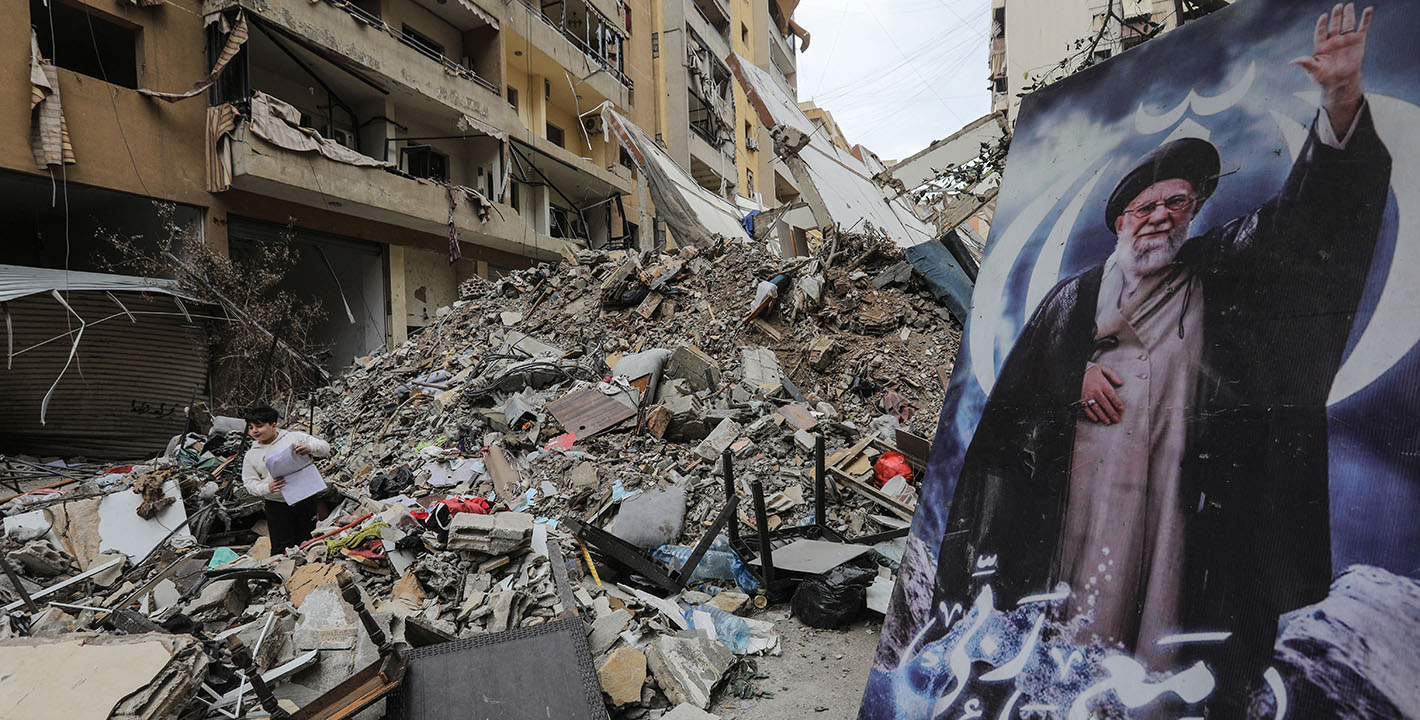
As talks begin between Washington and Tehran, Beirut has an opening to advance a regional plan for the party’s disarmament.

Michael Young
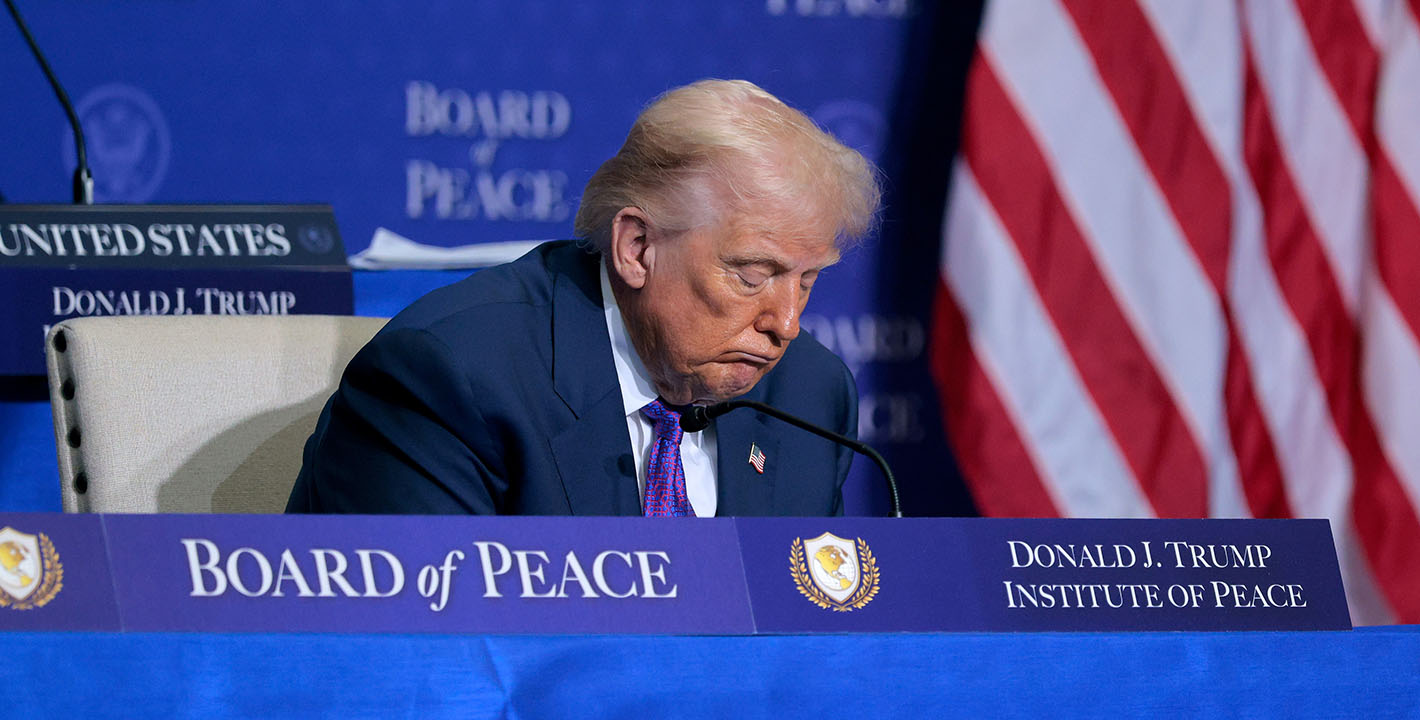
What is behind Marco Rubio’s announcement that the body is now an international nongovernmental organization?
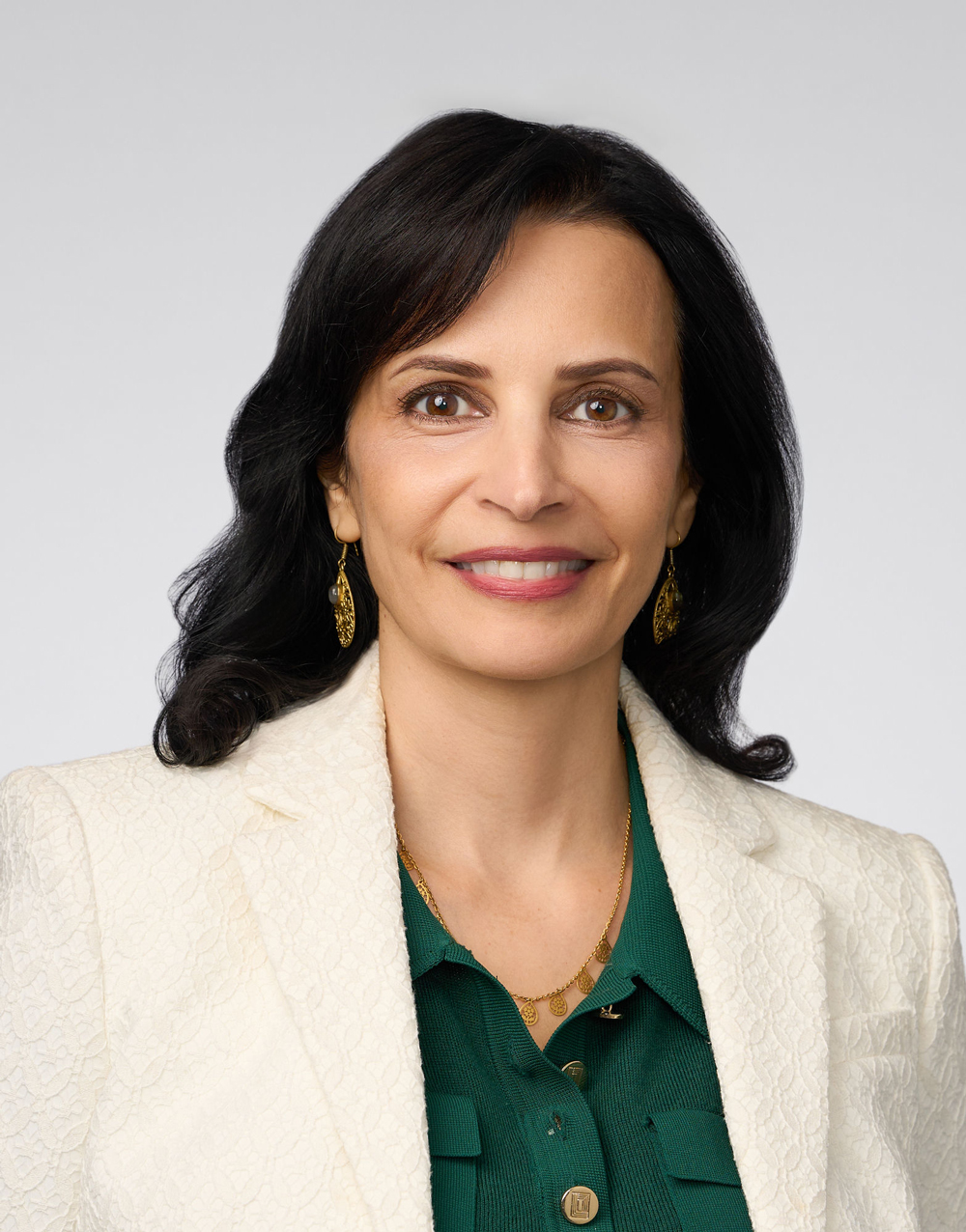
Zaha Hassan
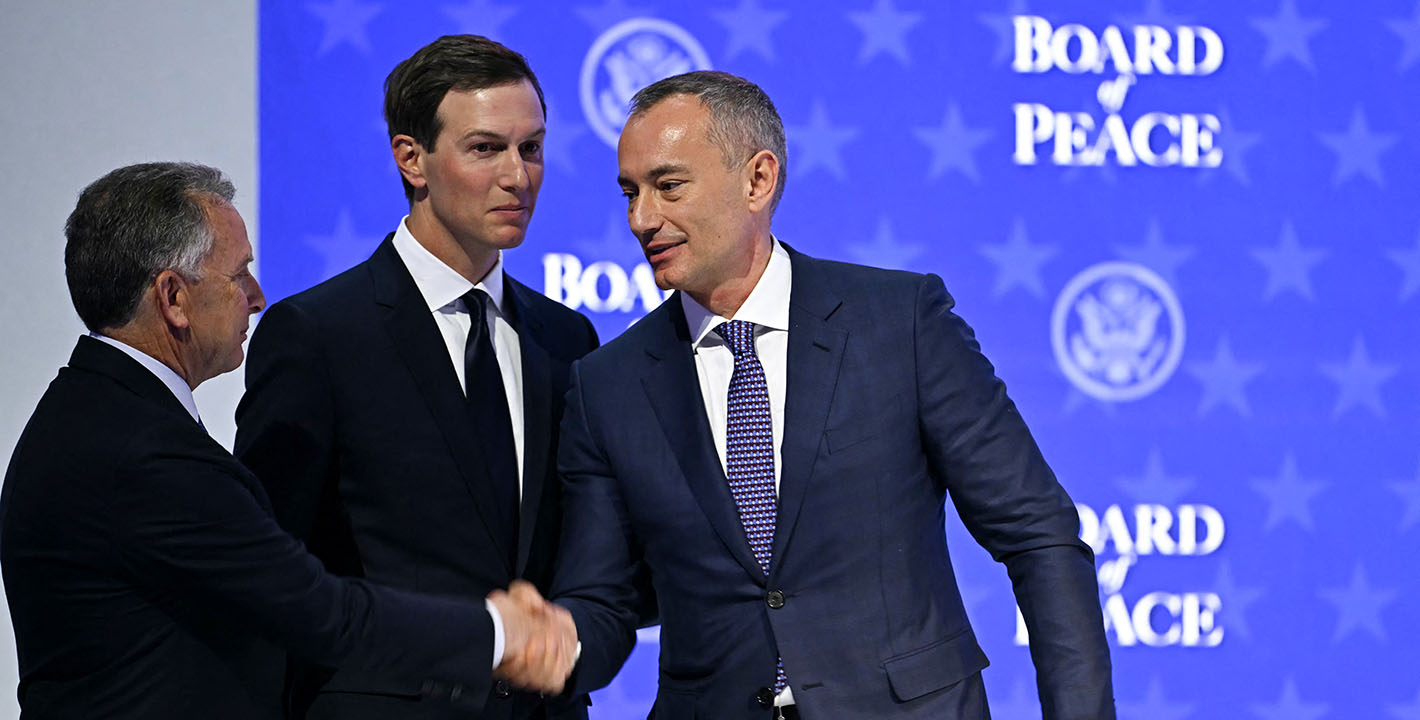
Policy discussion is ignoring that the Palestinian national project is hollowed out and apartheid is a present danger.

Nathan J. Brown
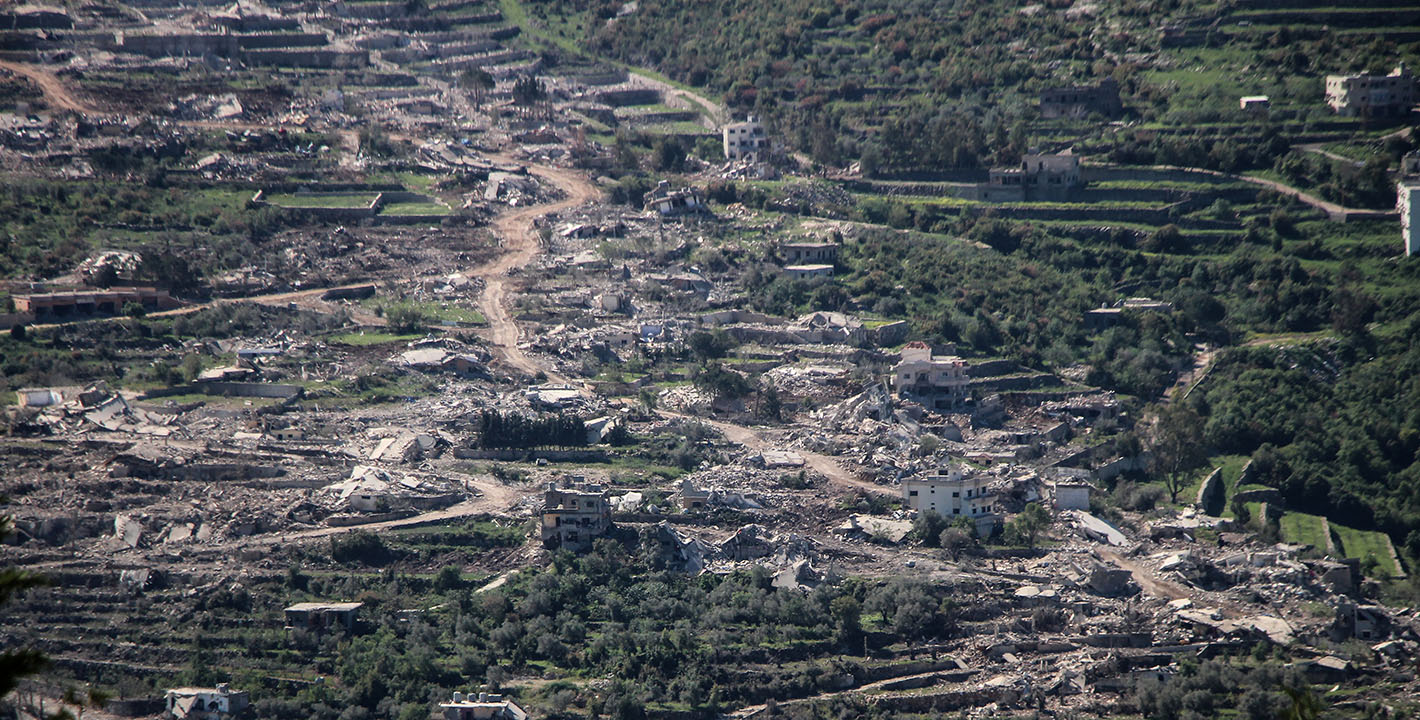
As negotiations with Iran and Lebanon continue, chaos is at the heart of the Netanyahu government’s calculations.
Michael Young
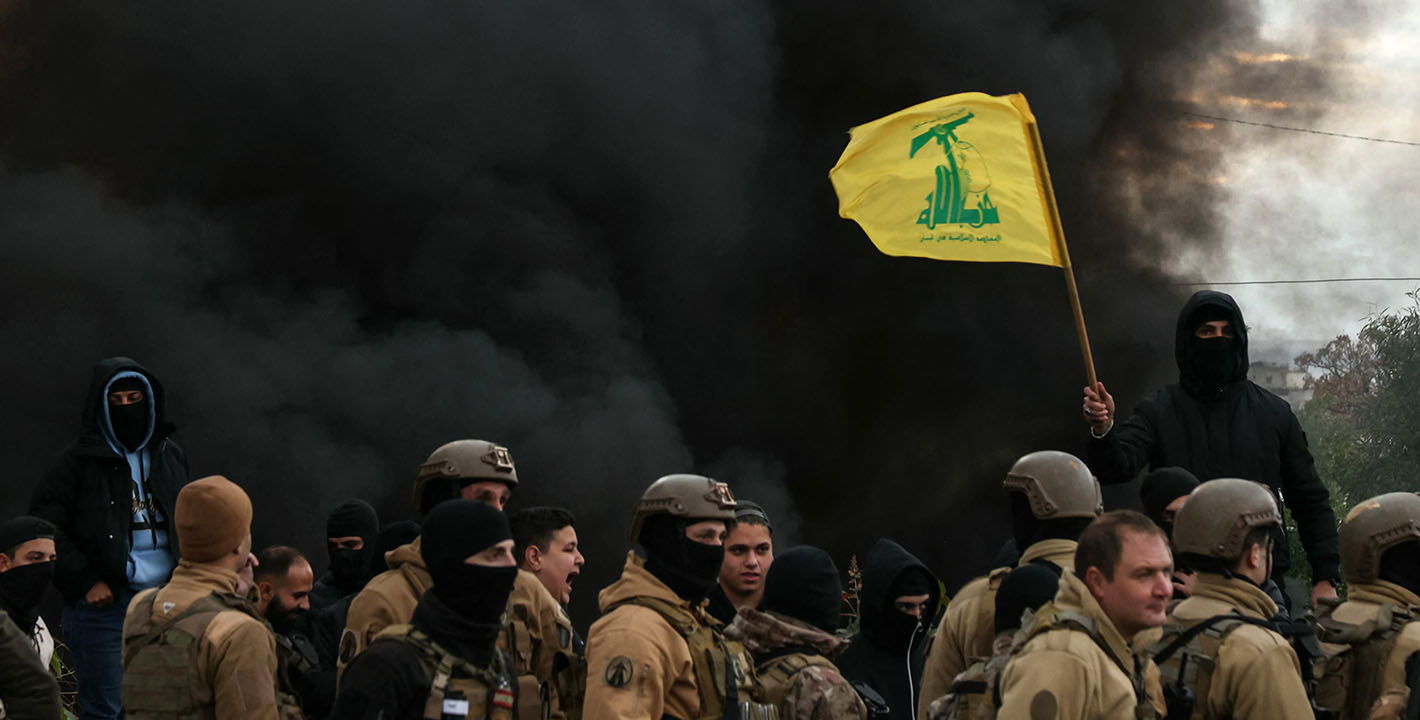
The party’s domestic and regional roles have changed, so Lebanon should devise a disarmament strategy that encompasses this.
Michael Young