

Commentary
In an interview, Marc Lynch discusses his new book decrying the post-1990 U.S.-dominated order in the Middle East.
Michael Young
{
  "authors": [
    "Constantino Xavier",
    "Vassilis Ntousas"
  ],
  "type": "other",
  "centerAffiliationAll": "dc",
  "centers": [
    "Carnegie Endowment for International Peace",
    "Carnegie Europe",
    "Carnegie India"
  ],
  "collections": [],
  "englishNewsletterAll": "ctw",
  "nonEnglishNewsletterAll": "",
  "primaryCenter": "Carnegie India",
  "programAffiliation": "SAP",
  "programs": [
    "South Asia",
    "Europe"
  ],
  "projects": [],
  "regions": [
    "South Asia",
    "India",
    "Western Europe",
    "Asia",
    "Iran"
  ],
  "topics": [
    "Foreign Policy"
  ]
}
Source: Getty
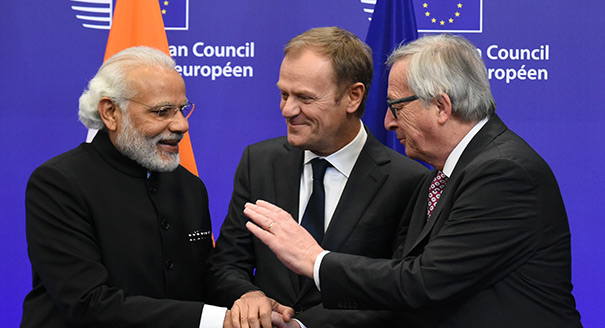
The European Union and India have developed a mature strategic partnership over the years, but the relationship now faces several challenges as Brussels begins to looks inwards and New Delhi to the United States and also eastwards.
Source: Foundation for European Progressive Studies
The European Union and India have developed a mature strategic partnership over the years, but the relationship now faces several challenges as Brussels begins to looks inwards and New Delhi to the United States and also eastwards. This paper argues that despite and also because of such challenges, this is the right moment for greater security engagement between the EU and India. The economic track is being revived, as negotiations continue towards a free trade agreement. Cultural and scientific exchanges have also flourished in recent years. It is now time to move the partnership into greater dialogue, coordination and cooperation in the security sphere.
This policy brief was originally published by the Foundation for European Progressive Studies.
Former Fellow, Carnegie India
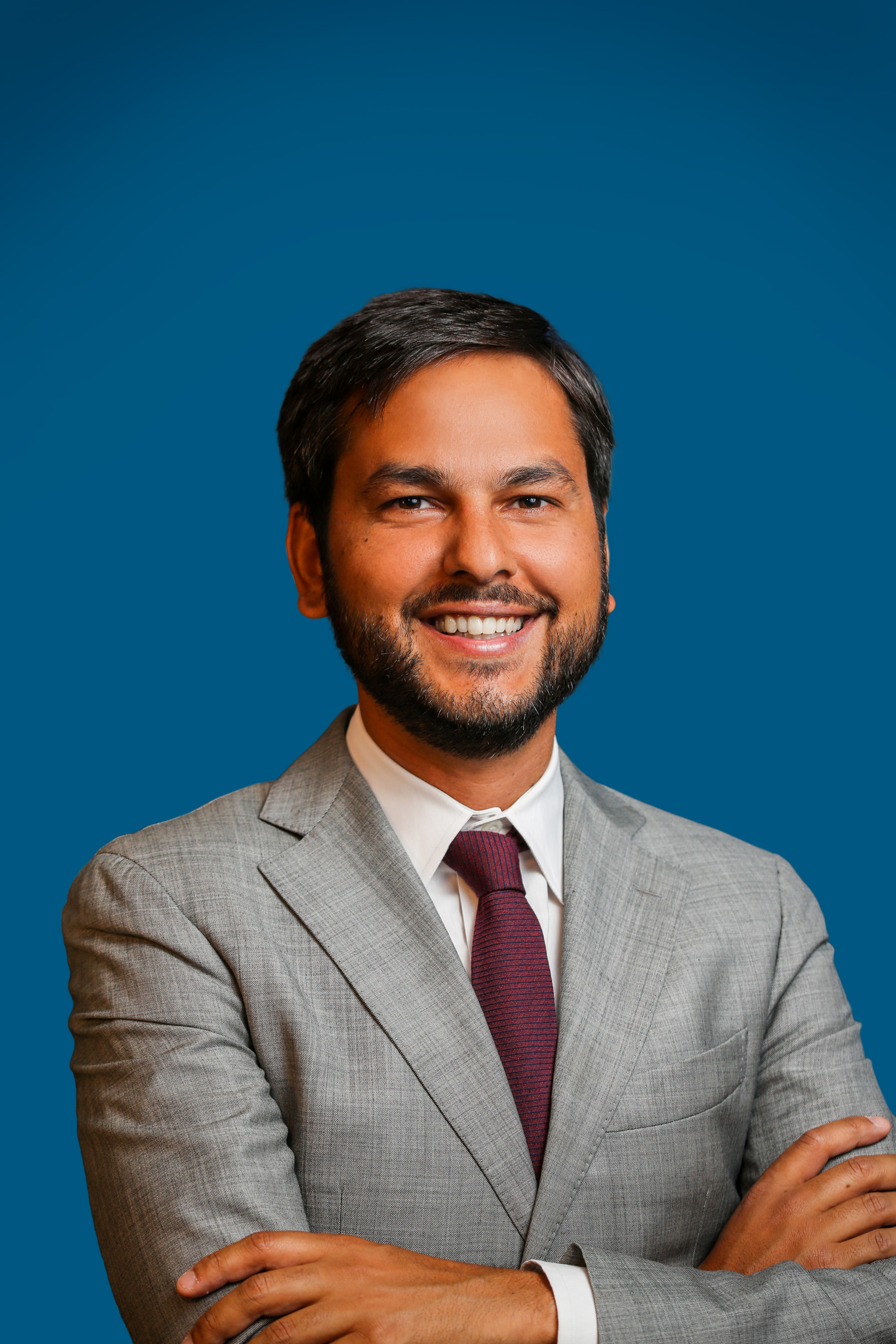
Constantino Xavier was a fellow at Carnegie India, based in New Delhi. His research focus is on India’s foreign policy, with emphasis on relations with its neighboring countries and South Asian regional security.
Vassilis Ntousas
International Relations Policy Advisor, FEPS
Carnegie does not take institutional positions on public policy issues; the views represented herein are those of the author(s) and do not necessarily reflect the views of Carnegie, its staff, or its trustees.
In an interview, Marc Lynch discusses his new book decrying the post-1990 U.S.-dominated order in the Middle East.

Michael Young
Because perpetual conflict enhances control, offers economic benefits, and allows leaders to ignore popular preferences.

Angie Omar
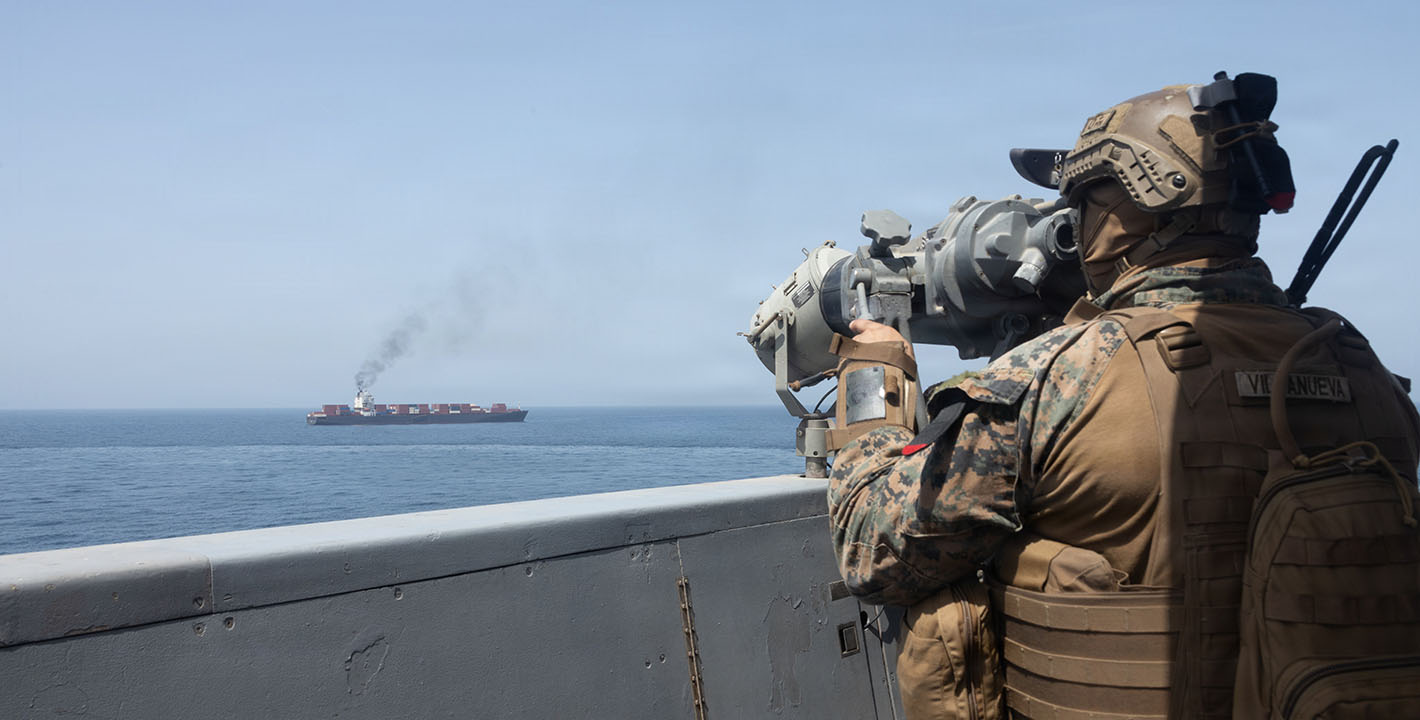
In an interview, Jim Lamson discusses the ongoing regional conflict and sees an unclear picture when it comes to winners and losers.
Michael Young
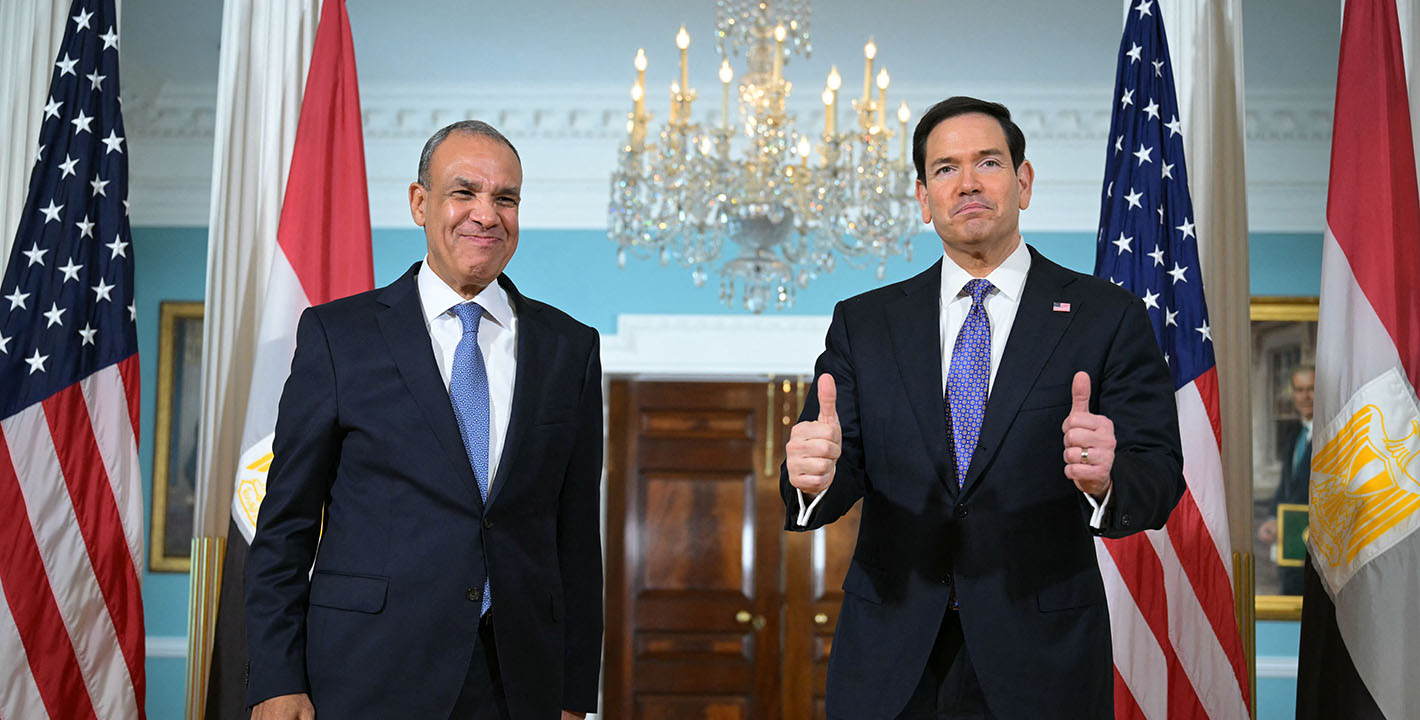
Cairo’s efforts send a message to the United States and the region that it still has a place at the diplomatic table.
Angie Omar
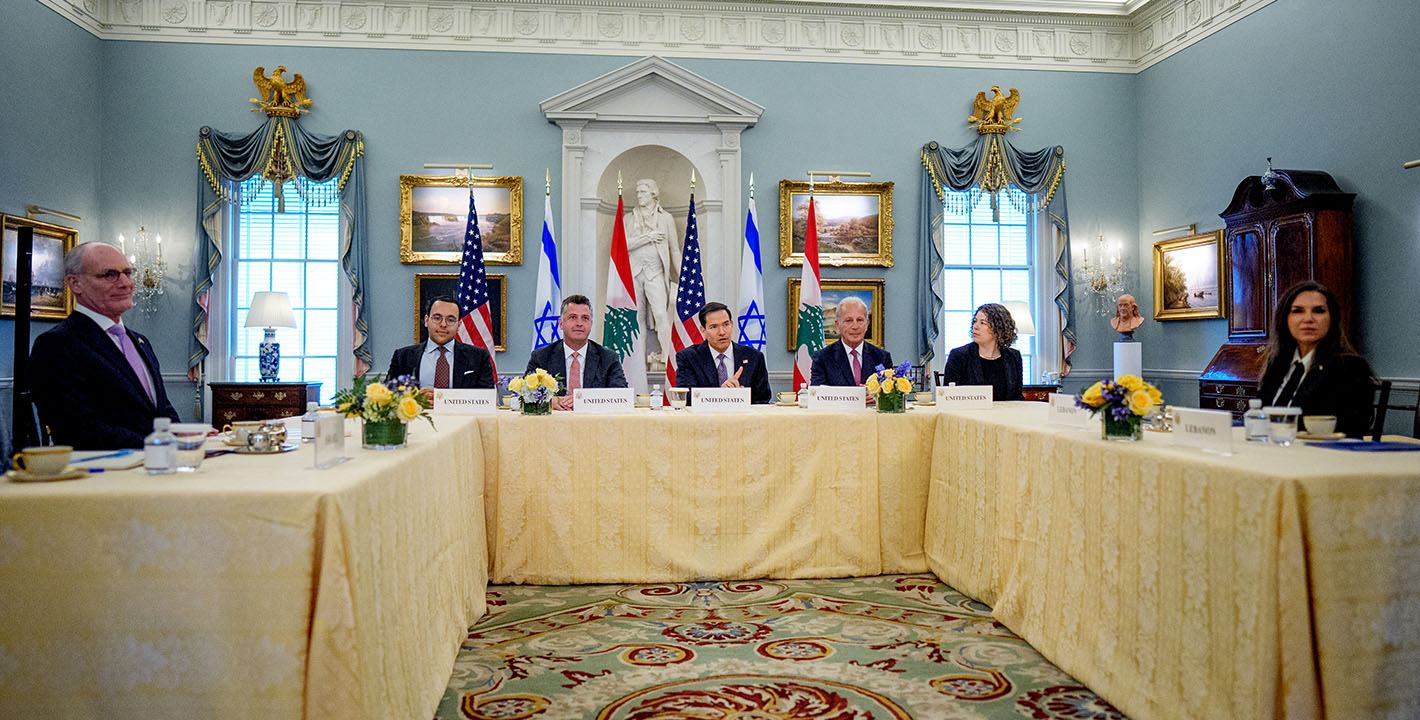
Beirut’s desire to break free from Iranian hegemony may push it into a situation where it has to accept Israel’s hegemony.
Michael Young