

Commentary
Chung Min Lee
{
  "authors": [
    "Chung Min Lee"
  ],
  "type": "other",
  "centerAffiliationAll": "dc",
  "centers": [
    "Carnegie Endowment for International Peace"
  ],
  "collections": [],
  "englishNewsletterAll": "asia",
  "nonEnglishNewsletterAll": "",
  "primaryCenter": "Carnegie Endowment for International Peace",
  "programAffiliation": "AP",
  "programs": [
    "Asia"
  ],
  "projects": [],
  "regions": [
    "East Asia"
  ],
  "topics": [
    "Political Reform",
    "Economy",
    "Security"
  ]
}
Source: Getty
Asia in the twenty-first century is going to be a key test bed of the commercial peace theory and whether the U.S.-China strategic rivalry will result in some type of a conflict.
Source: Pacific Review
This paper explores the probable causes and consequences of an Asian Paradox or the highly incongruous structure of Asia within the broader international system: at once the engine of global economic growth while at the same time, the repository of all of the world's outstanding security threats and challenges. Asia in the 21st century is going to be a key test bed of the commercial peace theory and whether the U.S.-China strategic rivalry will result in some type of a conflict. Attention is also paid to the potential consequences flowing from the end of Asia's Meiji era or when all of Asia's major powers and key middle powers have achieved or are well on their way of achieving what Japan accomplished by the late 1890s: a wealthy economy and a strong military. How an increasingly wealthy, technologically advanced, and a militarily sophisticated Asia decides to cope with numerous security dilemmas is Asia's new Long March including the extent to which the region's strategically consequential states are willing to preserve and to strengthen the prevailing liberal international order.
This article was originally published in the Pacific Review.
Senior Fellow, Asia Program
Chung Min Lee is a senior fellow in Carnegie’s Asia Program. He is an expert on Korean and Northeast Asian security, defense, intelligence, and crisis management.
Recent Work
Chung Min Lee
Carnegie does not take institutional positions on public policy issues; the views represented herein are those of the author(s) and do not necessarily reflect the views of Carnegie, its staff, or its trustees.

The armed forces champion a form of capitalism that is generating revenue, but its reliance on rent faces diminishing returns, leaving the country with massive sunk costs and deferred returns, deepening dependency on external borrowing.

Yezid Sayigh

Just look at Iraq in 1991.

Marwan Muasher

Baku may allow radical nationalists to publicly discuss “reunification” with Azeri Iranians, but the president and key officials prefer not to comment publicly on the protests in Iran.

Bashir Kitachaev
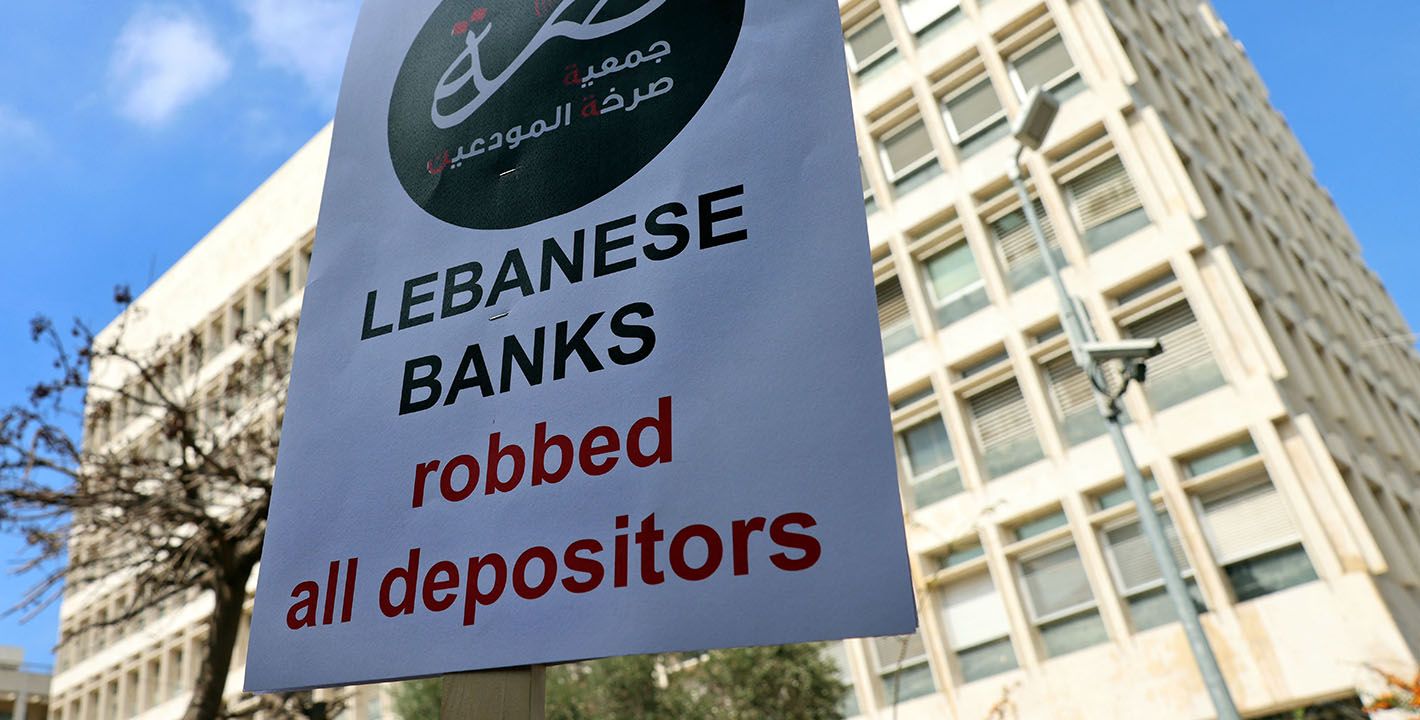
In an interview, Ishac Diwan looks at the merits and flaws in the draft legislation distributing losses from the financial collapse.

Michael Young
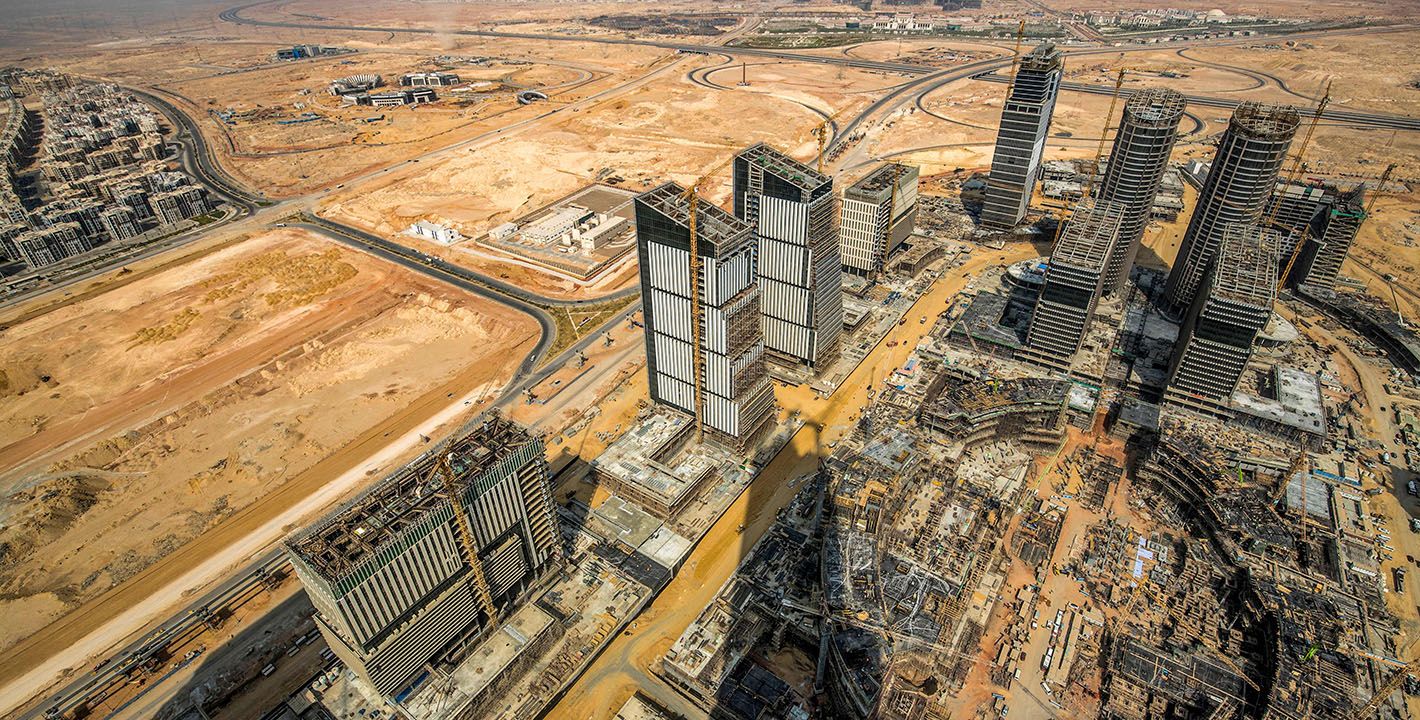
Mustaqbal Misr has expanded its portfolio with remarkable speed, but a lack of transparency remains.
Yezid Sayigh