

Paper
Douglas H. Paal
{
  "authors": [
    "Douglas H. Paal"
  ],
  "type": "legacyinthemedia",
  "centerAffiliationAll": "dc",
  "centers": [
    "Carnegie Endowment for International Peace",
    "Carnegie China"
  ],
  "collections": [
    "U.S.-China Relations"
  ],
  "englishNewsletterAll": "asia",
  "nonEnglishNewsletterAll": "",
  "primaryCenter": "Carnegie China",
  "programAffiliation": "AP",
  "programs": [
    "Asia"
  ],
  "projects": [],
  "regions": [
    "North America",
    "United States",
    "East Asia",
    "China"
  ],
  "topics": [
    "Political Reform",
    "Economy",
    "Trade",
    "Foreign Policy"
  ]
}
Source: Getty
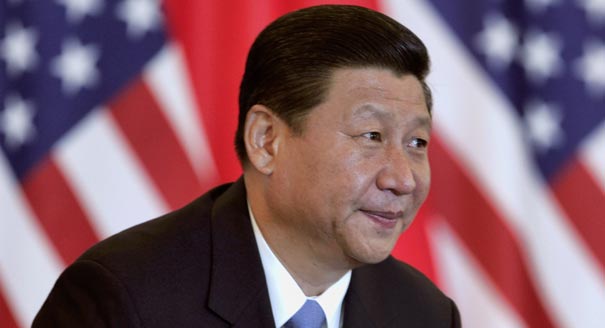
The upcoming U.S.-China Comprehensive Economic Dialogue will be a meeting characterized by many contrasts.
Source: CGTN
Speaking on CGTN, Carnegie’s Douglas H. Paal explained that the upcoming U.S.-China Comprehensive Economic Dialogue will be a meeting characterized by many contrasts. He began by saying that the headline of the upcoming meeting will likely be that “there are no headlines.” The Trump administration has come to appreciate the interdependence between the U.S. and Chinese economies, thus reducing the risk that they will unilaterally initiate a trade war.
Short term gains from the meeting will likely be small, Paal said. In the medium- to long-term, the best that can be hoped for is an opening of the Chinese market to exports of U.S. services. Presently, Chinese policies exclude most foreign services, he added.
Paal went on to explain that he supports a multilateral approach to trade issue. Furthermore, he thinks the current focus on bilateral issues, while counterproductive, is a natural result of “years and years of cheap politics” in the United States.
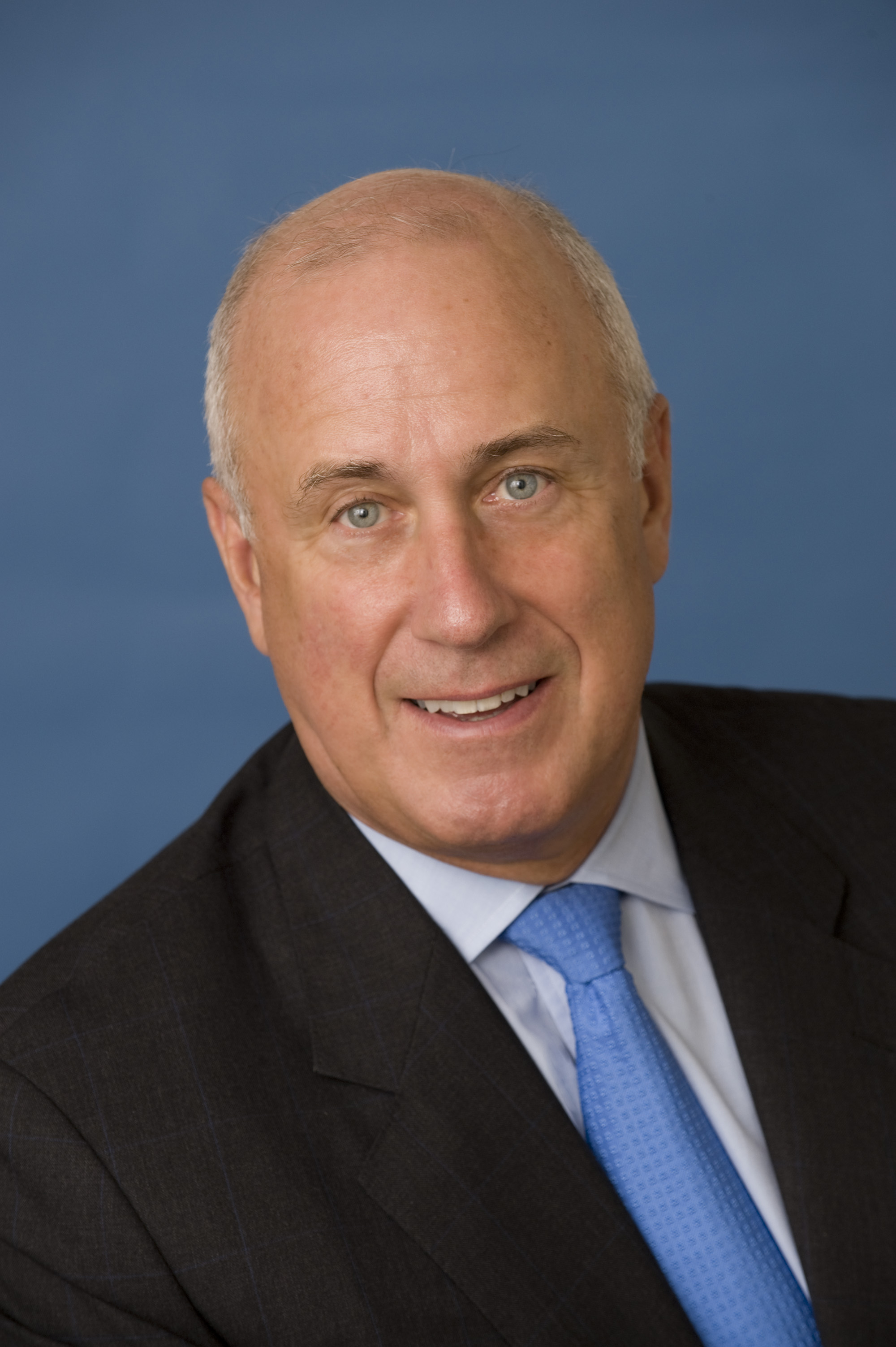
Distinguished Fellow, Asia Program
Paal previously served as vice chairman of JPMorgan Chase International and as unofficial U.S. representative to Taiwan as director of the American Institute in Taiwan.
Recent Work
Douglas H. Paal

Douglas H. Paal, Tong Zhao, Chen Qi, …
Carnegie does not take institutional positions on public policy issues; the views represented herein are those of the author(s) and do not necessarily reflect the views of Carnegie, its staff, or its trustees.

In an interview, Ian Lustick and Eli Clifton discuss their new book on why a prominent ally has so much influence in America.

Michael Young

As the U.S. stumbles in its war with Iran, we are likely to see an acceleration of its disengagement from the region.
Michael Young

Huawei pushed hard to enter the Egyptian data centers market, until the Americans made a better offer.

Angie Omar

Middle Eastern states should welcome an accelerated U.S. disengagement from their region.
Michael Young

In an interview, former ambassador Charles Freeman assesses the Trump administration’s war against Iran.
Michael Young