

Q&A
Matt Ferchen
{
  "authors": [
    "Matt Ferchen"
  ],
  "type": "legacyinthemedia",
  "centerAffiliationAll": "",
  "centers": [
    "Carnegie Endowment for International Peace",
    "Carnegie China"
  ],
  "collections": [
    "China and the Developing World",
    "China’s Foreign Relations"
  ],
  "englishNewsletterAll": "",
  "nonEnglishNewsletterAll": "",
  "primaryCenter": "Carnegie China",
  "programAffiliation": "",
  "programs": [],
  "projects": [],
  "regions": [
    "North America",
    "South America",
    "East Asia",
    "China"
  ],
  "topics": [
    "Economy"
  ]
}
Source: Getty
China and its keenest Latin American borrowers are left with the challenge of managing the legacy of past deals, including those that have gone awry.
Source: Latin America Advisor
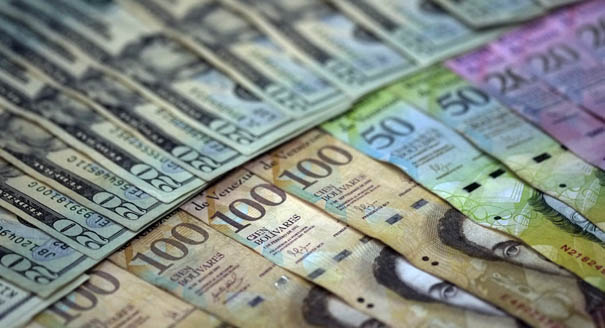
The most notable absence from the 2017 list of Latin American recipients of Chinese official finance is Venezuela, which has been by far the largest destination for China Development Bank loans in the region. This clearly reflects China’s wariness of deepening its already unsustainable, ‘lose-lose’ loans-for-oil relationship with a Venezuela, which every day is sinking deeper into economic and political crisis. This underscores how even if China’s relatively low amount of state-to-state financing to Latin America in 2017 is indicative of a trend away from the volumes or types of loans we’ve seen in the last decade plus, China and its keenest Latin American borrowers are still left with the challenge of managing the legacy of past deals, including those that have gone awry. While the China-Venezuela case is extreme in the dysfunctions it has wrought and sustained, it is indicative of a growing awareness of the possibility of unsustainable debt relations flowing from China’s policy bank loans in regions far beyond Latin America, in countries like Sri Lanka and along the Belt and Road Initiative more generally. Yet what the lower lending figures to Latin America also indicate is that such concerns and lessons about debt sustainability, both at the economic and diplomatic level, are starting to be taken more seriously in China itself. The question now is how China will respond and the hope must be that rising concerns about debt sustainability, in particular sovereign loans from China’s policy banks, lead to constructive discussions between Chinese lenders and investors and those in Latin America and beyond who are eager to deepen commercial engagement with China but on more sustainable terms.

Former Nonresident Scholar, Carnegie-Tsinghua Center for Global Policy
Ferchen specializes in China’s political-economic relations with emerging economies. At the Carnegie–Tsinghua Center for Global Policy, he ran a program on China’s economic and political relations with the developing world, including Latin America.
Recent Work
Matt Ferchen
Matt Ferchen, Anarkalee Perera
Carnegie does not take institutional positions on public policy issues; the views represented herein are those of the author(s) and do not necessarily reflect the views of Carnegie, its staff, or its trustees.

The armed forces champion a form of capitalism that is generating revenue, but its reliance on rent faces diminishing returns, leaving the country with massive sunk costs and deferred returns, deepening dependency on external borrowing.

Yezid Sayigh
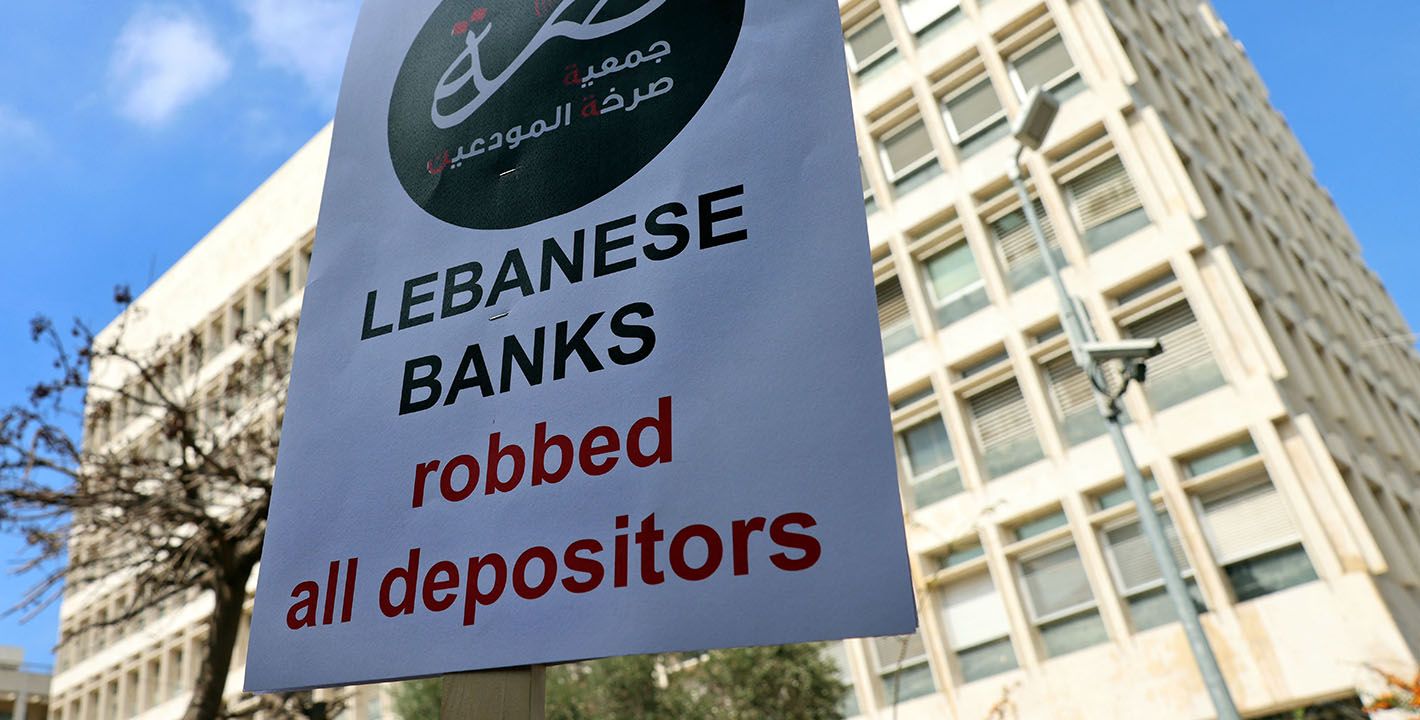
In an interview, Ishac Diwan looks at the merits and flaws in the draft legislation distributing losses from the financial collapse.

Michael Young

Mustaqbal Misr has expanded its portfolio with remarkable speed, but a lack of transparency remains.
Yezid Sayigh

Arab diaspora business communities in Egypt often mirror the same systemic challenges facing Egyptian businesses.

Nur Arafeh, Yezid Sayigh, Qaboul al-Absi, …

Largely characterized thus far by a single-minded focus on extractivism, Riyadh must commit to greater equitability in its approach to investment and development deals with Sudan, Ethiopia, and Eritrea.

Hesham Alghannam