

Report
- +9
Richard Youngs, Erik Jones, Dan Baer, …
{
  "authors": [
    "Richard Youngs"
  ],
  "type": "legacyinthemedia",
  "centerAffiliationAll": "dc",
  "centers": [
    "Carnegie Endowment for International Peace",
    "Carnegie Europe",
    "Malcolm H. Kerr Carnegie Middle East Center"
  ],
  "collections": [
    "Europe’s Southern Neighborhood",
    "Violence and Conflict"
  ],
  "englishNewsletterAll": "ctw",
  "nonEnglishNewsletterAll": "",
  "primaryCenter": "Carnegie Europe",
  "programAffiliation": "EP",
  "programs": [
    "Europe"
  ],
  "projects": [],
  "regions": [
    "Middle East",
    "Europe",
    "Levant",
    "Syria",
    "Eastern Europe",
    "Western Europe",
    "Iran"
  ],
  "topics": [
    "Foreign Policy",
    "EU",
    "Political Reform",
    "Security"
  ]
}
Source: Getty
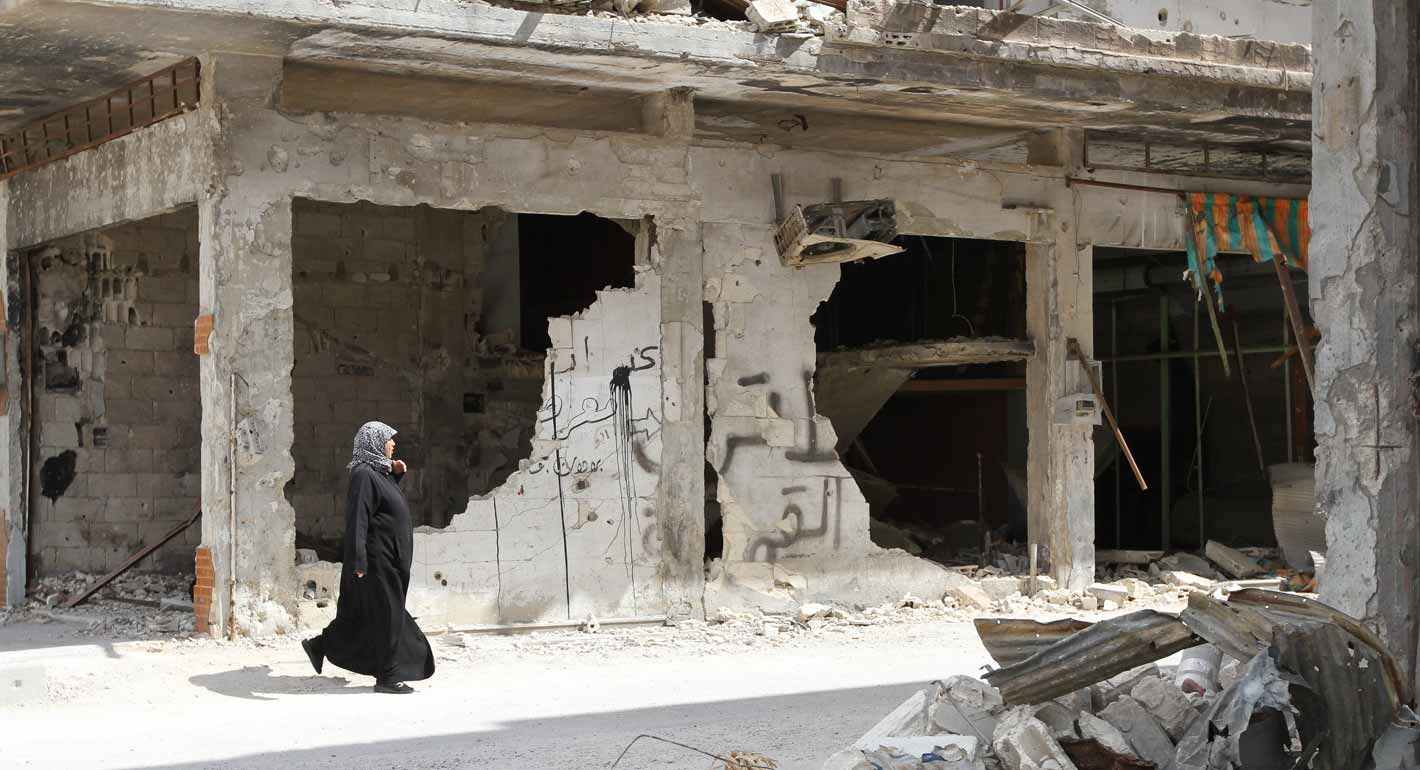
The Assad regime’s ascendancy has pushed the EU and European governments onto the back foot. Europe needs to rethink its foreign policy priorities—and fast.
Source: The Conversation
The Assad regime has inched closer to winning the Syrian conflict during 2018. With Russian and Iranian support, the regime has reestablished strong and authoritarian rule, at least outside the deescalation zones where its remit is still curtailed.
With a new UN envoy to Syria now taking office and the EU confirming it will host another donor conference for the country early in 2019 – designed to mobilise humanitarian aid and other assistance from the international community – there is currently much debate about a new phase of European strategy. But at best, European influence in Syria will in future be modest and indirect.
The Assad regime’s ascendancy has certainly pushed the EU and European governments onto the back foot. The formal EU line is that the removal of its sanctions against Syria and any offer of so-called reconstruction aid will depend on the Assad regime agreeing to an inclusive political process. And so, as the regime for now refuses to contemplate any such process and has in fact moved to ensure that only regime supporters get access to external funding, the EU has not offered reconstruction aid.

Senior Fellow, Democracy, Conflict, and Governance Program
Richard Youngs is a senior fellow in the Democracy, Conflict, and Governance Program, based at Carnegie Europe. He works on EU foreign policy and on issues of international democracy.
Recent Work
Richard Youngs, Erik Jones, Dan Baer, …

Richard Youngs, Thomas Carothers
Carnegie does not take institutional positions on public policy issues; the views represented herein are those of the author(s) and do not necessarily reflect the views of Carnegie, its staff, or its trustees.

By failing to address Palestinian representation, the current process is bound to lead to just another temporary arrangement.

Nathan J. Brown

Morocco and Algeria, each in its own way, are having to navigate the global economic fallout of the U.S.-Israeli military campaign against Iran.

Yasmine Zarhloule
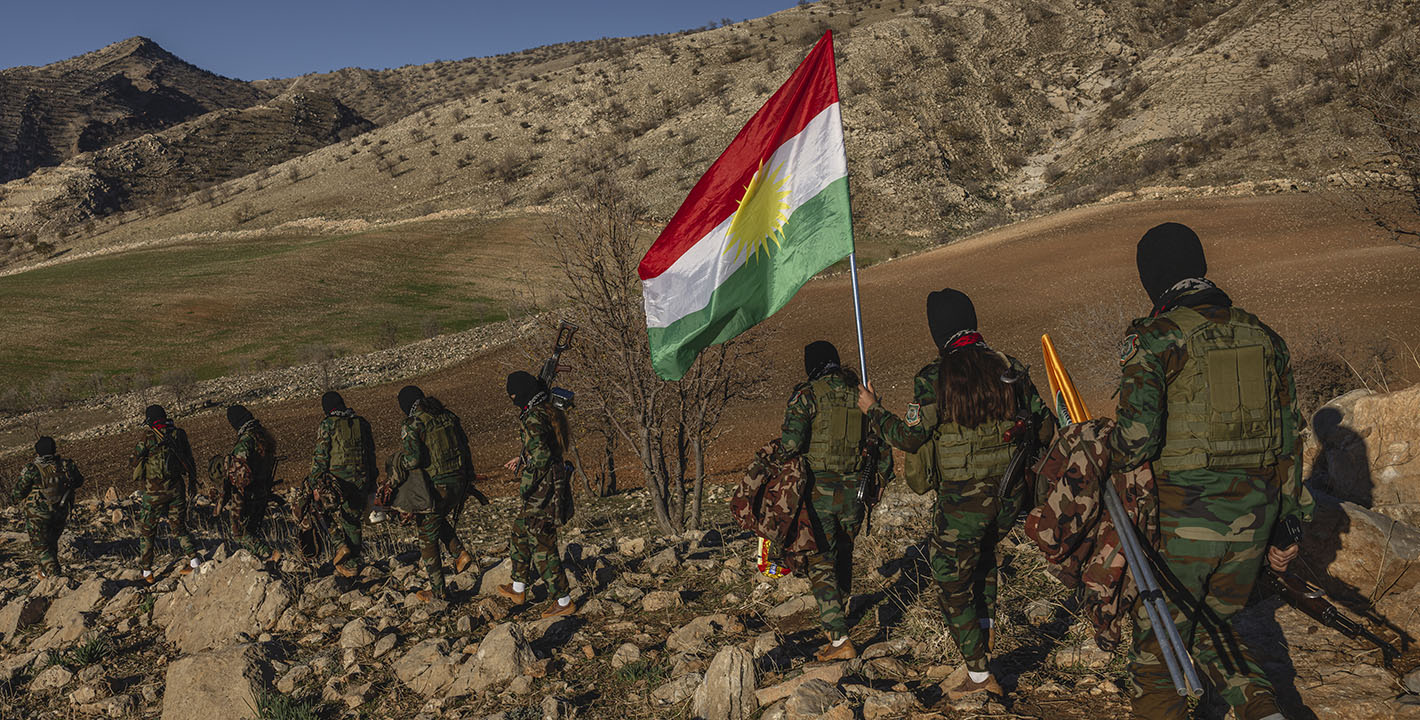
Following its deal with the United States, Iran may act against Iraq-based dissidents.
Wladimir van Wilgenburg
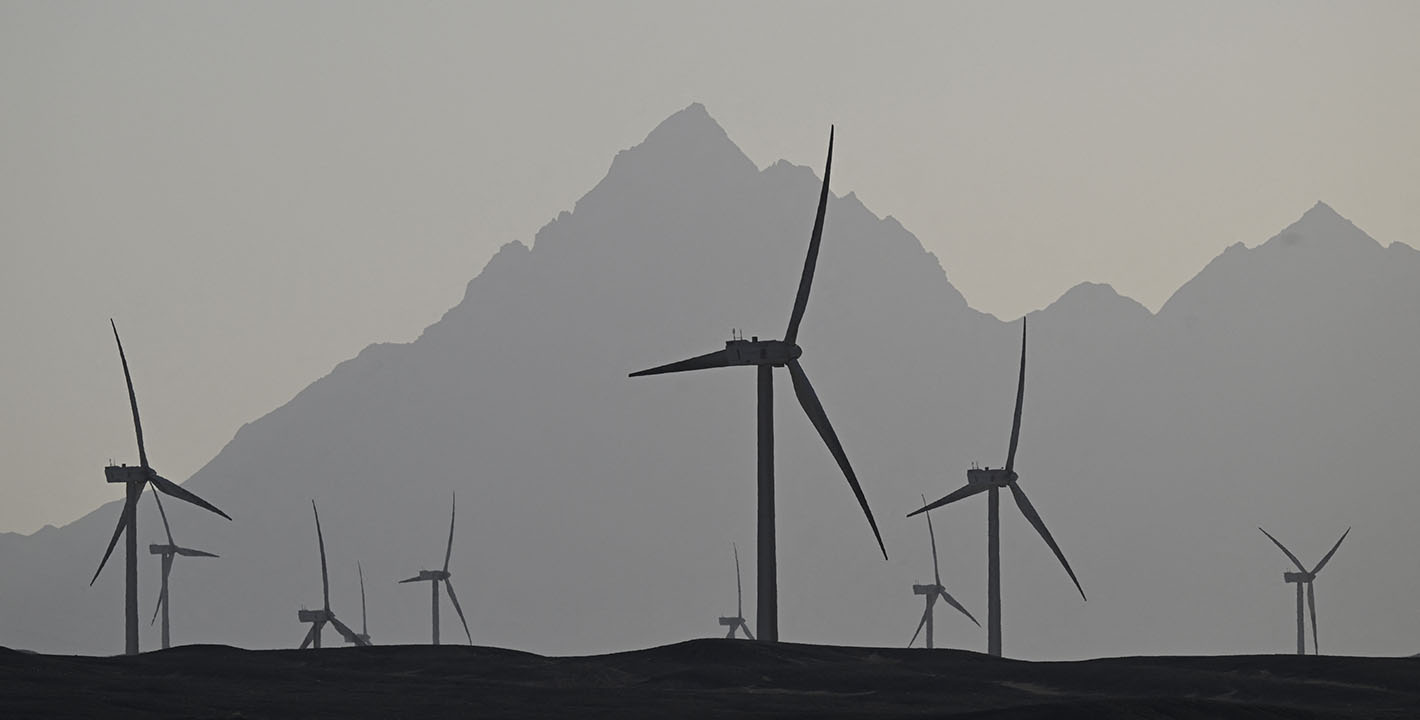
There is a disturbing structural parallel between the old global energy economy and the new green transition.

Angie Omar
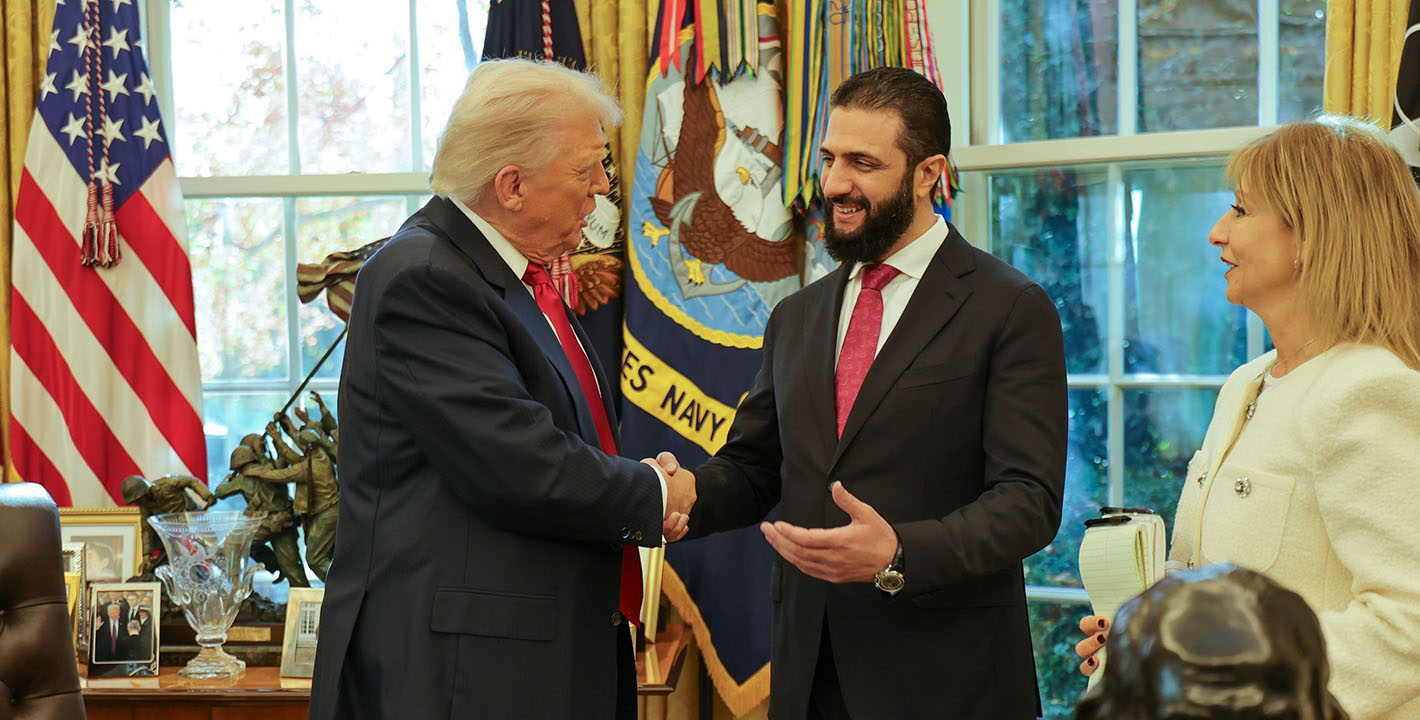
Any move by the United States to make good on Trump’s suggestion that Washington persuade Damascus to confront Hezbollah militarily would have catastrophic consequences.

Kheder Khaddour