

Paper
- +3
Rajesh Bansal, Anirudh Burman, Rudra Chaudhuri, …
{
  "authors": [
    "Srinath Raghavan"
  ],
  "type": "legacyinthemedia",
  "centerAffiliationAll": "",
  "centers": [
    "Carnegie Endowment for International Peace",
    "Carnegie India"
  ],
  "collections": [],
  "englishNewsletterAll": "",
  "nonEnglishNewsletterAll": "",
  "primaryCenter": "Carnegie India",
  "programAffiliation": "",
  "programs": [],
  "projects": [],
  "regions": [
    "India"
  ],
  "topics": [
    "Domestic Politics"
  ]
}
Source: Getty
Recent revelations about the Rafale deal have all focused on one central question: was the contract for 36 aircrafts secured by the NDA government on better terms than the older UPA negotiations for 126 medium multi-role combat aircrafts, especially with respect to cost and delivery time?
Source: Print
Recent revelations about the Rafale deal have all focused on one central question: Was the contract for 36 aircraft secured by the NDA government on better terms than the older UPA negotiations for 126 medium multi-role combat aircraft (MMRCA), especially with respect to cost and delivery time?
Two documents made public Wednesday throw further light on these issues. The Hindu reproduced an eight-page dissenting note by three members of the Indian Negotiating Team (INT), claiming that the contract for the 36 aircraft was not on better terms. The CAG report tabled in Parliament, on the other hand, asserts that the government did manage to secure a better deal—but to a lesser extent than it claimed.

Nonresident Senior Fellow
Srinath Raghavan is a nonresident senior fellow at Carnegie India. His primary research focus is on the contemporary and historical aspects of India’s foreign and security policies.
Recent Work


Rajesh Bansal, Anirudh Burman, Rudra Chaudhuri, …
Srinath Raghavan
Carnegie does not take institutional positions on public policy issues; the views represented herein are those of the author(s) and do not necessarily reflect the views of Carnegie, its staff, or its trustees.
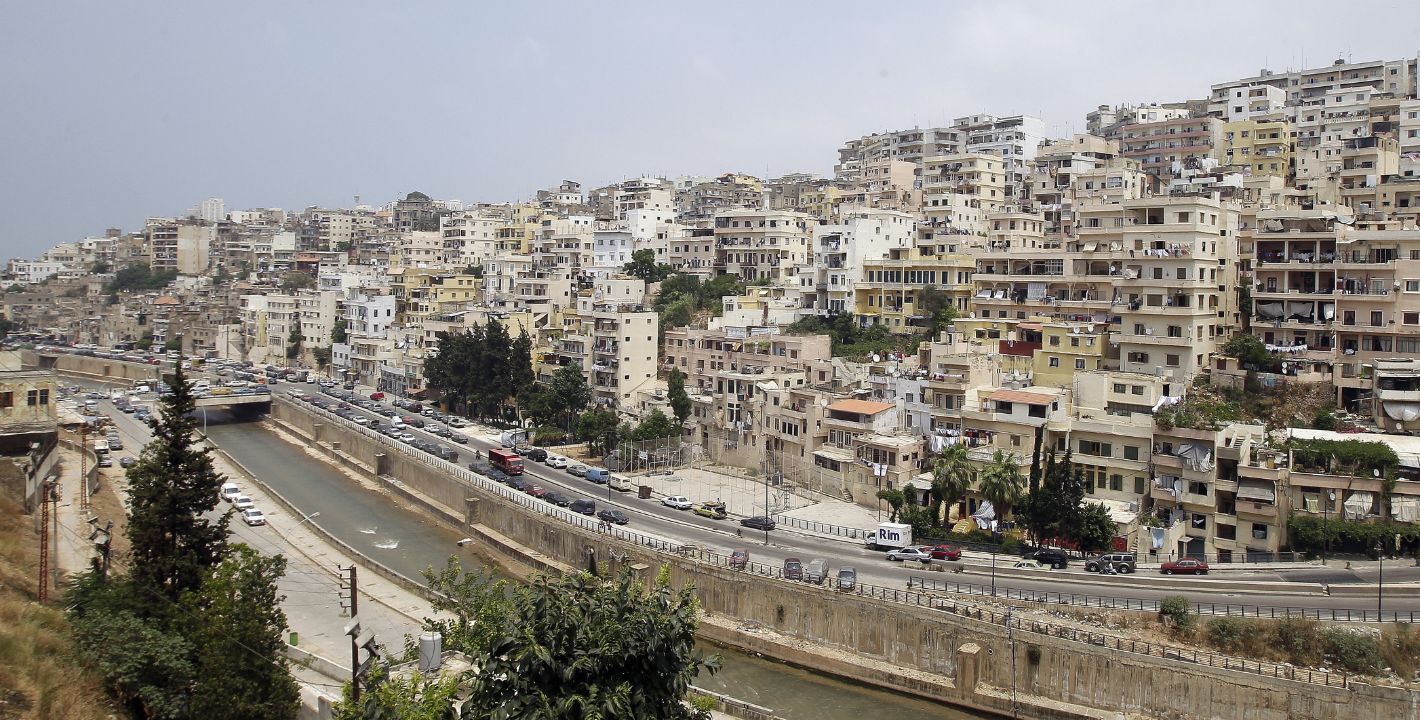
Municipal elections in the city may be a harbinger of developments in the Sunni community.
Issam Kayssi
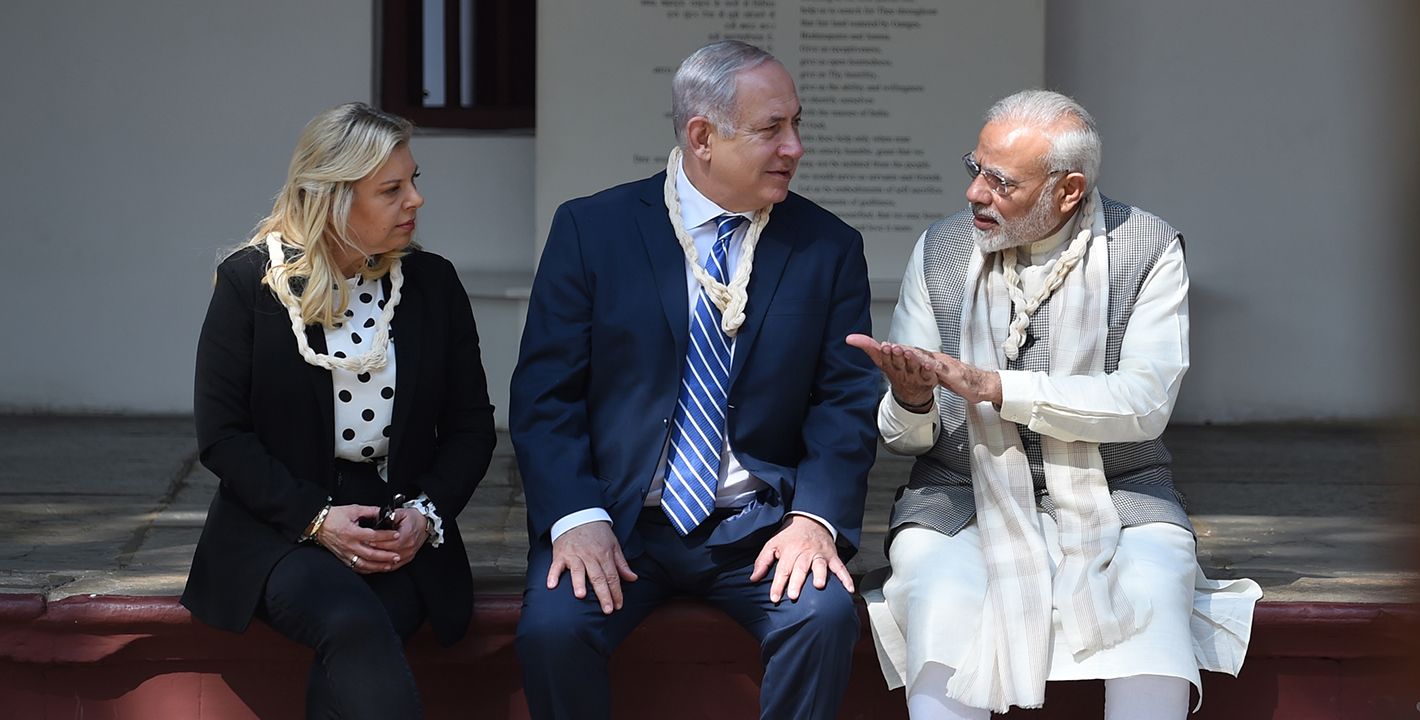
In an interview, Abhinav Pandya discusses the multiple facets of India’s ties with the Middle East.

Armenak Tokmajyan
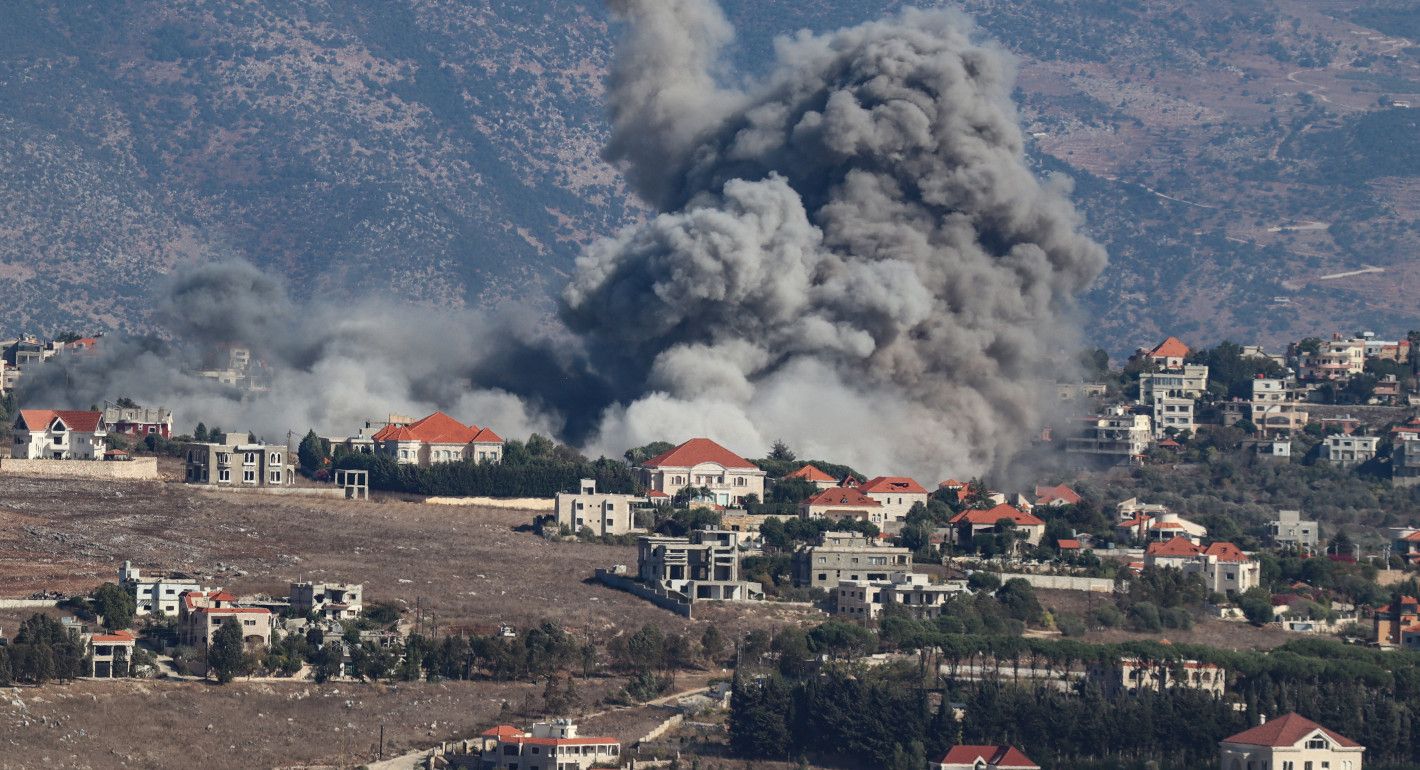
Political calculations on both sides make a ceasefire unlikely.

Yezid Sayigh
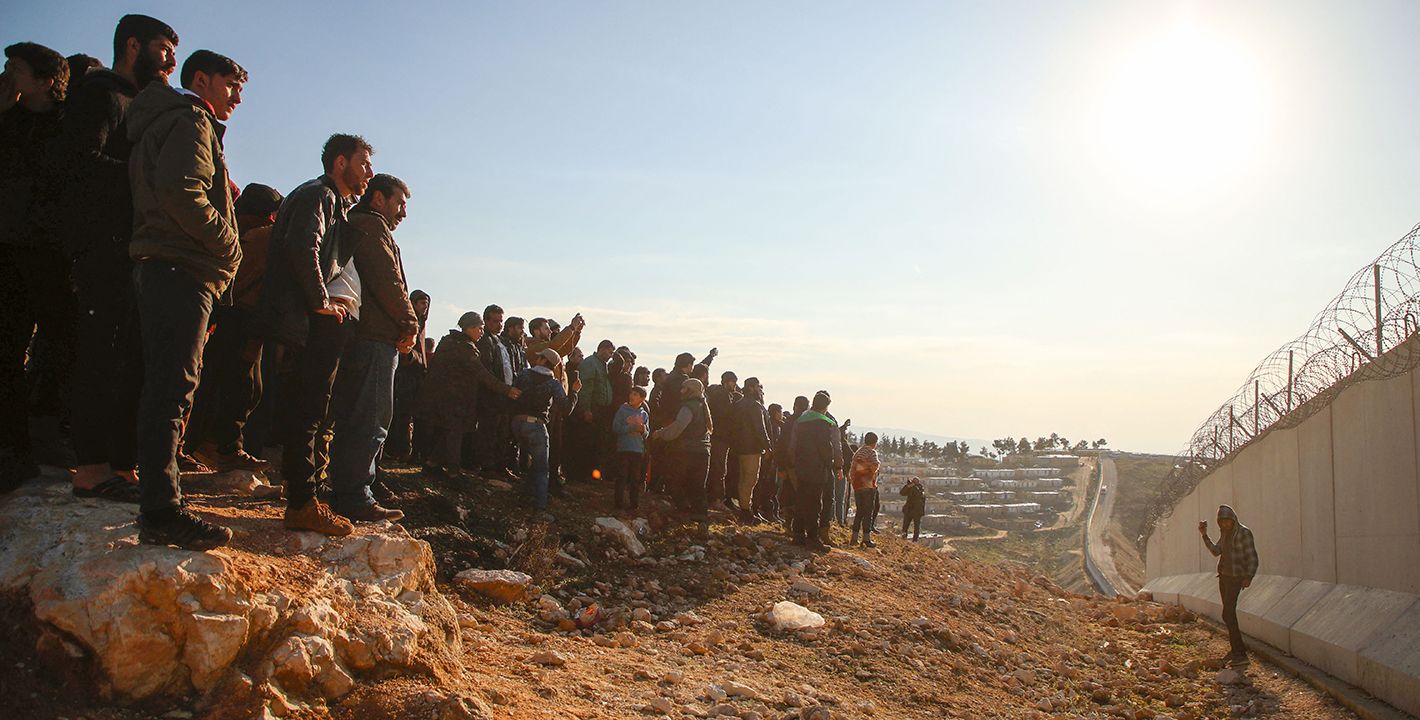
In Syria’s border regions, changes in demographics, economics, and security mean that an inter-Syrian peace process will require consensus among main regional powers that Syria must remain united, that no one side can be victorious, and that perennial instability threatens the region.
Kheder Khaddour, Armenak Tokmajyan
For many in the society, the post-Ben Ali years were mainly about successive economic crises and political instability.
Jasmine Khelil