

Research
- +5
Alper Coşkun, Fatih Ceylan, Tacan İldem, …
{
  "authors": [
    "Sinan Ülgen"
  ],
  "type": "legacyinthemedia",
  "centerAffiliationAll": "",
  "centers": [
    "Carnegie Endowment for International Peace",
    "Carnegie Europe"
  ],
  "collections": [
    "Turkey’s Transformation"
  ],
  "englishNewsletterAll": "",
  "nonEnglishNewsletterAll": "",
  "primaryCenter": "Carnegie Europe",
  "programAffiliation": "",
  "programs": [],
  "projects": [],
  "regions": [
    "Europe",
    "Türkiye",
    "Middle East"
  ],
  "topics": []
}
Source: Getty
A controversial overturning of Turkey’s local election result has laid the way for a rematch the president’s party cannot afford to lose.
Source: Guardian
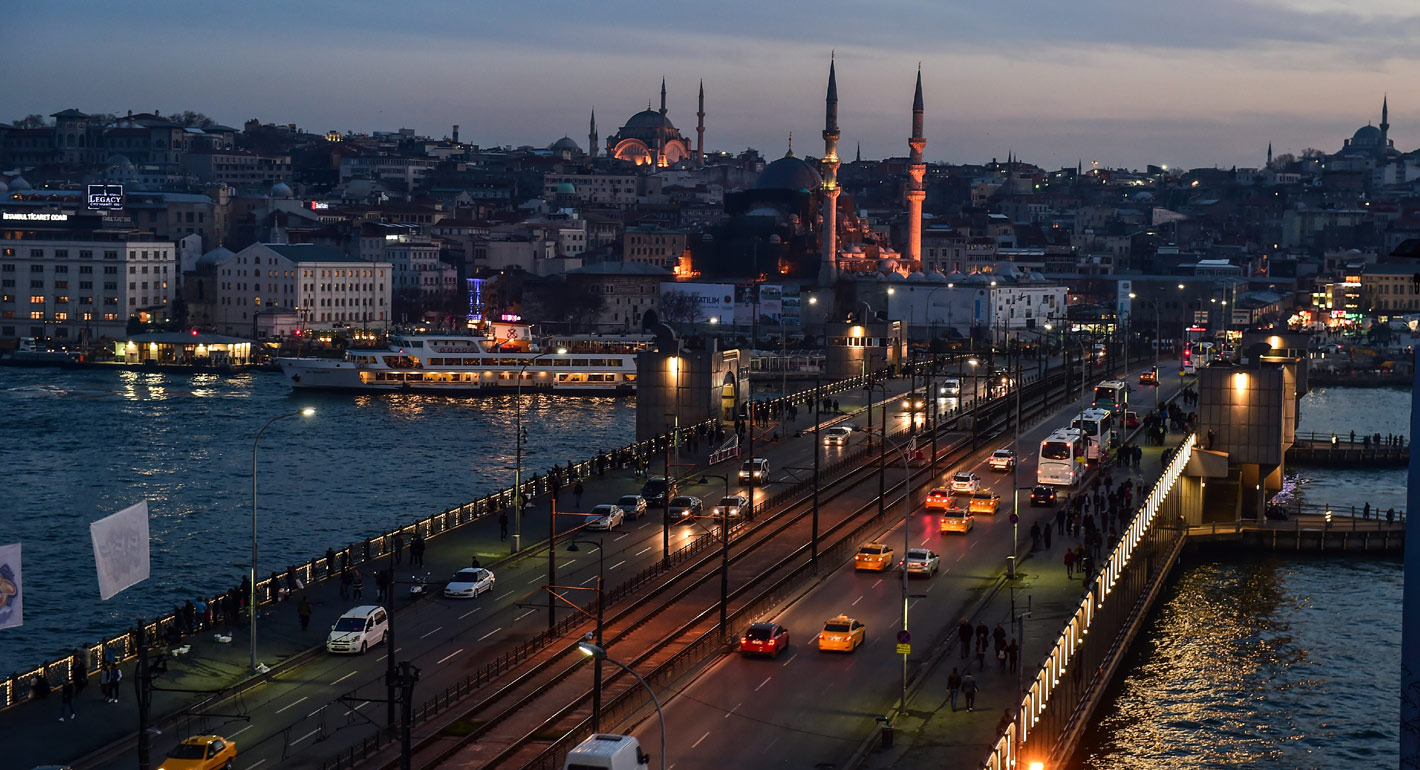
The upholding last week of a legal challenge to the outcome of Istanbul’s mayoral election has paved the way for a divisive new contest. It will inevitably lead to a confrontation between Turkey’s most powerful political figure, president Recep Tayyip Erdoğan and the surprisingly able Ekrem İmamoğlu, the candidate of the opposition alliance who won the race to be mayor of Istanbul.
On 31 March, local elections across Turkey saw the resurgence of opposition to Erdoğan’s Justice and Development party (AKP), which lost control of the municipal government in the capital Ankara – as well as losing the mayoral race in Istanbul, the president’s home town.
İmamoğlu originally defeated Erdoğan’s candidate and former prime minister Binali Yıldırım – only to see his victory revoked by Turkey’s high electoral board on grounds that the setup of some of the ballot box committees was in contravention of electoral law. New mayoral elections are now to be held on 23 June. The board’s decision was heavily criticised by Turkey’s opposition for being politically motivated and lacking legal justification.There were four votes in March in Istanbul – for metropolitan mayor, as well as three other campaigns for district mayors, the municipal council and neighbourhood administrators. Despite all four ballots being placed in a single envelope and counted in the same manner, the board has only annulled the votes cast for metropolitan mayor. The board said it could only rule on complaints it receives from political parties, and the challenge lodged by the ruling alliance was for the metropolitan race only: AKP officials made complaints over unsigned results documents and said that some ballot box officials were not civil servants. Previously, the board has been very inconsistent on how it upholds such complaints – especially when they come from opposition parties.
Crucially, the board has not publicly disclosed the results of its electoral impact analysis. To rule for an annulment, the board is required to demonstrate that the alleged violations were consequential enough to impact the outcome of the election. Such proof has yet to be shared with voters.
Nonetheless, the board has set the stage for a re-run of the Istanbul election in six weeks’ time. The outcome will be shaped by four factors: victimisation, mobilisation, consolidation and economics.
The ruling has created an opening for a narrative of victimisation that will be used by both sides to galvanise their grassroots supporters. For the ruling AKP, the victimisation stems from their claims that the opposition cheated to win in March. The message will be that AKP voters should use the new vote to redress this affront to democracy.

Senior Fellow, Carnegie Europe
Sinan Ülgen is a senior fellow at Carnegie Europe in Brussels, where his research focuses on Turkish foreign policy, transatlantic relations, international trade, economic security, and digital policy.
Recent Work

Alper Coşkun, Fatih Ceylan, Tacan İldem, …
Carnegie does not take institutional positions on public policy issues; the views represented herein are those of the author(s) and do not necessarily reflect the views of Carnegie, its staff, or its trustees.

The accord represents a pivotal moment in the region to avert a security vacuum in the Gulf.


Azeema Cheema, Mohanad Hage Ali
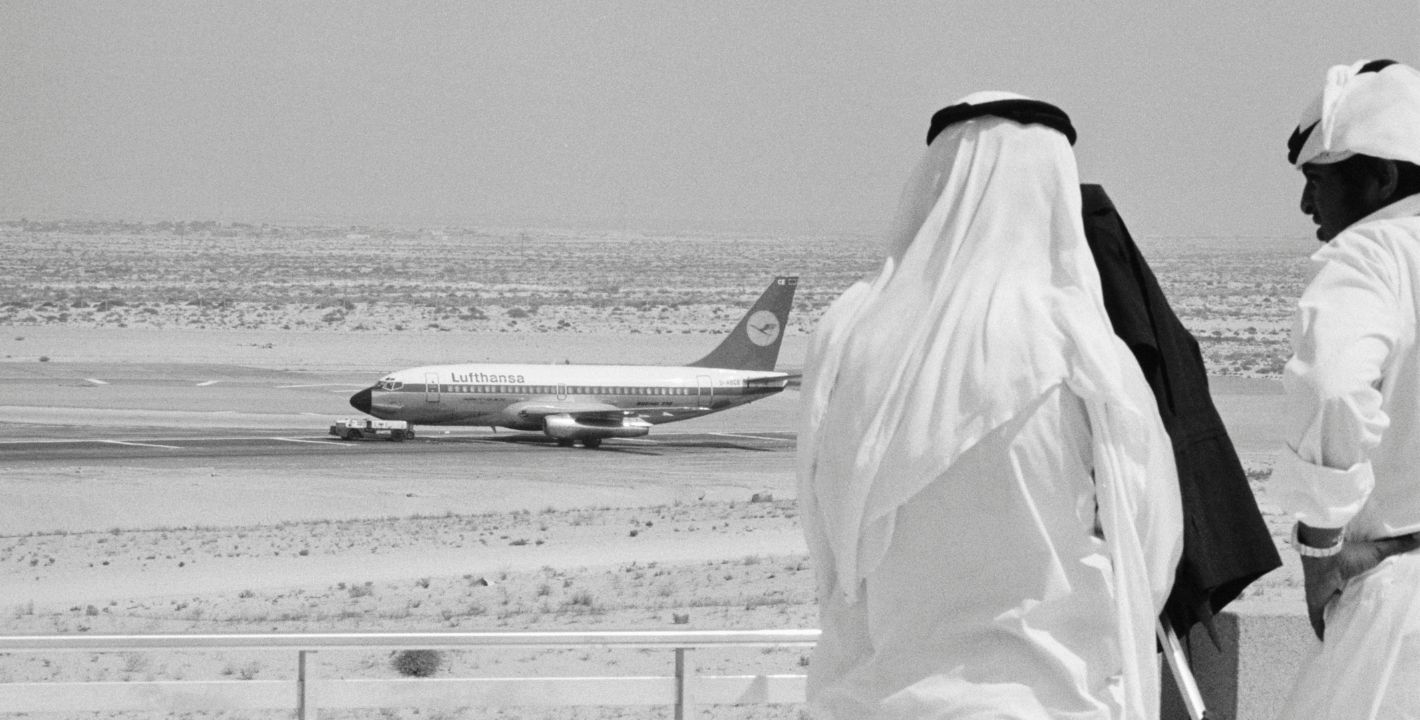
In an interview, Jason Burke discusses his sweeping account of the “revolutionists” who so shaped the 1970s and early 1980s.

Michael Young
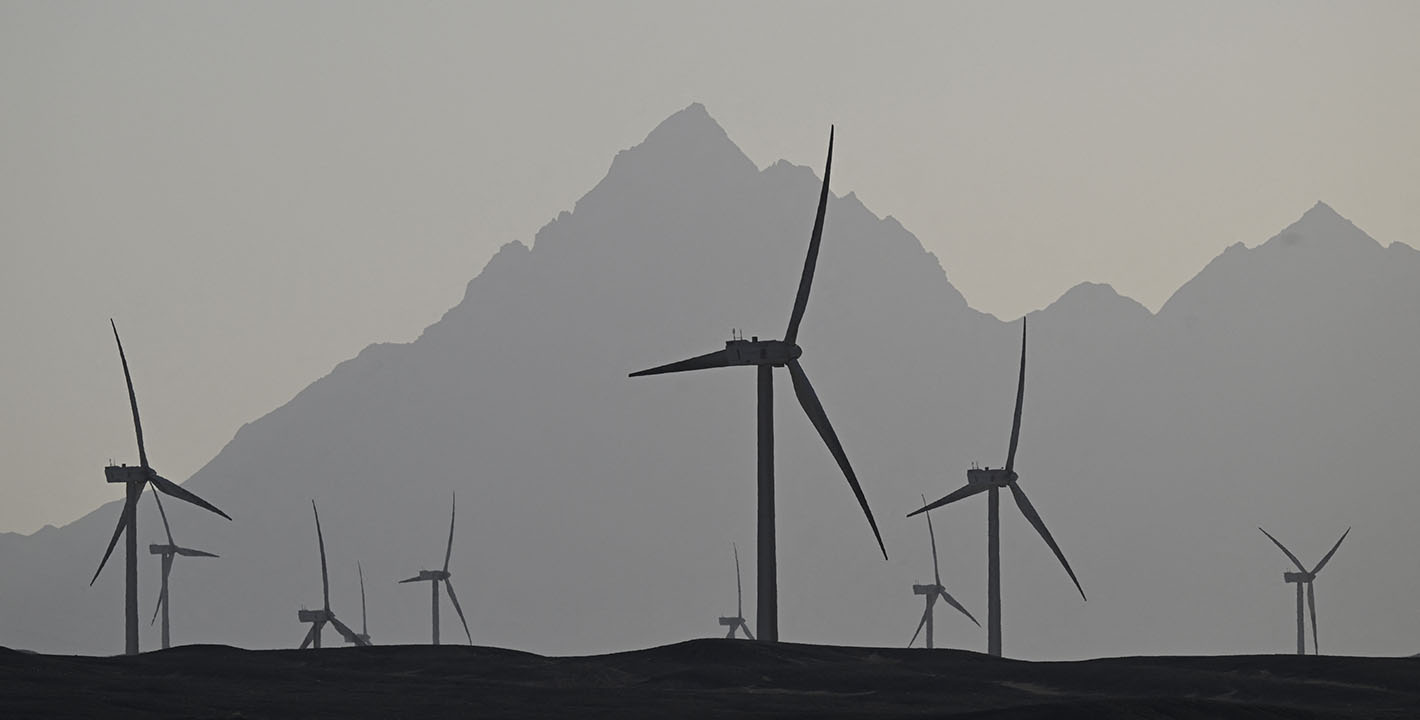
There is a disturbing structural parallel between the old global energy economy and the new green transition.

Angie Omar
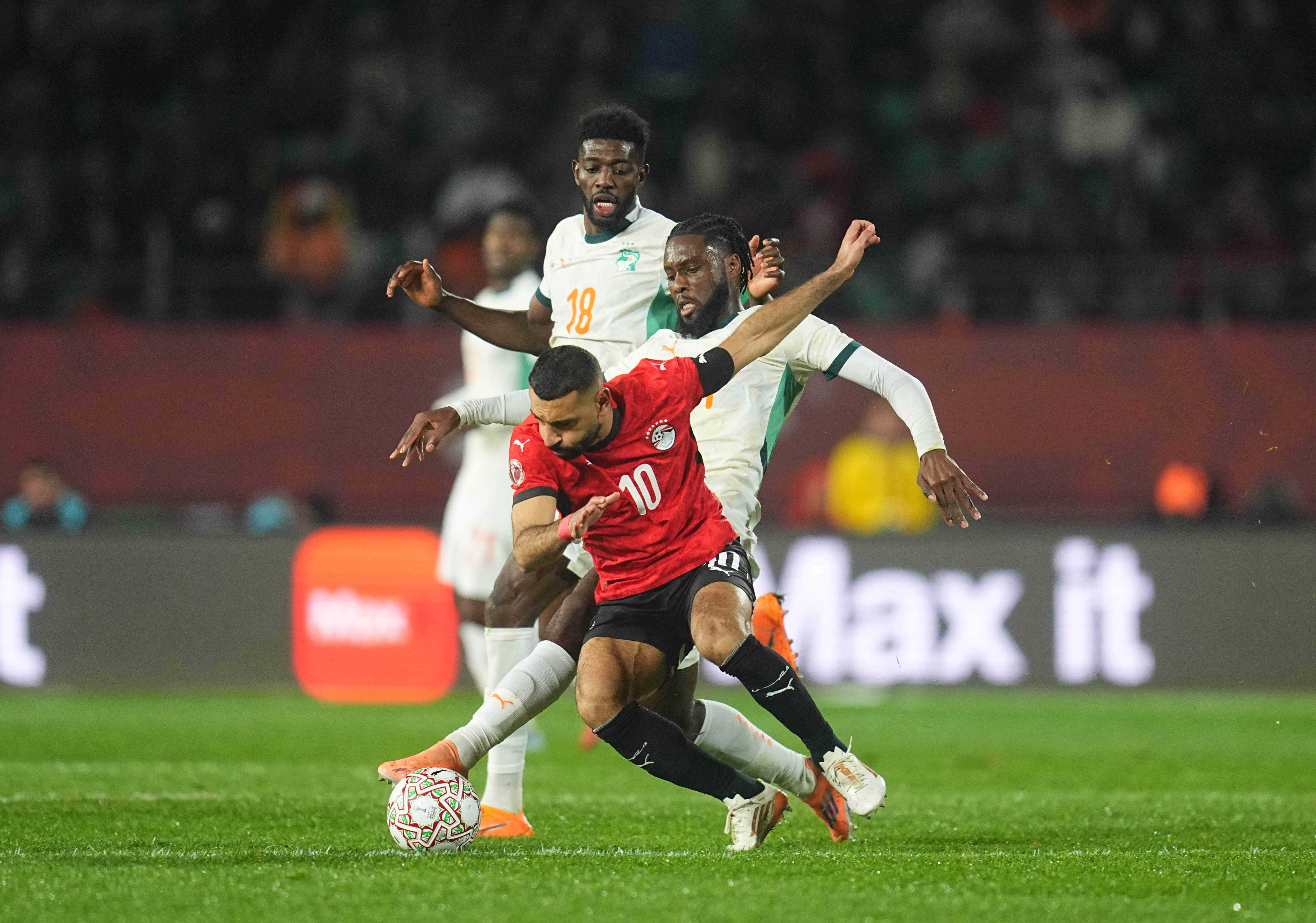
This will be the region’s most representative tournament, amid broad changes in its footballing landscape.

Issam Kayssi

Just look at Iraq in 1991.

Marwan Muasher