

Paper
- +3
Rajesh Bansal, Anirudh Burman, Rudra Chaudhuri, …
{
  "authors": [
    "Srinath Raghavan"
  ],
  "type": "legacyinthemedia",
  "centerAffiliationAll": "",
  "centers": [
    "Carnegie Endowment for International Peace",
    "Carnegie India"
  ],
  "collections": [],
  "englishNewsletterAll": "",
  "nonEnglishNewsletterAll": "",
  "primaryCenter": "Carnegie India",
  "programAffiliation": "",
  "programs": [],
  "projects": [],
  "regions": [
    "India"
  ],
  "topics": [
    "Domestic Politics"
  ]
}
Source: Getty
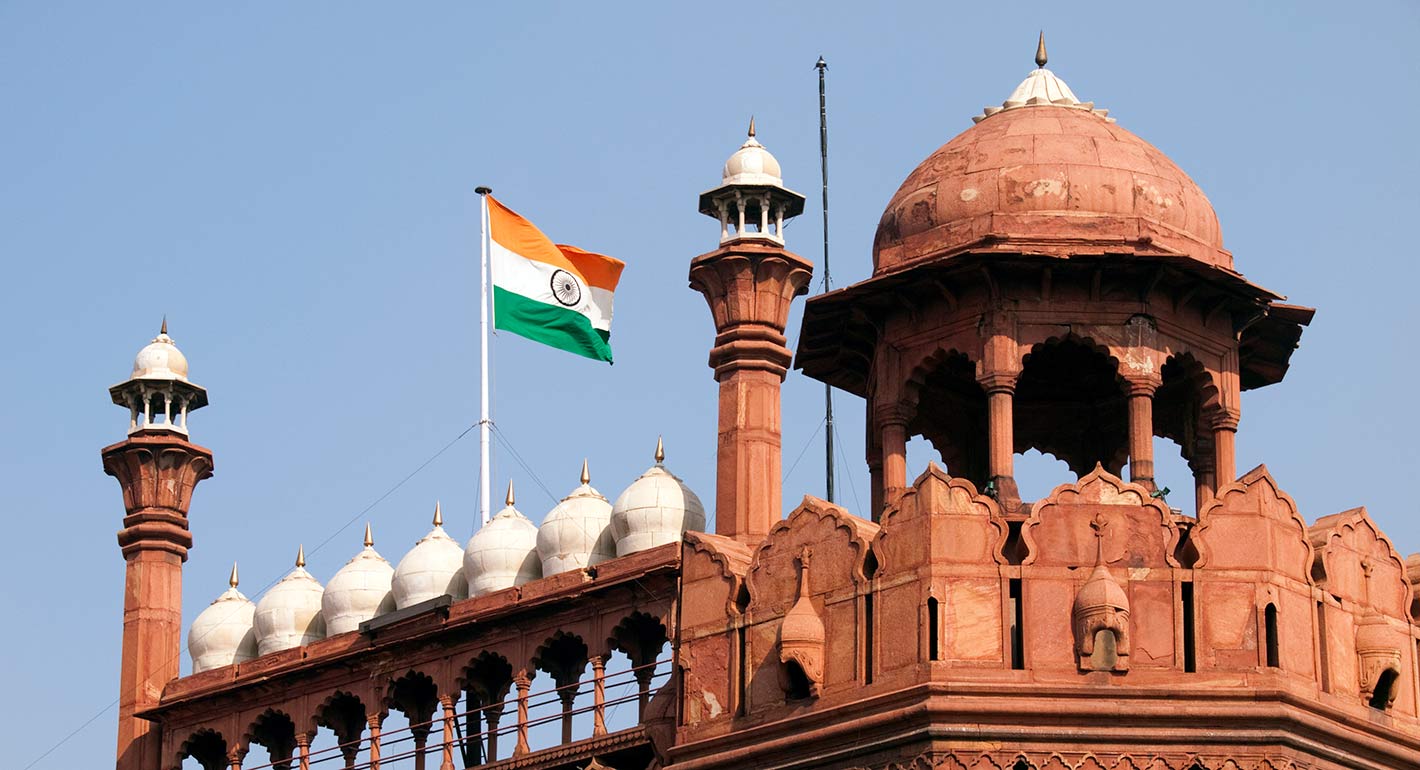
A striking feature of the 2019 Lok Sabha elections was the unusual prominence accorded to national security in the Bharatiya Janata Party’s campaign.
Source: Print
A striking feature of the 2019 Lok Sabha elections was the unusual prominence accorded to national security in the Bharatiya Janata Party’s campaign. In 2014, the party’s election manifesto discussed security policy, but only towards the end. By contrast, the 2019 manifesto began with national security. Political scientists will debate the extent to which these issues shaped voters’ preferences, but the Narendra Modi government now has enormous political capital to bring about far-reaching reforms in defence — reforms that cannot be put off.

Nonresident Senior Fellow
Srinath Raghavan is a nonresident senior fellow at Carnegie India. His primary research focus is on the contemporary and historical aspects of India’s foreign and security policies.
Recent Work


Rajesh Bansal, Anirudh Burman, Rudra Chaudhuri, …
Srinath Raghavan
Carnegie does not take institutional positions on public policy issues; the views represented herein are those of the author(s) and do not necessarily reflect the views of Carnegie, its staff, or its trustees.
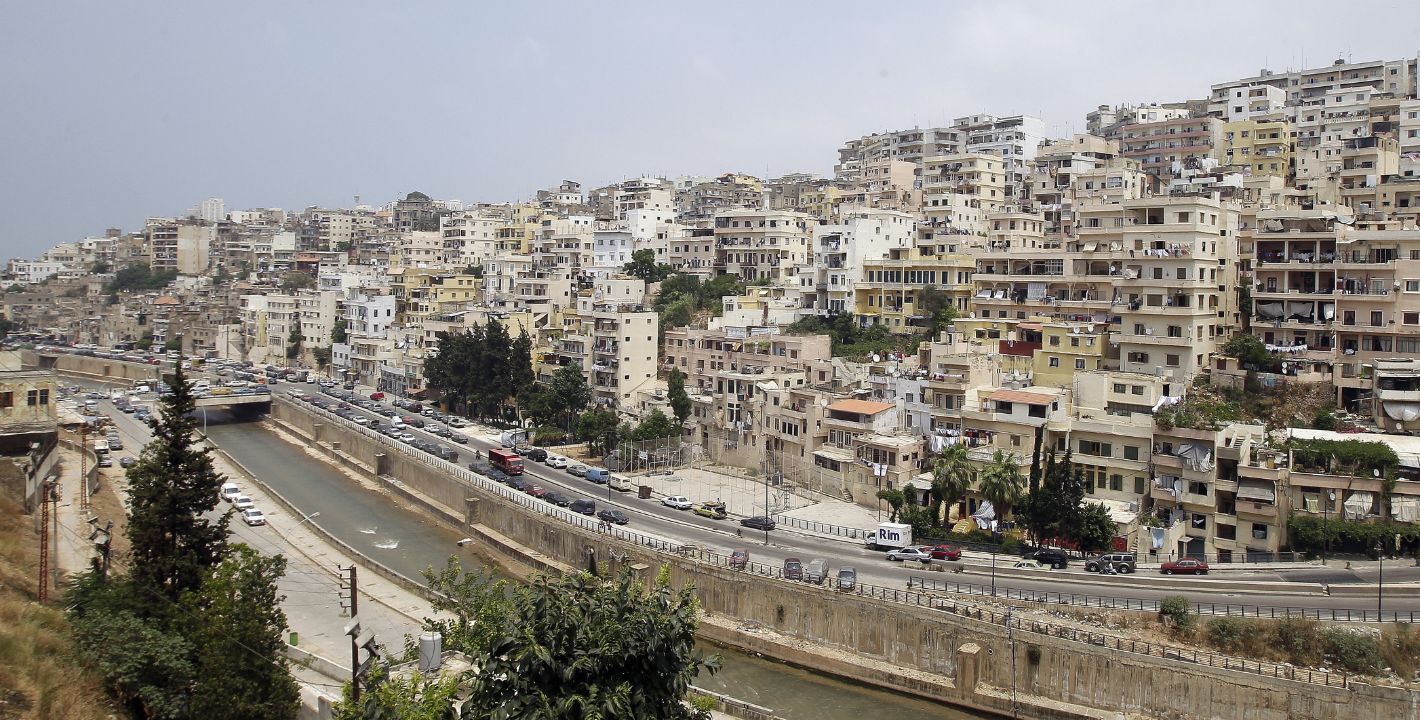
Municipal elections in the city may be a harbinger of developments in the Sunni community.

Issam Kayssi
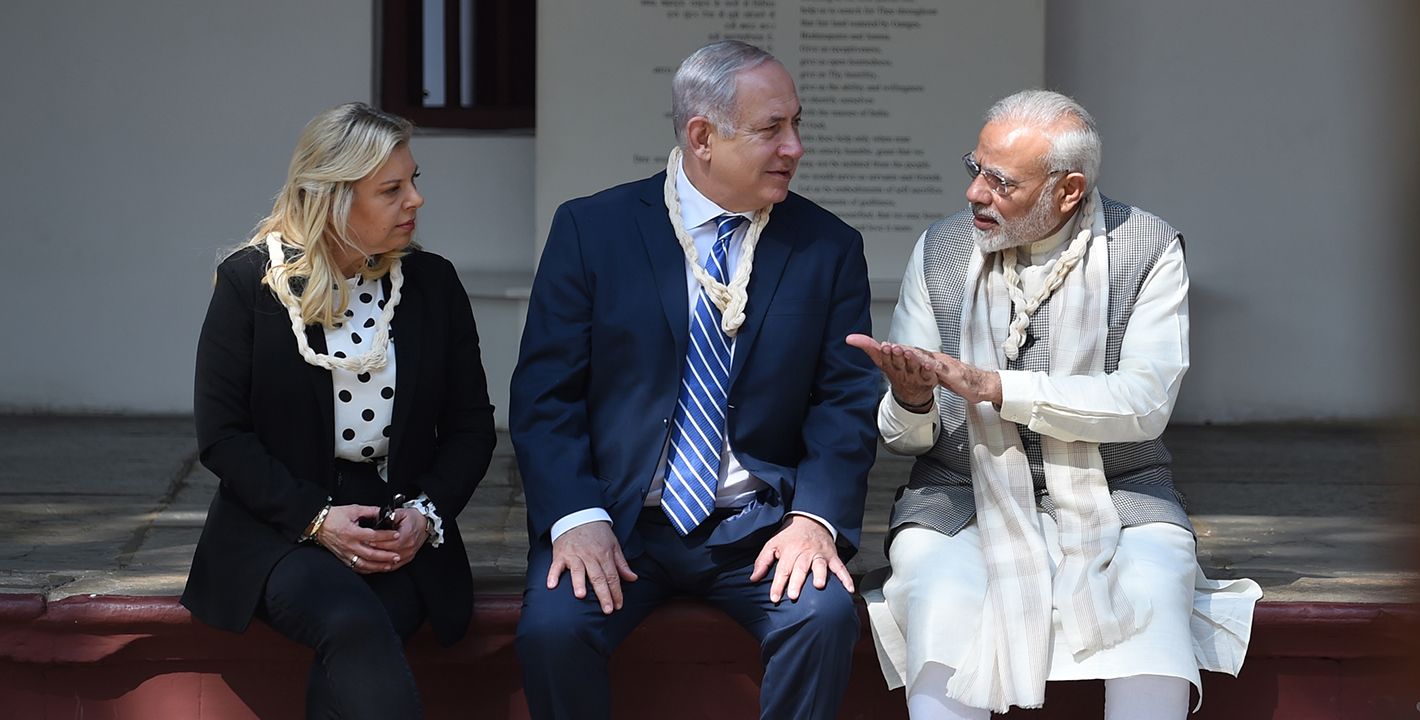
In an interview, Abhinav Pandya discusses the multiple facets of India’s ties with the Middle East.

Armenak Tokmajyan
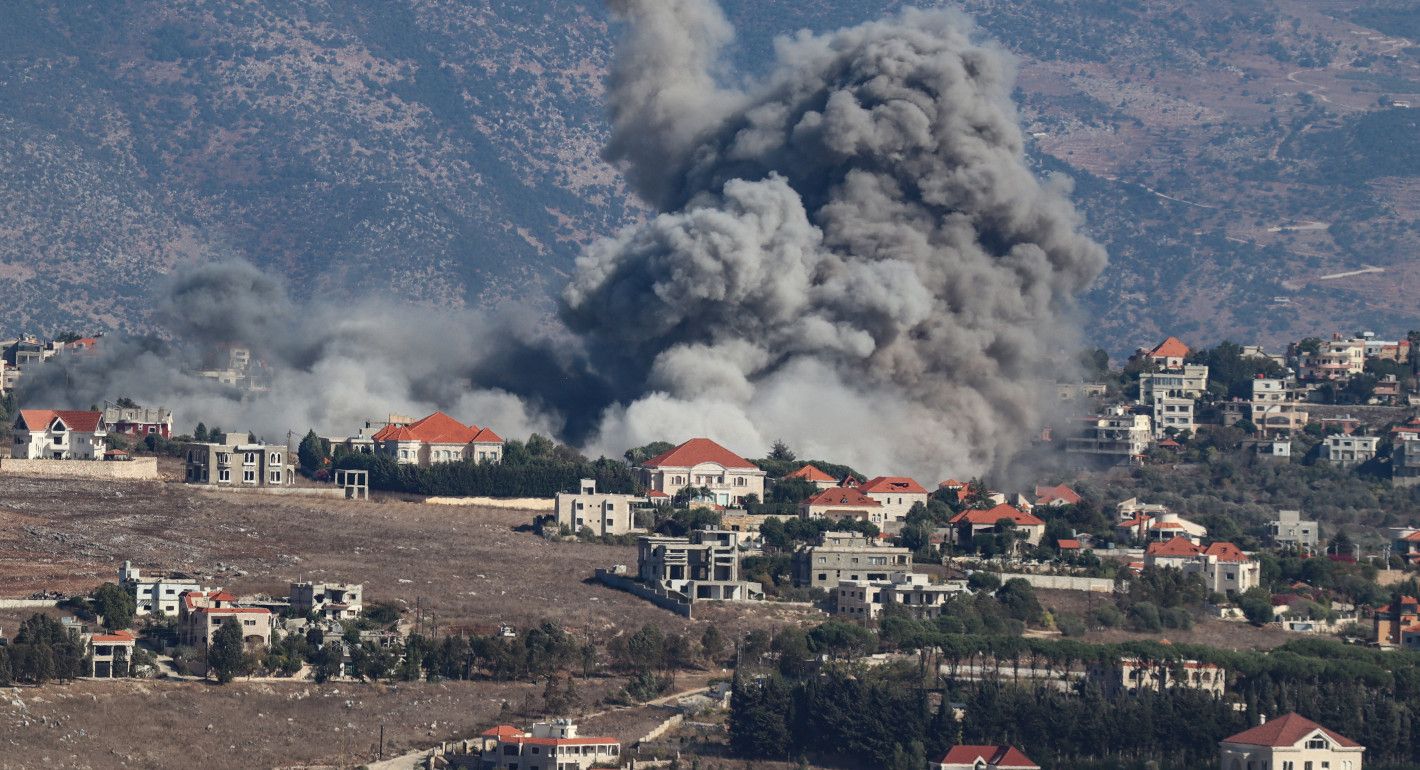
Political calculations on both sides make a ceasefire unlikely.

Yezid Sayigh
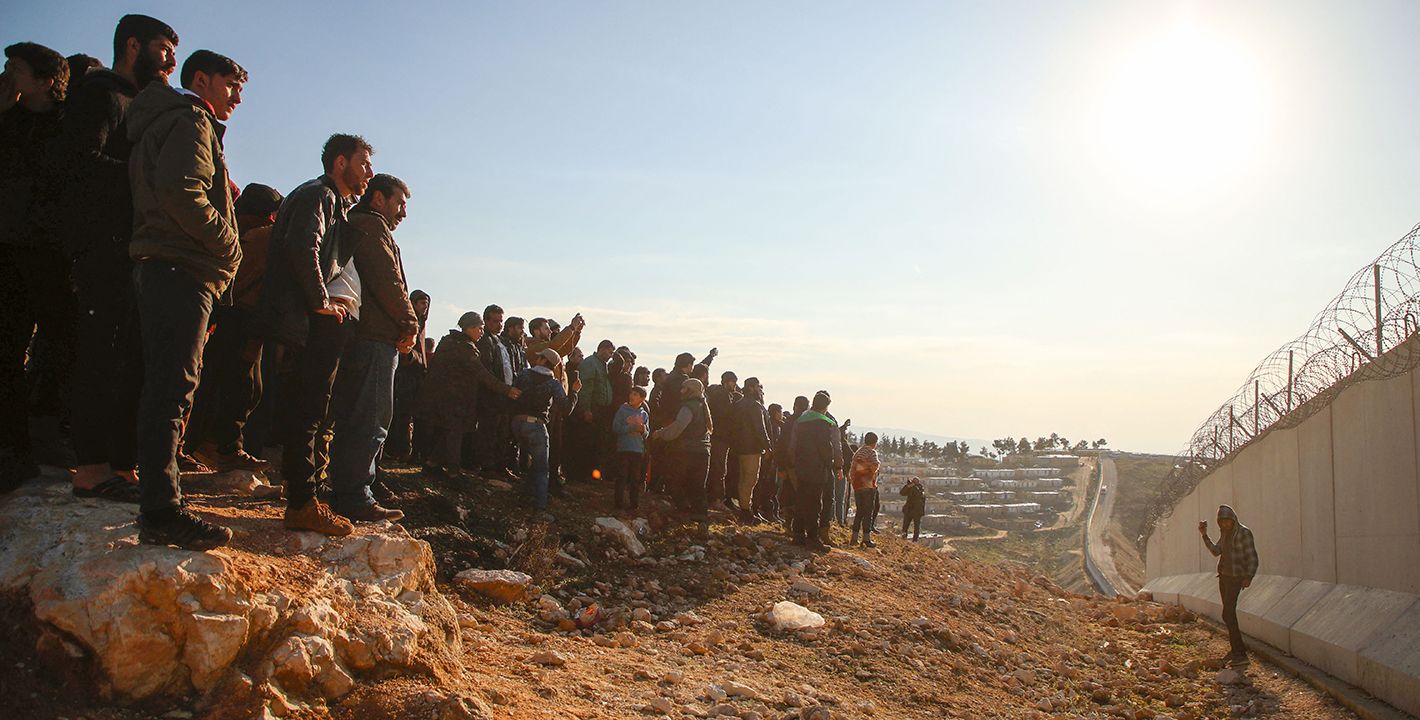
In Syria’s border regions, changes in demographics, economics, and security mean that an inter-Syrian peace process will require consensus among main regional powers that Syria must remain united, that no one side can be victorious, and that perennial instability threatens the region.

Kheder Khaddour, Armenak Tokmajyan
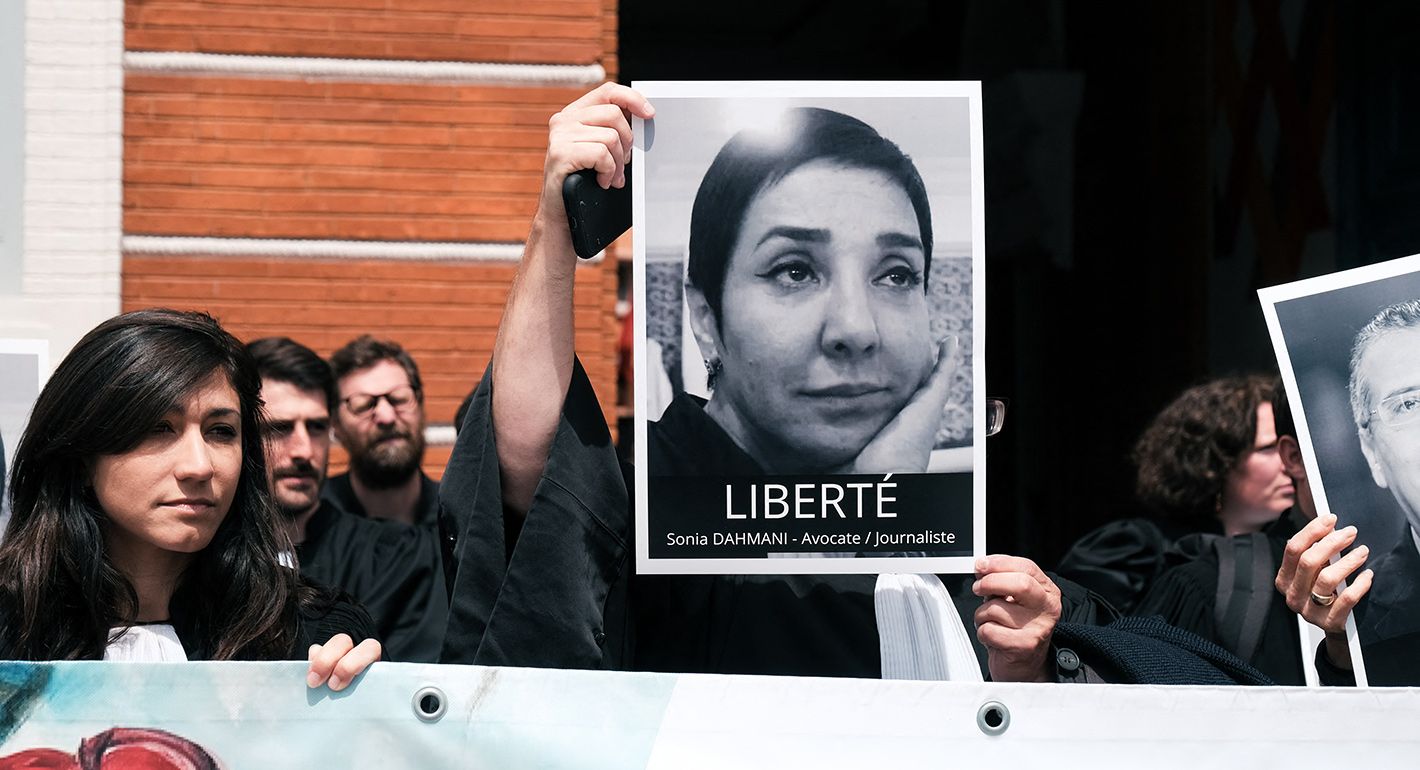
For many in the society, the post-Ben Ali years were mainly about successive economic crises and political instability.
Jasmine Khelil