

Paper
- +3
Rajesh Bansal, Anirudh Burman, Rudra Chaudhuri, …
{
  "authors": [
    "Srinath Raghavan"
  ],
  "type": "legacyinthemedia",
  "centerAffiliationAll": "",
  "centers": [
    "Carnegie Endowment for International Peace",
    "Carnegie India"
  ],
  "collections": [],
  "englishNewsletterAll": "",
  "nonEnglishNewsletterAll": "",
  "primaryCenter": "Carnegie India",
  "programAffiliation": "",
  "programs": [],
  "projects": [],
  "regions": [
    "South Asia",
    "India"
  ],
  "topics": [
    "Domestic Politics"
  ]
}
Source: Getty
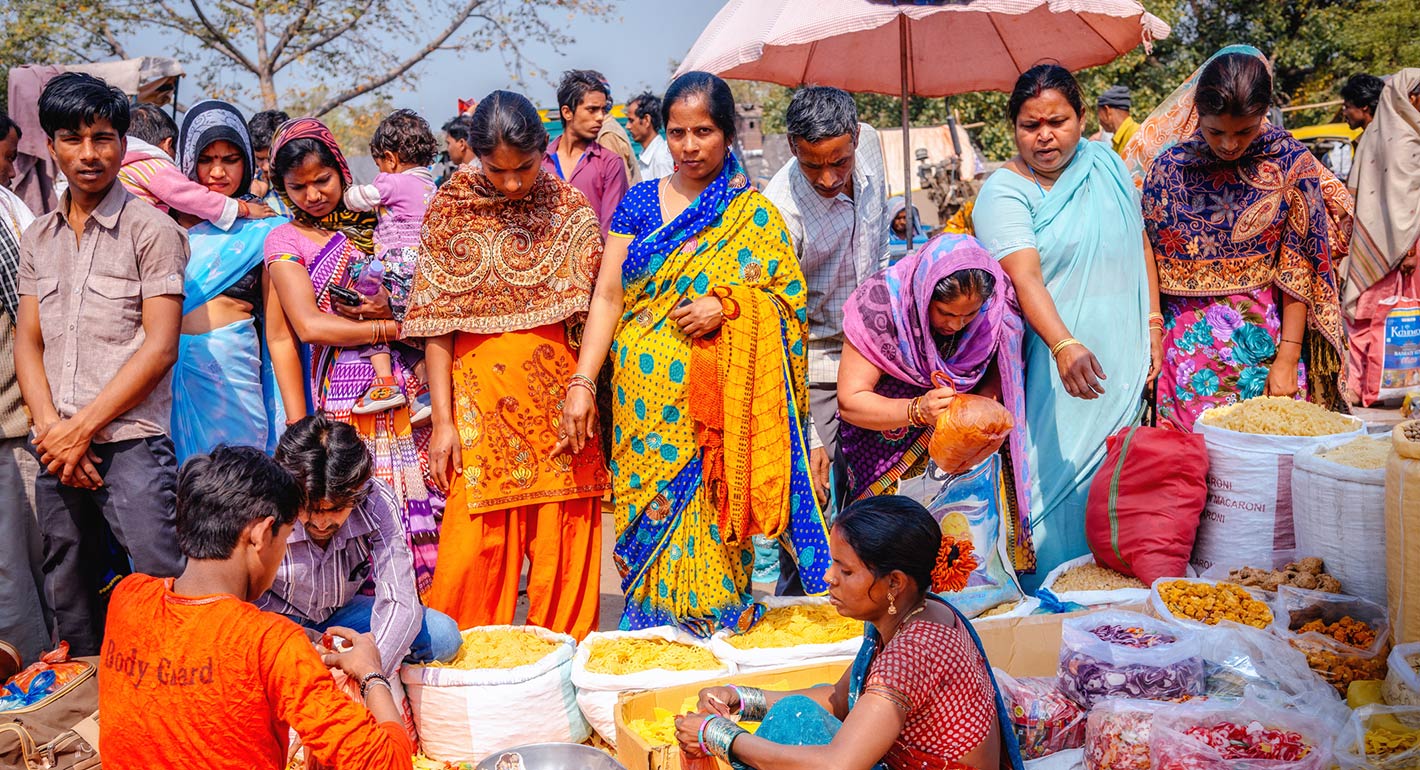
The Kashmir valley has lately been aswirl with rumours of an impending move by the central government to scrap Article 35A of the Indian Constitution.
Source: Print
The Kashmir valley has lately been aswirl with rumours of an impending move by the central government to scrap Article 35A of the Constitution. The article, which prevents anyone who is not a state subject of Jammu & Kashmir from purchasing property and settling in the state, is seen as a vital safeguard for the autonomy of J&K.
Its removal, Kashmiris fear, would pave the way for a demographic transformation of the Valley. While the article has been on peoples’ mind owing to petitions in the Supreme Court challenging its validity, the latest bout of speculation has been triggered by concerns about increased paramilitary deployment in J&K, allegedly to contain the public fall-out from the scrapping of the article.

Nonresident Senior Fellow
Srinath Raghavan is a nonresident senior fellow at Carnegie India. His primary research focus is on the contemporary and historical aspects of India’s foreign and security policies.
Recent Work


Rajesh Bansal, Anirudh Burman, Rudra Chaudhuri, …
Srinath Raghavan
Carnegie does not take institutional positions on public policy issues; the views represented herein are those of the author(s) and do not necessarily reflect the views of Carnegie, its staff, or its trustees.
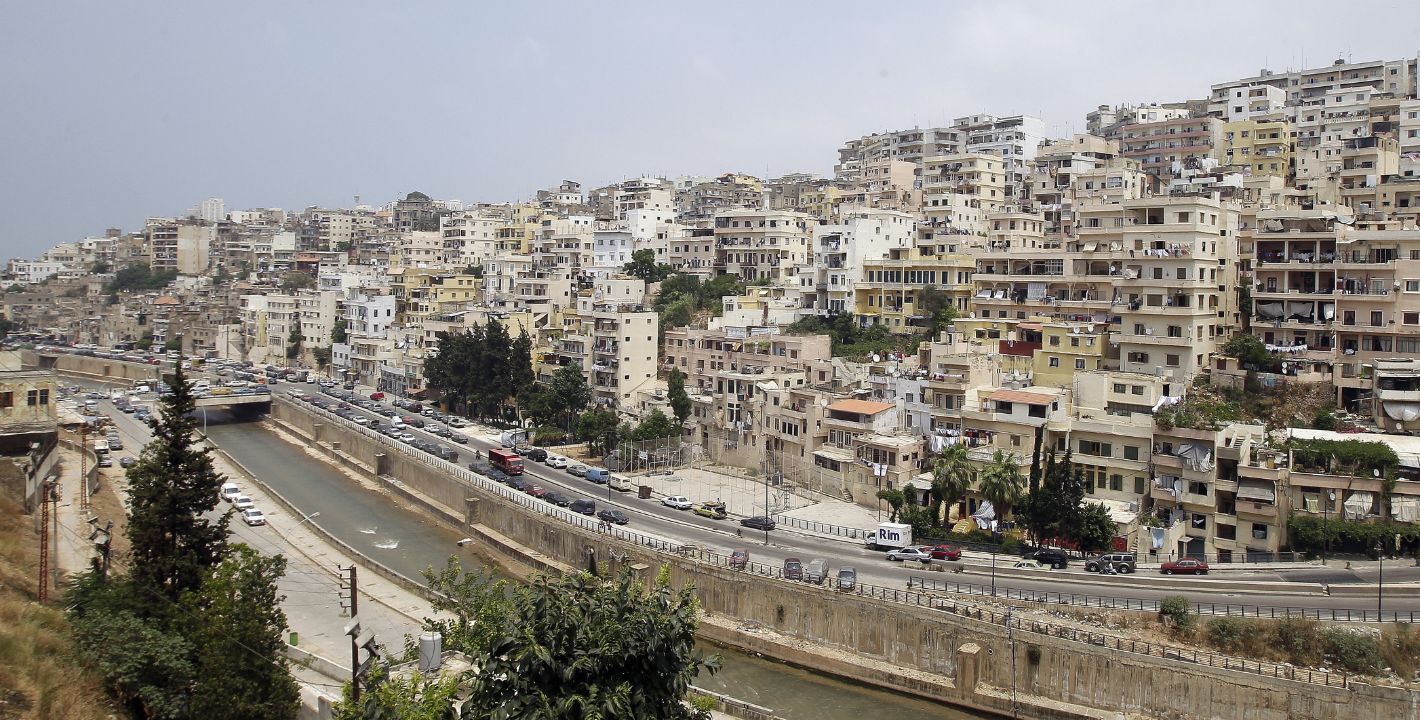
Municipal elections in the city may be a harbinger of developments in the Sunni community.

Issam Kayssi
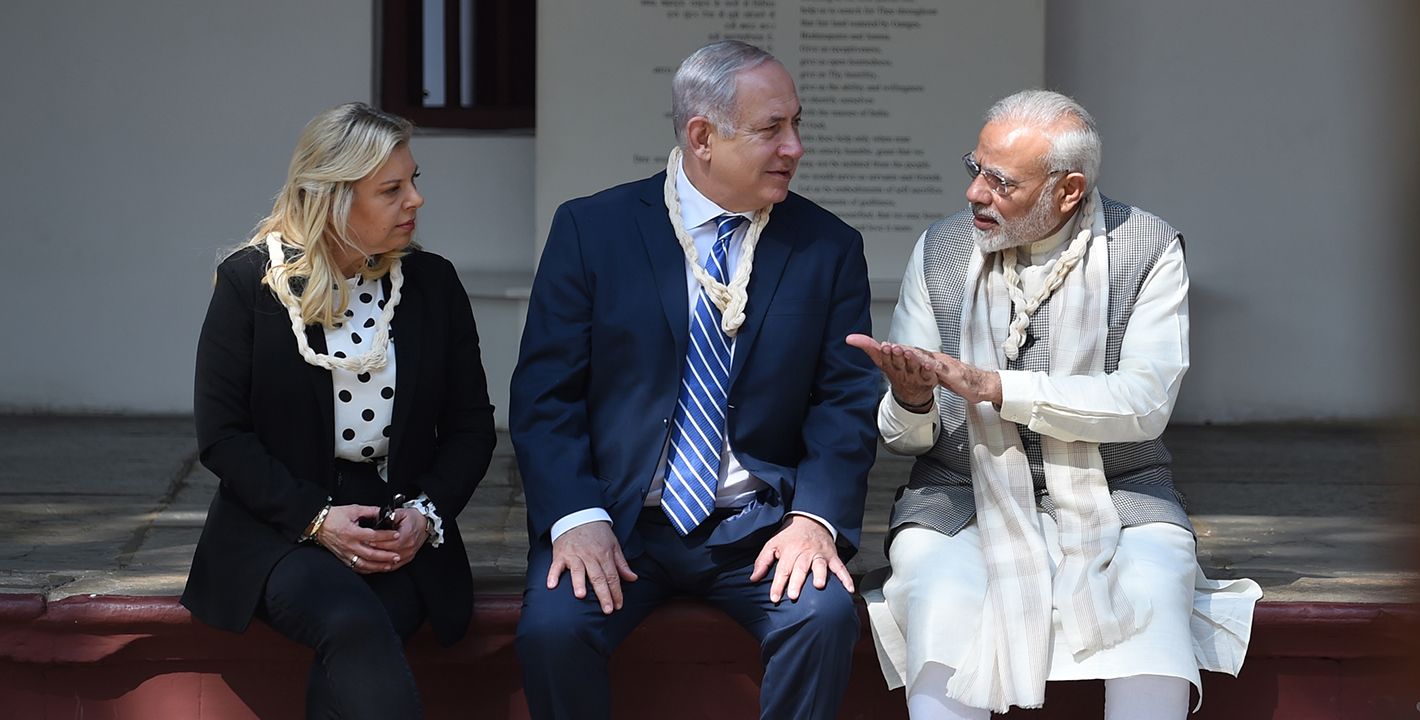
In an interview, Abhinav Pandya discusses the multiple facets of India’s ties with the Middle East.

Armenak Tokmajyan
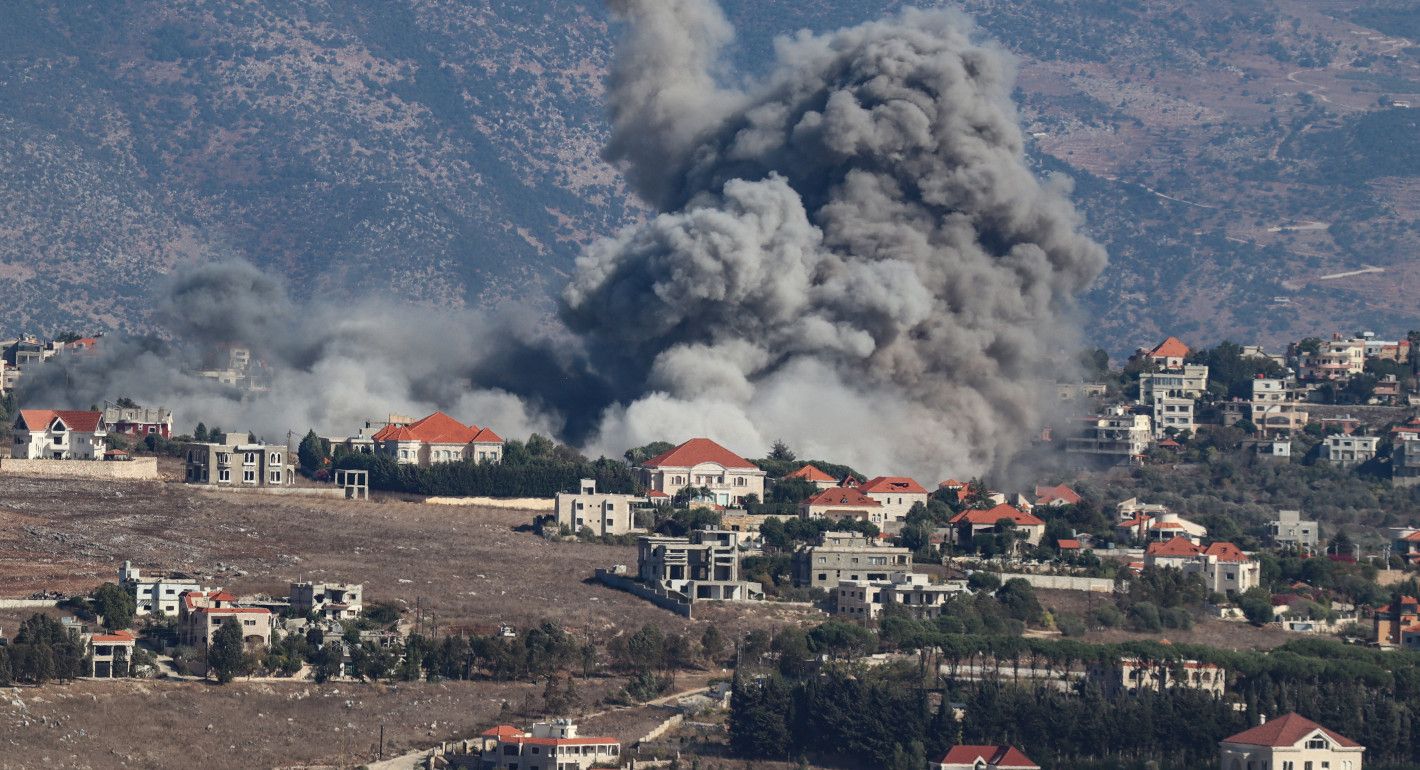
Political calculations on both sides make a ceasefire unlikely.

Yezid Sayigh
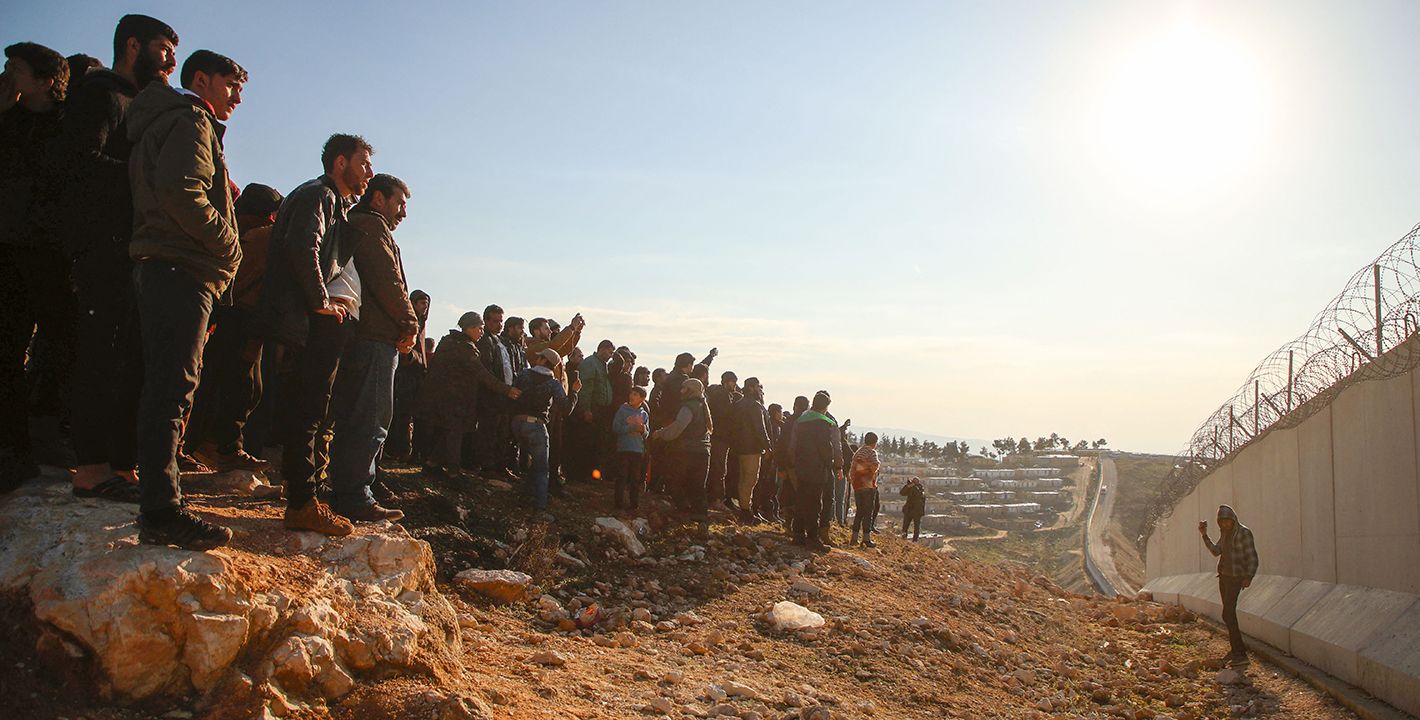
In Syria’s border regions, changes in demographics, economics, and security mean that an inter-Syrian peace process will require consensus among main regional powers that Syria must remain united, that no one side can be victorious, and that perennial instability threatens the region.
Kheder Khaddour, Armenak Tokmajyan
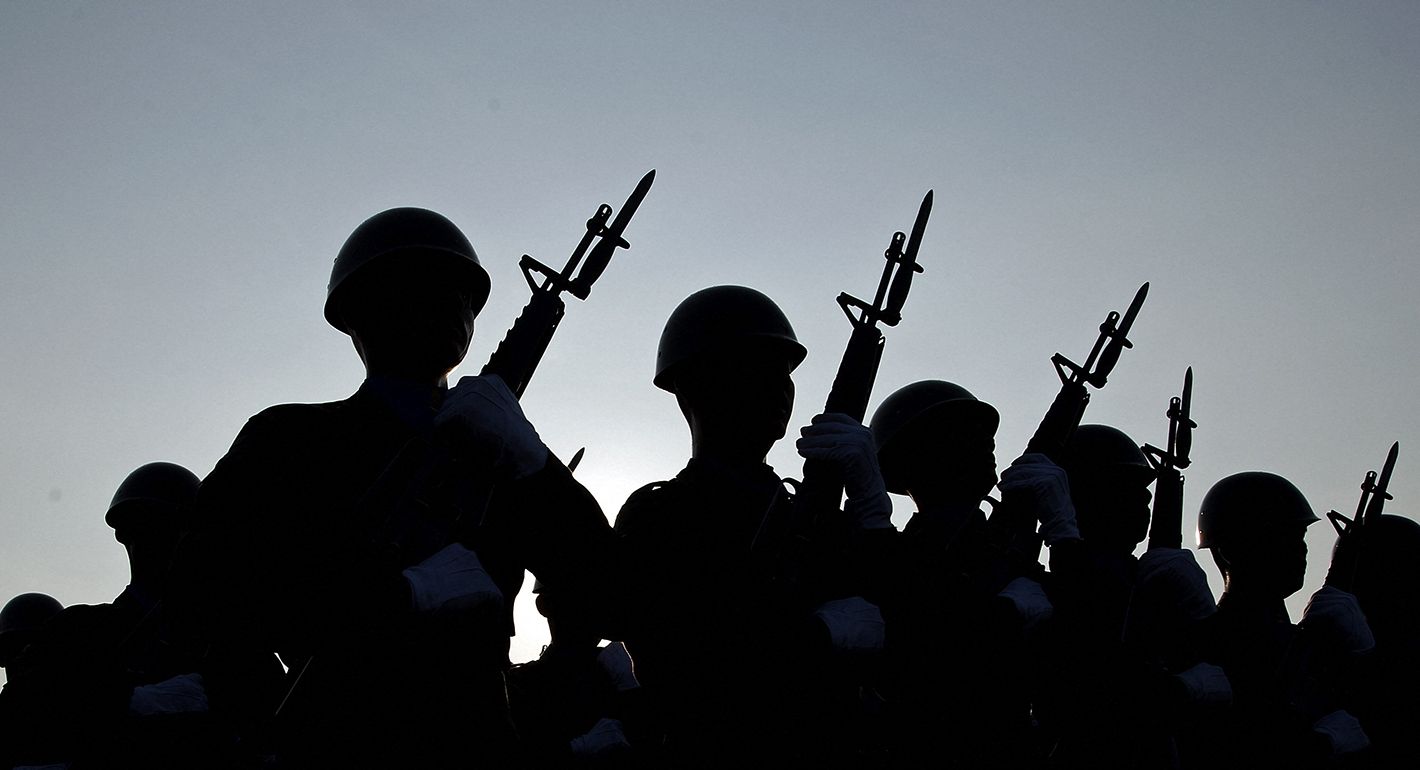
The interaction of national armed forces and private business sectors offers a useful lens for viewing the politics of numerous countries of the so-called Global South. A rising trend of military political activism—often accompanied by military commercial activity—underlines the importance of drivers and outcomes in these relationships.
Yezid Sayigh, Hamza Meddeb