

Other
François Godement, Ashley J. Tellis
{
  "authors": [
    "François Godement"
  ],
  "type": "legacyinthemedia",
  "centerAffiliationAll": "dc",
  "centers": [
    "Carnegie Endowment for International Peace"
  ],
  "collections": [],
  "englishNewsletterAll": "asia",
  "nonEnglishNewsletterAll": "",
  "primaryCenter": "Carnegie Endowment for International Peace",
  "programAffiliation": "AP",
  "programs": [
    "Asia"
  ],
  "projects": [],
  "regions": [
    "East Asia",
    "China"
  ],
  "topics": [
    "Democracy"
  ]
}
Source: Getty
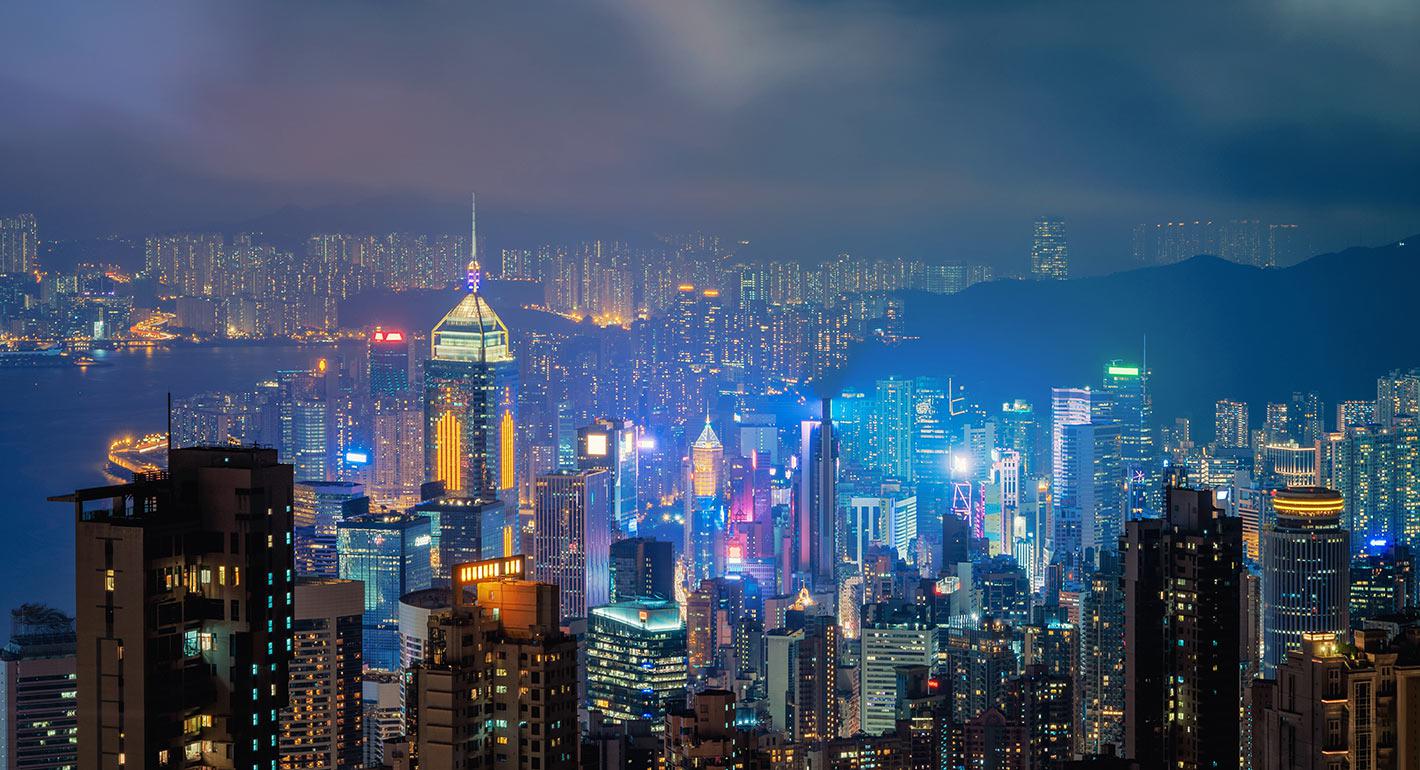
The demonstrations in Hong Kong are a delayed consequence of the Joint Declaration in 1984.
Source: Institut Montaigne
The collective intelligence and the civilized behavior of the Hong Kong people who have again massively demonstrated on August 18 deserve admiration.
But Hong Kong’s fate was sealed in 1984, when the Thatcher government signed the Joint Declaration for the retrocession to China in 1997. True, there was to be a 50-year reprieve as a Special Administrative Region run under the "One Country, Two Systems" maxim. But Deng Xiaoping had already insisted – in fact overruling Minister of Defence Geng Biao, Xi Jinping’s first boss – that PLA units would be stationed in Hong Kong after 1997. If at the time China promoted the idea that “Hongkongers rule Hong Kong”, it never agreed to a full democratic transition from colonial rule. Whatever the devilishly complex changes in electoral law since the early 1990s, it has been the basis of an agreement with the British that "functional constituencies" representing professional and interest groups, as well as appointed Electoral Committees, would balance the predictable effects of direct democratic vote. Neither Hongkongers nor China have changed: in 1991, two years after Tiananmen, democratic activists took 68 % of the direct vote. In 2016, they still represented 55 % of direct vote. The 2014 Umbrella Movement targeted, above all, the Electoral Committees. Today’s extraordinary mobilization again demands 100 % direct voting. China has wavered in its detailed views of Hong Kong’s electoral system, but it has never compromised on the main article – refusing direct democracy and controlling the appointment of the Region’s Chief Executive.
What we are seeing is a delayed consequence of the Joint Declaration. It was only Chris Patten, Hong Kong’s last colonial governor, who attempted to inject more democracy into the future electoral rules, and he was pilloried by China for this belated attempt. The young have been at the forefront of the Umbrella Movement and of today’s massive demonstrations not only because they suffer from the huge economic inequalities in Hong Kong, but simply because they know they will be around in 2047 and beyond. In fact, they have understood correctly that the preparation for this date is already underway.The physical reunification of Hong Kong with huge infrastructures and the new Greater Bay Area, the subtle changes such as shifting transit control to city stations inside Hong Kong, the project for an extradition law that follows cases of rendition by kidnapping, the tightening control of the press by financial means all point to another reality: the protective cover of "One Country, Two Systems" has started dissolving well ahead of 2047. It is feigned naiveté to pretend we are surprised that this is happening.
This article was originally published by Institut Montaigne.

Former Nonresident Senior Fellow, Asia Program
Godement, an expert on Chinese and East Asian strategic and international affairs, was a nonresident senior fellow in the Asia Program at the Carnegie Endowment for International Peace.
Recent Work
François Godement, Ashley J. Tellis

François Godement, Abigaël Vasselier
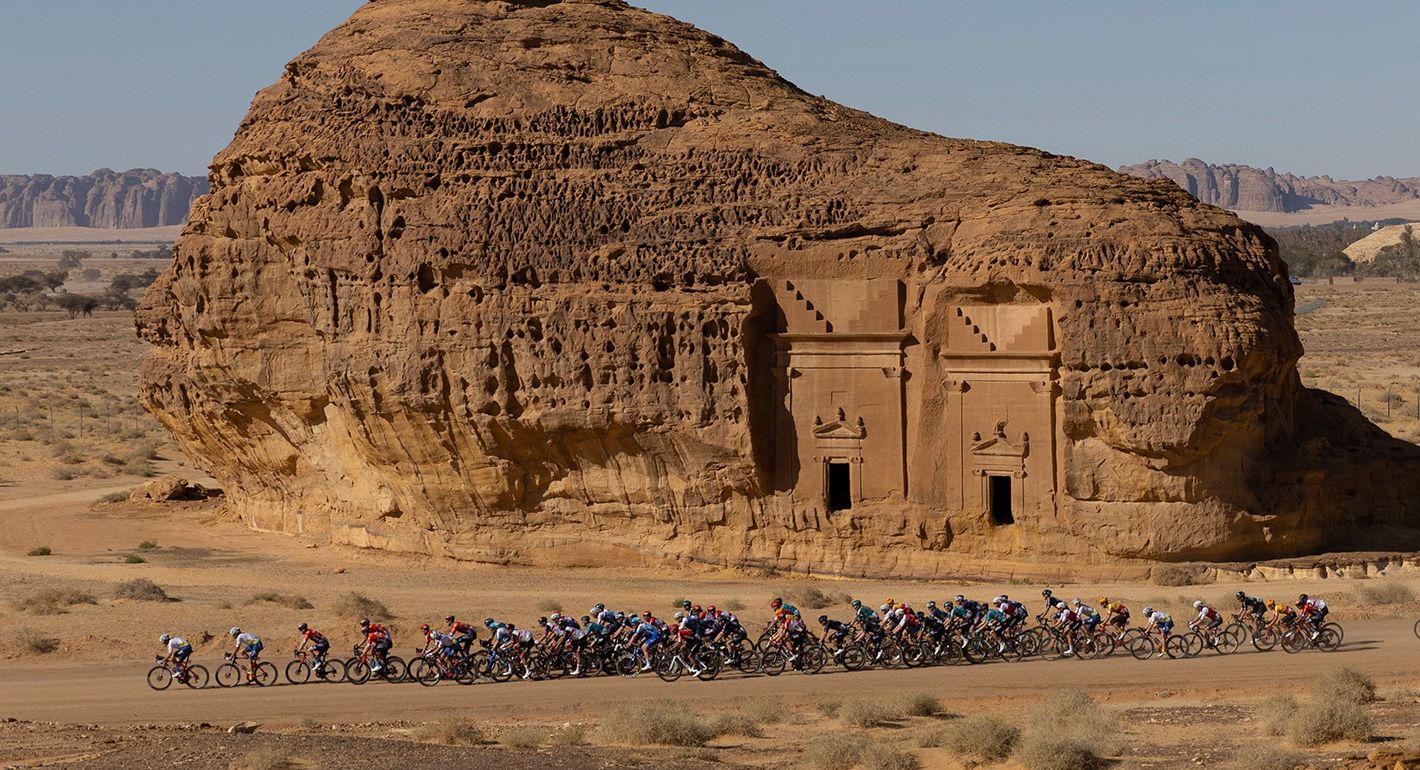
China has aligned its cooperation model with Saudi Arabia’s own priorities, most notably since the kingdom unveiled its Vision 2030. Although China announced the Belt and Road Initiative in 2013, the big push in relations happened only after the ascendance of King Salman to the throne in 2015 and Riyadh’s push for Beijing to meet Saudi needs.

Hesham Alghannam
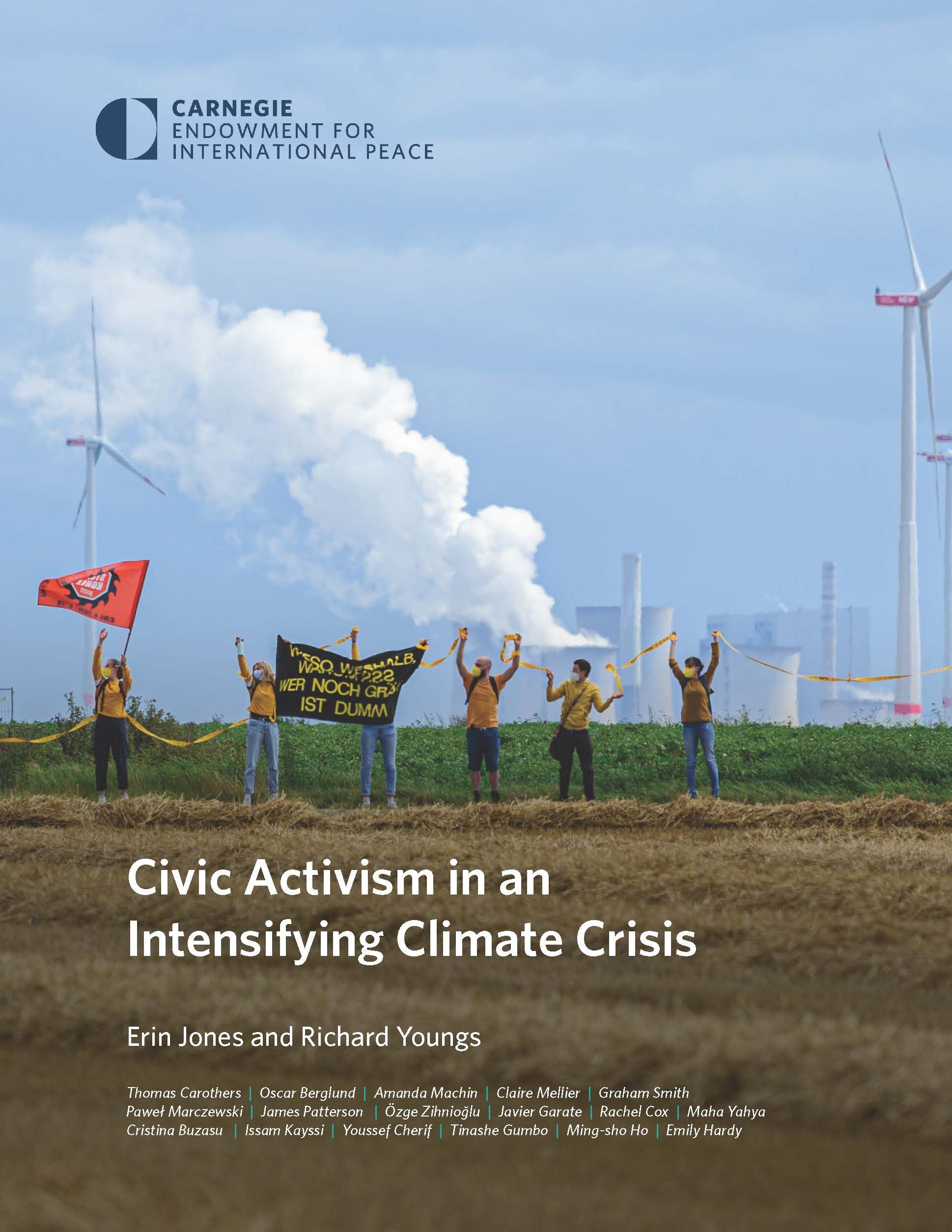
To address the deepening climate crisis, climate activism is employing a wider variety of tactics and aiming at a broader set of goals. In response, the movement faces stronger repression and civic backlash against climate action.

Erin Jones, Richard Youngs
The Gulf Cooperation Council has shifted its energy export focus to Asia, particularly India and China. This is part of a broader shift as GCC members look to expand their geopolitical alliances away from the West.

Alexandre Kateb
As members, organizers, and leaders, women continue to play an important role in the General Union of Tunisian Workers and advance its political advocacy.
Heba F El-Shazli
The emir has just put parliament and the constitution on the backburner, but for what purpose?

Nathan J. Brown