

Commentary
- +1
Paul Haenle, Xue Gong, Ngeow Chow Bing, …
{
  "authors": [
    "Paul Haenle"
  ],
  "type": "commentary",
  "centerAffiliationAll": "",
  "centers": [
    "Carnegie Endowment for International Peace",
    "Carnegie China"
  ],
  "collections": [
    "China’s Foreign Relations",
    "Carnegie China Commentaries"
  ],
  "englishNewsletterAll": "",
  "nonEnglishNewsletterAll": "",
  "primaryCenter": "Carnegie China",
  "programAffiliation": "",
  "programs": [],
  "projects": [],
  "regions": [
    "East Asia",
    "China"
  ],
  "topics": []
}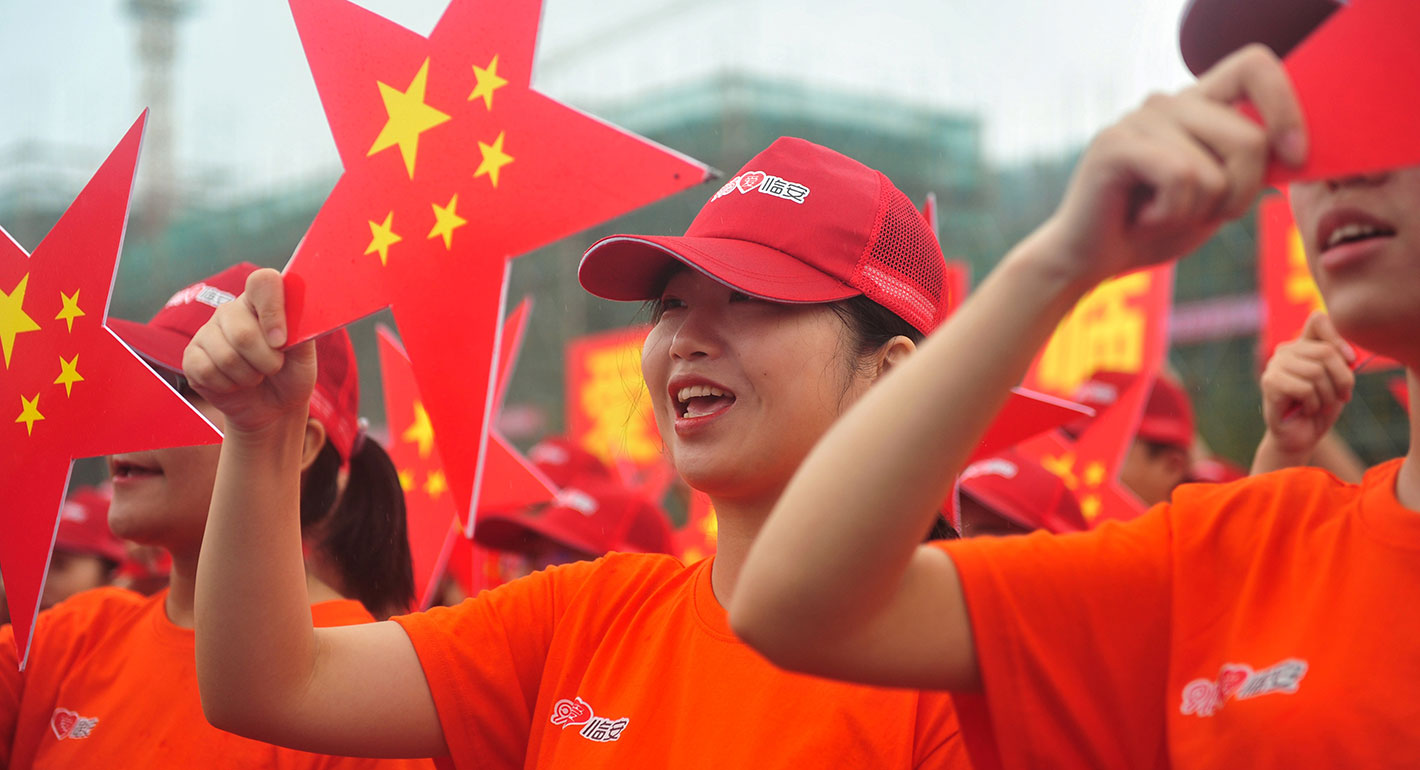
Source: Getty
Since the founding of the People’s Republic of China, the relationship between the two superpowers has been transformed.
Dramatic changes in China and the United States have caused tremors in the bilateral relationship. Shifts in Beijing’s domestic politics and foreign policy, combined with changes in Washington, are catapulting U.S.-China ties into a new era. There is a growing consensus in the United States that future relations with China will likely be dominated by economic, technological, and military competition.
For most of the first three decades after the founding of the People’s Republic of China on October 1, 1949, Washington saw Beijing as an ideological and military adversary. The victory of Mao Zedong’s Chinese Communist Party over the Nationalist Party (Kuomintang) coincided with the Cold War between Washington and Moscow. In the early years of Mao’s rule, the United States maintained official relations with the Nationalist Party government, whose leaders had fled to Taiwan.
On October 1, 1950, exactly one year later, U.S. soldiers crossed the Thirty-Eighth Parallel on the Korean Peninsula, entering North Korea. China would fight its first war as a sovereign nation against the United States a few weeks later—the Korean War.
In the 1960s, two important developments changed this trajectory. First, diplomatic relations between China and the Soviet Union became strained, at a time when Moscow loomed as Washington’s most threatening adversary. Second, the Sino-Soviet split led to new thinking in the United States about the potential benefits of improved relations with China.
Ping-pong diplomacy in the early 1970s ( a series of people-to-people exchanges involving table tennis players from the two countries), then secretary of state Henry Kissinger’s secret China visit, and former president Richard Nixon’s historic trip to China in 1972 all laid the foundation for the normalization of relations on January 1, 1979.
This was a turning point in the U.S.-China relationship. It coincided with Beijing’s monumental decision to begin economic reform and opening up. Chinese experts often note the Chinese decision was deeply intertwined with the normalization of bilateral relations. China’s reform and opening up brought great benefits to the Chinese people over the next several decades. Unsurprisingly, it also led to concomitant improvements in U.S.-China relations, including deeper people-to-people ties and economic links.
In the fall of 2013, Beijing’s new leaders announced an ambitious set of economic reforms that led many to believe China’s process of reform and opening up would continue and even accelerate. These reforms were presented as being in line with the country’s national interests and aimed at driving its continued development.
Disappointingly, this process has stalled over the last several years, and in many cases, it has even been reversed. Not surprisingly, China’s economy is slowing down, U.S.-China relations are under great strain, and other developed nations are voicing concerns about Beijing’s changing domestic and international behavior. However, there is still a win-win solution to be had. If Beijing were to pursue reform and opening up, it could further its own development and help alleviate strains in relations with the United States and the world.
On October 1, 2019, China will celebrate the seventieth anniversary of its founding. This year also marks forty years since the beginning of China’s reform and opening up and the normalization of U.S.-China relations. One of the most important questions these anniversaries raise is: Will China continue to reform and open up?
This quick take is part of a series authored by scholars from across the Carnegie Endowment’s global network, in advance of the seventieth anniversary of the founding of the People’s Republic of China.

Former Maurice R. Greenberg Director’s Chair, Carnegie China
Paul Haenle held the Maurice R. Greenberg Director’s Chair at the Carnegie Endowment for International Peace and is a visiting senior research fellow at the East Asian Institute, National University of Singapore. He served as the White House China director on the National Security Council staffs of former presidents George W. Bush and Barack Obama.
Recent Work


Paul Haenle, Xue Gong, Ngeow Chow Bing, …

Paul Haenle, Chong Ja Ian

China has aligned its cooperation model with Saudi Arabia’s own priorities, most notably since the kingdom unveiled its Vision 2030. Although China announced the Belt and Road Initiative in 2013, the big push in relations happened only after the ascendance of King Salman to the throne in 2015 and Riyadh’s push for Beijing to meet Saudi needs.

Hesham Alghannam

The Gulf Cooperation Council has shifted its energy export focus to Asia, particularly India and China. This is part of a broader shift as GCC members look to expand their geopolitical alliances away from the West.

Alexandre Kateb
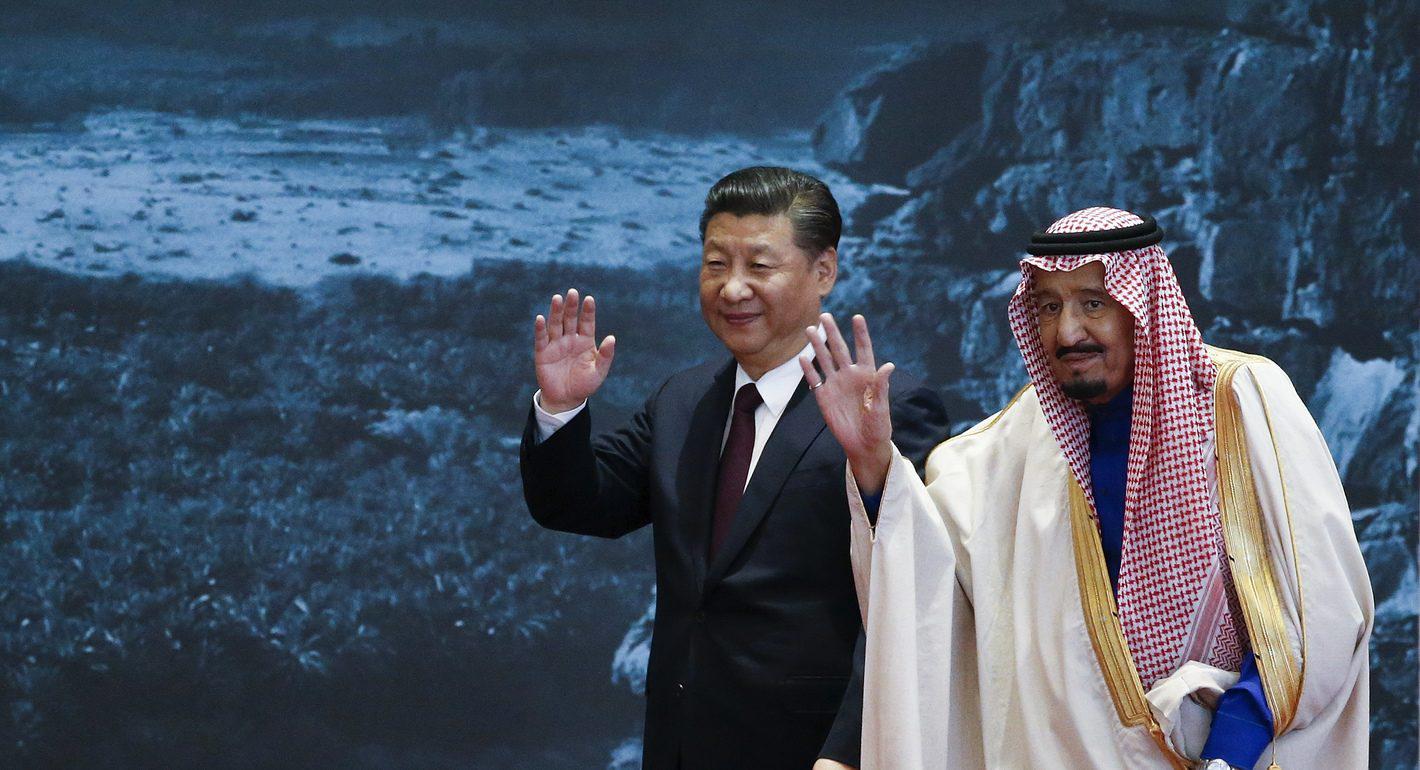
The advantage that China has over other global powers, especially America, is that its foreign policy is closely aligned with those of many of the Middle Eastern countries.

Jin Liangxiang, Maha Yahya, Hesham Alghannam
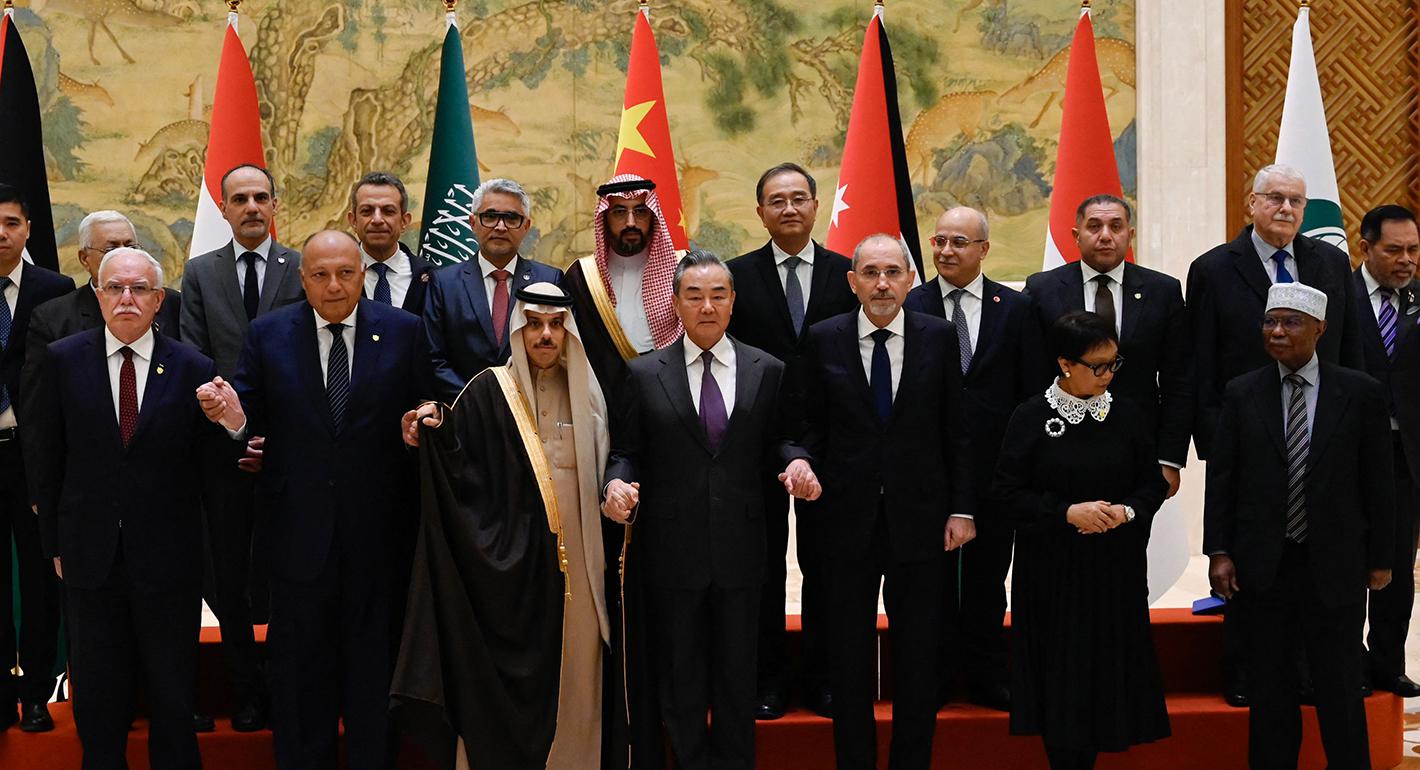
To create an environment more conducive to cooperation and development, U.S. and Chinese efforts should seek the endorsement of neighboring countries and regional organizations. Otherwise, regional and geopolitical rivalries will remain barriers.
Abdullah Baabood

Scholars from Carnegie’s global network comment on how the ongoing conflict between Israelis and Palestinians is affecting their areas of interest, and what the implications of this may be.


Maha Yahya, Rosa Balfour, Judy Dempsey, …