

Paper
Raluca Csernatoni, Alicia Wanless
{
  "authors": [
    "Raluca Csernatoni"
  ],
  "type": "legacyinthemedia",
  "centerAffiliationAll": "dc",
  "centers": [
    "Carnegie Endowment for International Peace",
    "Carnegie Europe"
  ],
  "collections": [],
  "englishNewsletterAll": "ctw",
  "nonEnglishNewsletterAll": "",
  "primaryCenter": "Carnegie Europe",
  "programAffiliation": "EP",
  "programs": [
    "Europe"
  ],
  "projects": [],
  "regions": [
    "Asia",
    "Europe",
    "North America",
    "United States",
    "East Asia",
    "China",
    "Western Europe",
    "Iran"
  ],
  "topics": [
    "EU",
    "Security",
    "Technology",
    "Military"
  ]
}
REQUIRED IMAGE
Artificial intelligence has the potential to revolutionize global strategic competition via commercial, civilian and military applications. Despite lagging behind the United States and China, the EU is launching several initiatives to become a leader in ethical AI.

Fellow, Carnegie Europe
Raluca Csernatoni is a fellow at Carnegie Europe, where she specializes on European security and defense, as well as emerging disruptive technologies.
Recent Work

Raluca Csernatoni, Alicia Wanless

Raluca Csernatoni, Patryk Pawlak
Carnegie does not take institutional positions on public policy issues; the views represented herein are those of the author(s) and do not necessarily reflect the views of Carnegie, its staff, or its trustees.

By failing to address Palestinian representation, the current process is bound to lead to just another temporary arrangement.

Nathan J. Brown

The armed forces champion a form of capitalism that is generating revenue, but its reliance on rent faces diminishing returns, leaving the country with massive sunk costs and deferred returns, deepening dependency on external borrowing.

Yezid Sayigh

Morocco and Algeria, each in its own way, are having to navigate the global economic fallout of the U.S.-Israeli military campaign against Iran.

Yasmine Zarhloule
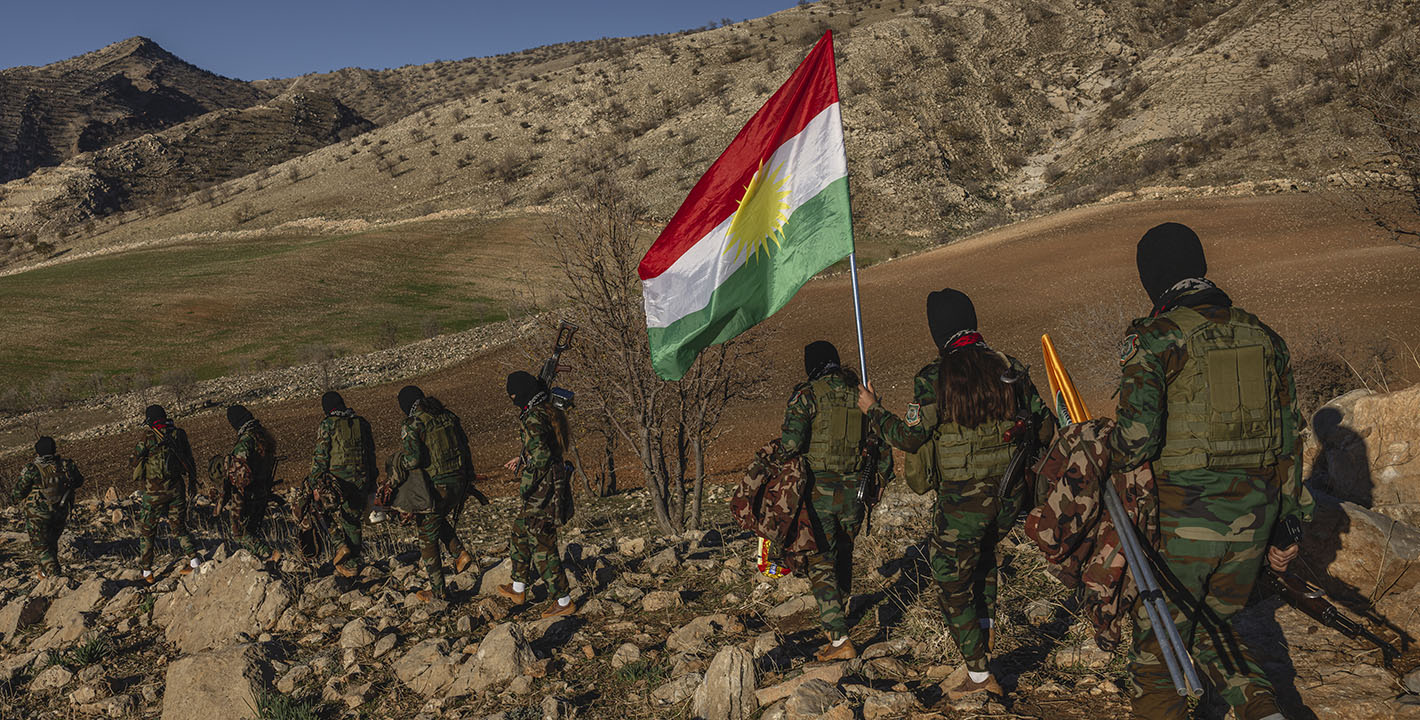
Following its deal with the United States, Iran may act against Iraq-based dissidents.
Wladimir van Wilgenburg
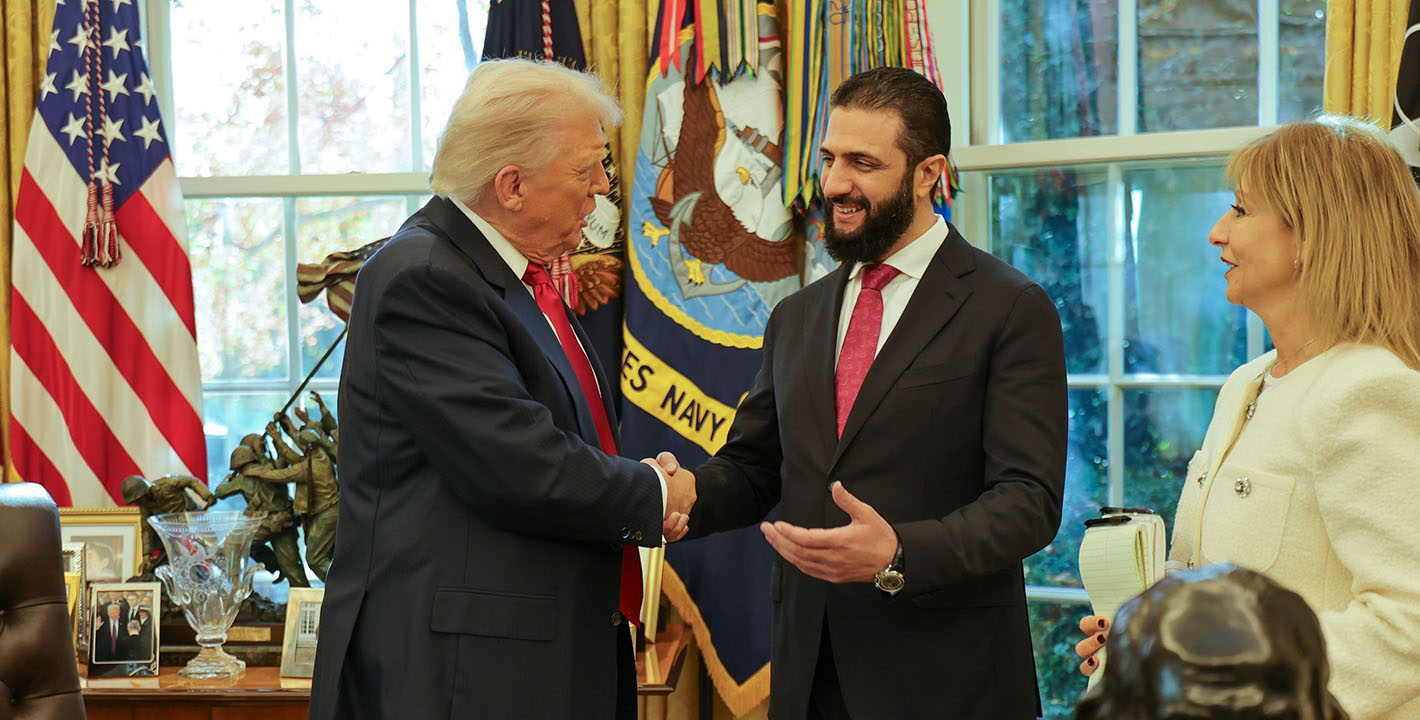
Any move by the United States to make good on Trump’s suggestion that Washington persuade Damascus to confront Hezbollah militarily would have catastrophic consequences.
Kheder Khaddour