

Article
Frederic Wehrey, Charles H. Johnson
{
  "authors": [
    "Frederic Wehrey"
  ],
  "type": "other",
  "centerAffiliationAll": "dc",
  "centers": [
    "Carnegie Endowment for International Peace",
    "Malcolm H. Kerr Carnegie Middle East Center"
  ],
  "collections": [],
  "englishNewsletterAll": "menaTransitions",
  "nonEnglishNewsletterAll": "",
  "primaryCenter": "Carnegie Endowment for International Peace",
  "programAffiliation": "MEP",
  "programs": [
    "Middle East"
  ],
  "projects": [],
  "regions": [
    "North Africa",
    "Libya"
  ],
  "topics": [
    "Political Reform"
  ]
}
Source: Getty
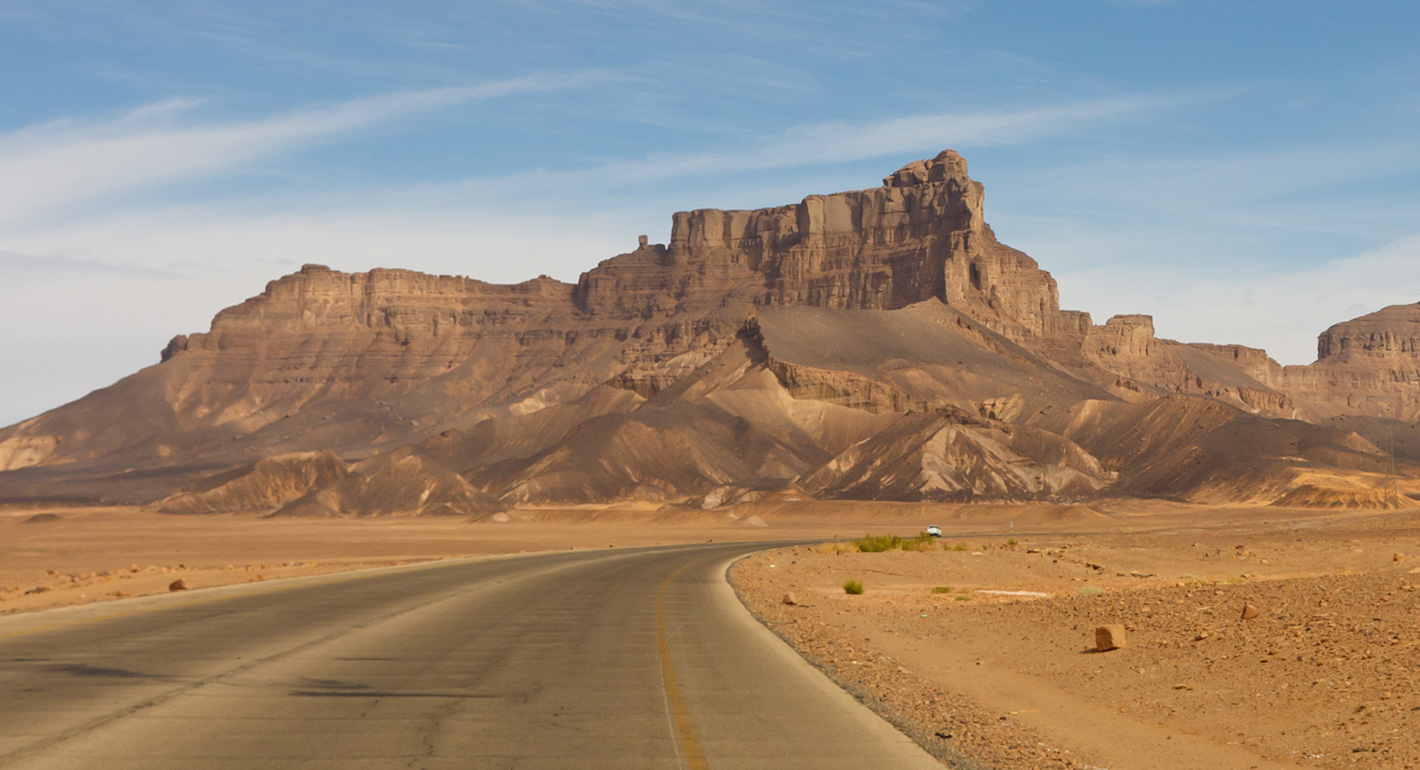
Beyond his testimony about the depredations of interwar imperialism, there are other reasons to revisit Knud Holmboe. The arc of his life, with its stark conversions, straddled the schisms and categories that divide the world still.
Source: New York Review of Books
In the summer of 1931, the security services in French-controlled Syria detained and deported a Danish journalist who had the previous year spent time in the Italian colonies of Tripolitania and Cyrenaica in North Africa, part of what would later become the modern state of Libya. The Italian fascists had reportedly contacted the French to request the expulsion of the twenty-eight-year-old traveler on the grounds that he was a dangerous subversive. French officials in Syria needed little convincing: the tall, blue-eyed Dane’s reputation had preceded his arrival and some of his reporting about Libya, they believed, had inspired anti-Italian riots in Syria that had left several dead. Soon after these disturbances, an article in the British press called the young man a “Danish Lawrence,” referring to T.E. Lawrence, the British military officer in World War I better known as “Lawrence of Arabia.”
This article was originally published in the New York Review of Books.

Senior Fellow, Middle East Program
Frederic Wehrey is a senior fellow in the Middle East Program at the Carnegie Endowment for International Peace, where his research focuses on governance, conflict, and security in Libya, North Africa, and the Persian Gulf.
Recent Work
Frederic Wehrey, Charles H. Johnson
Frederic Wehrey, Charles H. Johnson
Carnegie does not take institutional positions on public policy issues; the views represented herein are those of the author(s) and do not necessarily reflect the views of Carnegie, its staff, or its trustees.
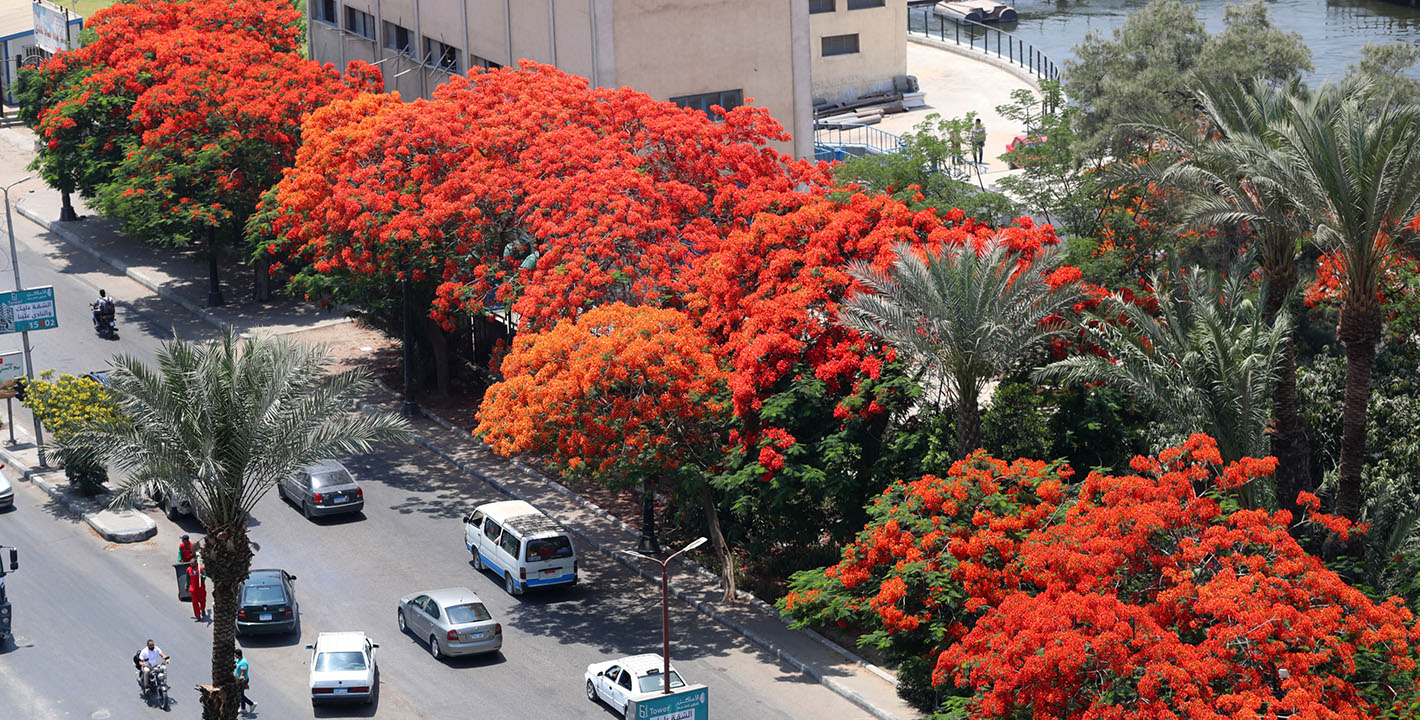
In Egypt’s dense cities, the disappearance of foliage has health implications and punishes daily commuters.

Angie Omar

The armed forces champion a form of capitalism that is generating revenue, but its reliance on rent faces diminishing returns, leaving the country with massive sunk costs and deferred returns, deepening dependency on external borrowing.

Yezid Sayigh
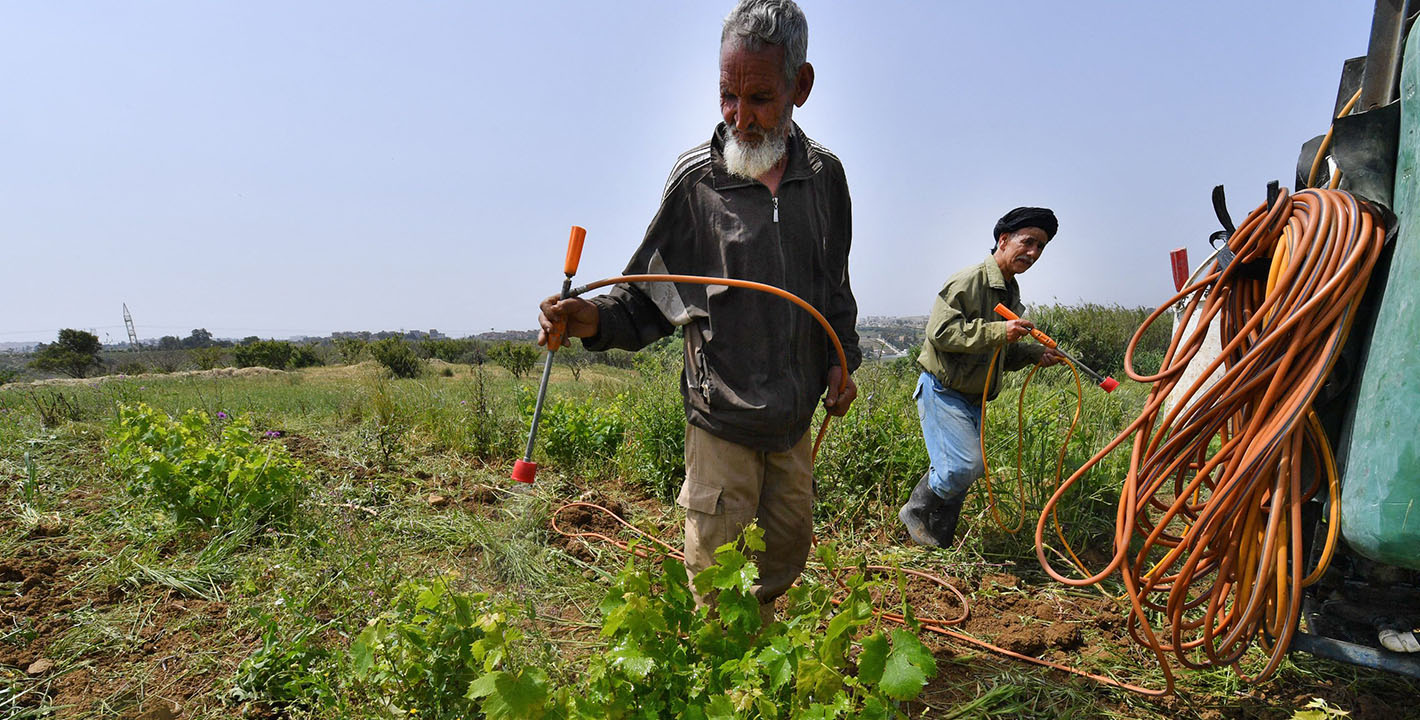
Understanding how farmers in the Oued Sahel-Soummam Valley grapple with climate change is essential for addressing the paradoxes through which adaptation, operating at both individual and institutional levels, deepens the region’s vulnerability and erodes the social fabric and agrarian identity that once defined life.
Ilyssa Yahmi
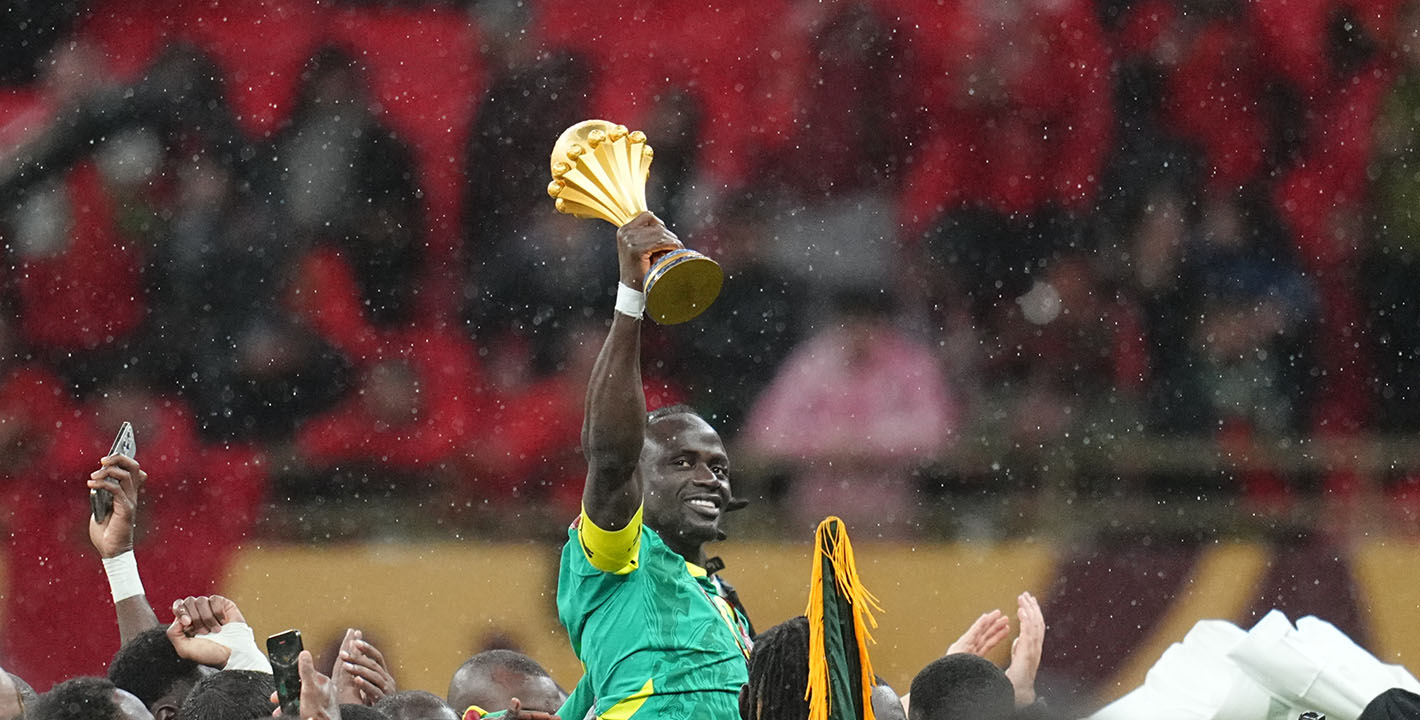
The recent African Cup of Nations tournament in Morocco touched on issues that largely transcended the sport.

Issam Kayssi, Yasmine Zarhloule
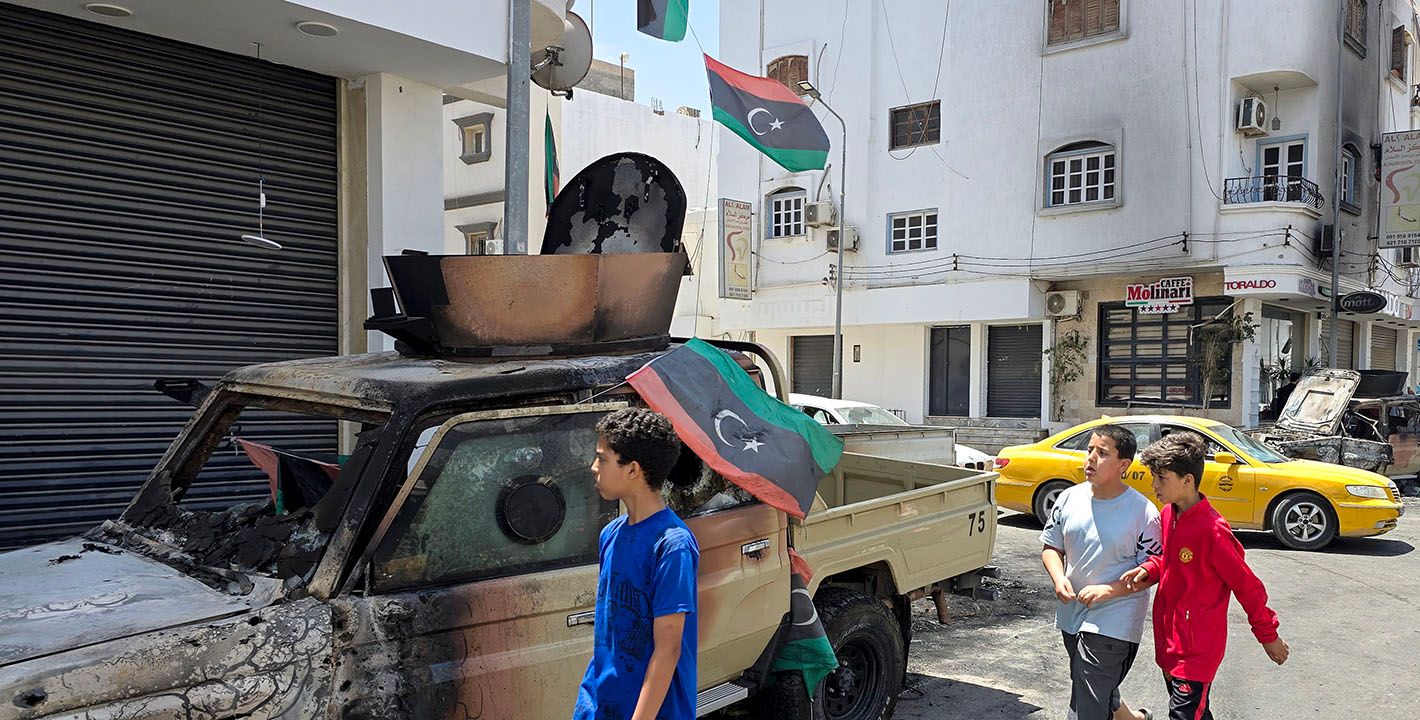
The UN Support Mission in the country should reassess its approach so that consensus between the warring parties becomes the eventual goal, rather than a procedural matter that dogs the negotiating process at every turn.
Soraya Rahem