

Other
- +5
Frances Z. Brown, Zainab Usman, Erin Jones, …
{
  "authors": [
    "Ashley Quarcoo"
  ],
  "type": "commentary",
  "centerAffiliationAll": "dc",
  "centers": [
    "Carnegie Endowment for International Peace",
    "Malcolm H. Kerr Carnegie Middle East Center"
  ],
  "collections": [],
  "englishNewsletterAll": "democracy",
  "nonEnglishNewsletterAll": "",
  "primaryCenter": "Carnegie Endowment for International Peace",
  "programAffiliation": "DCG",
  "programs": [
    "Democracy, Conflict, and Governance"
  ],
  "projects": [],
  "regions": [
    "North Africa",
    "Sudan"
  ],
  "topics": [
    "Political Reform",
    "Democracy"
  ]
}
Source: Getty
After decades of dictatorship, Sudan’s unlikely transition to democracy may finally be happening. How did the battle-scarred country reach this point, and what might derail the delicate transition?
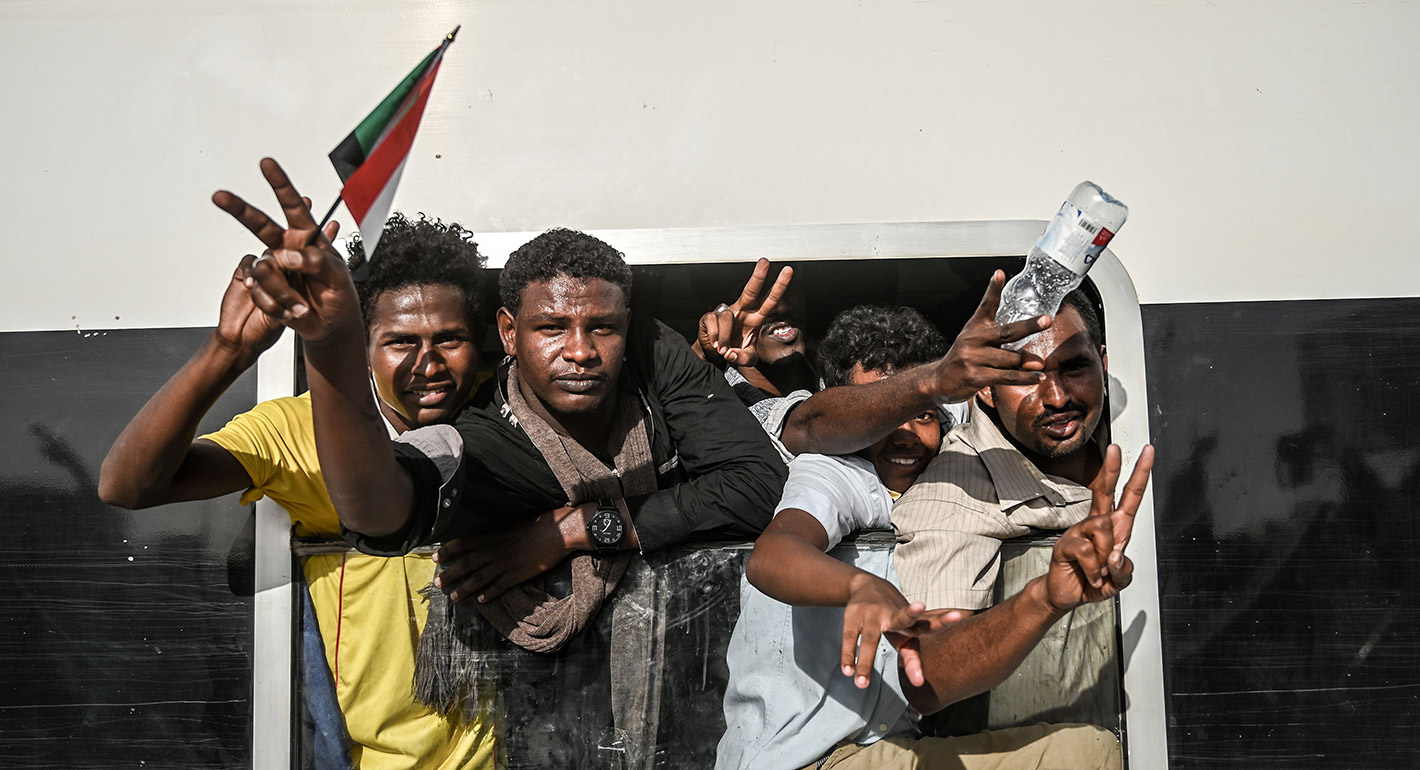
Just over a year ago, fuel and bread shortages sparked massive and prolonged street protests in Sudan. The ensuing chaos ultimately toppled Sudan’s military dictator and began a transition to eventual democratic civilian rule.
Since then, sweeping changes suggest the start of a new era for the country, one that could pave the way to an economic and political rebirth and transform Sudan’s relationship with the West. But will these changes go far enough, and will they stick?
Sudan had a truly remarkable year. After four months of protests, long-time dictator Omar al-Bashir was removed, jailed, and convicted of corruption. Bashir’s National Congress Party (NCP), through which he clung to political power for thirty years, was disbanded. He and his chief lieutenants now face war crimes charges that could see them stand trial at the International Criminal Court.
In August, following Bashir’s ousting, protesters and the military reached a transitional power-sharing agreement. They agreed that a joint military and civilian sovereign council will rule the country for three years, until elections can be held. In a move toward more inclusion, the sovereign council includes a Coptic Christian, and the new cabinet includes the country’s first female foreign minister.
Sudan’s transitional government has been busy. During its first one hundred days in power, it overturned the notorious Public Order Act, which clamped down on civil liberties and freedom of movement for women. To many, this acknowledges the pivotal role played by women in the protest movement. Christians, a historically persecuted religious minority, are enjoying newfound freedoms to worship openly, and once again took part in a March for Jesus holiday tradition that had been suspended under Bashir’s watch. These and other steps to promote religious freedom earned Sudan a nod from the United States, which in December removed it from its list of Countries of Particular Concern under the International Religious Freedom Act.
The new government is also taking aggressive steps to resolve the internal conflicts perpetuated by the former regime. In December, the transitional government and the Darfur armed movements signed a framework agreement for peace talks, the first meaningful step toward peace since 2011. For the first time in nearly a decade, a ceasefire between Khartoum and rebel groups has meant that humanitarian aid can be delivered to Blue Nile and South Kordofan, two opposition-held areas.
Yet despite these momentous changes, much in Sudan remains the same. Inflation continues to rise, and the government remains woefully short of foreign currency reserves.
Despite the push for accountability for the crimes of Bashir and his top lieutenants, it is unclear whether there can be justice on a broad scale, given that some of those involved in the Darfur conflict now run the government and could derail the fragile transition. General Muhammed Hamdan Dagalo, known as “Hemeti,” for example, is a dominant member of the sovereign council. He also leads the Rapid Support Forces (RSF), Sudan’s notorious paramilitary force known for its role in committing rights abuses in Darfur. The RSF is also suspected of massacring protesters holding a sit-in in Khartoum on June 3, 2019, in an attack in which more than one hundred people were killed and 200 disappeared.
Finally, the military is still in charge in Sudan, and will remain so for another seventeen months. It controls the security sector and has a tight grip on the black market. Given this context, it is unclear how far democratic and economic reforms in Sudan will go.
History tells us that Sudan faces an uphill battle toward democracy. Between 1946 and 2010, more than three-quarters of the world’s toppled autocratic regimes ended up in another form of autocracy. Less than a quarter successfully moved toward democracy.
Looking at the more recent global wave of citizen protests in autocracies and democracies alike, many nondemocratic governments have pulled off a balancing act, agreeing to a few reforms that let the air out of the protests and allow the regime to survive. We have yet to see whether the reform efforts in Sudan will be enough to calm the waters, and whether the military will ultimately accept civilian rule.
Much is at stake, but there is reason to be optimistic. One reason is the recent rapprochement with the United States, signaled by the first exchange of ambassadors in nearly a quarter of a century. Pressure is also building for the United States to remove Sudan from its State Sponsors of Terrorism list. This would shake off the country’s pariah status and allow desperately needed loans and foreign investment to trickle in, boosting the economy and showing the Sudanese people the benefits of a transition to democratic rule.
But the real changes will be in the hands of Sudan’s interim leaders, and the citizens that brought them to power. If they can forge a new relationship based on norms of participation, accountability, and responsiveness, then Sudan’s unlikely democratic transition may have a fighting chance.
Former Nonresident Scholar, Democracy, Conflict, and Governance Program
Ashley Quarcoo was a nonresident scholar with the Carnegie Endowment for International Peace’s Democracy, Conflict and Governance Program. She is also the senior director for democracy programs and pillars with the Partnership for American Democracy.
Recent Work

Frances Z. Brown, Zainab Usman, Erin Jones, …
Ashley Quarcoo, Medina Husakovic
Carnegie does not take institutional positions on public policy issues; the views represented herein are those of the author(s) and do not necessarily reflect the views of Carnegie, its staff, or its trustees.

The armed forces champion a form of capitalism that is generating revenue, but its reliance on rent faces diminishing returns, leaving the country with massive sunk costs and deferred returns, deepening dependency on external borrowing.

Yezid Sayigh
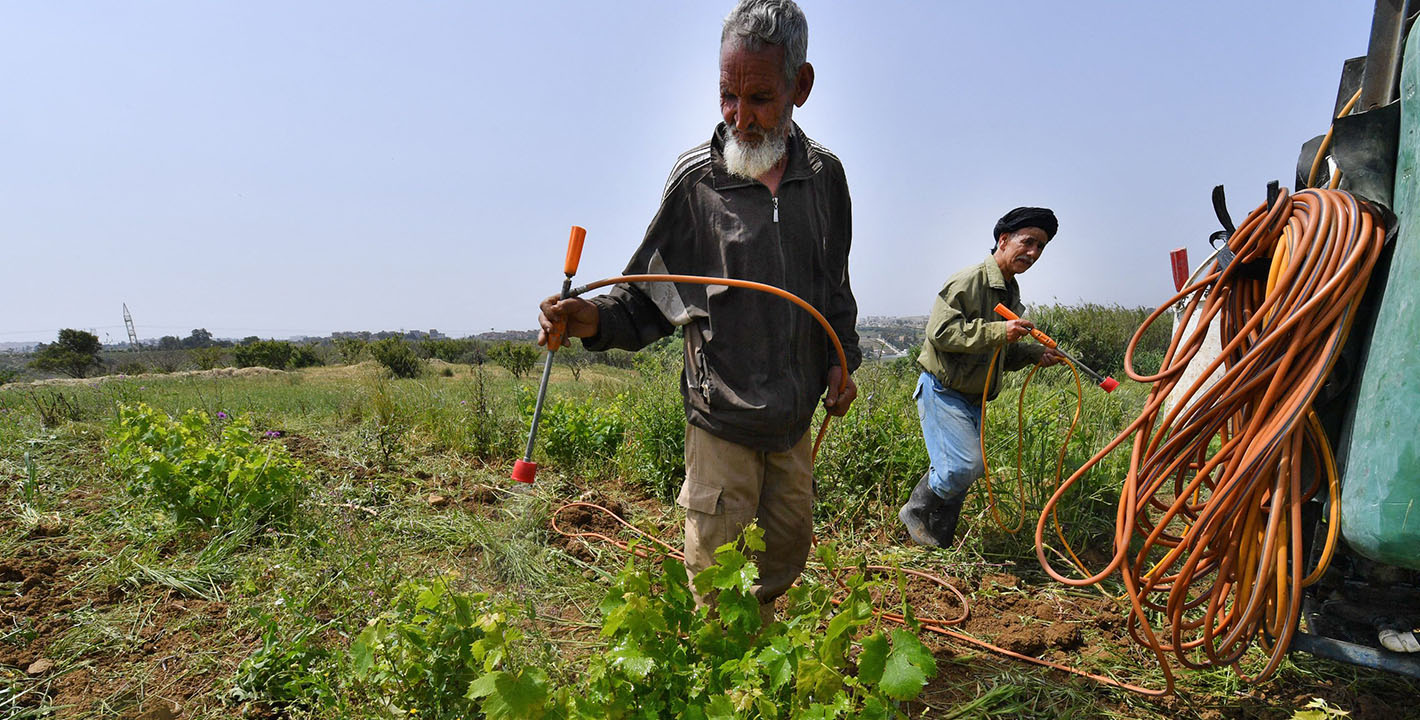
Understanding how farmers in the Oued Sahel-Soummam Valley grapple with climate change is essential for addressing the paradoxes through which adaptation, operating at both individual and institutional levels, deepens the region’s vulnerability and erodes the social fabric and agrarian identity that once defined life.
Ilyssa Yahmi
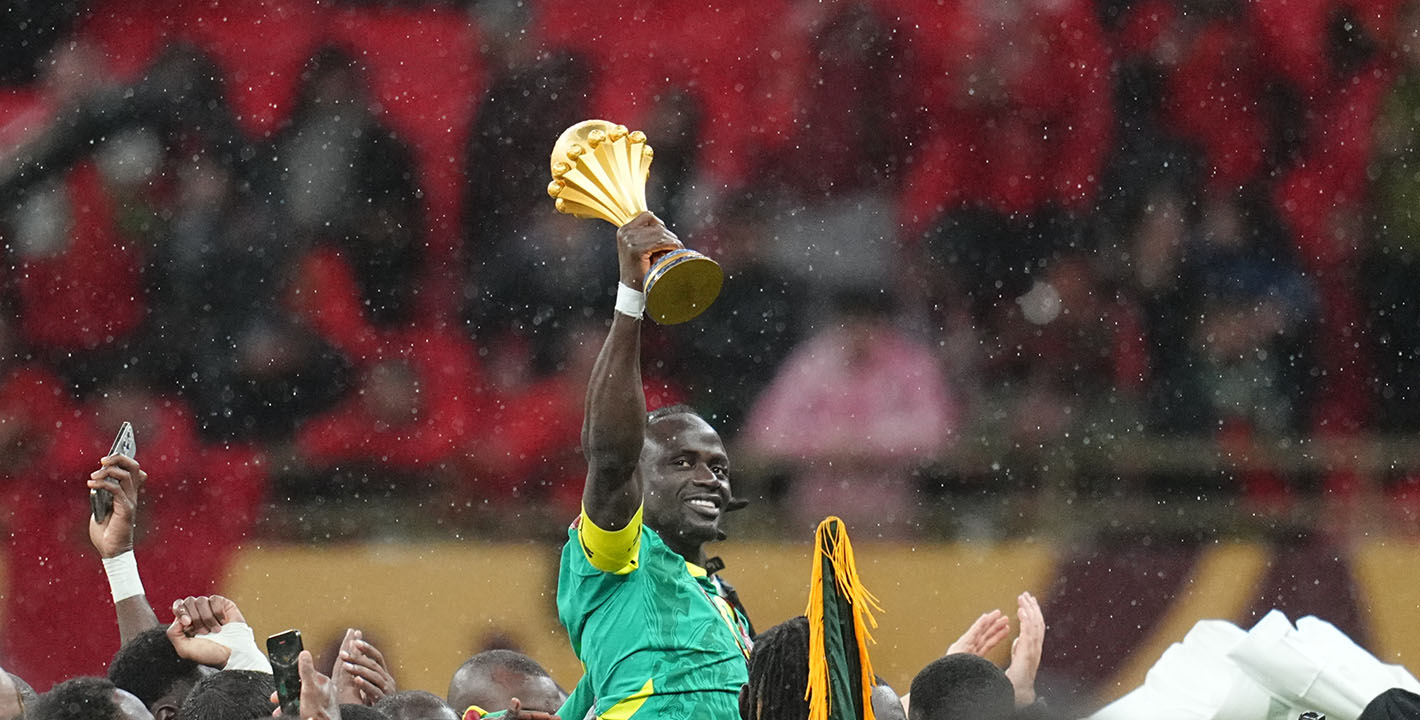
The recent African Cup of Nations tournament in Morocco touched on issues that largely transcended the sport.


Issam Kayssi, Yasmine Zarhloule
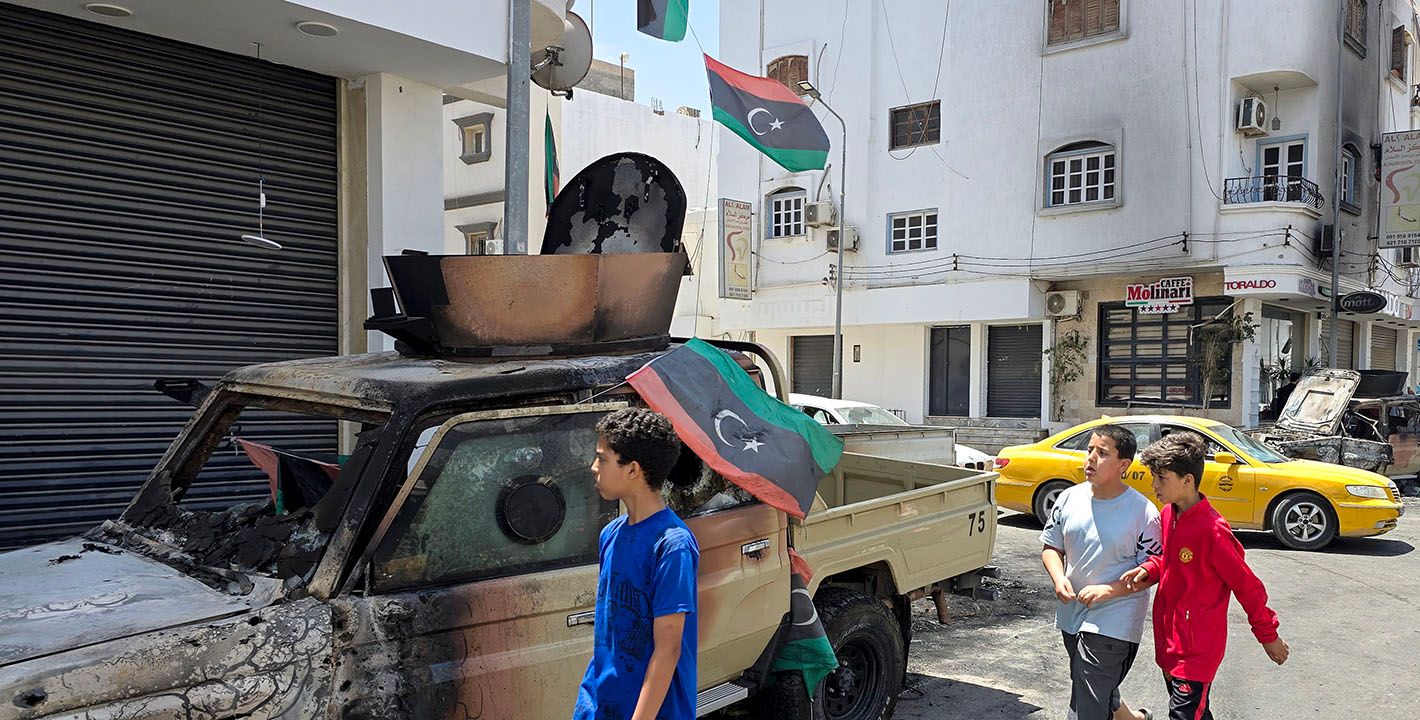
The UN Support Mission in the country should reassess its approach so that consensus between the warring parties becomes the eventual goal, rather than a procedural matter that dogs the negotiating process at every turn.
Soraya Rahem

Mustaqbal Misr has expanded its portfolio with remarkable speed, but a lack of transparency remains.
Yezid Sayigh