

Paper
Rajesh Bansal, Somya Singh
{
  "authors": [
    "Rajesh Bansal"
  ],
  "type": "legacyinthemedia",
  "centerAffiliationAll": "",
  "centers": [
    "Carnegie Endowment for International Peace",
    "Carnegie India"
  ],
  "collections": [],
  "englishNewsletterAll": "",
  "nonEnglishNewsletterAll": "",
  "primaryCenter": "Carnegie India",
  "programAffiliation": "",
  "programs": [],
  "projects": [],
  "regions": [
    "South Asia",
    "India"
  ],
  "topics": [
    "Domestic Politics"
  ]
}
Source: Getty
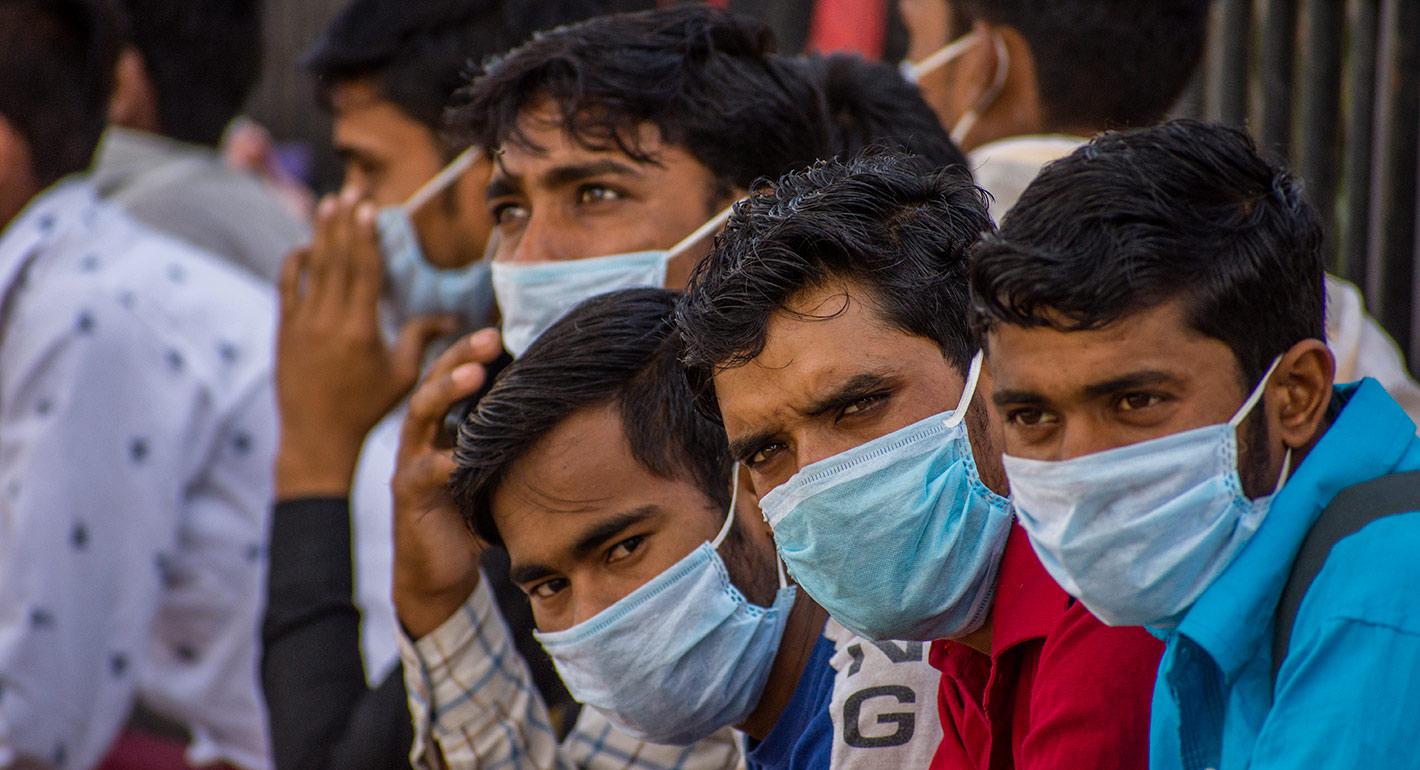
Large sections of India’s population are invisible to the state. That is why in crises like Covid and lockdown, we need one common social database.
Source: Print
In the current coronavirus crisis and the ensuing lockdown, most migrants in India find themselves suddenly jobless as factories close, supply chains shut down and services freeze. The Narendra Modi government has responded to the crisis by announcing several social protection schemes, including direct benefit transfers for certain sections of the population and free LPG refills, grains and pulses for the poor.
Former Senior Adviser, Carnegie India
Rajesh Bansal was a senior adviser at Carnegie India. His research focuses on financial technologies, particularly electronic payment systems, electronic cash transfers, and digital financial services to enable inclusive development. He leads the center’s technology and society program.
Recent Work
Rajesh Bansal, Somya Singh
Rajesh Bansal, Somya Singh
Carnegie does not take institutional positions on public policy issues; the views represented herein are those of the author(s) and do not necessarily reflect the views of Carnegie, its staff, or its trustees.
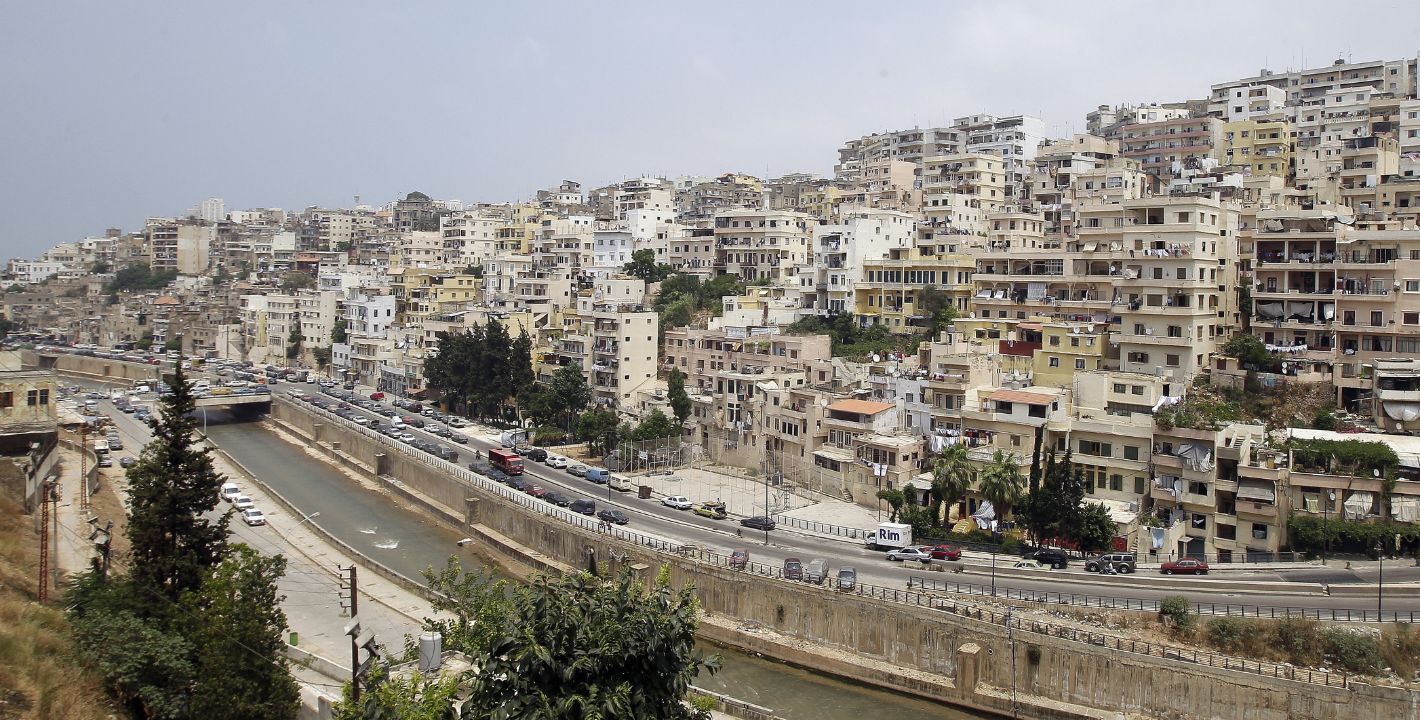
Municipal elections in the city may be a harbinger of developments in the Sunni community.

Issam Kayssi
In an interview, Abhinav Pandya discusses the multiple facets of India’s ties with the Middle East.

Armenak Tokmajyan
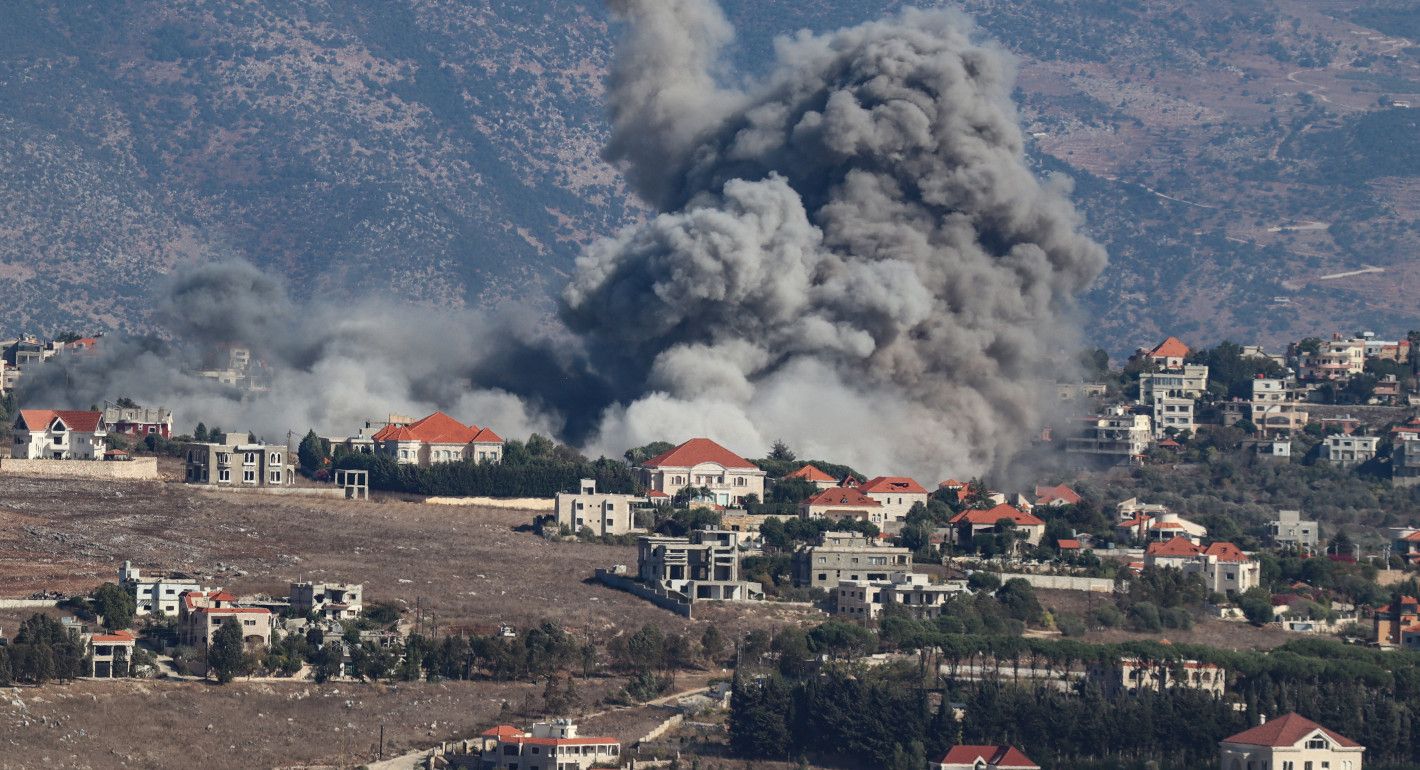
Political calculations on both sides make a ceasefire unlikely.

Yezid Sayigh
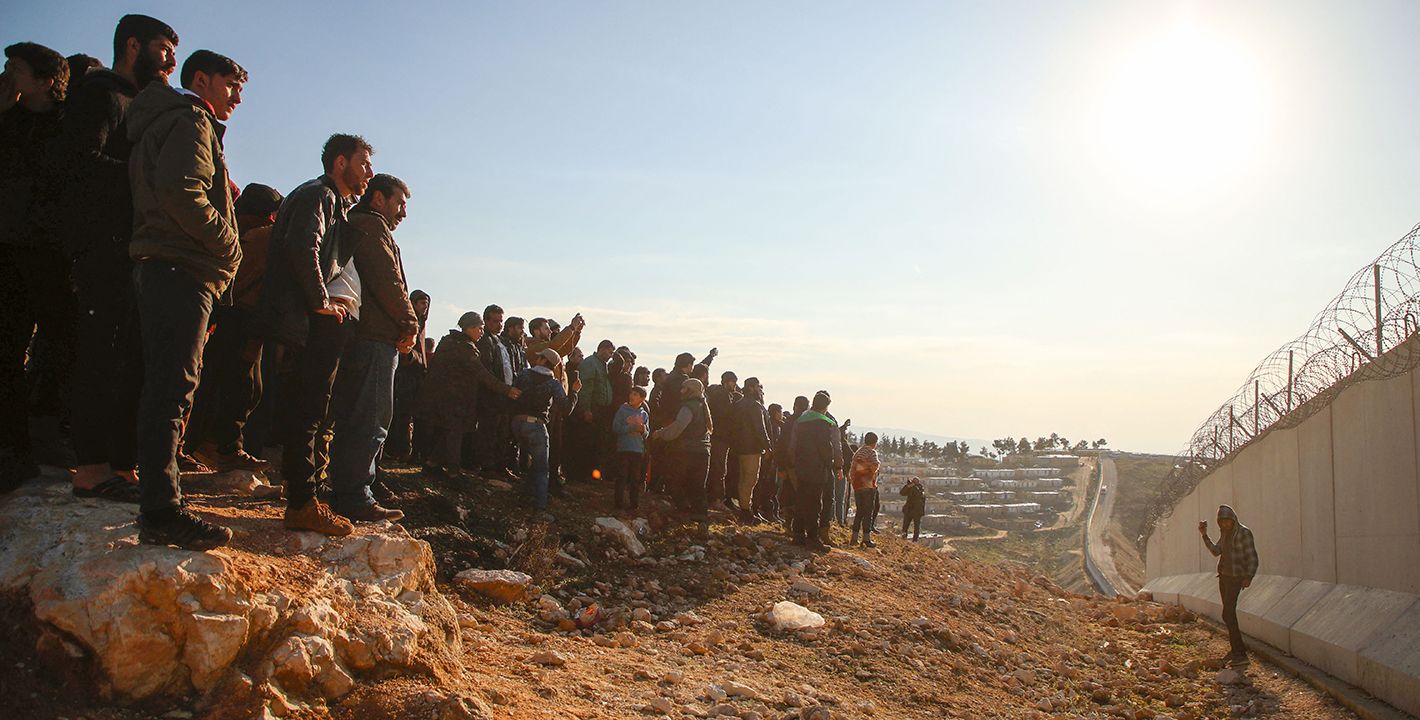
In Syria’s border regions, changes in demographics, economics, and security mean that an inter-Syrian peace process will require consensus among main regional powers that Syria must remain united, that no one side can be victorious, and that perennial instability threatens the region.

Kheder Khaddour, Armenak Tokmajyan
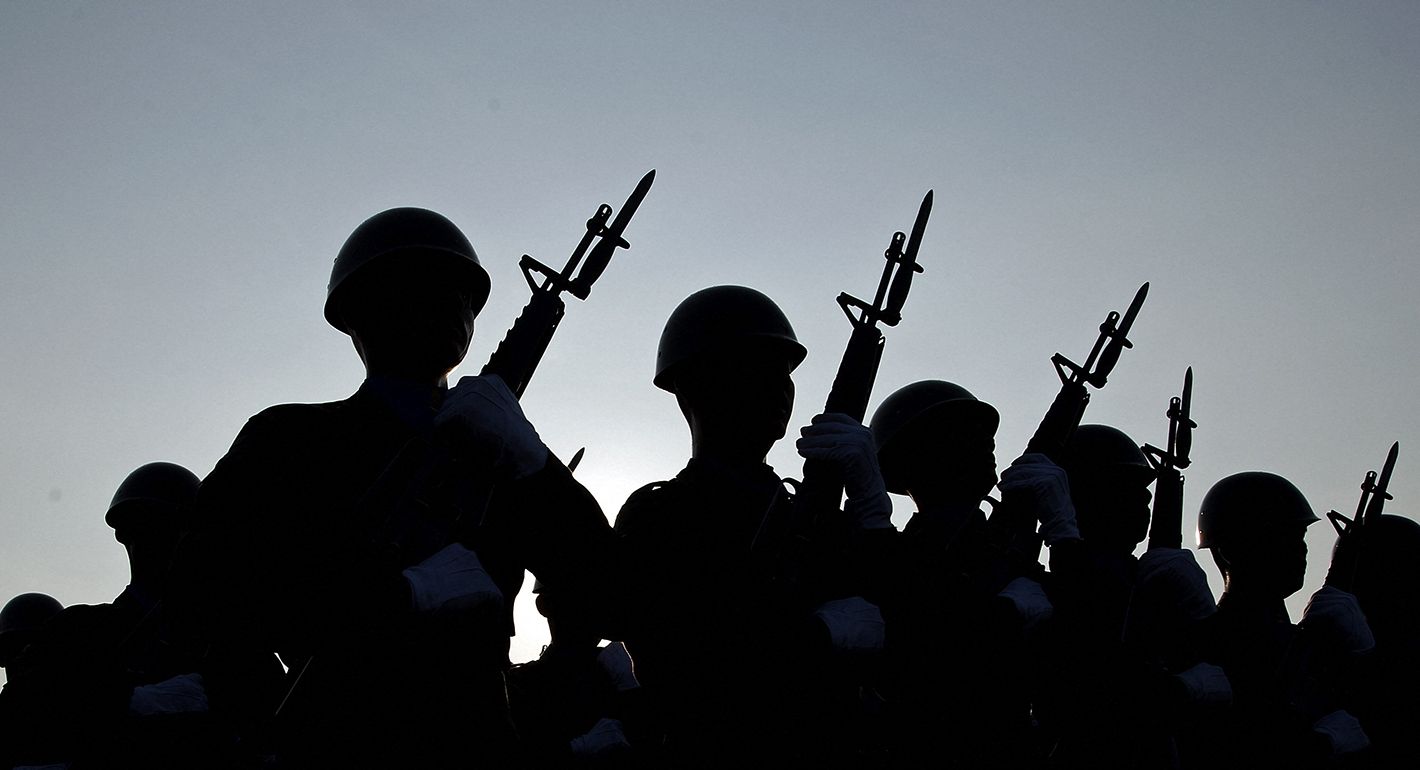
The interaction of national armed forces and private business sectors offers a useful lens for viewing the politics of numerous countries of the so-called Global South. A rising trend of military political activism—often accompanied by military commercial activity—underlines the importance of drivers and outcomes in these relationships.
Yezid Sayigh, Hamza Meddeb