

Other
- +18
James M. Acton, Saskia Brechenmacher, Cecily Brewer, …
{
  "authors": [
    "Tong Zhao"
  ],
  "type": "other",
  "centerAffiliationAll": "",
  "centers": [
    "Carnegie Endowment for International Peace",
    "Carnegie China"
  ],
  "collections": [],
  "englishNewsletterAll": "",
  "nonEnglishNewsletterAll": "",
  "primaryCenter": "Carnegie China",
  "programAffiliation": "",
  "programs": [],
  "projects": [],
  "regions": [],
  "topics": [
    "Arms Control",
    "Security"
  ]
}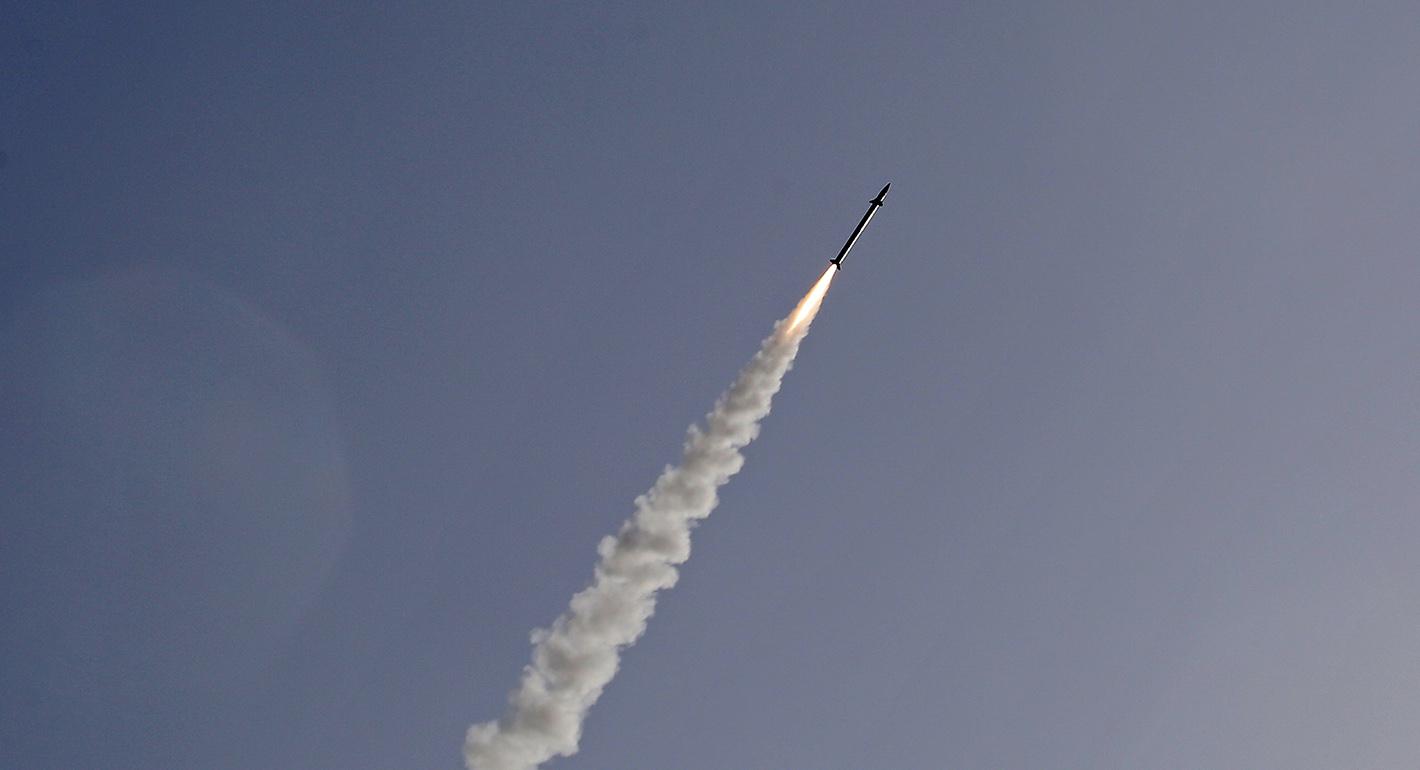
Source: Getty
The international debate about nuclear risk has catalogued many different kinds of risk and danger. But two stand out as especially salient: the risk of the nuclear arms race and the risk of employment of nuclear weapons arising out of a conventional conflict.
Source: Center for Global Security Research, Lawrence Livermore National Laboratory
The international debate about nuclear risk has catalogued many different kinds of risk and danger. But two stand out as especially salient: the risk of the nuclear arms race and the risk of employment of nuclear weapons arising out of a conventional conflict. The five nuclear weapon states (NWS) have a special responsibility to contain these risks. They also have a responsibility to try to manage the risk posed by nuclear proliferation. Constructive action by the five is both necessary and possible. But they face many challenges to such action, including the limits on their ability to cooperate given their wariness of each other.
This essay explores four areas to focus improved NWS cooperation to reduce nuclear risk. These include efforts to:
Prevent decoupling of NWS nuclear policy communities
Frame principles for cooperative nuclear risk reduction
Address areas of concern about future strategic military balances
Elevate and deepen existing dialogues

Senior Fellow with the Nuclear Policy Program and Carnegie China
Tong Zhao is a senior fellow with the Nuclear Policy Program and Carnegie China, Carnegie’s East Asia-based research center on contemporary China. Formerly based in Beijing, he now conducts research in Washington on strategic security issues.
Recent Work

James M. Acton, Saskia Brechenmacher, Cecily Brewer, …
Tong Zhao
Carnegie does not take institutional positions on public policy issues; the views represented herein are those of the author(s) and do not necessarily reflect the views of Carnegie, its staff, or its trustees.

Just look at Iraq in 1991.

Marwan Muasher

Baku may allow radical nationalists to publicly discuss “reunification” with Azeri Iranians, but the president and key officials prefer not to comment publicly on the protests in Iran.

Bashir Kitachaev
In addressing Hezbollah’s disarmament, the Lebanese state must start by increasing its own leverage.

Michael Young
The country’s political and military establishment is still debating how to interpret the recent war’s outcome.
Nicole Grajewski
Spot analysis from Carnegie scholars on events relating to the Middle East and North Africa.

Mohanad Hage Ali