

Paper
Rajesh Bansal, Somya Singh
{
  "authors": [
    "Rajesh Bansal"
  ],
  "type": "legacyinthemedia",
  "centerAffiliationAll": "",
  "centers": [
    "Carnegie Endowment for International Peace",
    "Carnegie India"
  ],
  "collections": [],
  "englishNewsletterAll": "",
  "nonEnglishNewsletterAll": "",
  "primaryCenter": "Carnegie India",
  "programAffiliation": "",
  "programs": [],
  "projects": [
    "Technology and Society"
  ],
  "regions": [
    "South Asia",
    "India",
    "East Asia",
    "China"
  ],
  "topics": [
    "Economy",
    "Technology"
  ]
}
Source: Getty
While the rest of the world is all hands on deck tackling the coronavirus pandemic, China has made a powerful move that might significantly strengthen its geopolitical influence in the global financial space.
Source: Economic Times
While the rest of the world is all hands on deck tackling the coronavirus pandemic, China has made a powerful move that might significantly strengthen its geopolitical influence in the global financial space. The country is all set to roll out its Central Bank Digital Currency (CBDC) termed Digital Currency or Electronic Payments (DC/EP), making the People’s Bank of China (PBoC) the first major central bank in the world to do so. According to a recent report, China has started pilots for its CBDC in four cities but the official date of the launch has not yet been revealed.
This article was originally published by the Economic Times.
Former Senior Adviser, Carnegie India
Rajesh Bansal was a senior adviser at Carnegie India. His research focuses on financial technologies, particularly electronic payment systems, electronic cash transfers, and digital financial services to enable inclusive development. He leads the center’s technology and society program.
Recent Work
Rajesh Bansal, Somya Singh
Rajesh Bansal, Somya Singh
Carnegie does not take institutional positions on public policy issues; the views represented herein are those of the author(s) and do not necessarily reflect the views of Carnegie, its staff, or its trustees.

The armed forces champion a form of capitalism that is generating revenue, but its reliance on rent faces diminishing returns, leaving the country with massive sunk costs and deferred returns, deepening dependency on external borrowing.

Yezid Sayigh
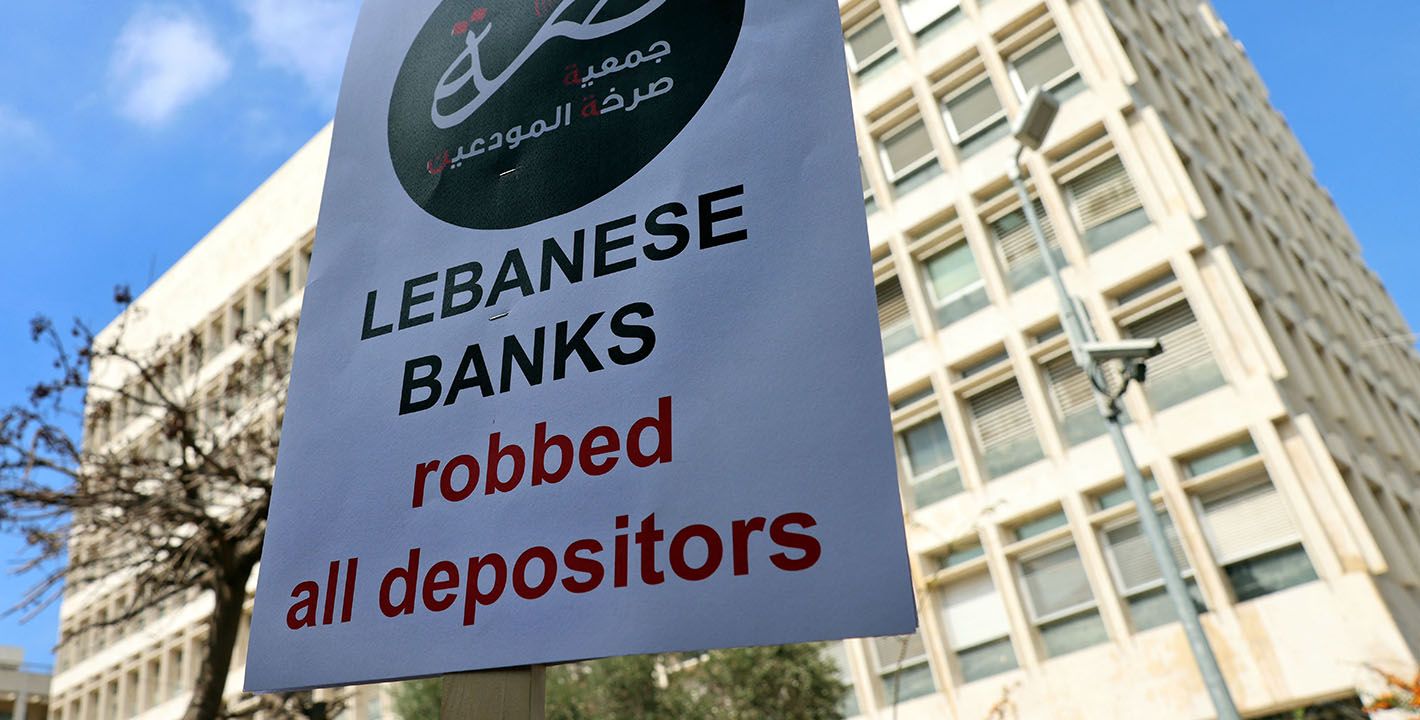
In an interview, Ishac Diwan looks at the merits and flaws in the draft legislation distributing losses from the financial collapse.

Michael Young

The GCC states’ use of Artificial Intelligence will generate much leverage over the global digital infrastructure and climate talks.

Camille Ammoun

Mustaqbal Misr has expanded its portfolio with remarkable speed, but a lack of transparency remains.
Yezid Sayigh

Arab diaspora business communities in Egypt often mirror the same systemic challenges facing Egyptian businesses.

Nur Arafeh, Yezid Sayigh, Qaboul al-Absi, …