

Commentary
In an interview, Rozina Ali discusses her new book on the rise and manifestations of Islamophobia in the United States.
Michael Young
{
  "authors": [
    "Yukon Huang",
    "Jeremy Smith"
  ],
  "type": "legacyinthemedia",
  "centerAffiliationAll": "dc",
  "centers": [
    "Carnegie Endowment for International Peace"
  ],
  "collections": [],
  "englishNewsletterAll": "asia",
  "nonEnglishNewsletterAll": "",
  "primaryCenter": "Carnegie Endowment for International Peace",
  "programAffiliation": "AP",
  "programs": [
    "Asia"
  ],
  "projects": [],
  "regions": [
    "North America",
    "United States",
    "East Asia",
    "China"
  ],
  "topics": [
    "Economy",
    "Trade",
    "Foreign Policy"
  ]
}
Source: Getty
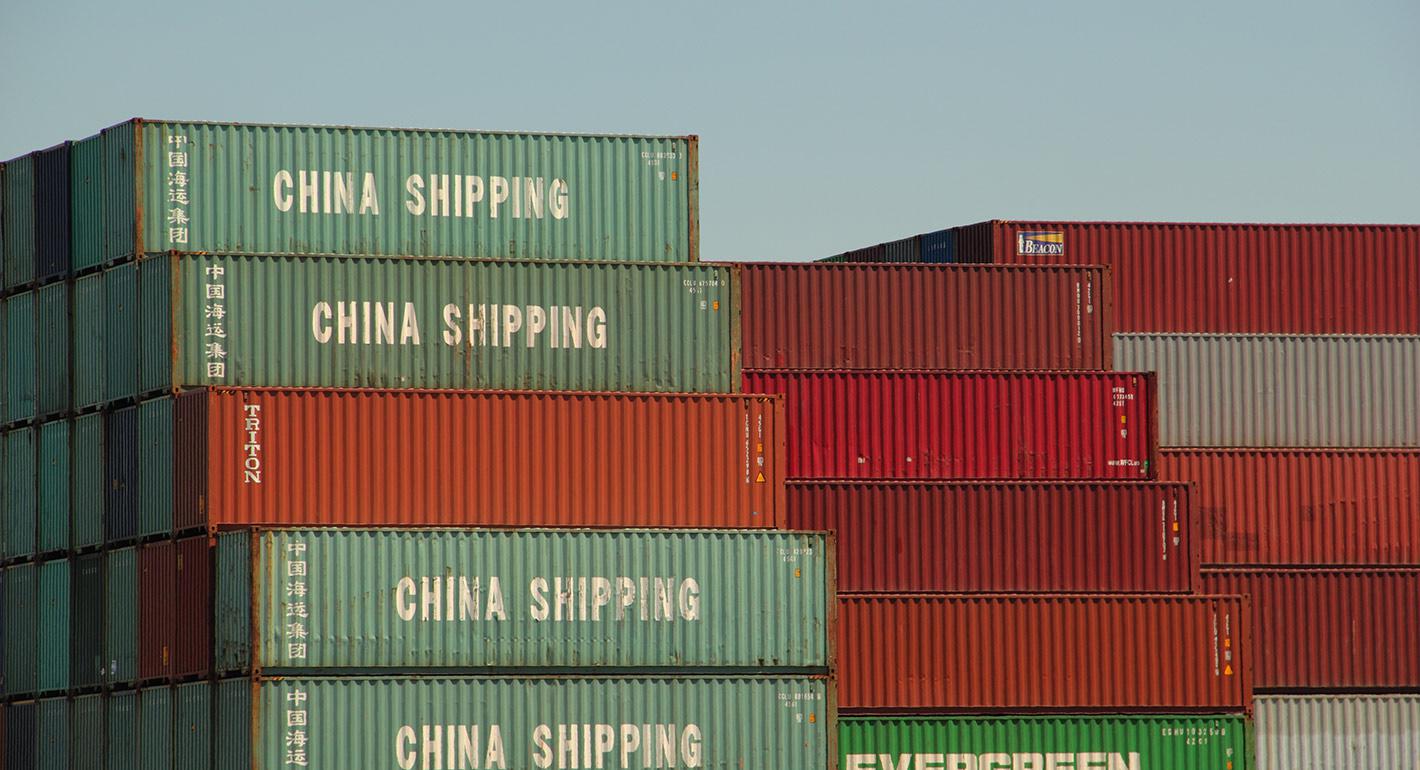
For all the talk of sweeping change, U.S. dependence on Asian manufacturing is both deeply rooted and remarkably stable over time.
Source: South China Morning Post
Whether by tariffs or by decree, US President Donald Trump has long sought the silver bullet that would decrease dependence on Chinese goods and revive American industry, all the while compelling China to reform its controversial trade and investment practices and reduce the bilateral deficit.
In a recent interview, Trump railed against “stupid supply chains that are all over the world”, further threatening to “cut off the whole relationship” with China and rejecting the notion that undoing the extensive links between the two largest economies comes with any trade-offs.
But to the extent that economic decoupling actually occurs, it would represent a major disruption of the market-driven evolution of supply chains over the past several decades. For all the talk of sweeping change, US dependence on Asian manufacturing is both deeply rooted and remarkably stable over time.
This article was originally published in the South China Morning Post.

Senior Fellow, Asia Program
Huang is a senior fellow in the Carnegie Asia Program where his research focuses on China’s economy and its regional and global impact.
Jeremy Smith
Former James C. Gaither Junior Fellow, Asia Program
Jeremy Smith was a James C. Gaither Junior Fellow with the Asia Program.
Carnegie does not take institutional positions on public policy issues; the views represented herein are those of the author(s) and do not necessarily reflect the views of Carnegie, its staff, or its trustees.

In an interview, Rozina Ali discusses her new book on the rise and manifestations of Islamophobia in the United States.

Michael Young

In an interview, Ian Lustick and Eli Clifton discuss their new book on why a prominent ally has so much influence in America.
Michael Young

As the U.S. stumbles in its war with Iran, we are likely to see an acceleration of its disengagement from the region.
Michael Young

Middle Eastern states should welcome an accelerated U.S. disengagement from their region.
Michael Young

In an interview, former ambassador Charles Freeman assesses the Trump administration’s war against Iran.
Michael Young