

Paper
James L. Schoff, Douglas E. Rake, Joshua Levy
{
  "authors": [
    "James L. Schoff"
  ],
  "type": "legacyinthemedia",
  "centerAffiliationAll": "dc",
  "centers": [
    "Carnegie Endowment for International Peace"
  ],
  "collections": [],
  "englishNewsletterAll": "asia",
  "nonEnglishNewsletterAll": "",
  "primaryCenter": "Carnegie Endowment for International Peace",
  "programAffiliation": "AP",
  "programs": [
    "Asia"
  ],
  "projects": [],
  "regions": [
    "North America",
    "United States",
    "East Asia",
    "Japan"
  ],
  "topics": [
    "Economy",
    "Trade",
    "Security",
    "Foreign Policy"
  ]
}
Source: Getty
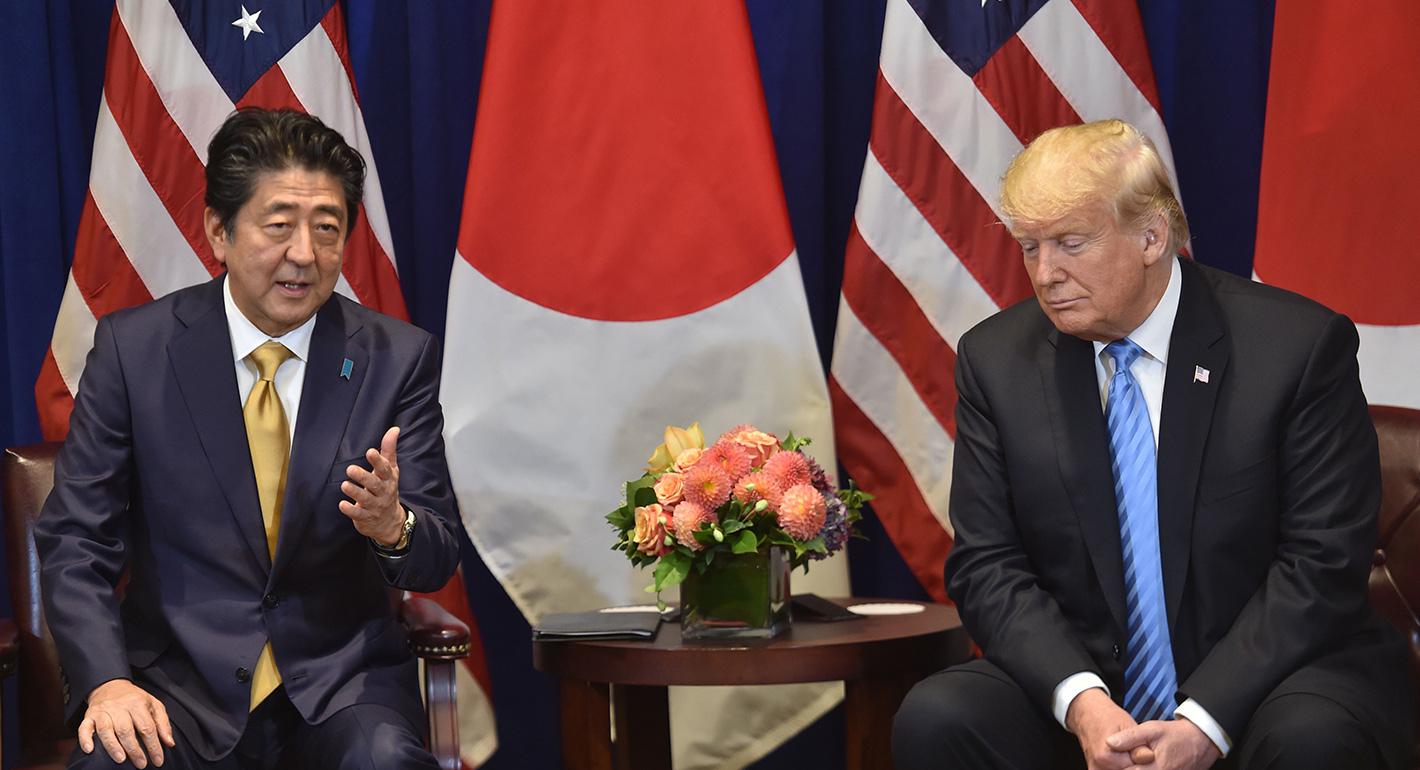
The remainder of 2020 is shaping up to be an unexpectedly consequential year for U.S.-Japan defense cooperation, and it comes at a time of political uncertainty in both capitals.
Source: Diplomat
Policymakers in Washington, D.C. were surprised to hear Japanese Defense Minister Taro Kono announce on June 15 that he was halting deployment of the $4 billion Aegis Ashore missile defense system Japan is buying from the United States. This soon became a decision to cancel the use of planned Aegis Ashore sites in Yamaguchi and Akita prefectures, and prompted a broader reconsideration of Japan’s missile defense approach and other aspects of its national security strategy. The remainder of 2020 is shaping up to be an unexpectedly consequential year for U.S.-Japan defense cooperation, and it comes at a time of political uncertainty in both capitals. This calls for focused high-level alliance attention now on Japan’s defense options to prevent strategy gaps from emerging.

Former Senior Fellow, Asia Program
James L. Schoff was a senior fellow in the Carnegie Asia Program. His research focuses on U.S.-Japan relations and regional engagement, Japanese technology innovation, and regional trade and security dynamics.
Recent Work
James L. Schoff, Douglas E. Rake, Joshua Levy
James L. Schoff
Carnegie does not take institutional positions on public policy issues; the views represented herein are those of the author(s) and do not necessarily reflect the views of Carnegie, its staff, or its trustees.

In an interview, Rozina Ali discusses her new book on the rise and manifestations of Islamophobia in the United States.

Michael Young

In an interview, Ian Lustick and Eli Clifton discuss their new book on why a prominent ally has so much influence in America.
Michael Young

As the U.S. stumbles in its war with Iran, we are likely to see an acceleration of its disengagement from the region.
Michael Young

Middle Eastern states should welcome an accelerated U.S. disengagement from their region.
Michael Young

In an interview, former ambassador Charles Freeman assesses the Trump administration’s war against Iran.
Michael Young