

Commentary
Maksim Samorukov
{
  "authors": [
    "Maksim Samorukov"
  ],
  "type": "legacyinthemedia",
  "centerAffiliationAll": "",
  "centers": [
    "Carnegie Endowment for International Peace",
    "Carnegie Russia Eurasia Center"
  ],
  "collections": [],
  "englishNewsletterAll": "",
  "nonEnglishNewsletterAll": "",
  "primaryCenter": "Carnegie Endowment for International Peace",
  "programAffiliation": "",
  "programs": [],
  "projects": [],
  "regions": [
    "Eastern Europe",
    "Belarus"
  ],
  "topics": [
    "Political Reform"
  ]
}
Source: Getty
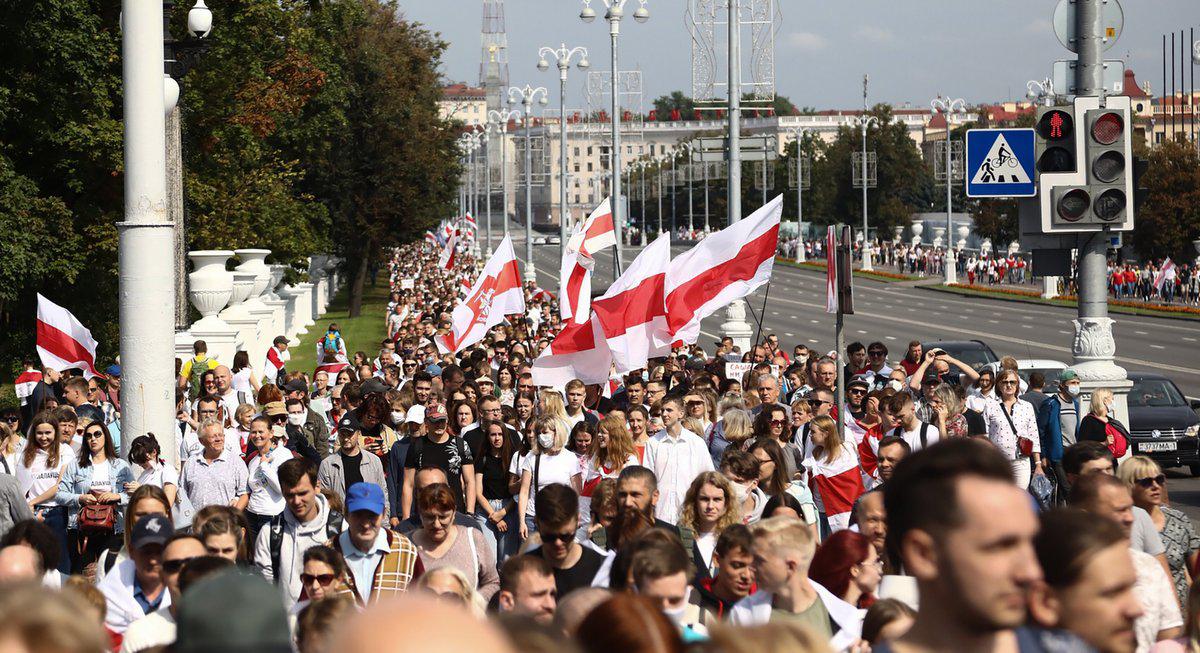
Massive and persistent, protests in the usually quiet country of Belarus have taken the world by surprise and suddenly brought the country to the centre of Europe's attention.
Source: Institut für Sicherheitspolitik
A rigged presidential election and a violent crackdown on the opposition unleashed deep-rooted popular discontent, which had grown mostly undetected over President Alexander Lukashenko’s 26 uninterrupted years in office. Unprecedentedly, 200.000 Belarusians took to the streets in Minsk and other cities to protest police abuses and demand Lukashenko’s immediate resignation.
Unlike in the past, many erstwhile supporters of the regime from the ranks of teachers, doctors, and state factory employees, apparently disenchanted with the country’s long-serving leader, joined the protests. The gravity of the situation has led many observers to question Lukashenko’s ability to survive the turmoil absent a rescue operation by Belarus’s main ally, Russia. However, there is little love left in the Kremlin for the Belarusian leader, and Moscow is in no hurry to reveal its strategy for handling the unfolding crisis.
This working paper was originally published by the Institut für Sicherheitspolitik
Fellow, Carnegie Russia Eurasia Center
Samorukov is a fellow at the Carnegie Russia Eurasia Center.
Recent Work
Maksim Samorukov
Maksim Samorukov
Carnegie does not take institutional positions on public policy issues; the views represented herein are those of the author(s) and do not necessarily reflect the views of Carnegie, its staff, or its trustees.
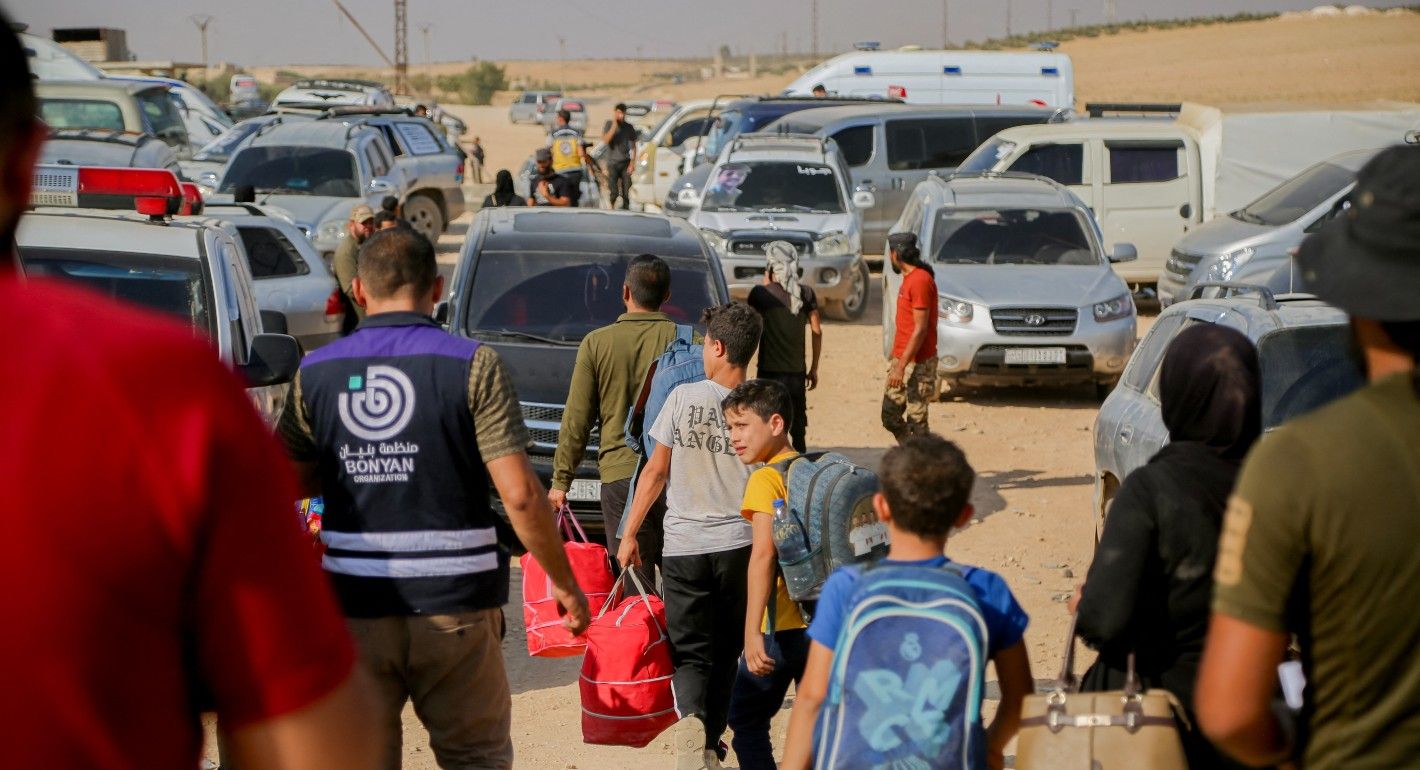
A humanitarian crisis in Lebanon deepens, and Syrian refugees face a perilous choice: remain in a war-torn environment or return to Syria where they risk encountering significant dangers and discrimination. There are significant challenges and risks to their search for safety in Syria.
Haid Haid
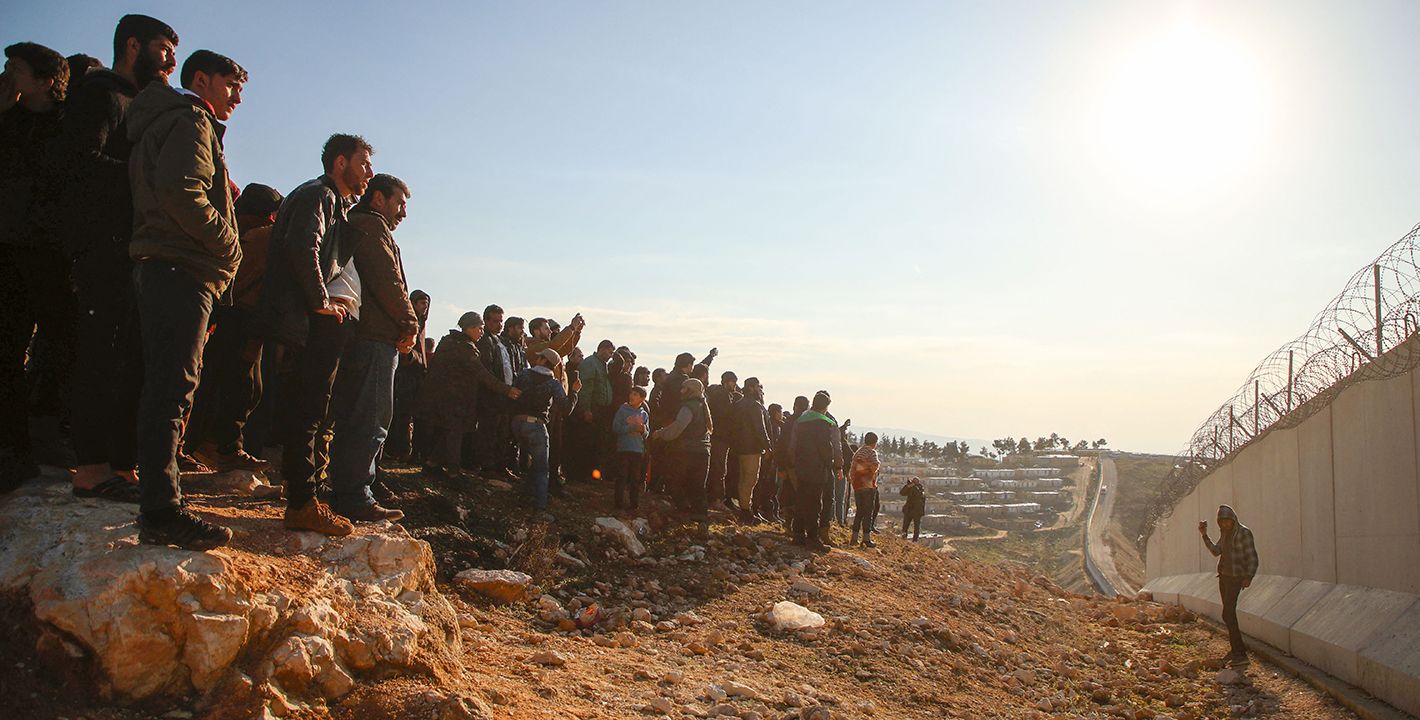
In Syria’s border regions, changes in demographics, economics, and security mean that an inter-Syrian peace process will require consensus among main regional powers that Syria must remain united, that no one side can be victorious, and that perennial instability threatens the region.


Kheder Khaddour, Armenak Tokmajyan
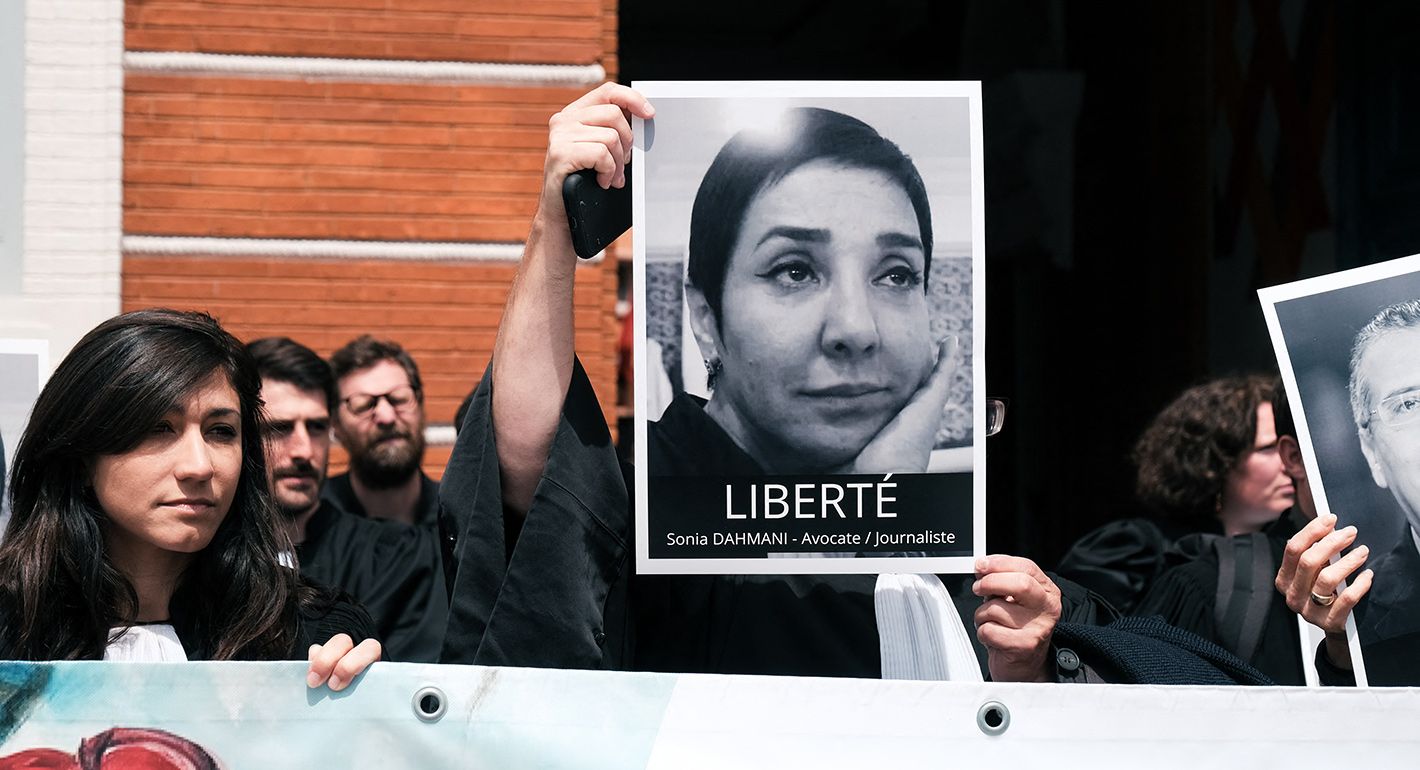
For many in the society, the post-Ben Ali years were mainly about successive economic crises and political instability.
Jasmine Khelil
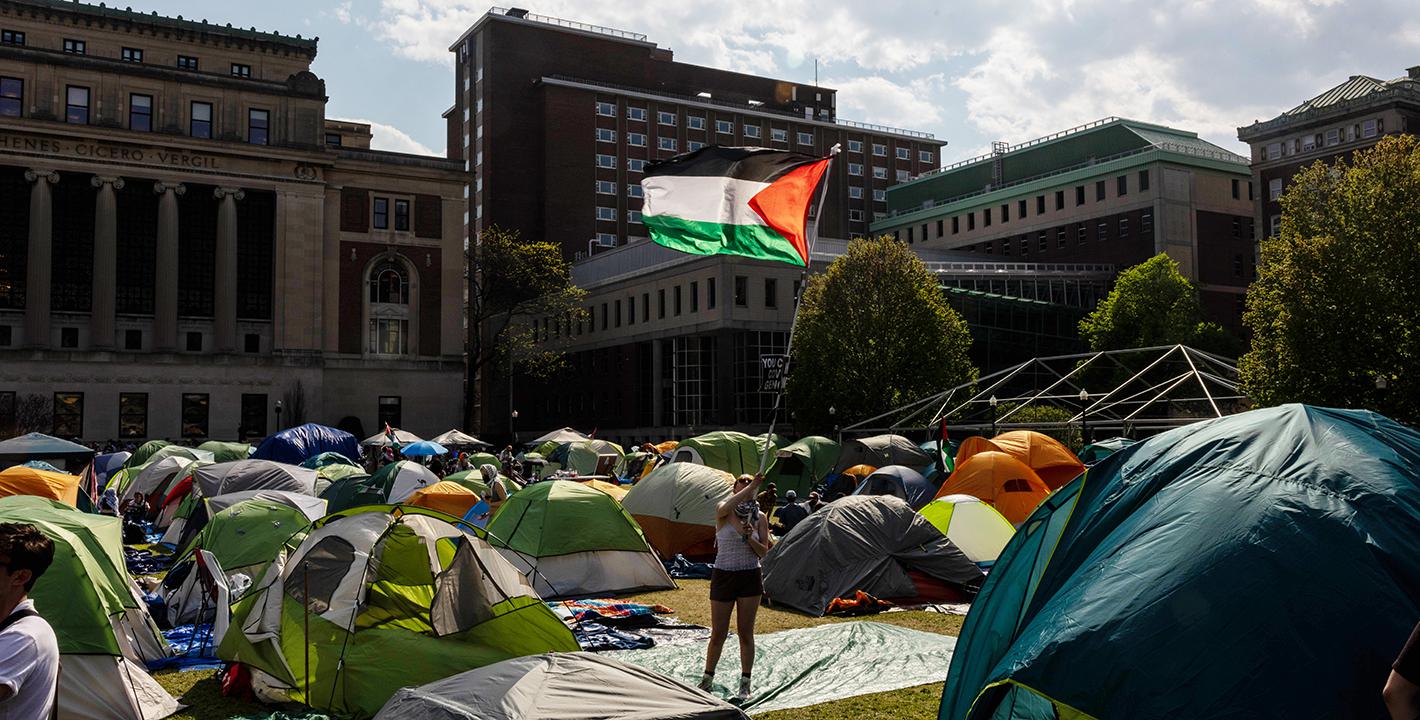
As students around the United States and Europe protest, the relationship of Western elites with Israel is being redefined.

Michael Young
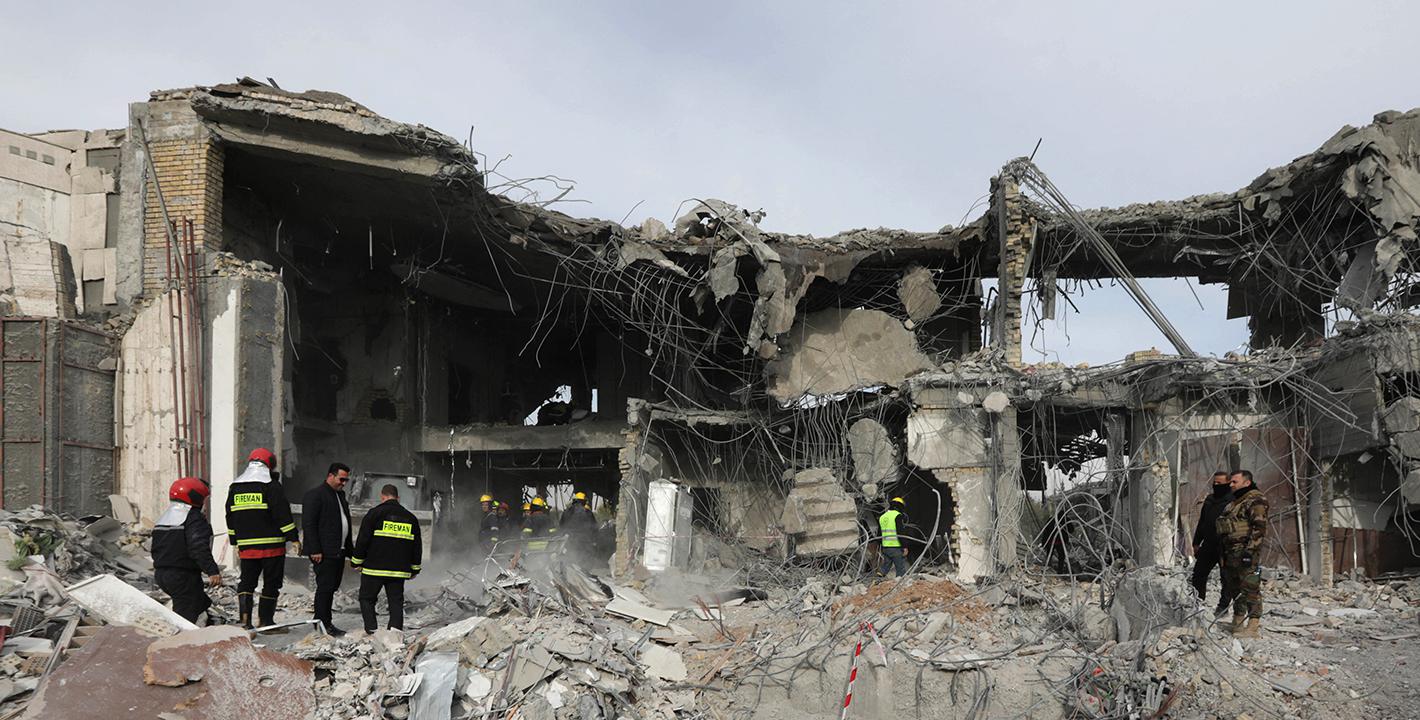
When U.S. Patriots shot down an Iranian missile over Erbil on April 15, Kurds wondered why such defenses weren’t activated when they were attacked.
Wladimir van Wilgenburg