

Commentary
Oliver Stuenkel, Adrian Feinberg
{
  "authors": [
    "Oliver Stuenkel"
  ],
  "type": "commentary",
  "centerAffiliationAll": "dc",
  "centers": [
    "Carnegie Endowment for International Peace"
  ],
  "collections": [],
  "englishNewsletterAll": "democracy",
  "nonEnglishNewsletterAll": "",
  "primaryCenter": "Carnegie Endowment for International Peace",
  "programAffiliation": "DCG",
  "programs": [
    "Democracy, Conflict, and Governance"
  ],
  "projects": [],
  "regions": [
    "North America",
    "South America"
  ],
  "topics": [
    "Political Reform",
    "Democracy"
  ]
}
Source: Getty
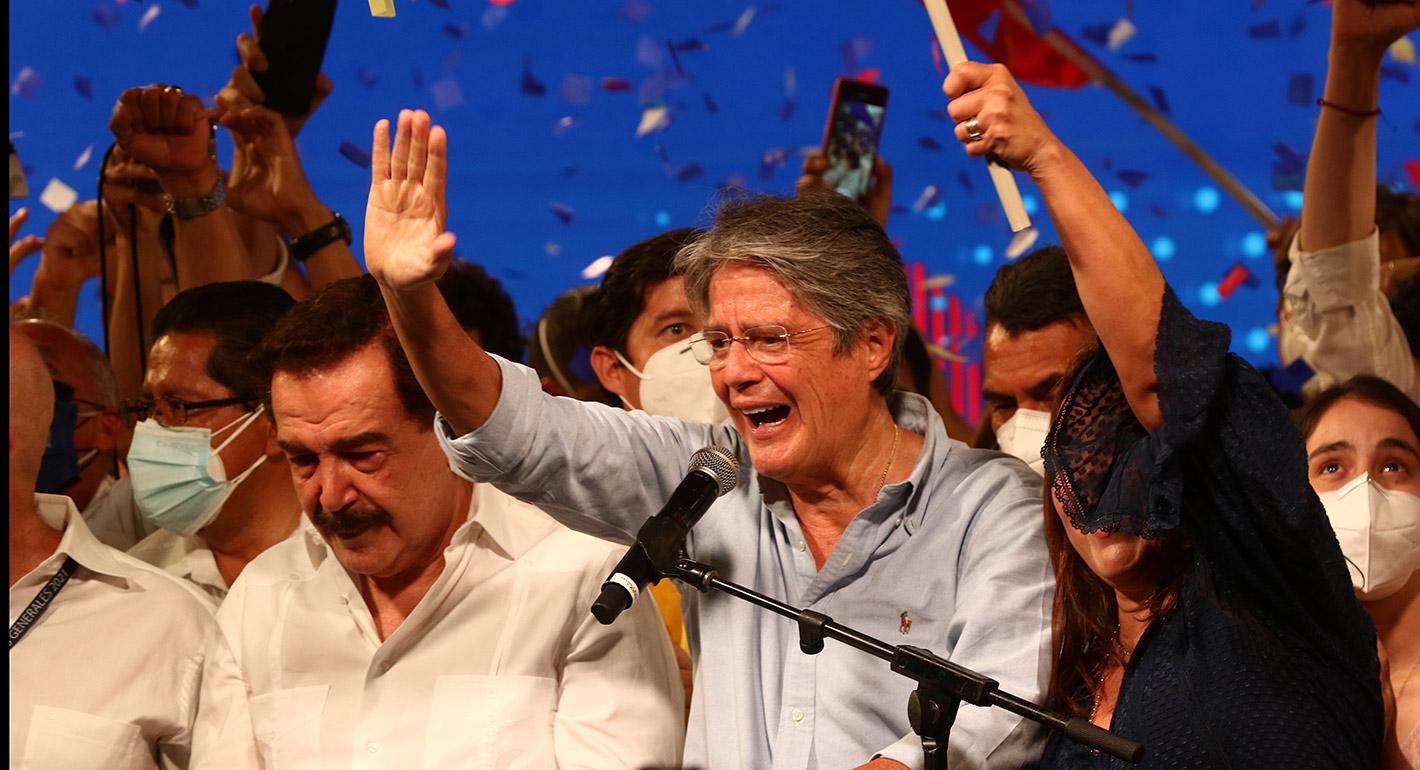
In a change of pace, Ecuador’s runoff presidential election brought conservative businessman Guillermo Lasso to office. But the country’s election also offers some lessons about broader trends in Latin American politics.
The surprise victory of Guillermo Lasso, a conservative businessman, over the left-wing economist Andrés Arauz in Ecuador’s presidential election marks a remarkable turnaround by a candidate who nearly failed to make it into the runoff, obtaining merely 32,000 votes more than the third-place candidate, Yaku Pérez Guartambel. The result points to five major takeaways.
First, Lasso’s triumph shows that Latin America continues to be ideologically fragmented. After a decade-long continental reign of center-left, commodity-boosted governments—symbolized by former presidents such as Luiz Inácio Lula da Silva (Brazil), Néstor Kirchner and his wife Cristina Fernández de Kirchner (Argentina), Fernando Lugo (Paraguay), José Manuel Zelaya Rosales (Honduras), and Rafael Correa (Ecuador)—the arrival of a more adverse macroeconomic environment in the early 2010s contributed to the rise of center-right leaders such as former presidents Maurício Macri (Argentina), Pedro Pablo Kuczynski (Peru), and Michel Temer (Brazil) and current President Luis Alberto Lacalle Pou (Uruguay), as well as growing resistance to remaining left-wing leaders in Bolivia and Venezuela. Yet victories by President Andrés Manuel López Obrador in Mexico in 2018 and former president Evo Morales’ protegé Luis Arce in Bolivia in 2020—and Macri’s loss in Argentina after only one mandate—show that the ebbing of the so-called pink tide toward left-wing government is far from complete. With numerous countries being governed by a mix of center-right leaders (for example, Chile, Colombia, and Uruguay), a far-right leader (Brazil), and a left-wing authoritarian (Venezuela), the political scenario in Latin America today is still shaped by profound ideological differences between governments. The region remains remarkably fractured, lacking presidents capable of taking on a regional leadership role, strengthening regional cooperation, or promoting a debate about Latin America’s future.
Second, Lasso’s victory reveals that across Latin America, many voters continue to be motivated by the causes they are against rather than by genuine support for their candidate’s policy proposals. Just like Brazil’s President Jair Bolsonaro, whose major campaign narrative was to combat the Workers’ Party, Lasso obtained ample support from voters who may dislike his ideas but who were ready to vote for whomever to avoid the return of Correaism, a brand of nationalist populism with authoritarian tendencies led by Correa. Ecuador, ravaged by the pandemic and facing profound structural problems, saw large-scale protests in 2019, when outgoing president Lenín Moreno proposed a painful fiscal adjustment. Given high coronavirus infection rates, a collapsing economy, slow vaccination campaigns, and very limited fiscal space for additional anti-poverty measures, the risk of continued political instability in both Ecuador and across Latin America over the coming months and years is significant. Until leaders can inspire voters to be for them instead of against their opponent, democracies across the region are set to face significant challenges.
Third, the fact that a portion of Lasso’s voters do not support his economic liberalism and social conservatism weakens his mandate considerably and points to enormous challenges early on in his presidency. Nearly 2 million Ecuadoreans (more than 15 percent) cast a null vote, a sign either that many voters saw neither candidate as minimally acceptable or that they endorsed Pérez’s claims that voter fraud had kept him out of the runoff. Pérez’s Pachakutik Plurinational Unity Movement–New Country, Ecuador’s Indigenous party and the second-largest force in the country’s National Congress, may complicate Lasso’s attempt to govern. Just like in several other Latin American countries such as Peru, this produces a highly uncertain relationship between the president and Congress. At the same time, increasingly powerful drug gangs, recent prison riots, and rising poverty levels will force Lasso to act as a firefighter from day one and will require extraordinary negotiating skills.
Fourth, a key novelty of Ecuador’s presidential elections was the emergence of a politically competitive center-left progressive candidate in Pérez, contrasting the social conservatism of many of Latin America’s dominant left-wing parties, for example, vis-à-vis LGBTQ+ and women’s rights. Pérez, who almost reached the runoff, also defended prioritizing the fight against climate change, while Correa had frequently clashed with environmentalists. Pérez is likely to remain a political force, and similar environmentalist leaders seem to be on the rise elsewhere in the region, including former governor of Antioquia Sergio Fajardo and Bogota Mayor Claudia López Hernández in Colombia and the New Peru party’s president, Verónika Mendoza.
Finally, the rapid acceptance of the result by losing candidate Arauz and the emphasis on national unity in his concession speech are an encouraging sign that Ecuador has the potential to overcome the destructive polarization that shaped the Correa years. Indeed, despite a lackluster presidency and very high rejection ratings, the country’s outgoing president Moreno at least depersonalized day-to-day governing and provided more space to the press and civil society. In the same way, the quick concession by Carlos Mesa, the defeated candidate in Bolivia’s 2020 presidential election, and Macri’s swift acceptance of defeat when he lost to Alberto Fernández a year earlier reflect the resilience of democracy in Latin America.
Senior Fellow, Democracy, Conflict, and Governance Program
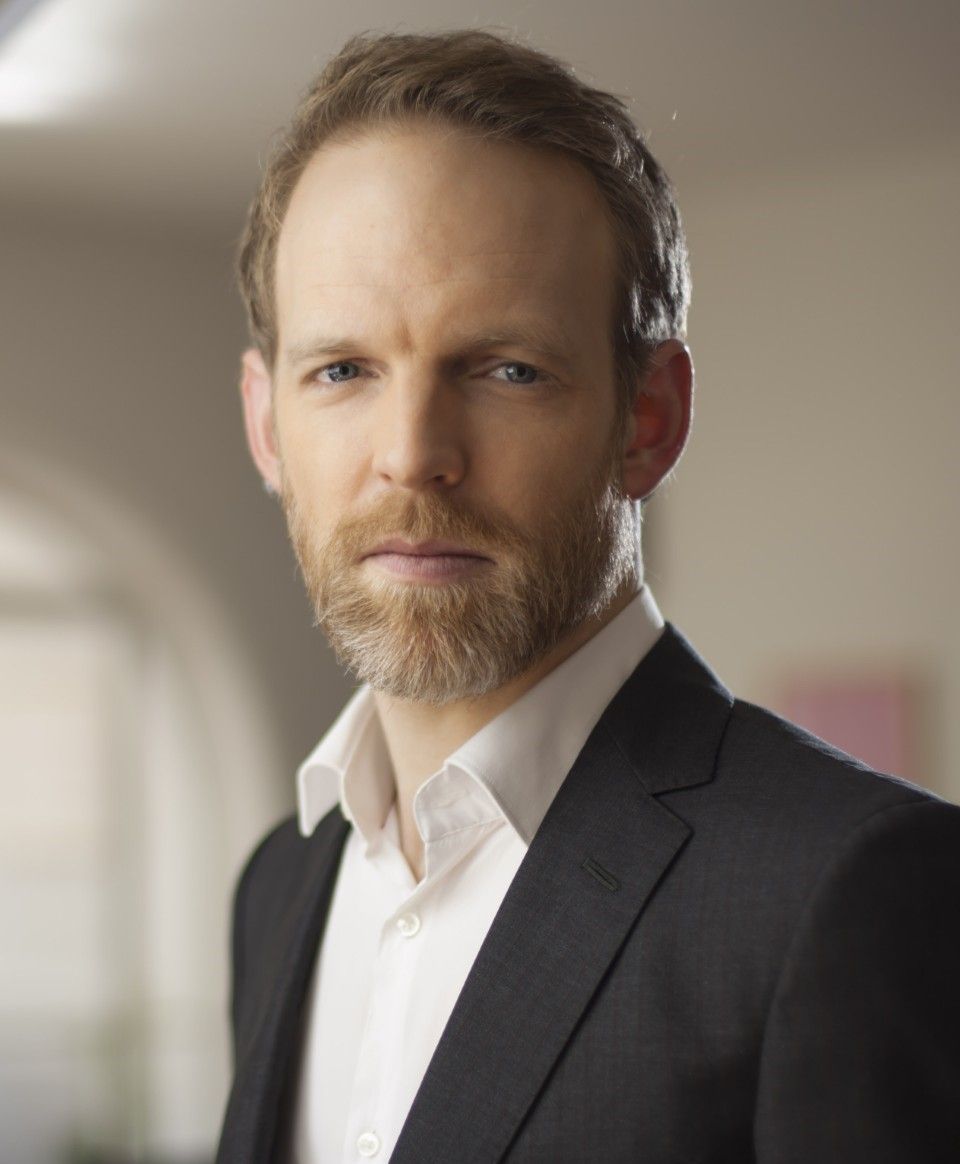
Oliver Stuenkel is an associate professor at the School of International Relations at Fundação Getulio Vargas (FGV) in São Paulo, Brazil. He is also a senior fellow affiliated with the Democracy, Conflict, and Governance Program at the Carnegie Endowment for International Peace.
Recent Work
Oliver Stuenkel, Adrian Feinberg
Oliver Stuenkel, Adrian Feinberg
Carnegie does not take institutional positions on public policy issues; the views represented herein are those of the author(s) and do not necessarily reflect the views of Carnegie, its staff, or its trustees.
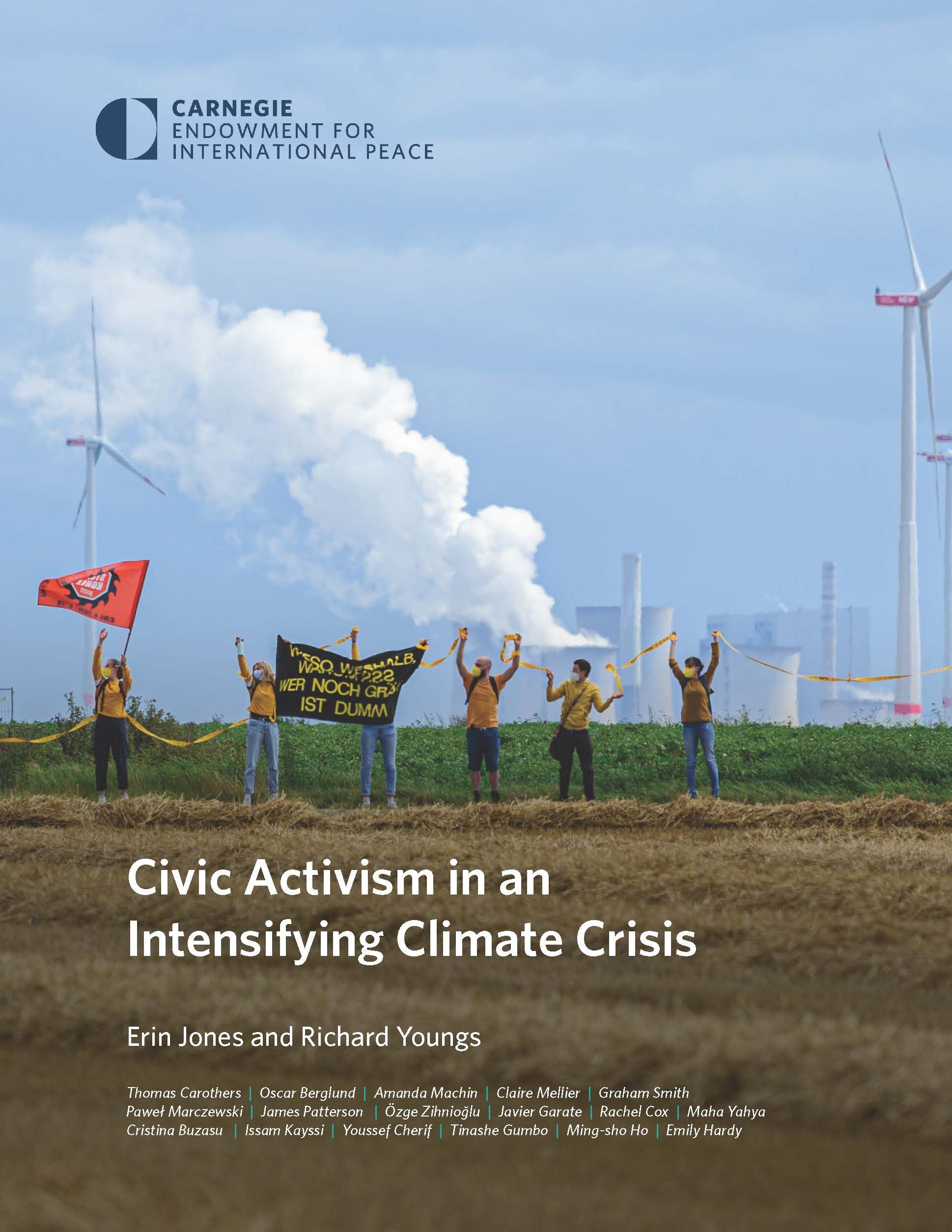
To address the deepening climate crisis, climate activism is employing a wider variety of tactics and aiming at a broader set of goals. In response, the movement faces stronger repression and civic backlash against climate action.

Erin Jones, Richard Youngs
A humanitarian crisis in Lebanon deepens, and Syrian refugees face a perilous choice: remain in a war-torn environment or return to Syria where they risk encountering significant dangers and discrimination. There are significant challenges and risks to their search for safety in Syria.
Haid Haid
In Syria’s border regions, changes in demographics, economics, and security mean that an inter-Syrian peace process will require consensus among main regional powers that Syria must remain united, that no one side can be victorious, and that perennial instability threatens the region.

Kheder Khaddour, Armenak Tokmajyan
The interaction of national armed forces and private business sectors offers a useful lens for viewing the politics of numerous countries of the so-called Global South. A rising trend of military political activism—often accompanied by military commercial activity—underlines the importance of drivers and outcomes in these relationships.

Yezid Sayigh, Hamza Meddeb
For many in the society, the post-Ben Ali years were mainly about successive economic crises and political instability.
Jasmine Khelil