

Commentary
Mariano-Florentino (Tino) Cuéllar
{
  "authors": [
    "Mariano-Florentino (Tino) Cuéllar"
  ],
  "type": "legacyinthemedia",
  "centerAffiliationAll": "",
  "centers": [
    "Carnegie Endowment for International Peace"
  ],
  "collections": [],
  "englishNewsletterAll": "",
  "nonEnglishNewsletterAll": "",
  "primaryCenter": "Carnegie Endowment for International Peace",
  "programAffiliation": "",
  "programs": [],
  "projects": [],
  "regions": [],
  "topics": [
    "Foreign Policy"
  ]
}
REQUIRED IMAGE
Political economy builds coherent narratives–both descriptive and normative–connecting people’s economic pursuits, their political lives, and their social realities. But existing paradigms have largely run their course and failed to address lingering problems. The world urgently needs fresh thinking about political economy.
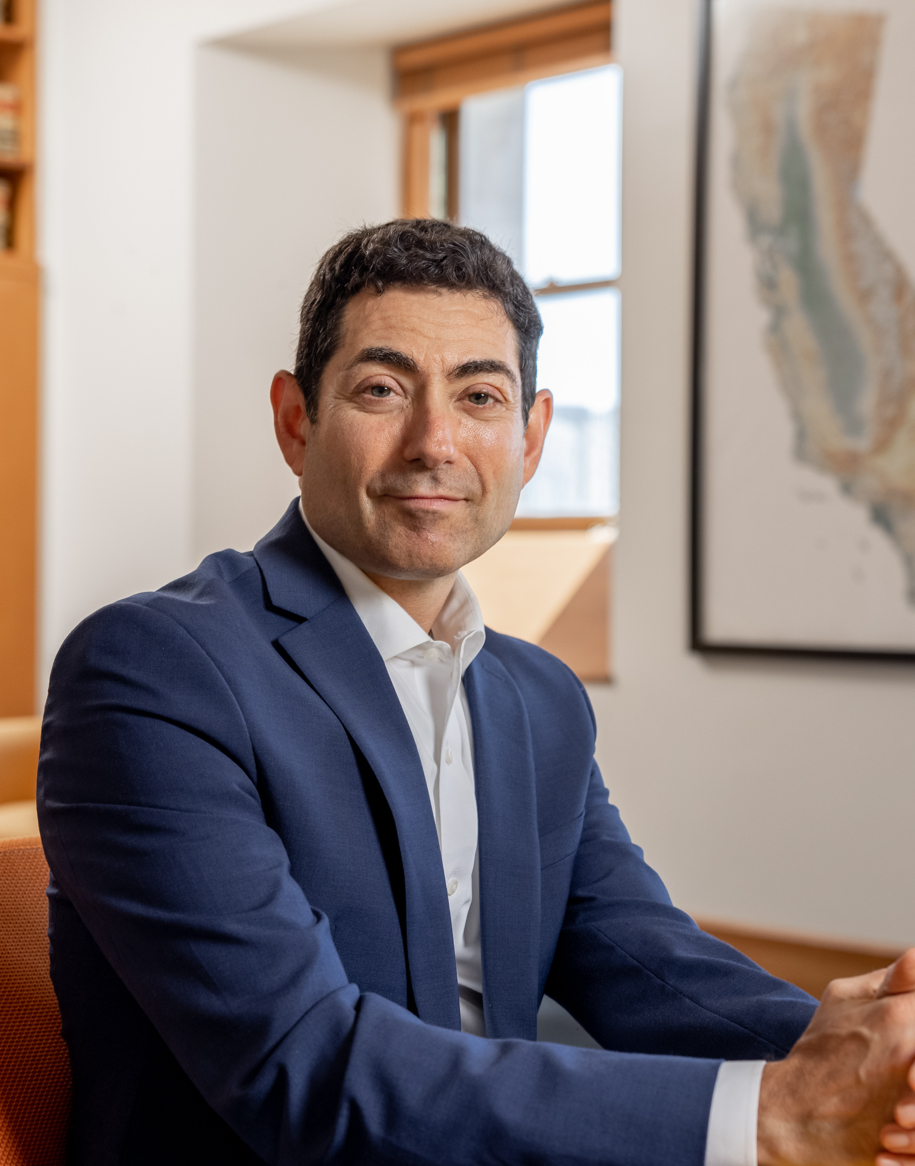
Former Carnegie President (2021-2026)
Mariano-Florentino (Tino) Cuéllar was previously the tenth president of the Carnegie Endowment for International Peace. A former justice of the Supreme Court of California, he has served three U.S. presidential administrations at the White House and in federal agencies, and was the Stanley Morrison Professor at Stanford University, where he held appointments in law, political science, and international affairs and led the university’s Freeman Spogli Institute for International Studies.
Recent Work
Mariano-Florentino (Tino) Cuéllar
Mariano-Florentino (Tino) Cuéllar, Corey Hinderstein, David Relman
Carnegie does not take institutional positions on public policy issues; the views represented herein are those of the author(s) and do not necessarily reflect the views of Carnegie, its staff, or its trustees.

By failing to address Palestinian representation, the current process is bound to lead to just another temporary arrangement.

Nathan J. Brown

Just look at Iraq in 1991.

Marwan Muasher

A coalition of states is seeking to avert a U.S. attack, and Israel is in the forefront of their mind.

Michael Young

Baku may allow radical nationalists to publicly discuss “reunification” with Azeri Iranians, but the president and key officials prefer not to comment publicly on the protests in Iran.

Bashir Kitachaev
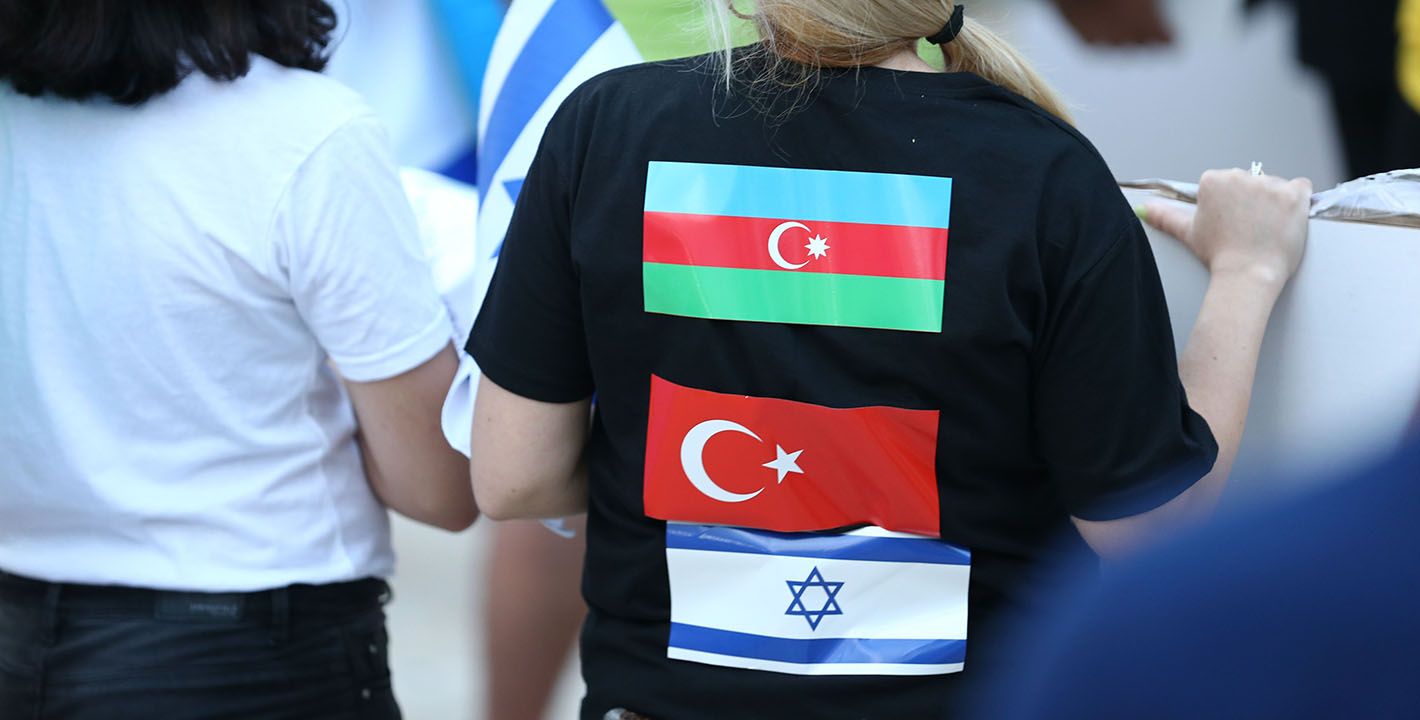
The country’s leadership is increasingly uneasy about multiple challenges from the Levant to the South Caucasus.

Armenak Tokmajyan