

Q&A
- +1
Eric Ciaramella, Aaron David Miller, Alexandra Prokopenko, …
{
  "authors": [
    "Alexandra Prokopenko"
  ],
  "type": "legacyinthemedia",
  "centerAffiliationAll": "dc",
  "centers": [
    "Carnegie Endowment for International Peace",
    "Carnegie Russia Eurasia Center"
  ],
  "collections": [],
  "englishNewsletterAll": "ctw",
  "nonEnglishNewsletterAll": "",
  "primaryCenter": "Carnegie Russia Eurasia Center",
  "programAffiliation": "russia",
  "programs": [
    "Russia and Eurasia"
  ],
  "projects": [],
  "regions": [
    "Russia"
  ],
  "topics": [
    "Climate Change"
  ]
}
REQUIRED IMAGE
Alexandra Prokopenko assesses Russian nuclear energy monopoly Rosatom’s international activity in the wake of Russia’s war in Ukraine and U.S. and allied efforts to apply economic pressure through sanctions. She concludes that in view of U.S. and EU reliance on Rosatom for uranium and enrichment services, “reducing Rosatom’s global role will not be quick, easy, or cheap”.
Fellow, Carnegie Russia Eurasia Center
Alexandra Prokopenko is a fellow at the Carnegie Russia Eurasia Center.
Recent Work


Eric Ciaramella, Aaron David Miller, Alexandra Prokopenko, …
Alexandra Prokopenko
Carnegie does not take institutional positions on public policy issues; the views represented herein are those of the author(s) and do not necessarily reflect the views of Carnegie, its staff, or its trustees.
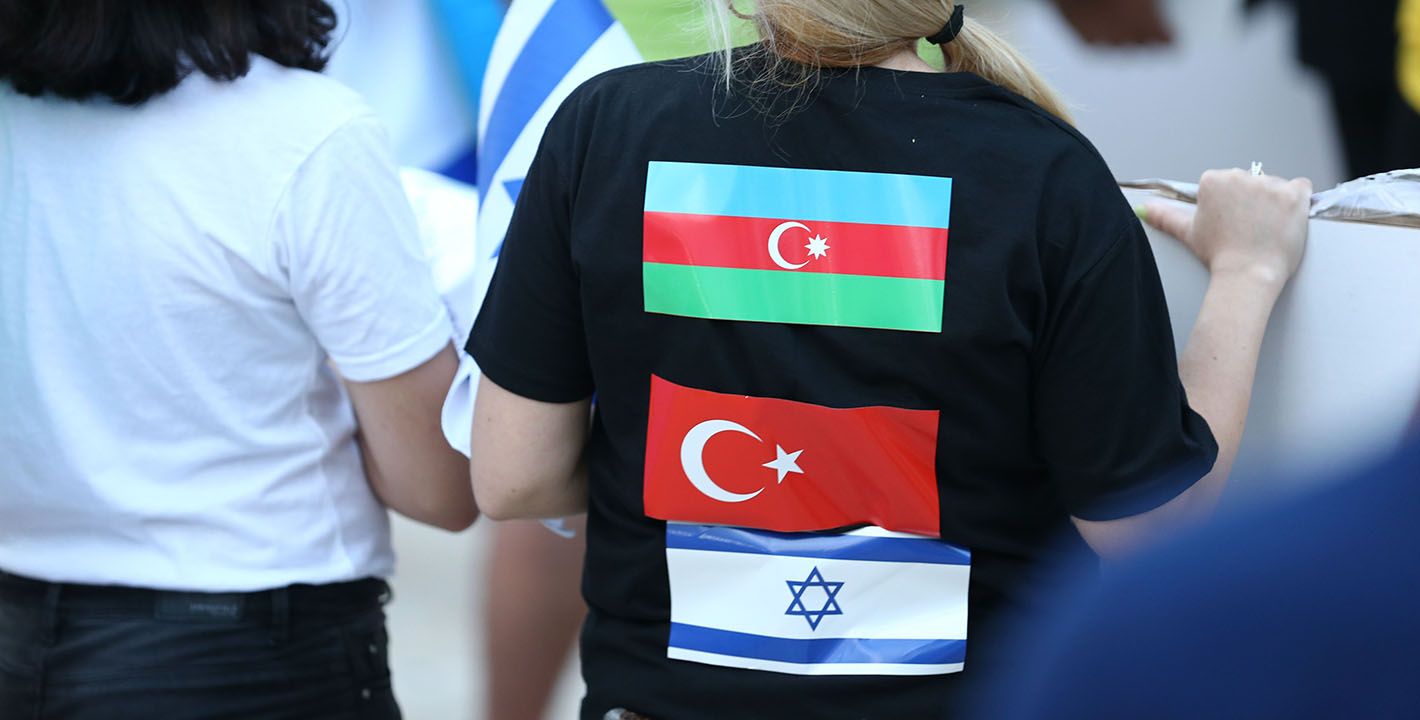
The country’s leadership is increasingly uneasy about multiple challenges from the Levant to the South Caucasus.

Armenak Tokmajyan
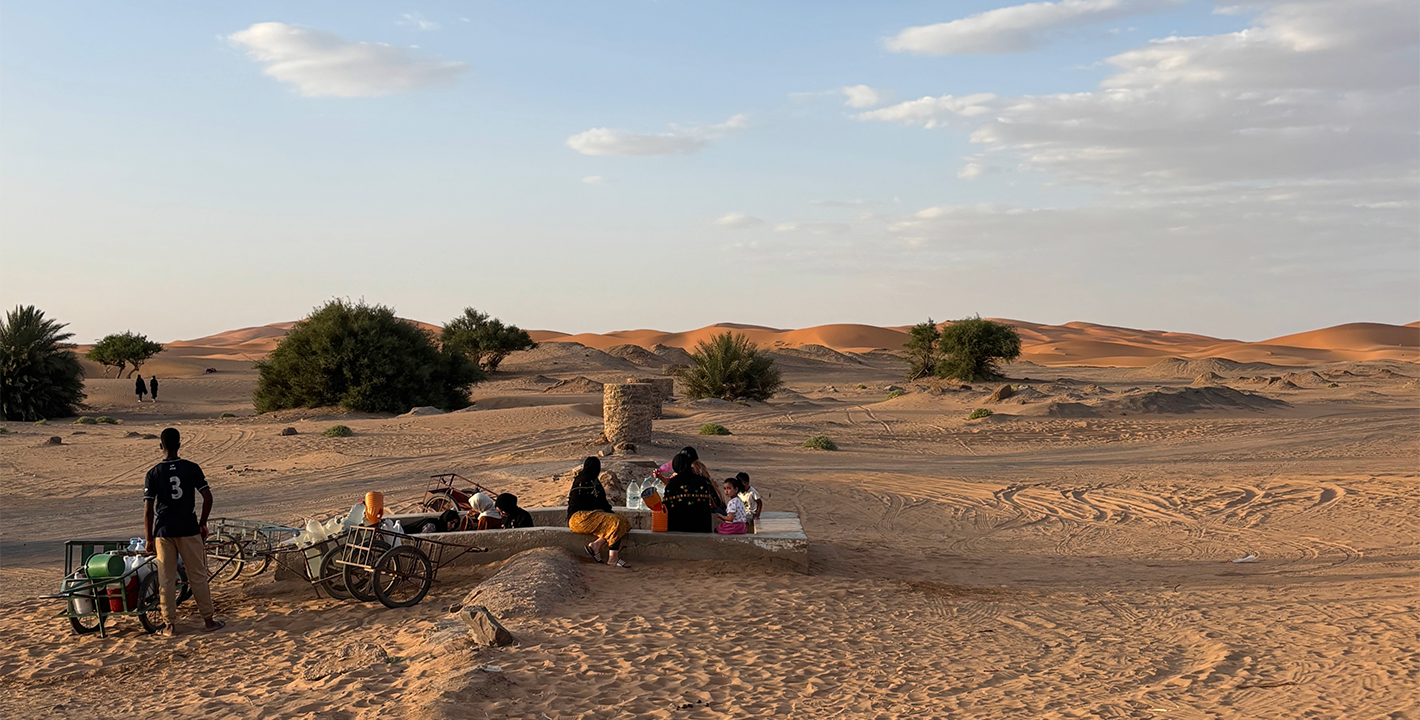
The burden of environmental degradation is felt not only through physical labor but also emotional and social loss.

Yasmine Zarhloule, Ella Williams
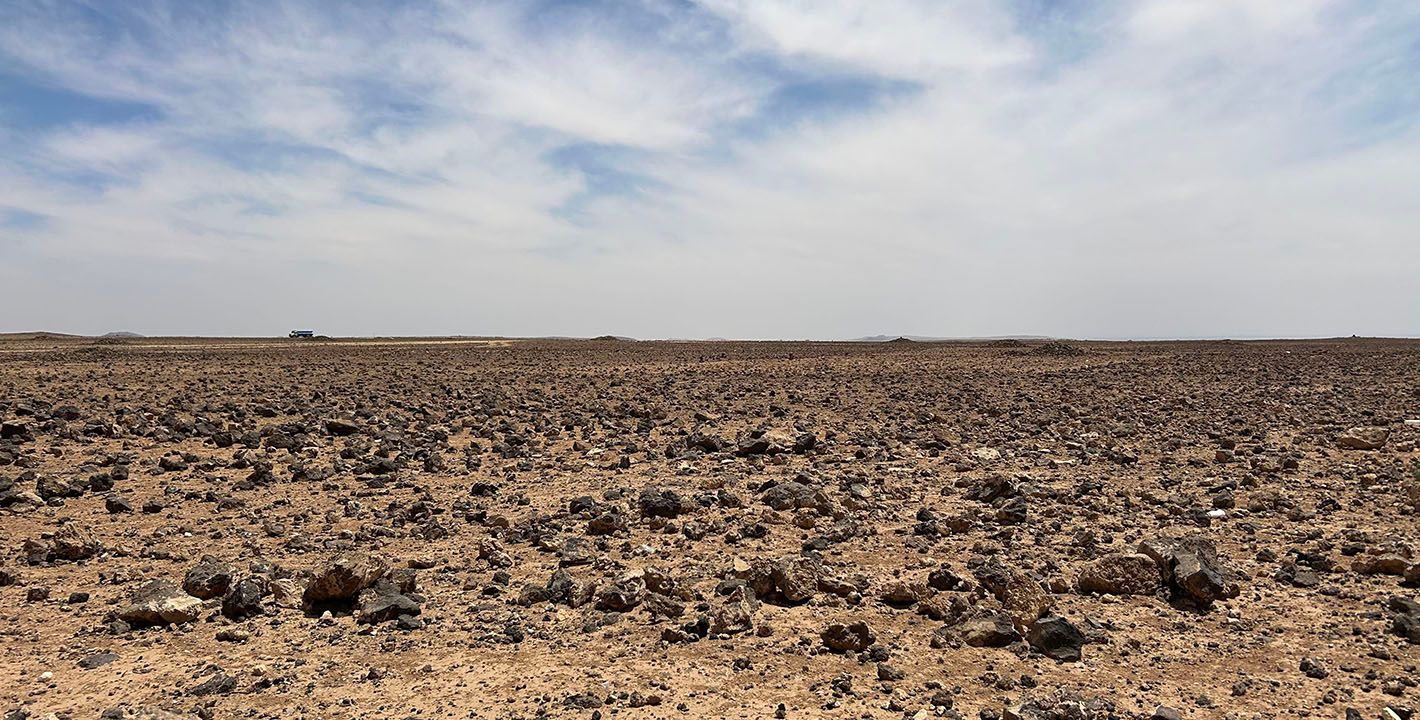
For settled descendants of nomadic or seminomadic communities on Jordan’s periphery, the future looks uncertain as government employment is declining, natural resources are dwindling, temperatures are rising, and traditional cross-border ties are restricted.
Armenak Tokmajyan, Laith Qerbaa
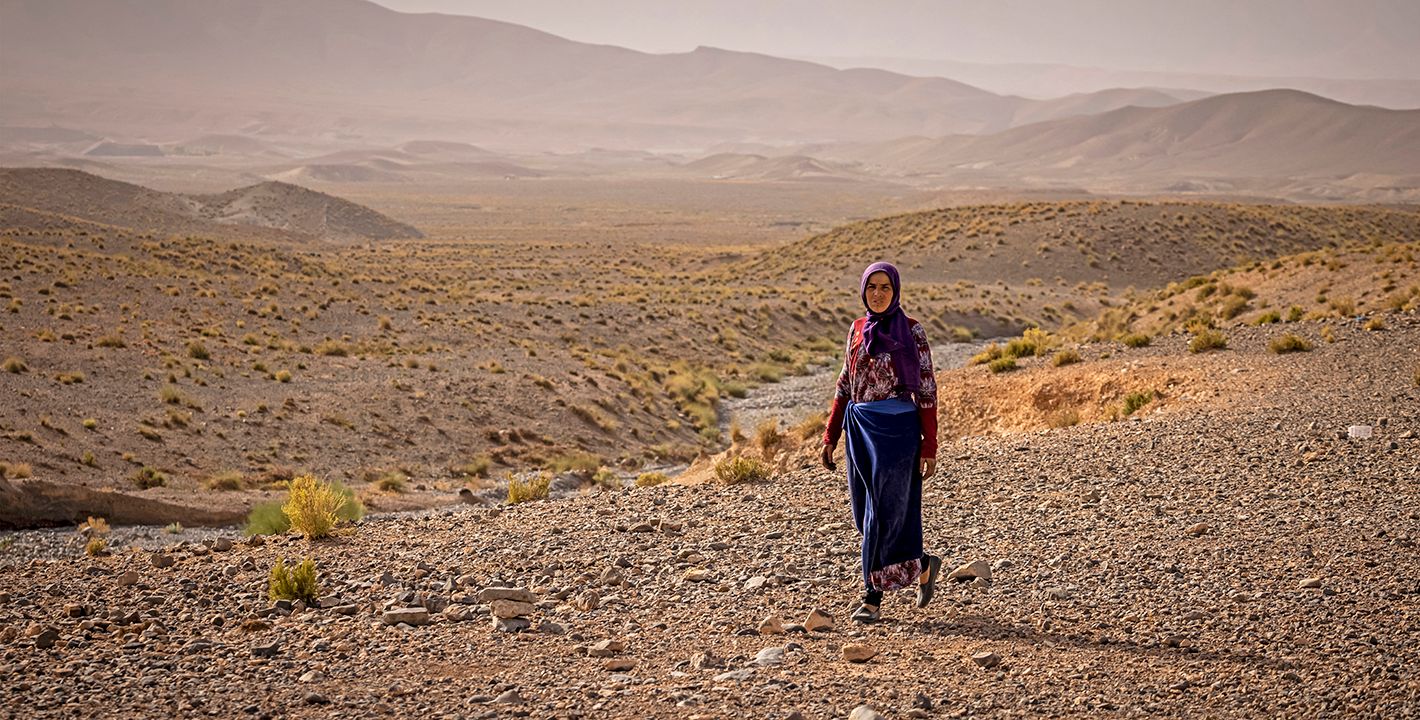
For the traditionally nomadic Amazigh pastoralists in the Draa-Tafilalet region, environmental change has exacerbated long-standing inequities, forcing the community to adapt, which has laid bare the blind spots of state-centered climate policy frameworks.
Yasmine Zarhloule, Ella Williams
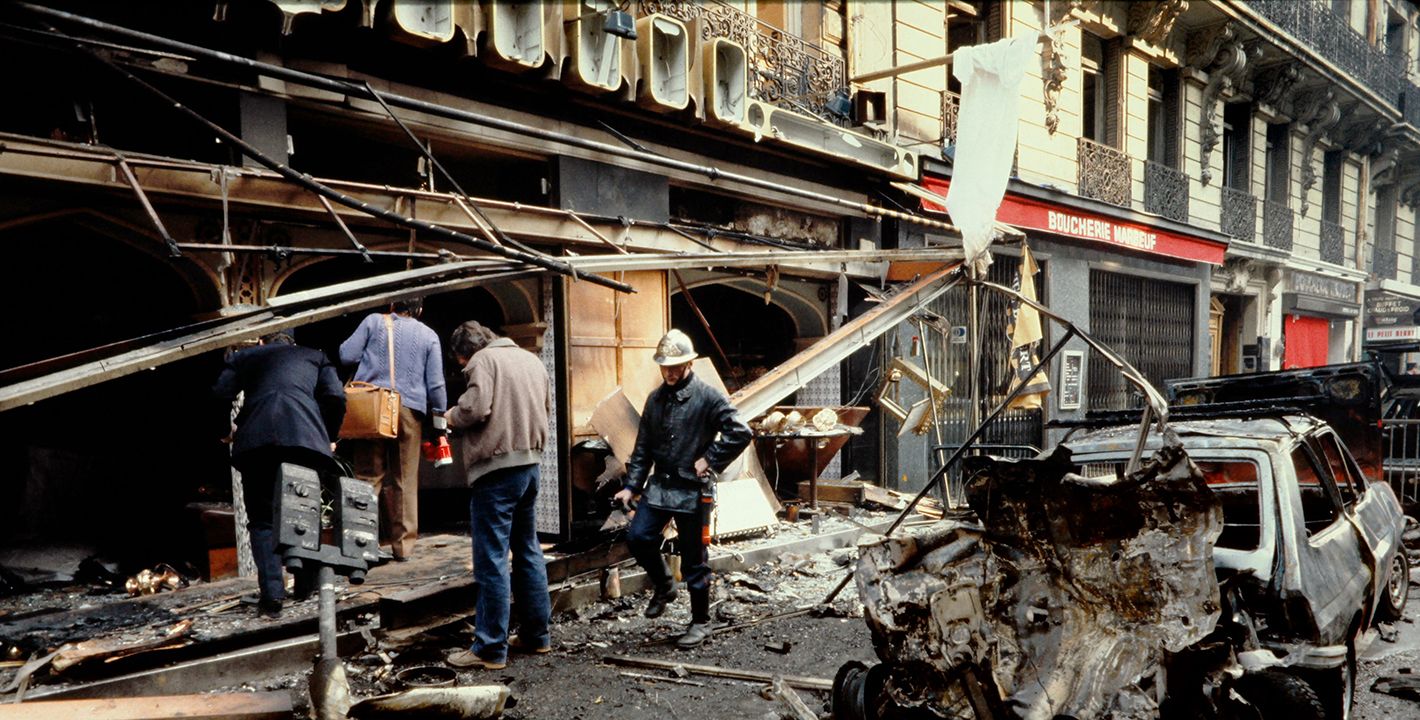
In an interview, Daniela Richterova speaks about her book on Czechoslovakia’s Cold War ties to Palestinian groups and others.

Michael Young