

Commentary
In an interview, Ian Lustick and Eli Clifton discuss their new book on why a prominent ally has so much influence in America.
Michael Young
{
  "authors": [
    "Richard Youngs",
    "Ricardo Farinha"
  ],
  "type": "legacyinthemedia",
  "centerAffiliationAll": "dc",
  "centers": [
    "Carnegie Endowment for International Peace",
    "Carnegie Europe"
  ],
  "collections": [],
  "englishNewsletterAll": "ctw",
  "nonEnglishNewsletterAll": "",
  "primaryCenter": "Carnegie Europe",
  "programAffiliation": "EP",
  "programs": [
    "Europe",
    "Democracy, Conflict, and Governance"
  ],
  "projects": [
    "European Democracy Hub"
  ],
  "regions": [
    "Europe",
    "Southern, Eastern, and Western Africa",
    "North Africa",
    "Mali",
    "Iran"
  ],
  "topics": [
    "Foreign Policy",
    "EU",
    "Security",
    "Democracy",
    "Political Reform"
  ]
}
REQUIRED IMAGE
As the frequency of political instability and coups d’Etat has increased, the EU has struggled to adopt a coherent, systematic response. The union must craft a robust strategy against the threat posed by military takeovers.

Senior Fellow, Democracy, Conflict, and Governance Program
Richard Youngs is a senior fellow in the Democracy, Conflict, and Governance Program, based at Carnegie Europe. He works on EU foreign policy and on issues of international democracy.
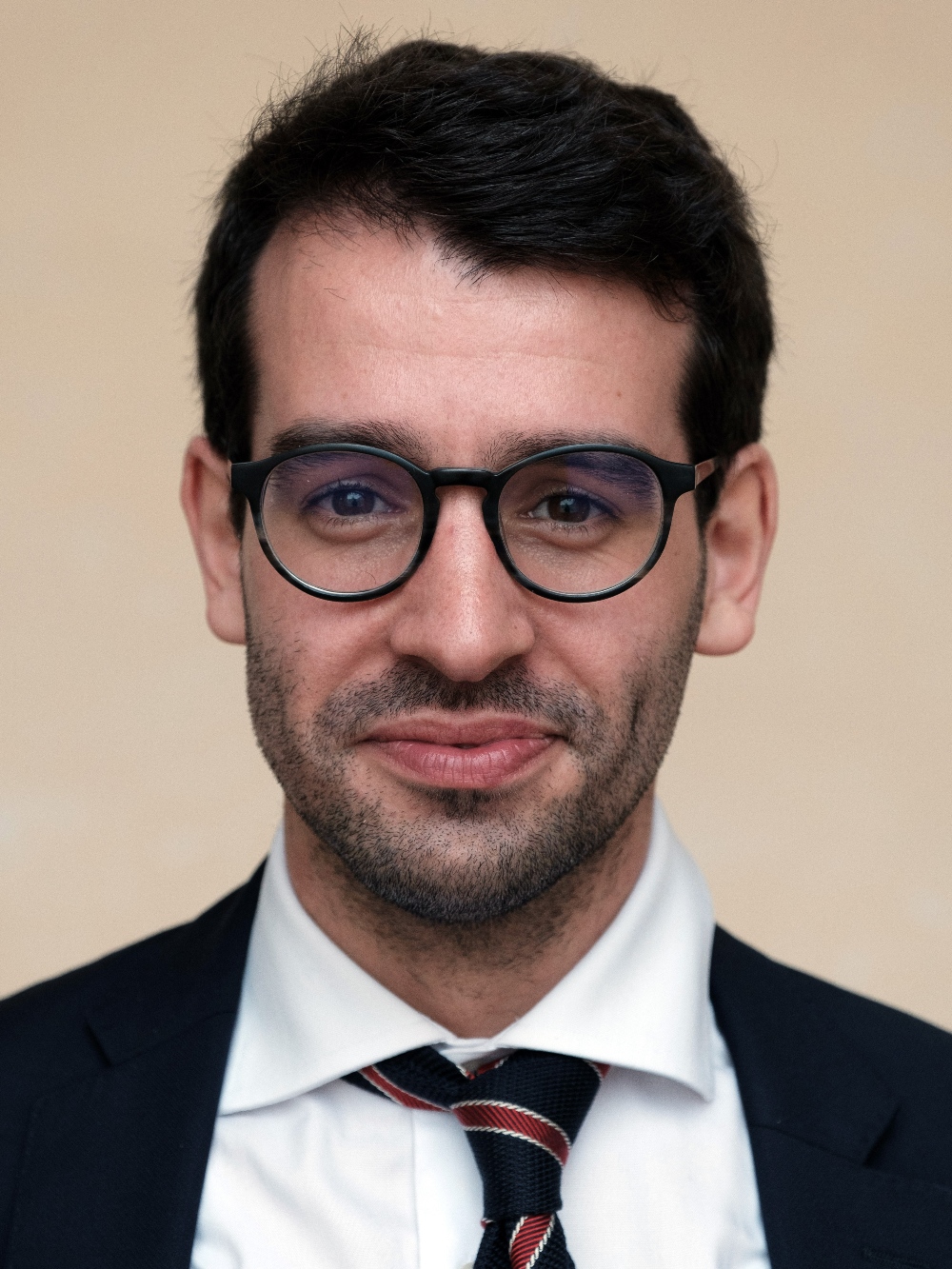
Program Manager, Carnegie Europe
Ricardo Farinha is a program manager in the Democracy, Conflict, and Governance Program at Carnegie Europe.
Carnegie does not take institutional positions on public policy issues; the views represented herein are those of the author(s) and do not necessarily reflect the views of Carnegie, its staff, or its trustees.

In an interview, Ian Lustick and Eli Clifton discuss their new book on why a prominent ally has so much influence in America.

Michael Young

As the U.S. stumbles in its war with Iran, we are likely to see an acceleration of its disengagement from the region.
Michael Young

Middle Eastern states should welcome an accelerated U.S. disengagement from their region.
Michael Young

In an interview, former ambassador Charles Freeman assesses the Trump administration’s war against Iran.
Michael Young

By failing to address Palestinian representation, the current process is bound to lead to just another temporary arrangement.

Nathan J. Brown