

Commentary
In an interview, Marc Lynch discusses his new book decrying the post-1990 U.S.-dominated order in the Middle East.
Michael Young

Source: Carnegie Endowment for International Peace and the Monterey Institute of International Studies,1998
This volume provides an up-to-date snapshot of the status of nuclear weapon deployments, production, and dismantling activities in Belarus, Kazakstan, Russia, and Ukraine, as well as details about export controls and implementation of the U.S. Cooperative Threat Reduction Program in each of these states. To our knowledge, it is the only publication in print to bring together in one place all current information on these issues. Detailed, original maps are also included in the document.
Published jointly by the Carnegie Endowment for International Peace and the Monterey Institute of International Studies
Carnegie does not take institutional positions on public policy issues; the views represented herein are those of the author(s) and do not necessarily reflect the views of Carnegie, its staff, or its trustees.
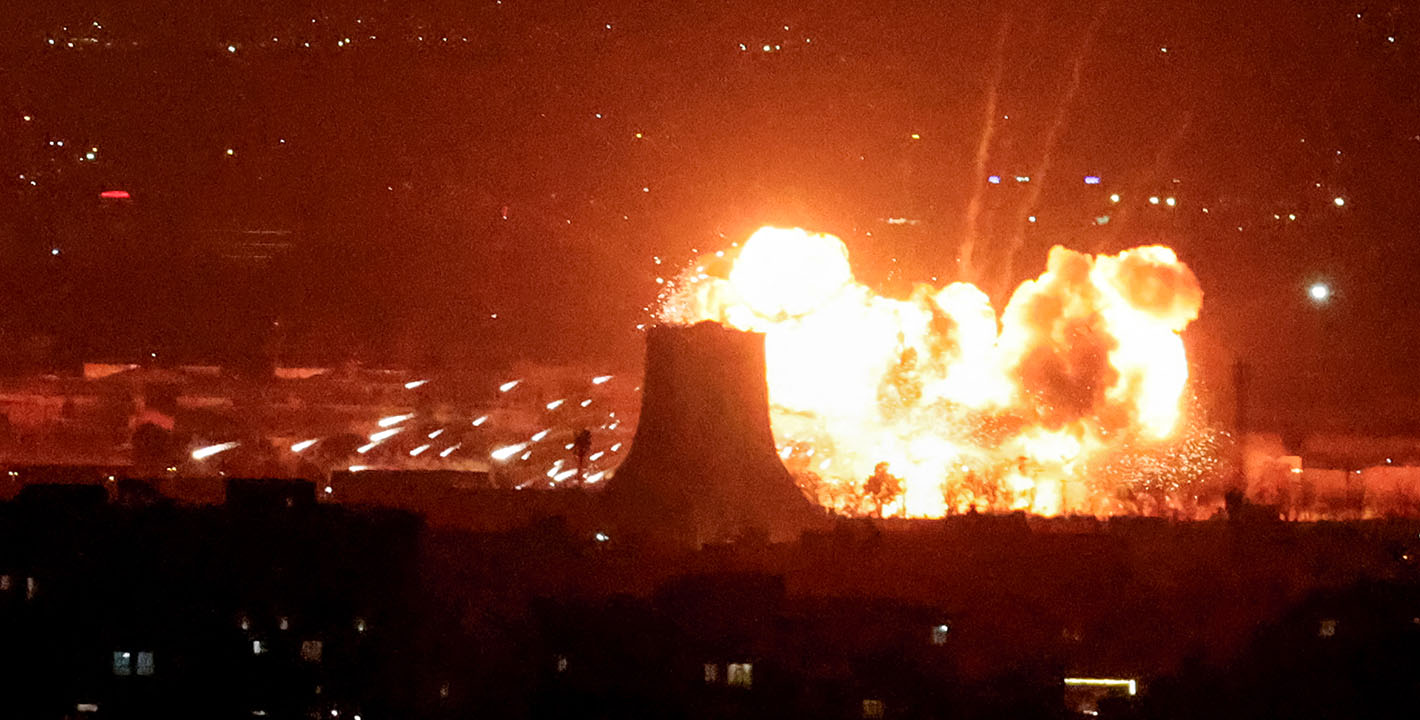
In an interview, Marc Lynch discusses his new book decrying the post-1990 U.S.-dominated order in the Middle East.

Michael Young
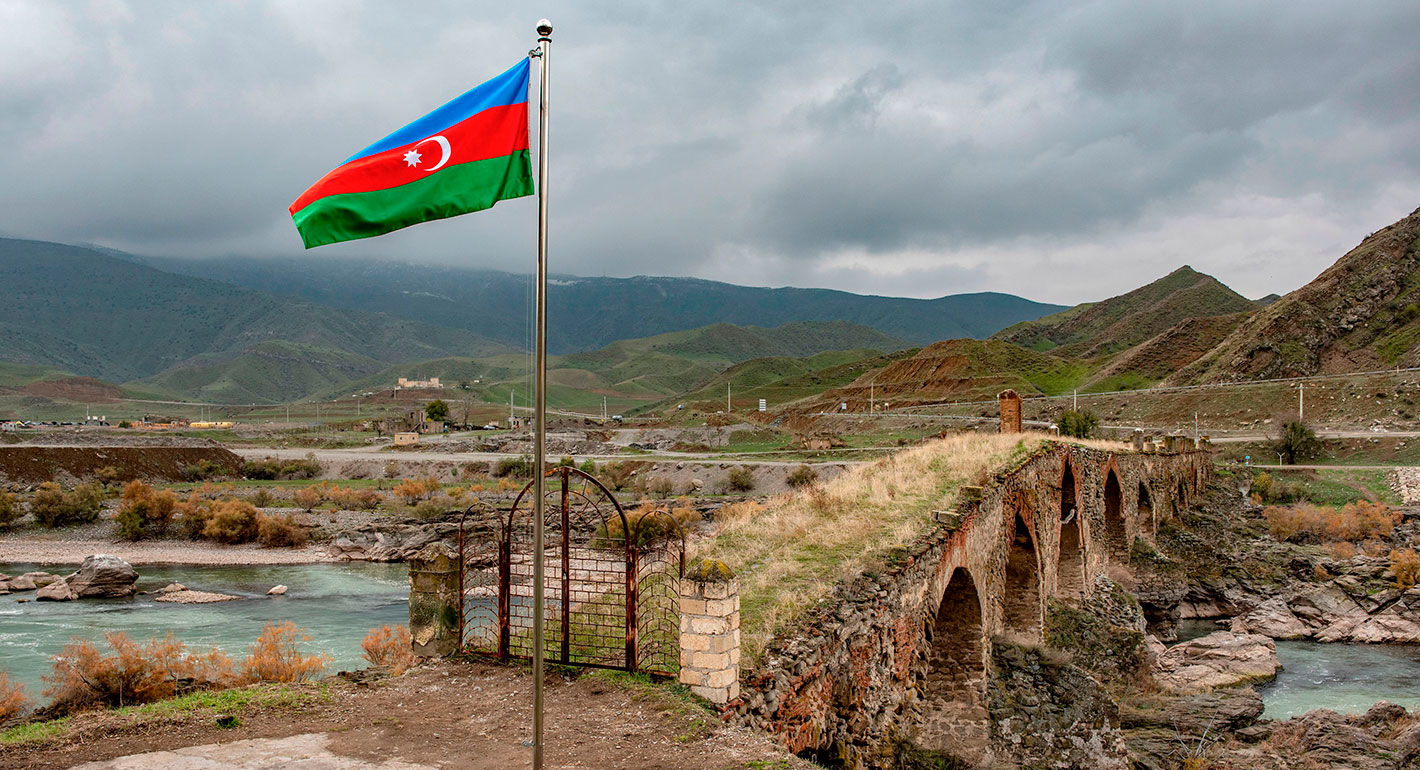
In an interview, Sergei Melkonian discusses Armenia’s and Azerbaijan’s careful balancing act among the United States, Israel, and Iran.

Armenak Tokmajyan
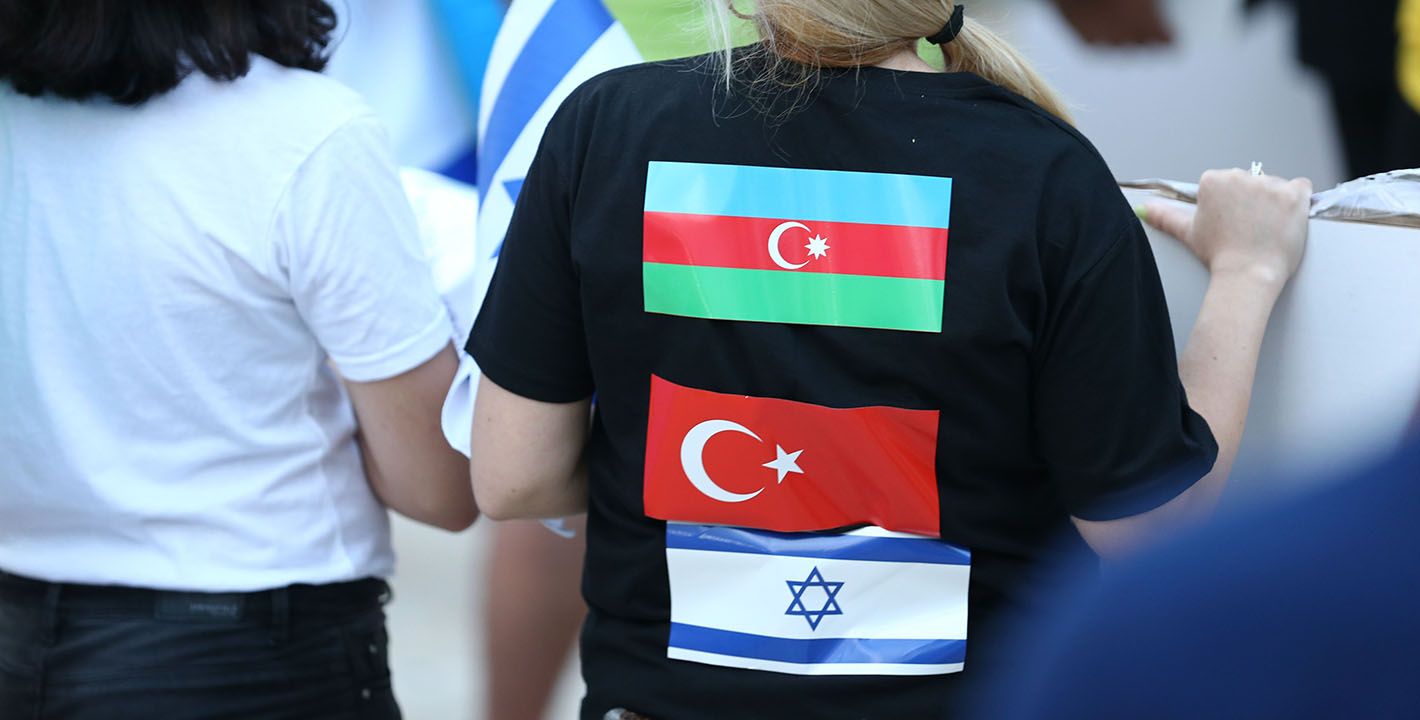
The country’s leadership is increasingly uneasy about multiple challenges from the Levant to the South Caucasus.
Armenak Tokmajyan
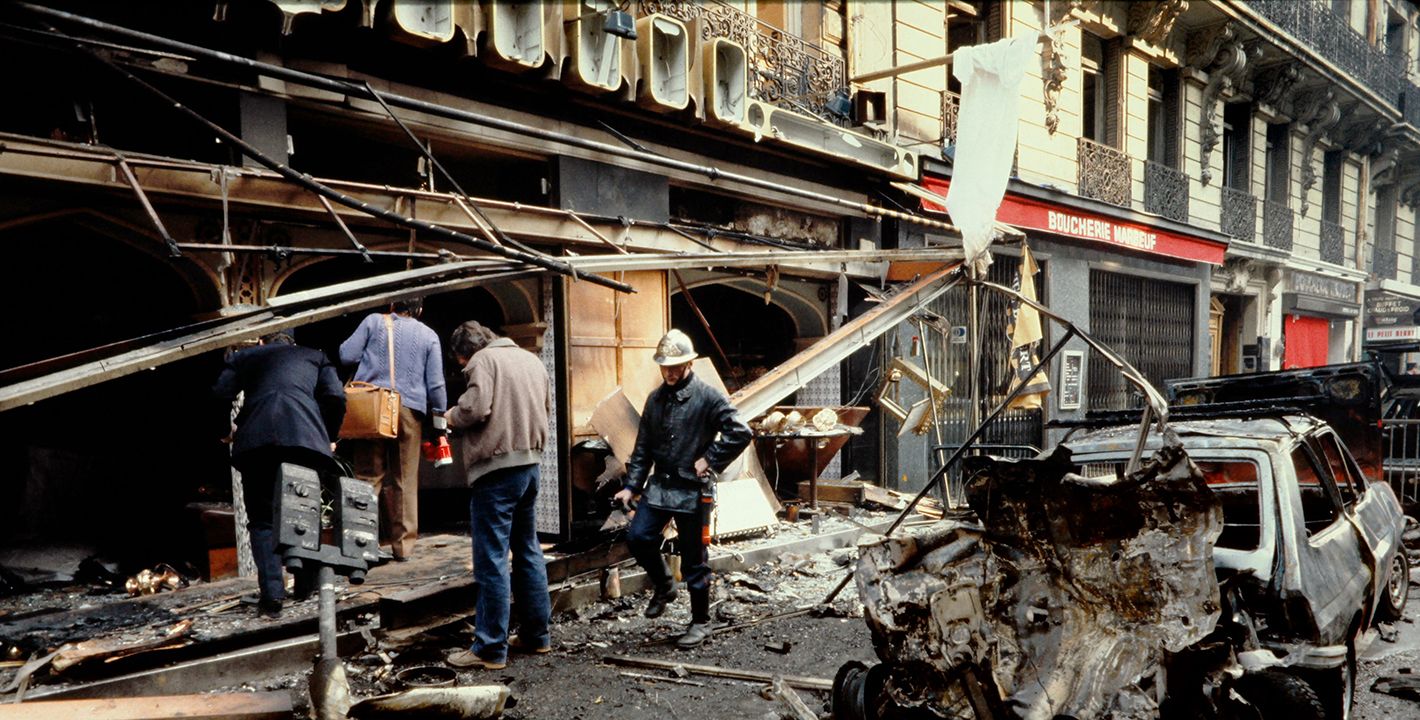
In an interview, Daniela Richterova speaks about her book on Czechoslovakia’s Cold War ties to Palestinian groups and others.
Michael Young
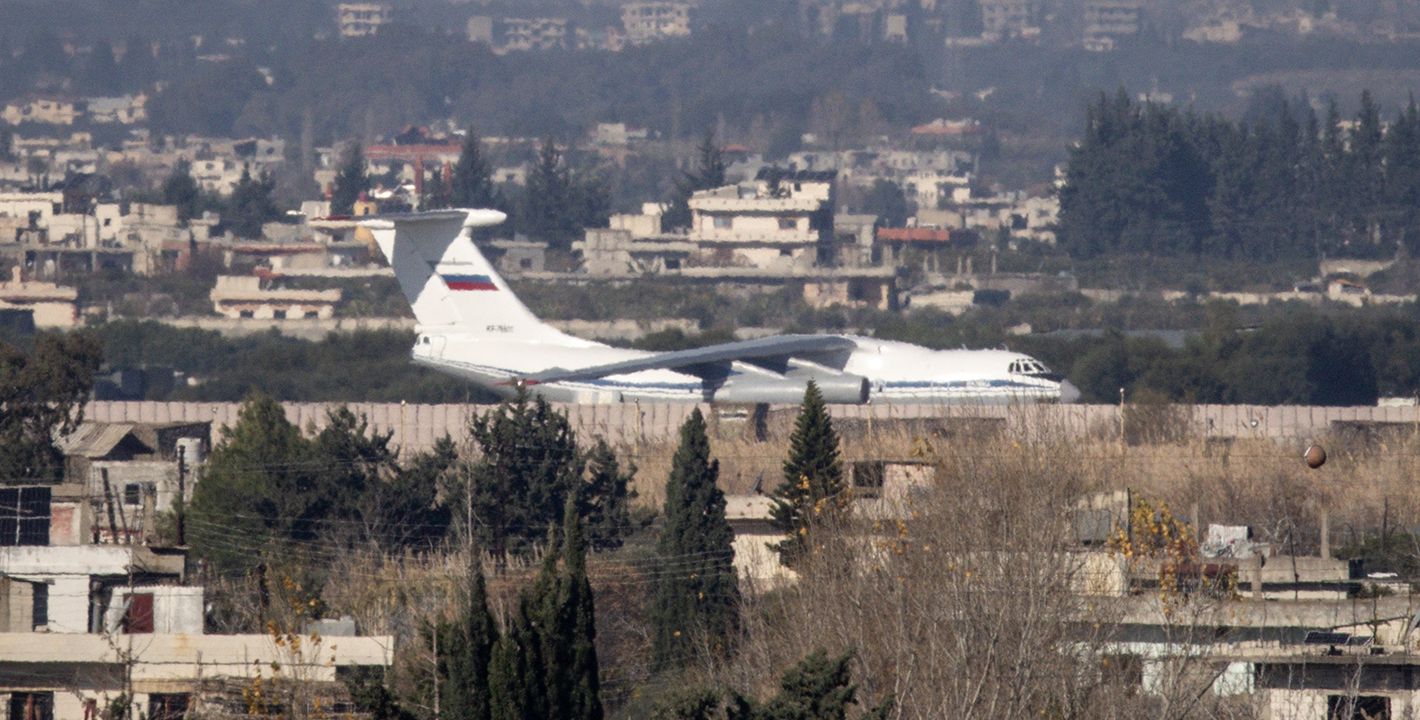
The downfall of the Assad regime represented a setback, but Russia’s primary focus remains Ukraine.
Sergei Melkonian