

Article
Thomas Carothers
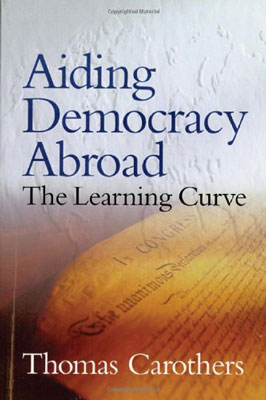
This book examines democracy aid programs relating to elections, political parties, governmental reform, rule of law, civil society, independent media, labor unions, decentralization, and other elements of what Carothers describes as "the democracy template" that policy makers and aid officials apply around the world.
Source: Washington

Aiding Democracy Abroad: The Learning Curve is the first independent, comprehensive assessment of this important new field. Drawing on extensive field research and years of hands-on experience, author Thomas Carothers examines democracy aid programs relating to elections, political parties, governmental reform, rule of law, civil society, independent media, labor unions, decentralization, and other elements of what he describes as "the democracy template" that policy makers and aid officials apply around the world.
Steering a careful path between the inflated claims of aid advocates and the exaggerated criticisms of their opponents, Carothers takes a hard look at what such programs achieve and how they can be improved.
"A clear-eyed examination of attempts to reform legislatures, courts, and political parties, and new efforts to promote democracy from the bottom up."
—The New York Times
"[Aiding Democracy] is not just the best thing ever written on democracy promotion, moving the debate from homilies and assertions to evidence and argumentatioin, but also a model for anyone interested in applying intellectual rigor to practical policy issues."
—Gideon Rose, International Security

Harvey V. Fineberg Chair for Democracy Studies; Senior Fellow, Democracy, Conflict, and Governance Program
Thomas Carothers, a senior fellow in the Carnegie Endowment for International Peace’s Democracy, Conflict, and Governance Program, is a leading expert on comparative democratization and international support for democracy.
Recent Work
Thomas Carothers
Thomas Carothers
Carnegie does not take institutional positions on public policy issues; the views represented herein are those of the author(s) and do not necessarily reflect the views of Carnegie, its staff, or its trustees.
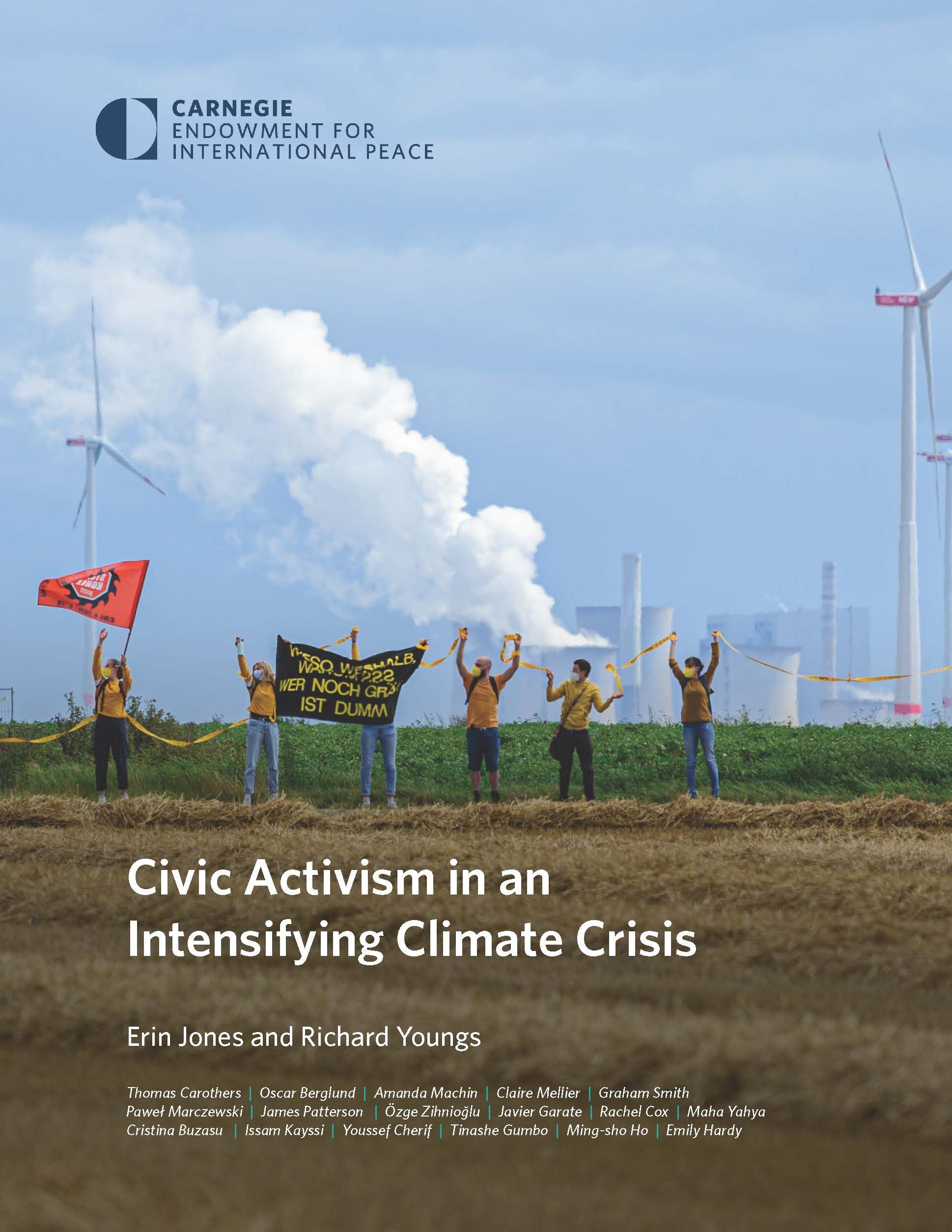
To address the deepening climate crisis, climate activism is employing a wider variety of tactics and aiming at a broader set of goals. In response, the movement faces stronger repression and civic backlash against climate action.

Erin Jones, Richard Youngs
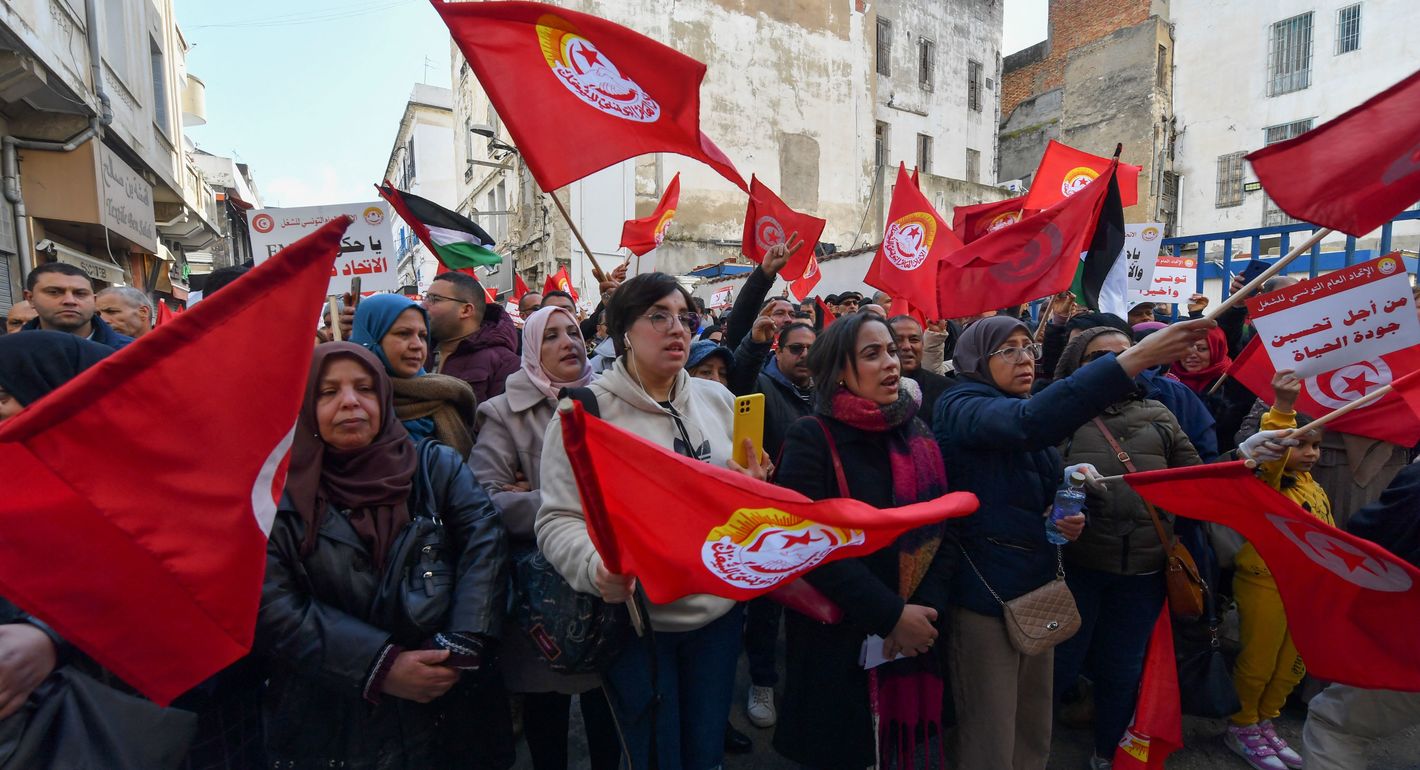
As members, organizers, and leaders, women continue to play an important role in the General Union of Tunisian Workers and advance its political advocacy.
Heba F El-Shazli

The emir has just put parliament and the constitution on the backburner, but for what purpose?

Nathan J. Brown
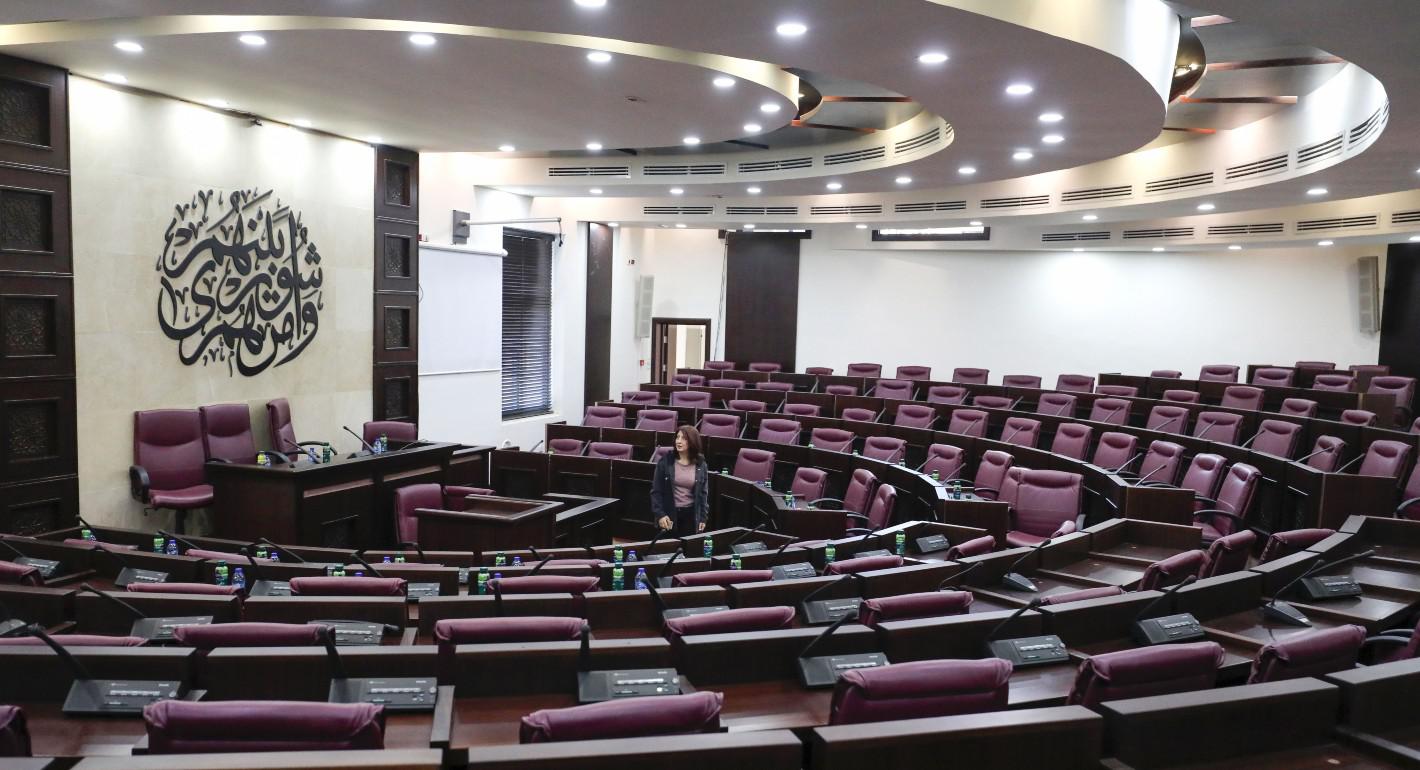
Despite the current fragmentation in leadership, Palestine could present itself as a national community under a set of authoritative institutions.

Nathan J. Brown, Sanaa Alsarghali
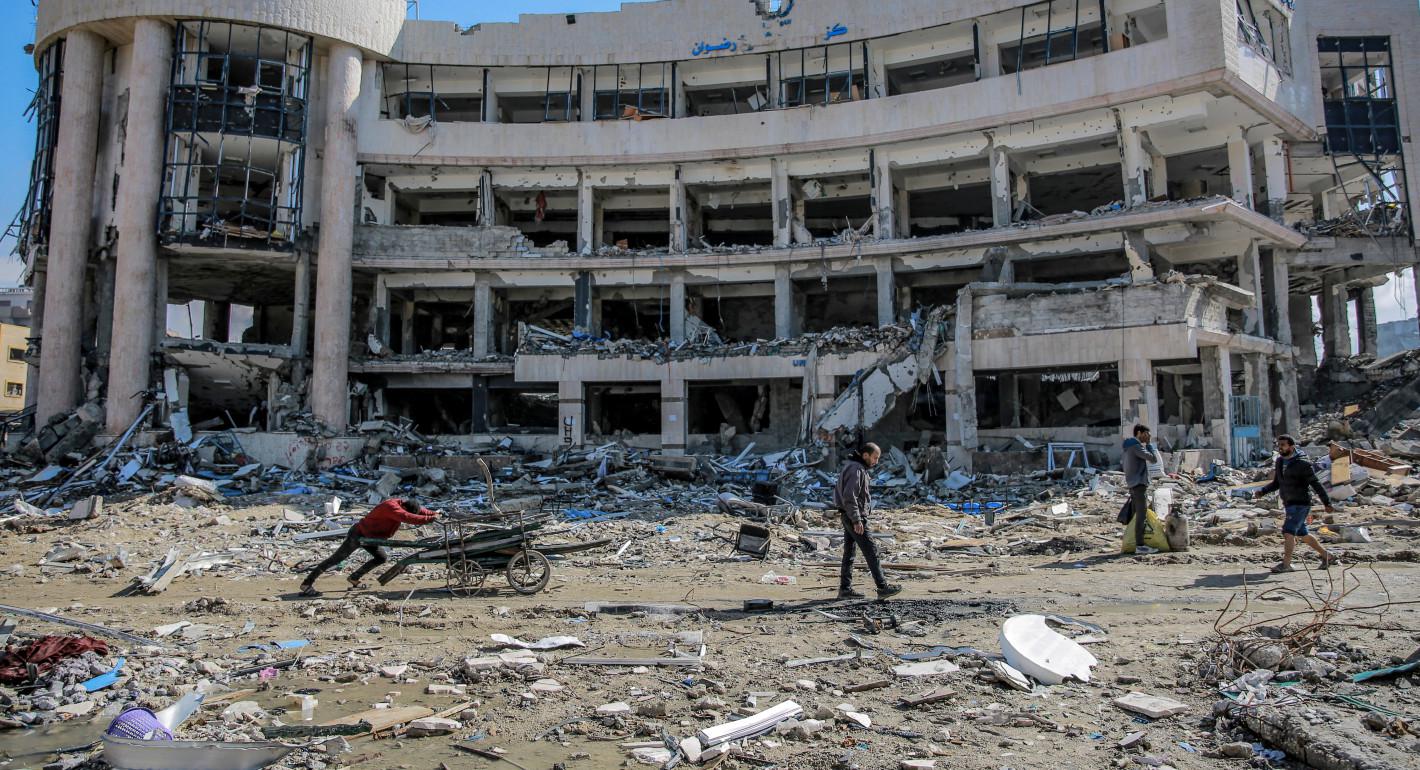
In the second of this four-part series, experts analyze Palestinian outlooks on what happens after the fighting abates.
Mkhaimar Abusada, Zaha Hassan, Sanaa Alsarghali, …