

Other
Anders Aslund
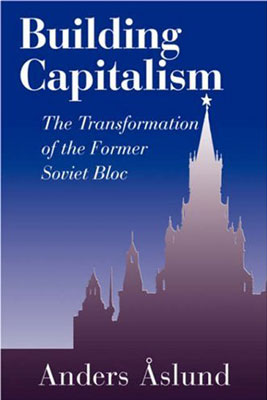
Released ten years after the fall of the Soviet Union, Building Capitalism, by world renowned economist Anders Åslund, provides the most comprehensive empirical analysis of the economic transformation of the countries comprising the former Soviet bloc during the past decade and challenges conventional wisdom.
Source: New York, NY: Cambridge University Press, 2001
Released ten years after the fall of the Soviet Union, Building Capitalism, by world renowned economist Anders Åslund, provides the most comprehensive empirical analysis of the economic transformation of the countries comprising the former Soviet bloc during the past decade and challenges conventional wisdom. Åslund-who has served as economic adviser to Boris Yeltsin's government, to the Ukrainian government, and to President Askar Akaev of Kyrgyzstan- shows what has and has not worked in this comparative and intensively researched study.
He spells out the drama and intense struggle between liberal reformers, who wanted to build a normal democracy and market economy, and rent-seeking businessmen and officials, who desired to make money at the expense of the state and society in transition. Privatization has undoubtedly been beneficial, and its positive effects will grow over time, he writes. The main problem has been the continuation of large, unregulated, and ubiquitous state apparatuses living on corruption.
Anders Åslund, senior associate at the Carnegie Endowment and an expert on post-Soviet economies, is author of How Russia Became a Market Economy (1995) and Post-Communist Economic Revolutions: How Big a Bang? (1992).
"Building Capitalism has all the right ingredients: It is on a critically important issue; it is based on an extraordinarily detailed knowledge of economic and political history, pre- and post- the break-up of the former Soviet Union; and it displays a full acquaintance with the literature, Anders Åslund's naturally exuberant style, and a clear point of view. Whether you agree with the argument or disagree with it, you should not be indifferent to this book. And by the end, you should fundamentally agree."
— Stanley Fischer, former first deputy managing director, International Monetary Fund
"At last, post-communist economic reforms are presented in an appropriate geographic and historical perspective."
—Yegor T. Gaidar, former acting prime minister of Russia
"This excellent book lays out strategies for reform that will be of use even to those countries most deeply in crisis."
—George Soros, international financier and philanthropist
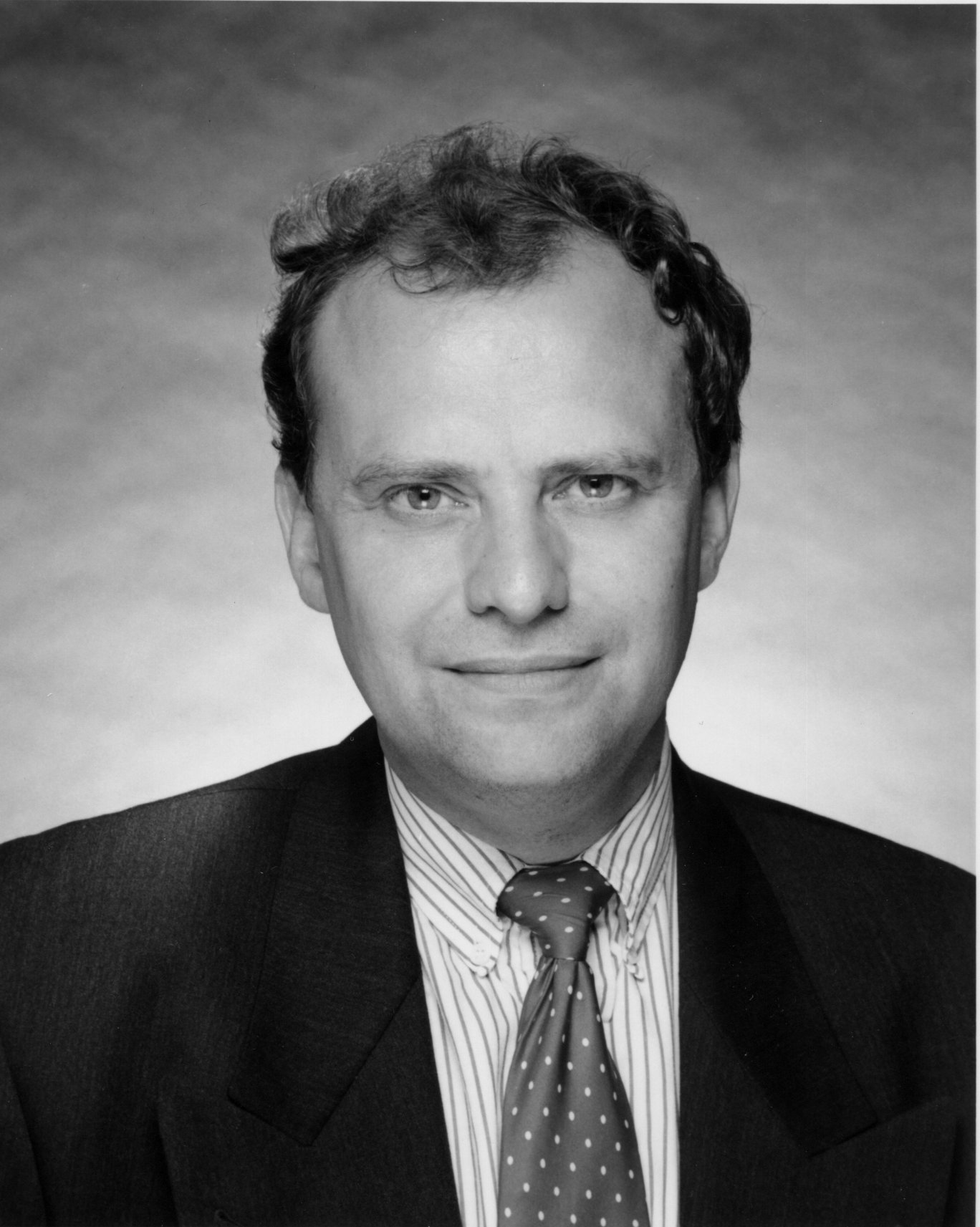
Former Senior Associate, Director, Russian and Eurasian Program
Recent Work
Anders Aslund
Anders Aslund
In an interview, Sergei Melkonian discusses Armenia’s and Azerbaijan’s careful balancing act among the United States, Israel, and Iran.

Armenak Tokmajyan

The country’s leadership is increasingly uneasy about multiple challenges from the Levant to the South Caucasus.
Armenak Tokmajyan
In an interview, Daniela Richterova speaks about her book on Czechoslovakia’s Cold War ties to Palestinian groups and others.

Michael Young
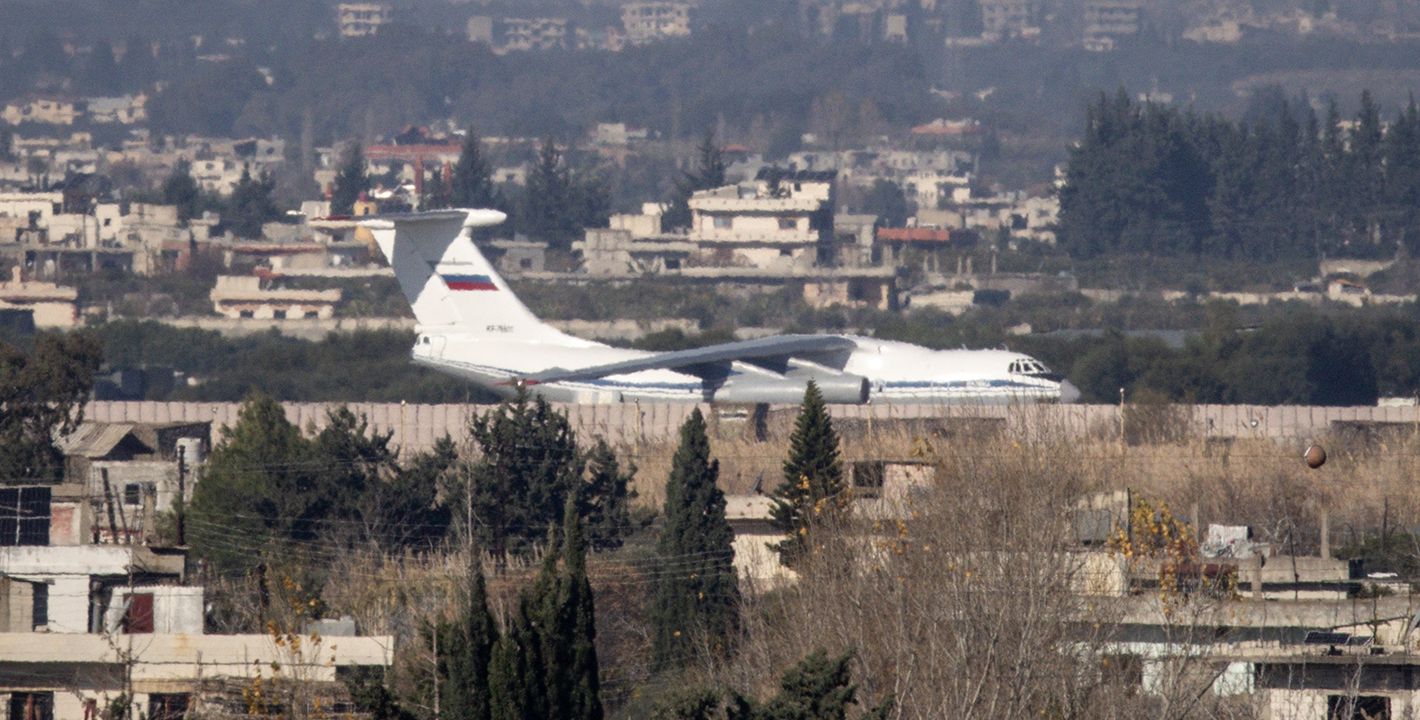
The downfall of the Assad regime represented a setback, but Russia’s primary focus remains Ukraine.
Sergei Melkonian
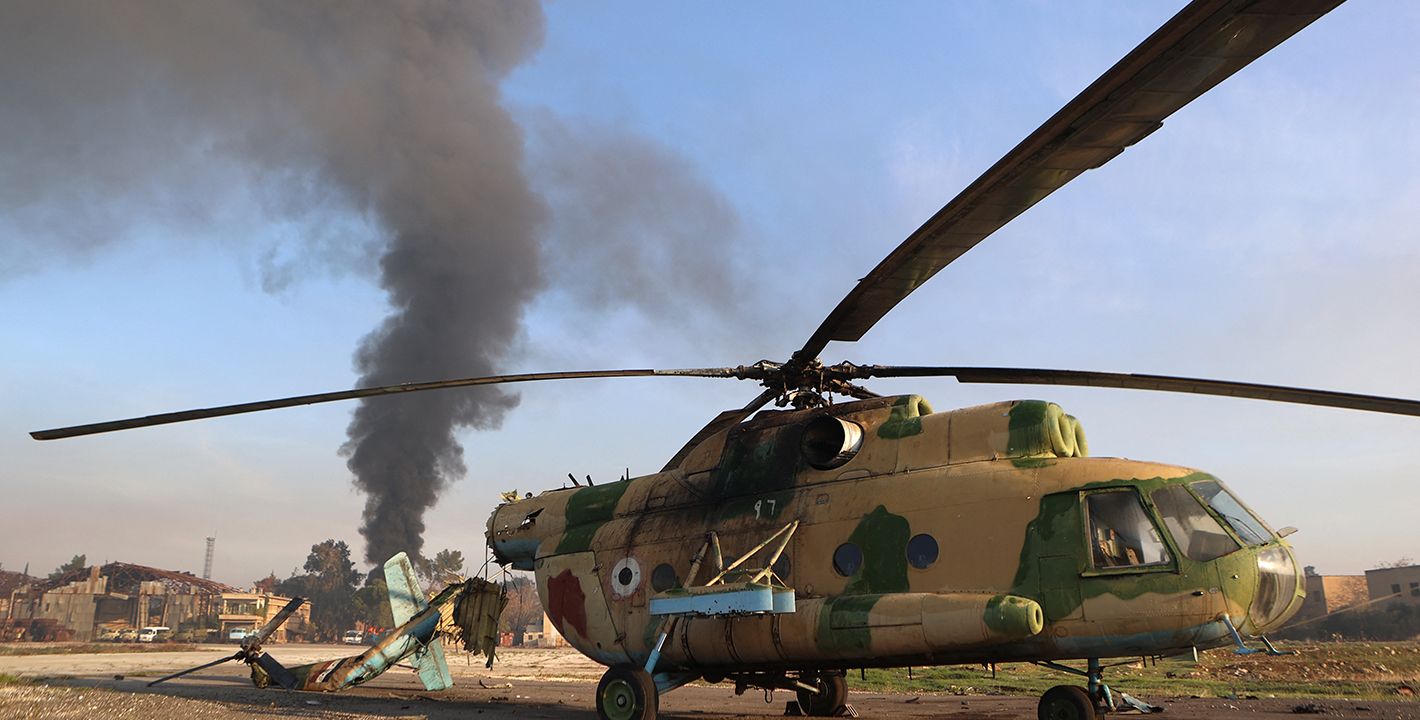
Why did Bashar al-Assad’s armed forces fail to act, unlike those in Egypt, Libya, Algeria, and Sudan?

Yezid Sayigh