

In The Media
Jessica Tuchman Mathews

The report provides a middle ground between the two existing approaches to Iraq: continue to do nothing, or pursue an overthrow of Saddam Hussein.
Source: Carnegie
IRAQ: A NEW APPROACH
|
Full Text in English (PDF) Click here for more resources on Iraq and to read the Carnegie Endowment's latest report, Iraq: what next? Read Russian translation of "A New Approach: Coercive Inspections," by Jessica T. Mathews, and Chapter One, "A Military Framework for Coercive Inspections," by Charles G. Boyd |
Carnegie Event
Report contributors present their proposal for "coercive inspections."
Click here to see the video of the event.
Summary
This proposal identifies a middle ground between the two existing approaches to Iraq: continue to do nothing, or pursue an overthrow of Saddam Hussein. In the lead chapter of the report, Carnegie president Jessica T. Mathews proposes "coercive inspections" in which a multinational military force created by the UN Security Council would enable international inspections teams to operate effectively in Iraq. The U.S. would forswear unilateral military action against Iraq as long as inspections worked unhindered. This "comply or else" tactic would place the burden of choosing war squarely on Saddam Hussein.
The report stems from a series of bipartisan meetings held at the Carnegie Endowment beginning in April. The discussions included international experts on the Middle East and former military officers and inspectors intimately familiar with Iraq's nuclear, chemical, biological, and missile programs, including: Charles G. Boyd, General, U.S. Air Force (Retired); Rolf Ekeus, former Swedish Ambassador and former UNSCOM Executive Chairman; Robert L. Gallucci, former U.S. Ambassador and former Deputy Executive Chairman of UNSCOM; Terence Taylor, former UNSCOM Commissioner, former Chief Inspector in Iraq, and former career officer in the British Army; and Patrick Clawson, Deputy Director of the Washington Institute for Near East Policy.
The report includes a detailed analysis of UNSCOM and IAEA inspections, the new political situation that makes UN support for a new inspections regime possible, the likely responses from Russia and Middle East states, and relevant UN resolutions and international laws.
This paper identifies an alternative policy that, as Mathews writes, "blends the imperative for military threat against a regime that has learned how to divide and conquer the major powers with the legitimacy of UN sanction and multilateral action.

Distinguished Fellow
Mathews is a distinguished fellow at the Carnegie Endowment for International Peace. She served as Carnegie’s president for 18 years.
Recent Work
Jessica Tuchman Mathews
Jessica Tuchman Mathews
Carnegie does not take institutional positions on public policy issues; the views represented herein are those of the author(s) and do not necessarily reflect the views of Carnegie, its staff, or its trustees.

In an interview, Rozina Ali discusses her new book on the rise and manifestations of Islamophobia in the United States.

Michael Young
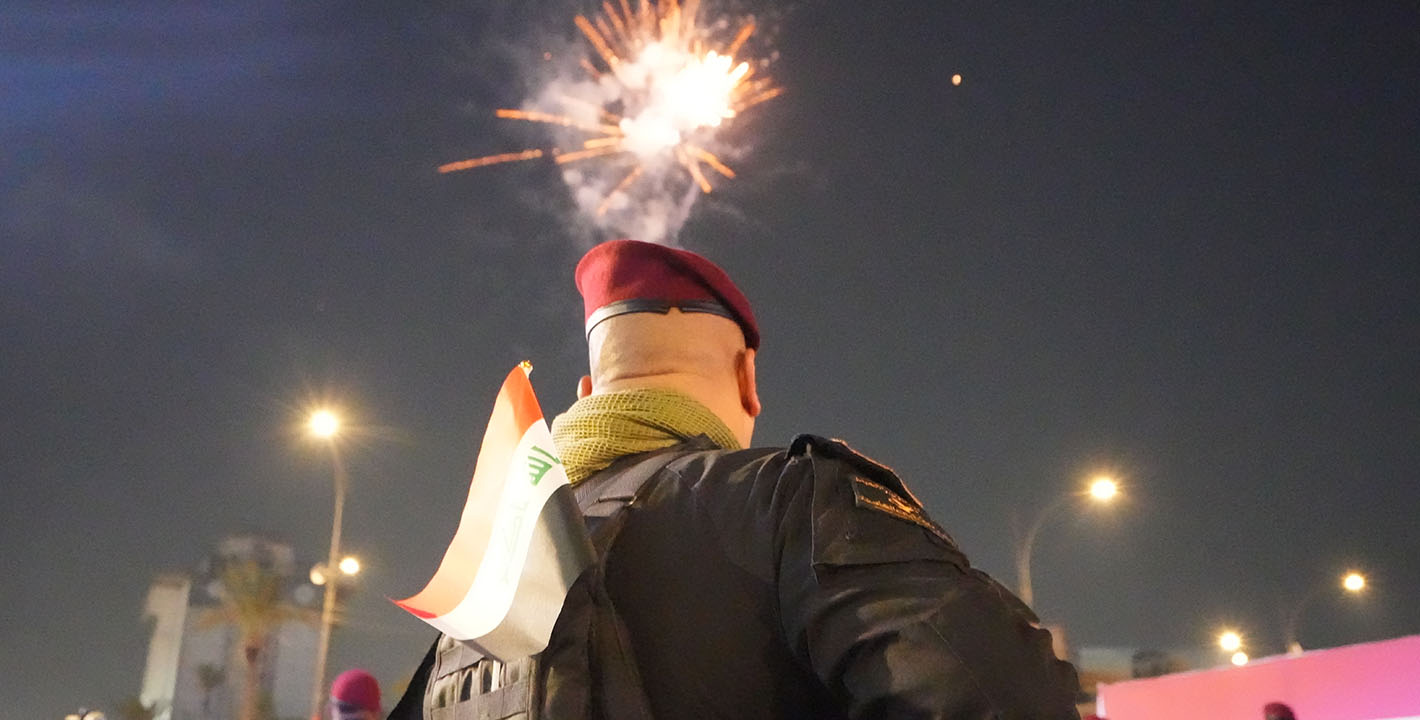
As the U.S.-led Coalition withdraws, the Kurds’ reliance on Baghdad, and on themselves, will only increase.
Wladimir van Wilgenburg

In an interview, Ian Lustick and Eli Clifton discuss their new book on why a prominent ally has so much influence in America.
Michael Young

As the U.S. stumbles in its war with Iran, we are likely to see an acceleration of its disengagement from the region.
Michael Young
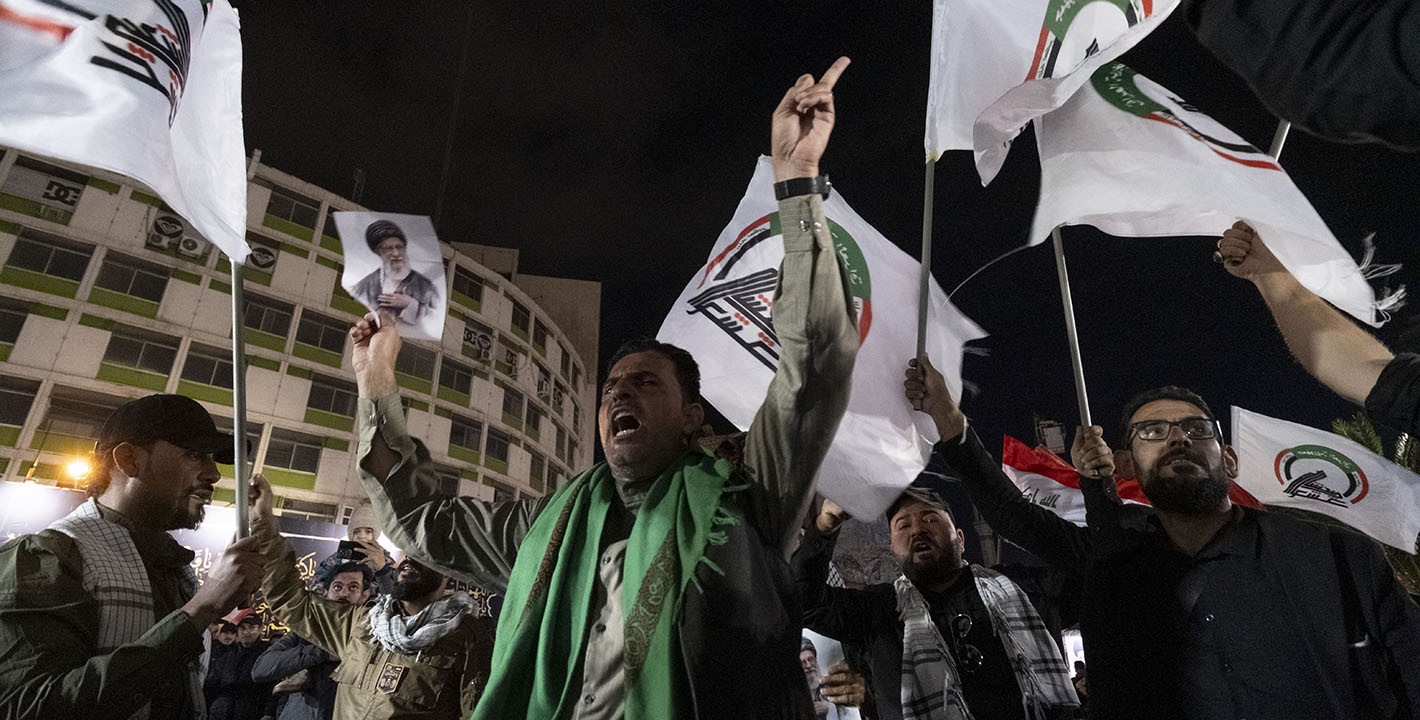
The Zaidi government’s objective to collect weapons is constrained by regional conflict, but it can take certain measures at home.
Ali Al-Mawlawi