

Commentary
As talks begin between Washington and Tehran, Beirut has an opening to advance a regional plan for the party’s disarmament.
Michael Young

REQUIRED IMAGE
Attention to trade-related technical assistance and capacity building has surged as people from all walks of life explore how the global trade regime can be structured to better promote equitable, sustainable human development.
Source: Carnegie Paper No. 40
Summary
Attention to trade-related technical assistance and capacity building has surged as people from all walks of life explore how the global trade regime can be structured to better promote equitable, sustainable human development. Trade capacity building strengthens human, physical, and institutional capacities within developing countries to participate in trade negotiations, implement trade commitments, and benefit from integration into the global trading system. In light of the Bush Administration's goal to "ignite a new era of global economic growth through free markets and free trade," capacity building has become an important component of the United States bilateral, regional, and multilateral trade negotiations.
This paper specifically examines U.S. efforts to work with its trading partners in building their trade-related capacities for environmental protection and sustainable development.
About the Authors
John Audley is senior associate and director of Carnegie's Trade, Equity, and Development Project .
Vanessa Ulmer is a junior fellow at the Carnegie Endowment.
Former Senior Associate
Vanessa Ulmer
Carnegie does not take institutional positions on public policy issues; the views represented herein are those of the author(s) and do not necessarily reflect the views of Carnegie, its staff, or its trustees.
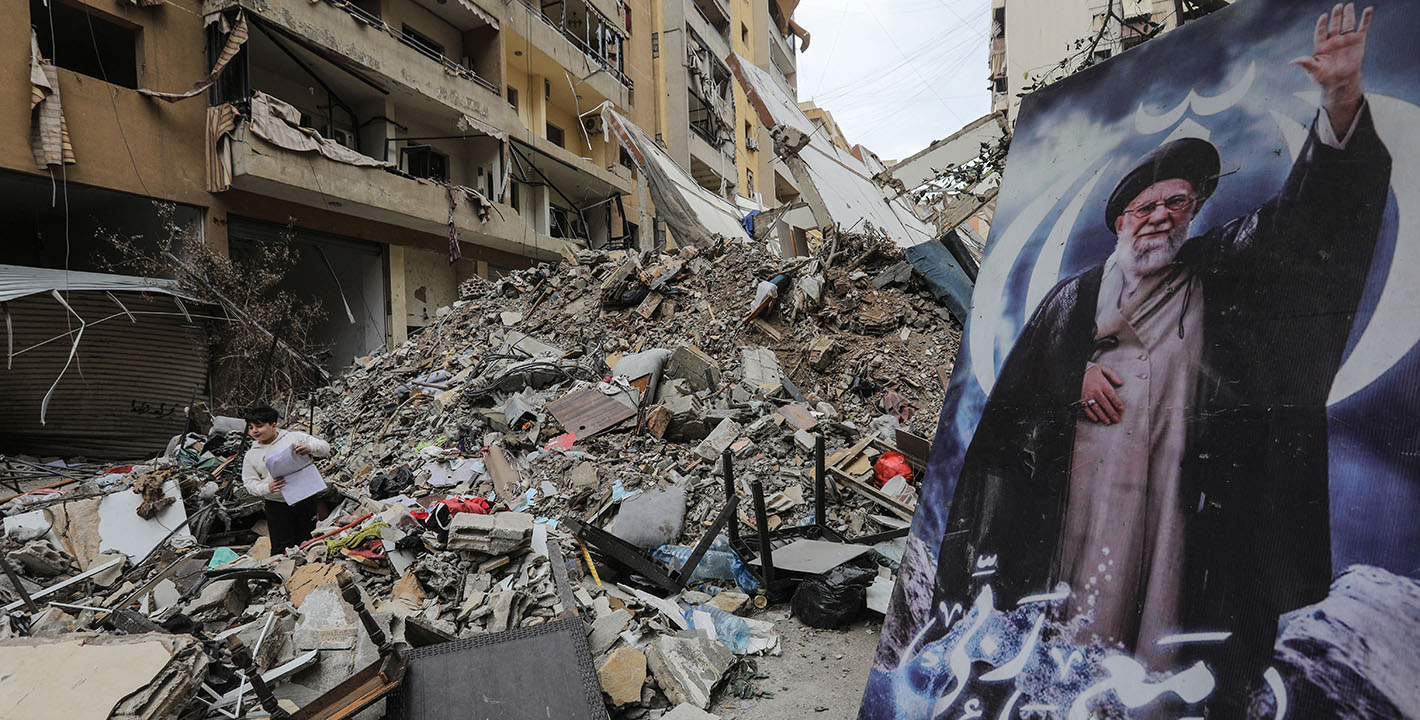
As talks begin between Washington and Tehran, Beirut has an opening to advance a regional plan for the party’s disarmament.

Michael Young
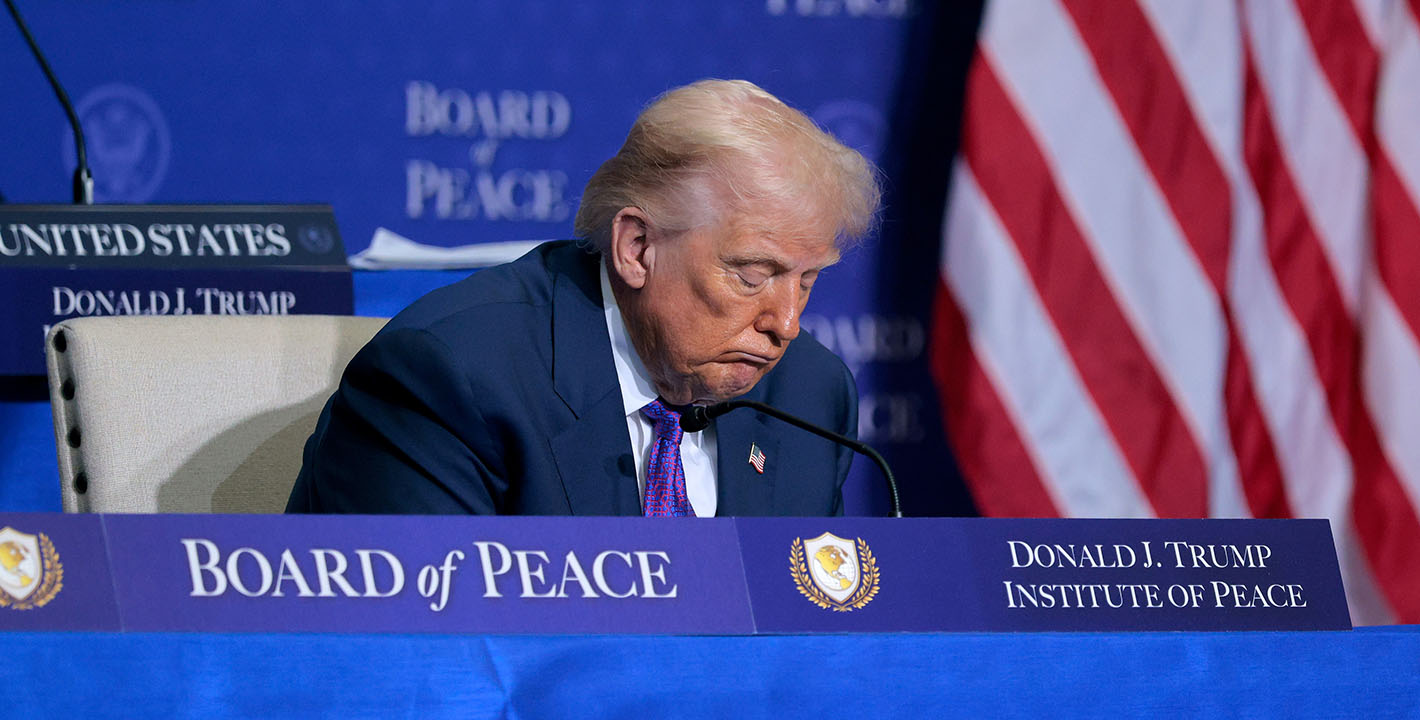
What is behind Marco Rubio’s announcement that the body is now an international nongovernmental organization?

Zaha Hassan

Policy discussion is ignoring that the Palestinian national project is hollowed out and apartheid is a present danger.

Nathan J. Brown
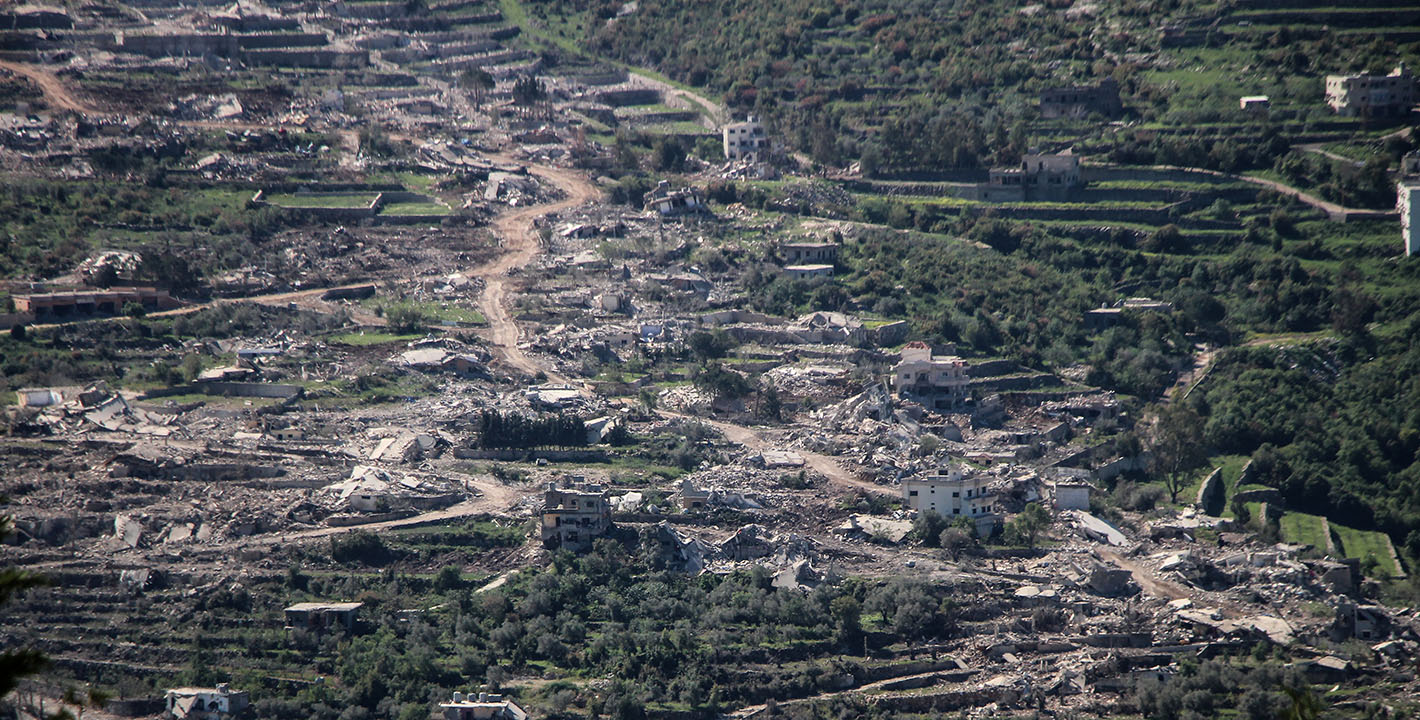
As negotiations with Iran and Lebanon continue, chaos is at the heart of the Netanyahu government’s calculations.
Michael Young
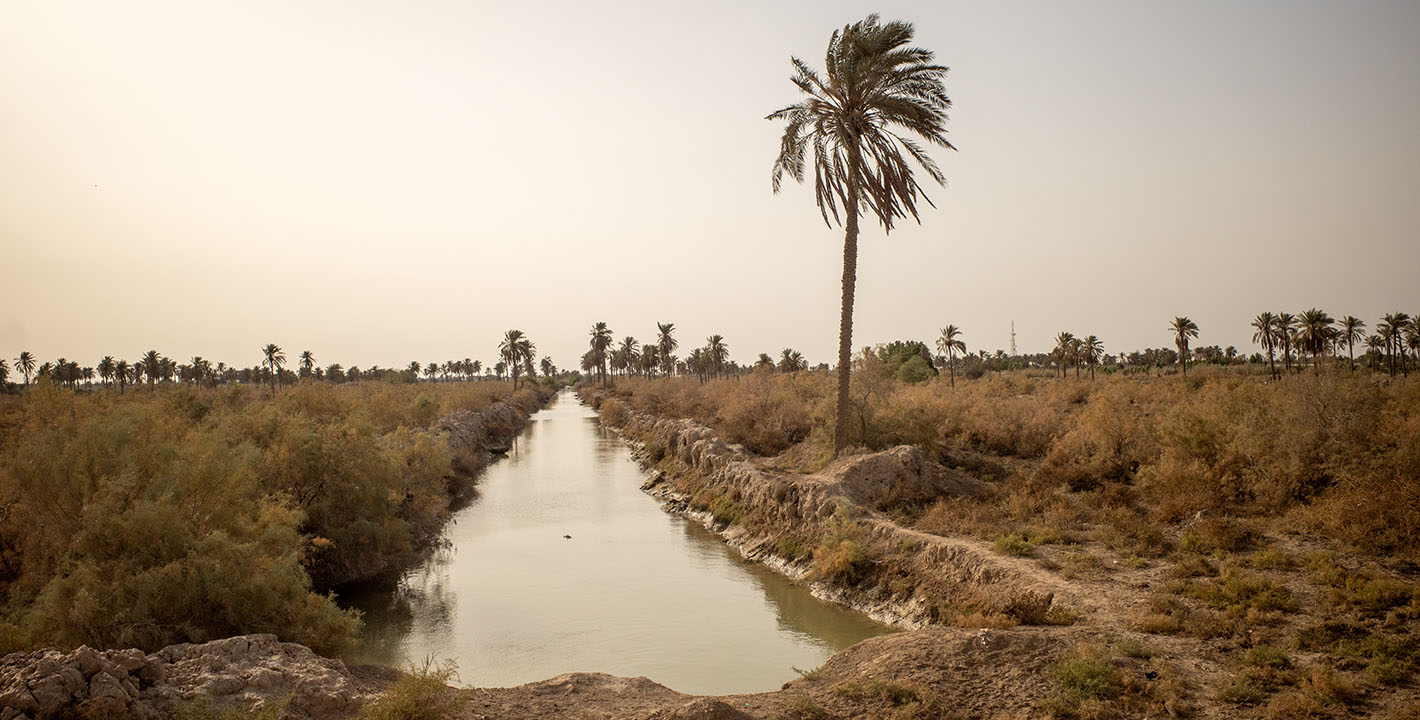
Across the Middle East and North Africa, climate stress interacts with economic fragility, governance failures, social marginalization, and conflict.

Camille Ammoun