

Commentary
As the U.S.-led Coalition withdraws, the Kurds’ reliance on Baghdad, and on themselves, will only increase.
Wladimir van Wilgenburg
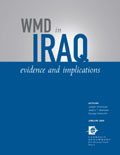
A groundbreaking report details what the U.S. and international intelligence communities understood about Iraq's weapons programs before the war and outlines policy reforms to improve threat assessments, deter transfer of WMD to terrorists, strengthen the UN weapons inspection process, and avoid politicization of the intelligence process.
Summary
This new study details what the U.S. and international intelligence communities understood about Iraq's weapons programs before the war and outlines policy reforms to improve threat assessments, deter transfer of WMD to terrorists, strengthen the UN weapons inspection process, and avoid politicization of the intelligence process.
The report distills a massive amount of data into side-by-side comparisons of pre-war intelligence, the official presentation of that intelligence, and what is now known about Iraq's programs.
Click on the link above for full text or the links to the right for specific sections of this Carnegie report.
About the Authors
Joseph Cirincione is a senior associate and director of the Non-Proliferation Project. Jessica T. Mathews is president and George Perkovich is vice president for studies of the Carnegie Endowment. Alexis Orton is a Junior Fellow with the Non-Proliferation Project.
This is a web-only publication.

Former Senior Associate, Director for NonProliferation

Distinguished Fellow
Mathews is a distinguished fellow at the Carnegie Endowment for International Peace. She served as Carnegie’s president for 18 years.

Japan Chair for a World Without Nuclear Weapons, Senior Fellow
George Perkovich is the Japan Chair for a World Without Nuclear Weapons and a senior fellow in the Carnegie Endowment for International Peace’s Nuclear Policy Program. He works primarily on nuclear deterrence, nonproliferation, and disarmament issues.
with Alexis Orton
Carnegie does not take institutional positions on public policy issues; the views represented herein are those of the author(s) and do not necessarily reflect the views of Carnegie, its staff, or its trustees.
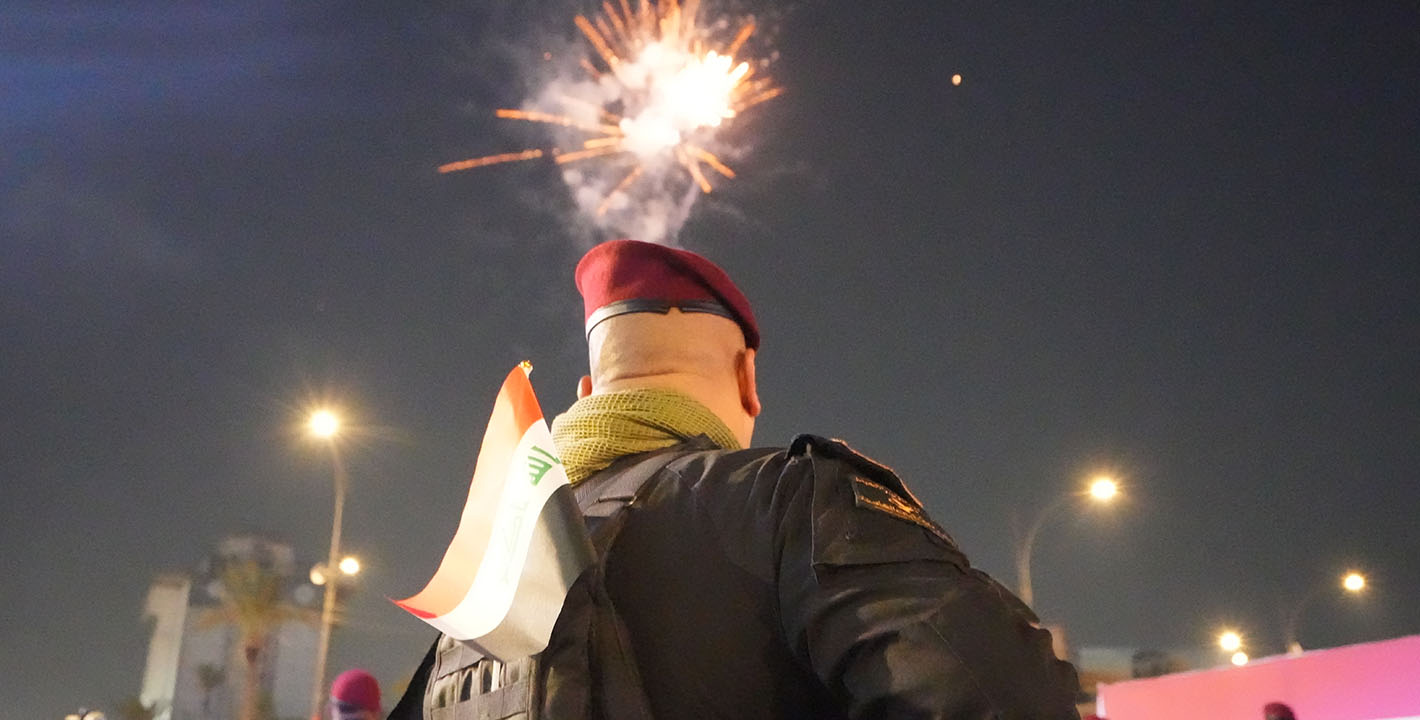
As the U.S.-led Coalition withdraws, the Kurds’ reliance on Baghdad, and on themselves, will only increase.
Wladimir van Wilgenburg

As the U.S. stumbles in its war with Iran, we are likely to see an acceleration of its disengagement from the region.

Michael Young
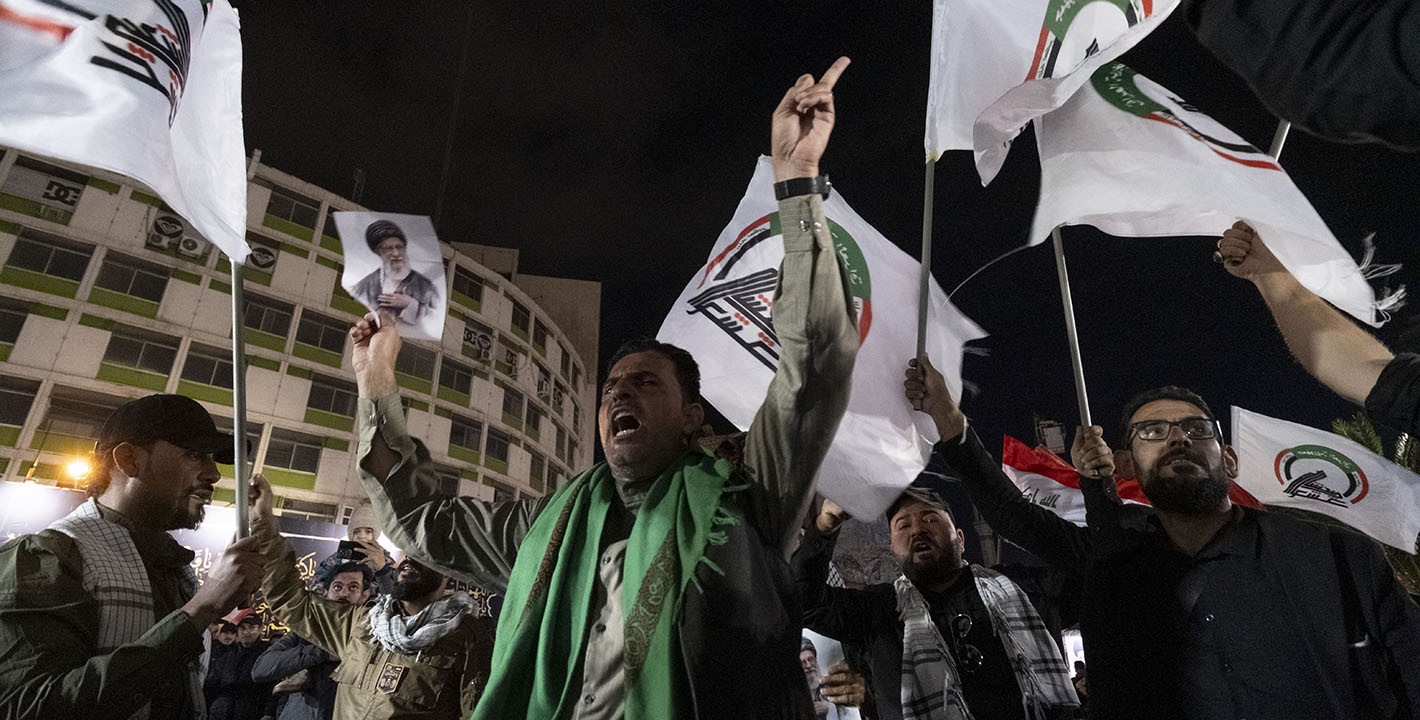
The Zaidi government’s objective to collect weapons is constrained by regional conflict, but it can take certain measures at home.
Ali Al-Mawlawi

Middle Eastern states should welcome an accelerated U.S. disengagement from their region.
Michael Young

In an interview, former ambassador Charles Freeman assesses the Trump administration’s war against Iran.
Michael Young