

Report
- +2
George Perkovich, Jessica Tuchman Mathews, Joseph Cirincione, …

REQUIRED IMAGE
Former National Security Adviser Zbigniew Brzezinski has been making a lot of sense all year. A man known for his hard-line views and no nonsense style, he told CNN’s Wolf Blitzer Christmas weekend that prospects for success in Iraq were dim.
"We have paid a high price in blood, and it's increasing, " he said. "You cannot underestimate the suffering that this has already produced to tens of thousands of American families. We have killed tens of thousands of Iraqis; no one knows precisely how many. We're spending billions of dollars. And we have isolated ourselves internationally. Now, that is simply not worth the price of removing Saddam, because we were containing him."
Former National Security Adviser Zbigniew Brzezinski has been making a lot of sense all year. A man known for his hard-line views and no nonsense style, he offered a somber appraisal of the US situation in Iraq in an interview with CNN’s Wolf Blitzer Christmas weekend. Few have said it better.
Noting that he had been skeptical of the need to go to war and critical of how the administration went about it, he bluntly says the war has not been worth the cost. "We have paid a high price in blood, and it's increasing. You cannot underestimate the suffering that this has already produced to tens of thousands of American families. We have killed tens of thousands of Iraqis; no one knows precisely how many. We're spending billions of dollars. And we have isolated ourselves internationally. Now, that is simply not worth the price of removing Saddam, because we were containing him."
Wolf Blitzer asked Brzezinski the question that most in Washington try to avoid, "Iraq has been a failure from the U.S. perspective, at least up to now -- who should bear the direct responsibility for this situation?" Brzezinski did not flinch: "Well, you know where the buck stops. First of all, the president. Secondly, the vice president. Thirdly, the vice president's chief of staff. Fourth, the head of the National Security Council. Fifth, the secretary of defense. Sixth, that conservative group around him in the Defense Department. Seventh, to some extent, Colin Powell, because he didn't draw the line sharply enough. These are the people who have given us Iraq under the present conditions."
Future Policy
Brzezinski believes the most important issue, though, is: where do we go from here? Iraq is not another Vietnam, he says, but it could be "a protracted mess." Since he does not believe the country is willing to commit 500,000 troops and hundreds of billions of additional dollars to create a democracy in Iraq, "we have to scale down our objectives, because we're not prepared to commit the means necessary to achieve these objectives." Prospects for success are dim, he said, "We have to accept the probably reality of a Shiite, theocratic government, which is not going to be a genuine democracy…And we'll have to accept, probably, a limited role for ourselves in Iraq."
Former Secretary of State Henry Kissinger, on the same show, defended the war, "It was a reasonable decision to try to defeat the country that has the largest army in the region, that was working on weapons of mass destruction, that had violated the cease-fire agreement with the United States consistently, that was in contact with terrorist groups. And therefore, it was a reasonable decision of the administration…They represented a major potential threat against not just the United States interests but against stability in the region."
Brzezinski would have none of it. "First of all, they didn't have weapons of mass destruction. Their so-called largest army in the Middle East was defeated by three American divisions in three weeks. I t was actually a very weak country, militarily. It was a hostile country, it was a brutal dictatorship, but it certainly was not an imminent threat to us. And it would have taken a very, very long time for it to become a serious military threat to us. And in the meantime, we have really undermined our international position. We have paid a very high price internationally. We are paying a high price domestically. And I don't think that is exactly a record of great achievement."
A bitter but accurate appraisal at year’s end.
Former Senior Associate, Director for NonProliferation
Recent Work

George Perkovich, Jessica Tuchman Mathews, Joseph Cirincione, …
Joseph Cirincione
Carnegie does not take institutional positions on public policy issues; the views represented herein are those of the author(s) and do not necessarily reflect the views of Carnegie, its staff, or its trustees.

In an interview, Rozina Ali discusses her new book on the rise and manifestations of Islamophobia in the United States.

Michael Young
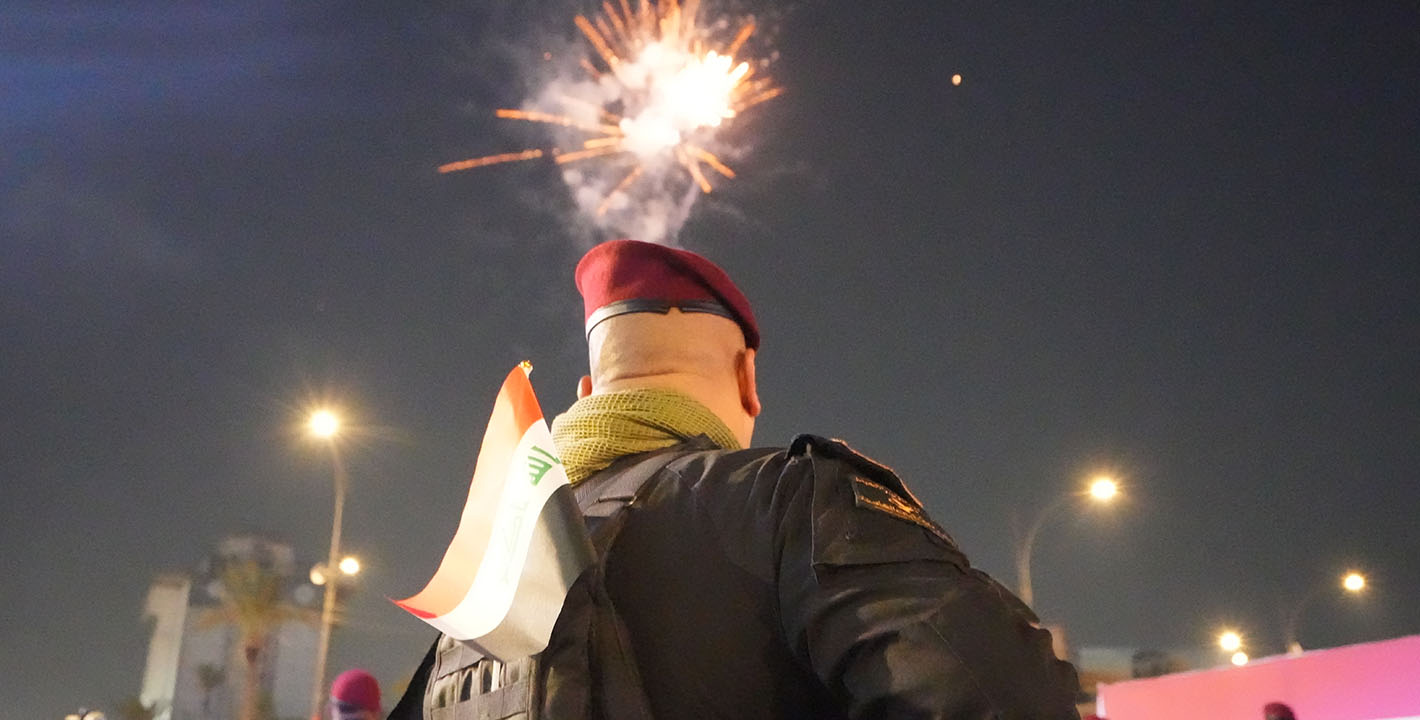
As the U.S.-led Coalition withdraws, the Kurds’ reliance on Baghdad, and on themselves, will only increase.
Wladimir van Wilgenburg

In an interview, Ian Lustick and Eli Clifton discuss their new book on why a prominent ally has so much influence in America.
Michael Young

As the U.S. stumbles in its war with Iran, we are likely to see an acceleration of its disengagement from the region.
Michael Young
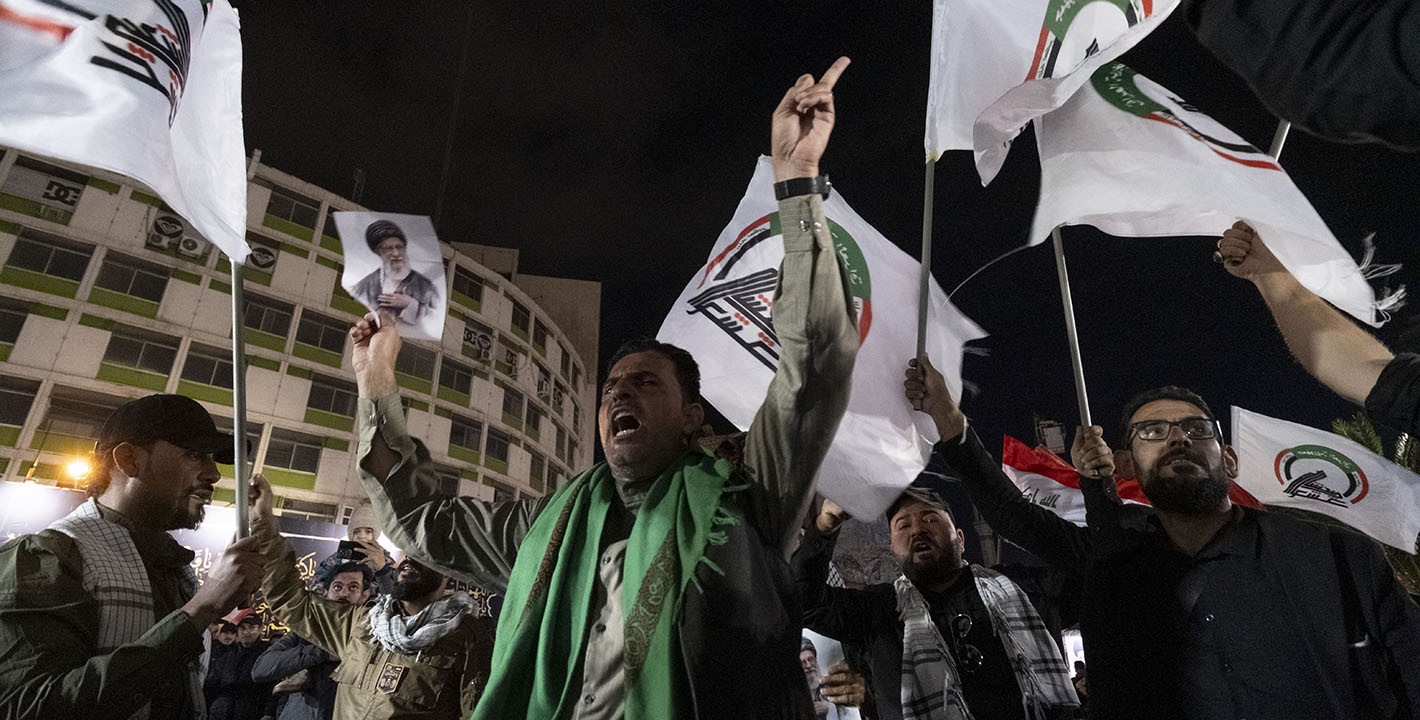
The Zaidi government’s objective to collect weapons is constrained by regional conflict, but it can take certain measures at home.
Ali Al-Mawlawi