• Research
  • Diwan
  • About
  • Experts
Carnegie Middle East logoCarnegie lettermark logo
LebanonIran
REQUIRED IMAGE

REQUIRED IMAGE

Paper

Lessons Not Learned: Problems with Western Aid for Law Reform in Postcommunist Countries

The fall of the Berlin wall and the subsequent breakup of the Soviet Union presented an unparalleled opportunity for fundamental political and economic change in more than two dozen countries. As postcommunist countries sought to attain the economic development of their Western neighbors, it became clear that the existing framework of laws and institutions would not support the desired growth.

Link Copied
By Wade Channell
Published on Apr 26, 2005

Additional Links

Full Text (PDF)

Summary
The fall of the Berlin wall in 1989 and the subsequent breakup of the Soviet Union presented an unparalleled opportunity for fundamental political and economic change in more than two dozen countries. As postcommunist countries sought to attain the economic development of their Western neighbors, it became clear that the existing framework of laws and institutions would not support the desired growth. Reformers and development experts soon identified a panoply of gaps and shortcomings in financial resources, human resources, and organizational capacity, all of which appeared ripe for outside assistance.

About the Author
Wade Channell is an independent consultant specializing in legal reform and economic development issues in developing and transition countries. Since graduating from Southern Methodist University Law School in 1985, he has lived in Eastern Europe, Western Europe, Latin America, Africa, and the United States, and has worked in more than thirty-five countries. He is currently based in Brussels.

A limited number of print copies are available.
Request a copy   

About the Author

Wade Channell

Wade Channell
CaucasusEastern EuropePolitical ReformDemocracyEconomy

Carnegie does not take institutional positions on public policy issues; the views represented herein are those of the author(s) and do not necessarily reflect the views of Carnegie, its staff, or its trustees.

More Work from Malcolm H. Kerr Carnegie Middle East Center

  • Commentary
    Diwan
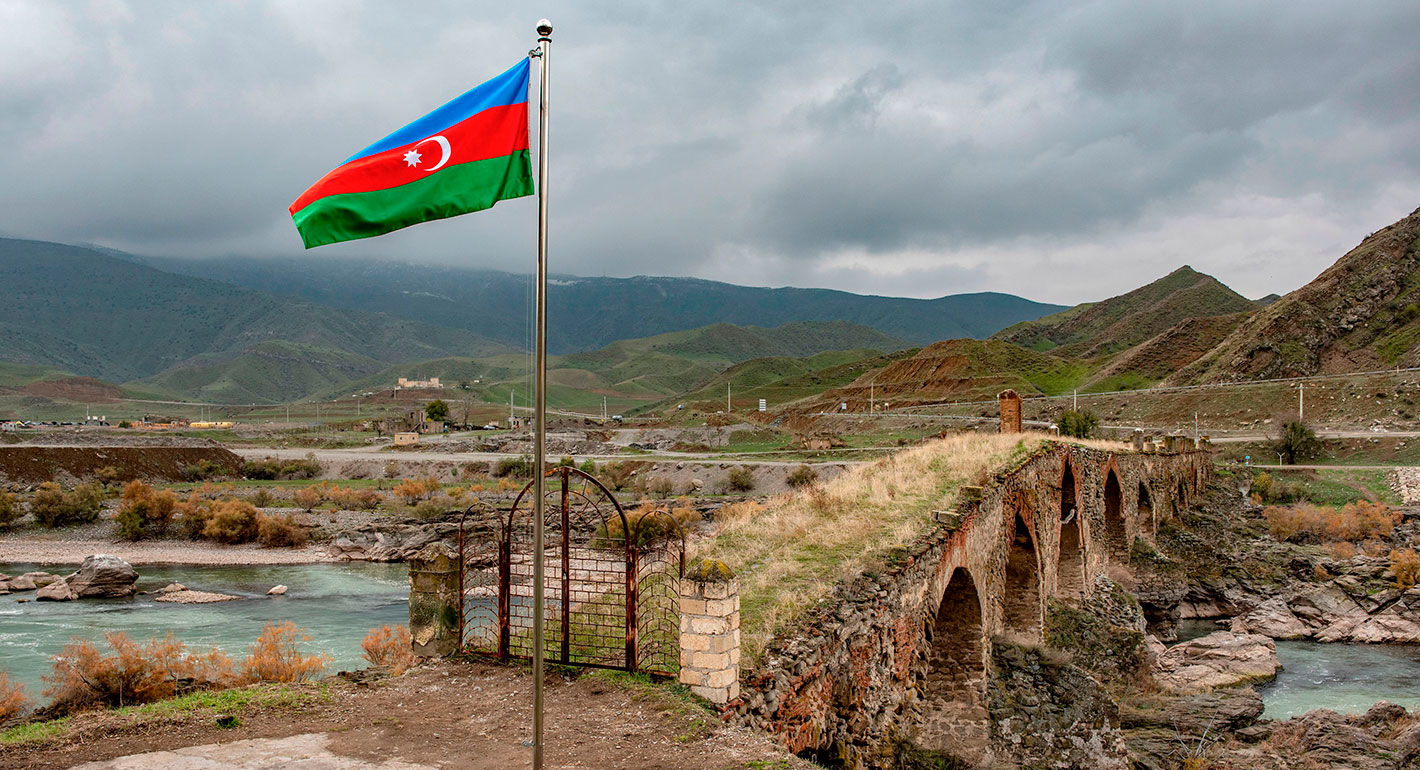
    The Gulf Conflict and the South Caucasus

    In an interview, Sergei Melkonian discusses Armenia’s and Azerbaijan’s careful balancing act among the United States, Israel, and Iran.

      Armenak Tokmajyan

  • Commentary
    Diwan
    Iran’s Woes Aren’t Only Domestic

    The country’s leadership is increasingly uneasy about multiple challenges from the Levant to the South Caucasus.

      Armenak Tokmajyan

  • Commentary
    Diwan
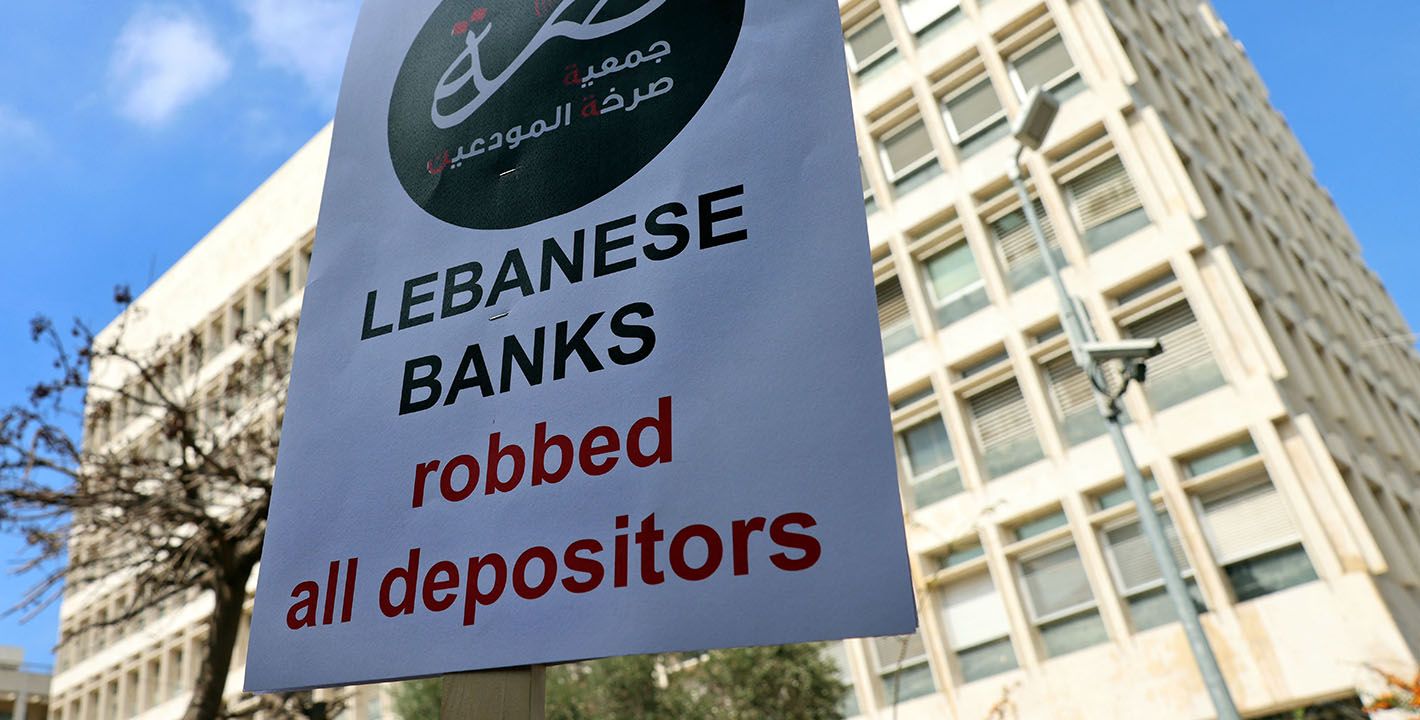
    Unpacking Lebanon’s Gap Law

    In an interview, Ishac Diwan looks at the merits and flaws in the draft legislation distributing losses from the financial collapse.

      Michael Young

  • Commentary
    Diwan
    Has Sisi Found a Competent Military Entrepreneur?

    Mustaqbal Misr has expanded its portfolio with remarkable speed, but a lack of transparency remains.

      Yezid Sayigh

  • Research
    Arab Diaspora Business Communities in Egypt

    Arab diaspora business communities in Egypt often mirror the same systemic challenges facing Egyptian businesses.

      • +4

      Nur Arafeh, Yezid Sayigh, Qaboul al-Absi, …

Get more news and analysis from
Malcolm H. Kerr Carnegie Middle East Center
Carnegie Middle East logo, white
  • Research
  • Diwan
  • About
  • Experts
  • Projects
  • Events
  • Contact
  • Careers
  • Privacy
  • For Media
Get more news and analysis from
Malcolm H. Kerr Carnegie Middle East Center
© 2026 Carnegie Endowment for International Peace. All rights reserved.