

Commentary
The party’s objectives involve tying together the Lebanese and Iranian fronts, while surviving militarily and politically at home.
Mohamad Fawaz

REQUIRED IMAGE
Arabs indisputably desire more predictable, responsive, and fair laws, even as the Middle East presents acute challenges to rule-of-law reform. To achieve the most success, the United States should focus less on the performance of courts and concentrate on building a broad social understanding of legal rights and respect for the law’s authority.
Summary
Arabs indisputably desire more predictable, responsive, and fair laws, even as the Middle East presents acute challenges to rule-of-law reform. David M. Mednicoff’s Carnegie Paper argues that to achieve the most success, the United States should focus less on the performance of courts and concentrate on building a broad social understanding of legal rights and respect for the law’s authority. Law school curriculum enhancement, funding of independent local media projects that provide information about law, and collaboration with indigenous human rights groups would help advance these long-term goals of rule-of-law reform.
Legalism Sans Frontieres? U.S. Rule of Law Aid in the Arab World is the latest paper in the Carnegie Endowment’s Rule of Law Series, which provides analyses by experts on rule-of-law development about key questions in the field.
Click on the link above for the full text of this Carnegie Paper.
About the Author
David M. Mednicoff is assistant professor in the Department of Legal Studies and the Center of Public Policy and Administration at the University of Massachusetts-Amherst.
A limited number of print copies are available.
Request a copy
David M. Mednicoff
Carnegie does not take institutional positions on public policy issues; the views represented herein are those of the author(s) and do not necessarily reflect the views of Carnegie, its staff, or its trustees.
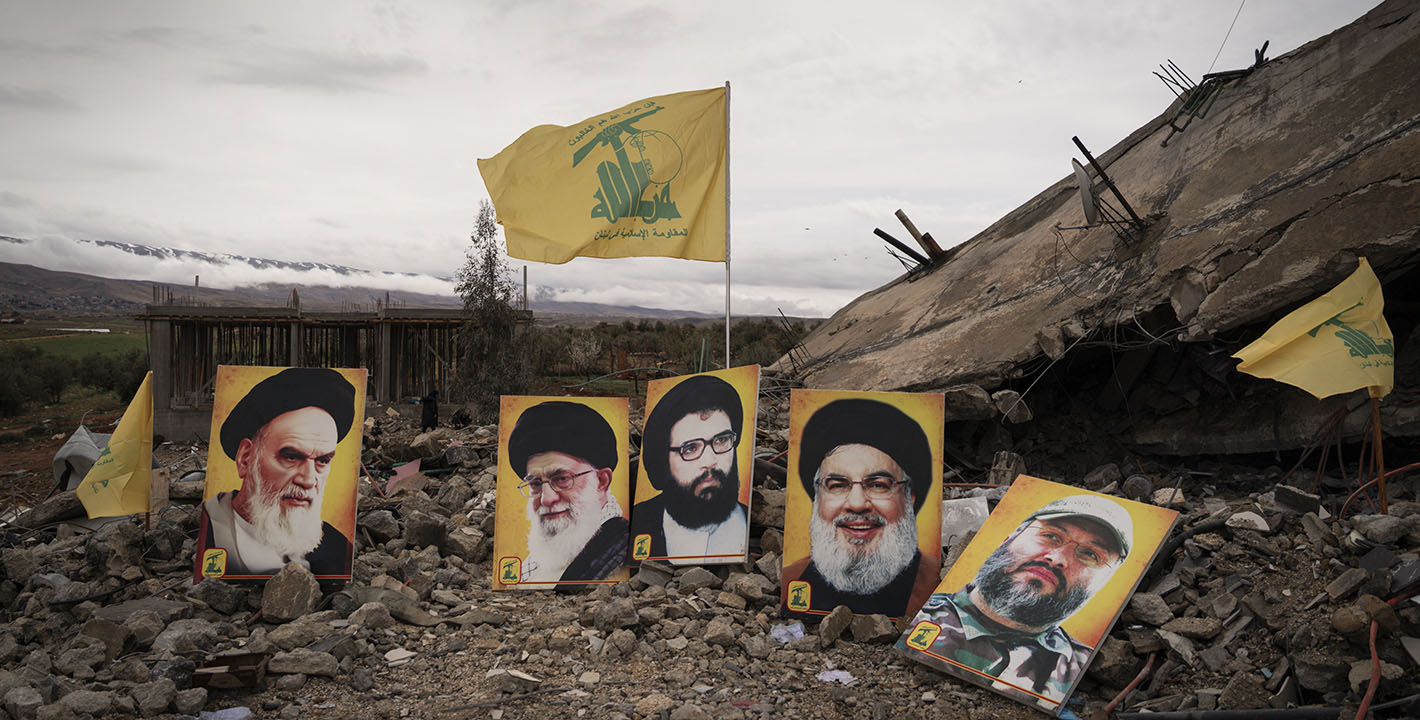
The party’s objectives involve tying together the Lebanese and Iranian fronts, while surviving militarily and politically at home.
Mohamad Fawaz
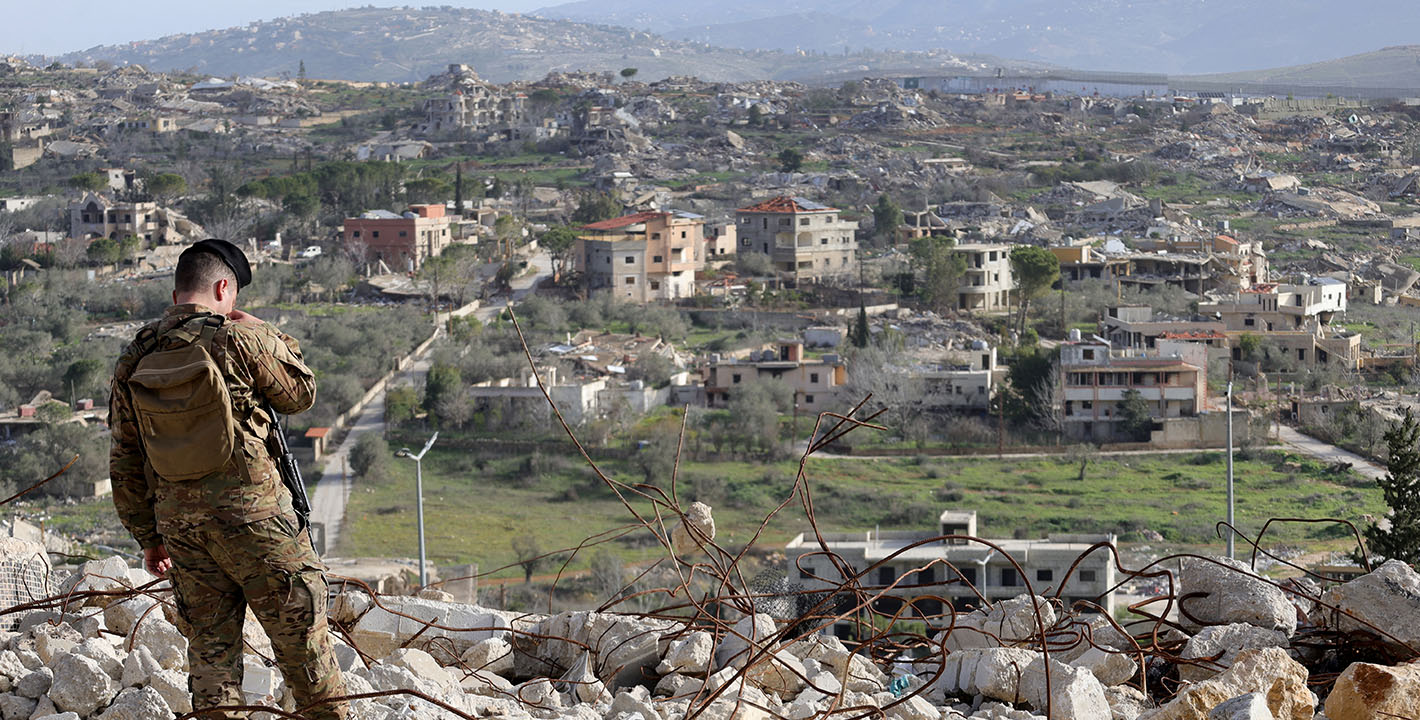
While armed forces commander Rudolph Haykal’s caution is understandable, he is in a position to act, and must.

Michael Young
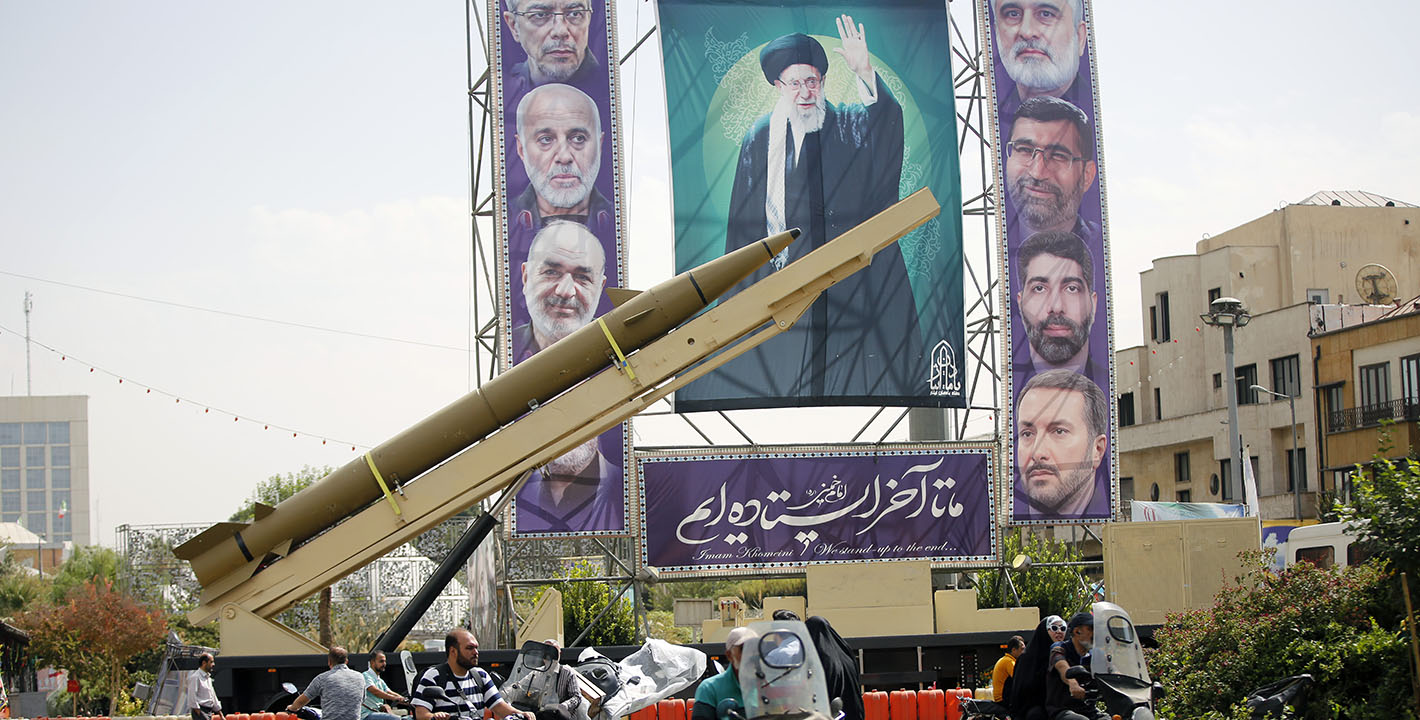
In an interview, Hamidreza Azizi discusses how Tehran has adapted in real time to the conflict with the United States and Israel.
Michael Young
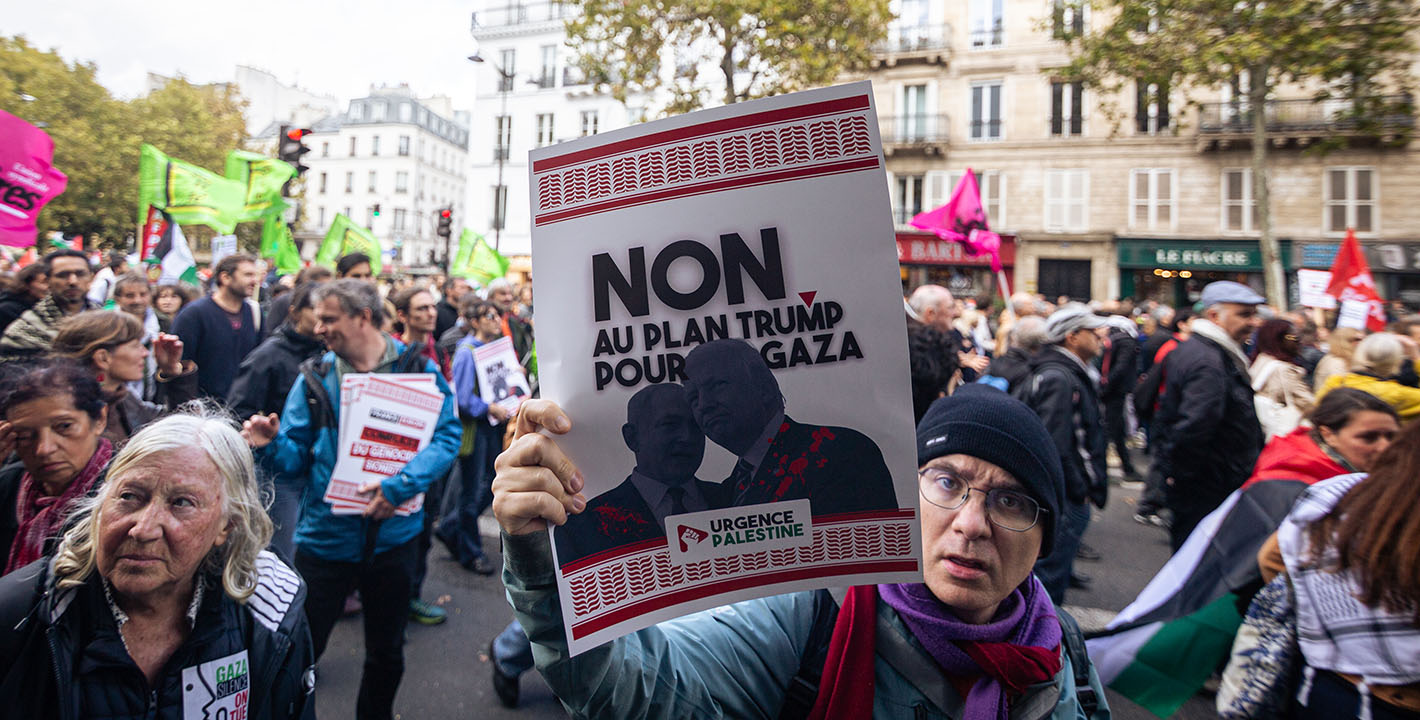
The simple conclusion is that the scheme will bring neither peace nor prosperity, but will institutionalize devastation.

Nathan J. Brown
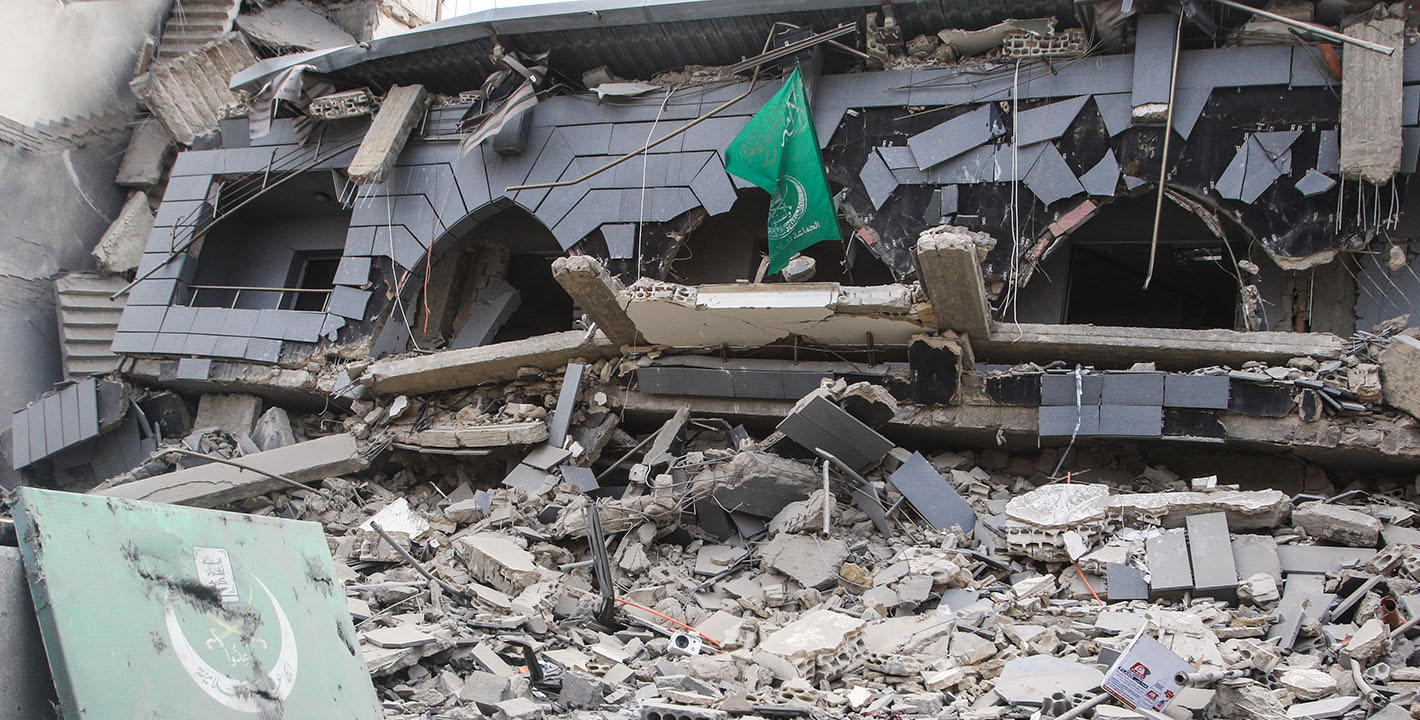
The Jamaa al-Islamiyya is the local Lebanese dimension of a broader struggle involving rival regional powers.

Issam Kayssi