

Article
Thomas Carothers
Promoting the rule of law has become a major part of Western efforts to spread democracy and market economics around the world. Although programs to foster the rule of law abroad have mushroomed, well-grounded knowledge about what factors ensure success, and why, remains scarce.
Source: Washington

Contributors
Rachel Kleinfeld (Truman National Security Project), Lisa Bhansali (World Bank), Christina Biebesheimer (World Bank),Wade Channell, Stephen Golub, David Mednicoff (University of Massachusetts, Amherst), Laure-Hélène Piron (Overseas Development Institute), Matthew Spence (Truman National Security Project), Matthew Stephenson (Harvard Law School), and Frank Upham (NYU School of Law).
Thomas Carothers is founder and director of the Democracy and Rule of Law Project at the Carnegie Endowment. He is a leading authority on democracy promotion and democratization worldwide as well as an expert on U.S. foreign policy.
“Once again, as he did with democratization, Thomas Carothers has taken a topic with grand rhetorical appeal that is subject to multiple meanings and brought it down to earth for both scholars and practitioners. This book offers an invaluable cumulation of what is known about promoting the rule of law abroad while raising an essential set of questions to guide further research and practice.”
—Anne-Marie Slaughter, Dean, Woodrow Wilson School of Public and International Affairs
“If you want to understand why promoting the rule of law around the world is both ardently pursued and hotly criticized, read this spirited and sobering book. Carothers's own essays are the gold standard in this field. And he has assembled a group of exceptionally thoughtful practitioners and scholars to explore the entire range of problems confronting international rule-of-law programs. An indispensable work in a field of vital importance.”
—Stephen Holmes, Walter E. Meyer Professor of Law, New York University School of Law
“This volume pays the highest compliment to those who advocate the rule of law as essential for development: it takes their efforts seriously enough to subject them to searching scrutiny. The insightful, accessible analysis it contains will help move rule of law promotion from slogan to reality.”
—Richard Messick, Sr. Public Sector Specialist, The World Bank

Harvey V. Fineberg Chair for Democracy Studies; Senior Fellow, Democracy, Conflict, and Governance Program
Thomas Carothers, a senior fellow in the Carnegie Endowment for International Peace’s Democracy, Conflict, and Governance Program, is a leading expert on comparative democratization and international support for democracy.
Recent Work
Thomas Carothers
Thomas Carothers
Carnegie does not take institutional positions on public policy issues; the views represented herein are those of the author(s) and do not necessarily reflect the views of Carnegie, its staff, or its trustees.
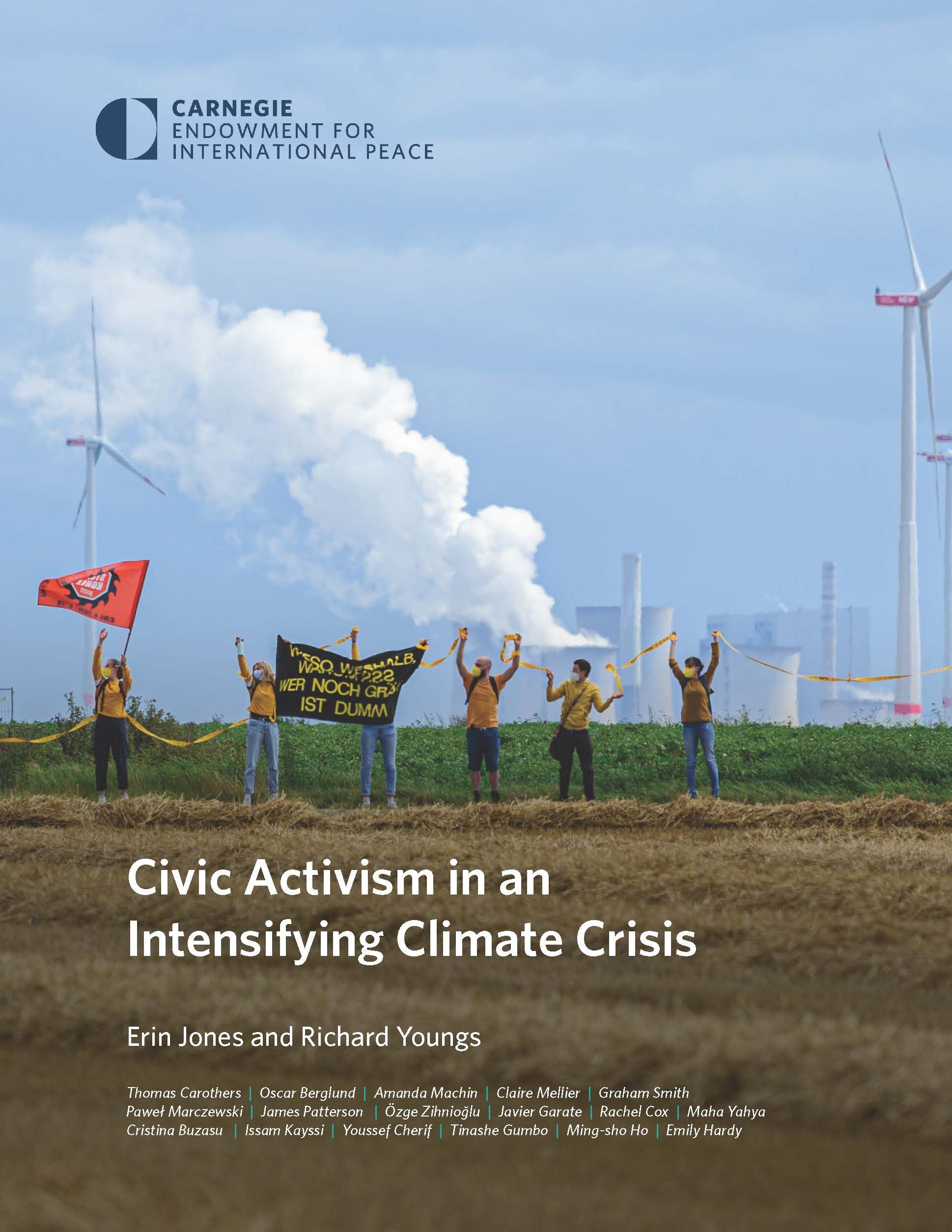
To address the deepening climate crisis, climate activism is employing a wider variety of tactics and aiming at a broader set of goals. In response, the movement faces stronger repression and civic backlash against climate action.

Erin Jones, Richard Youngs
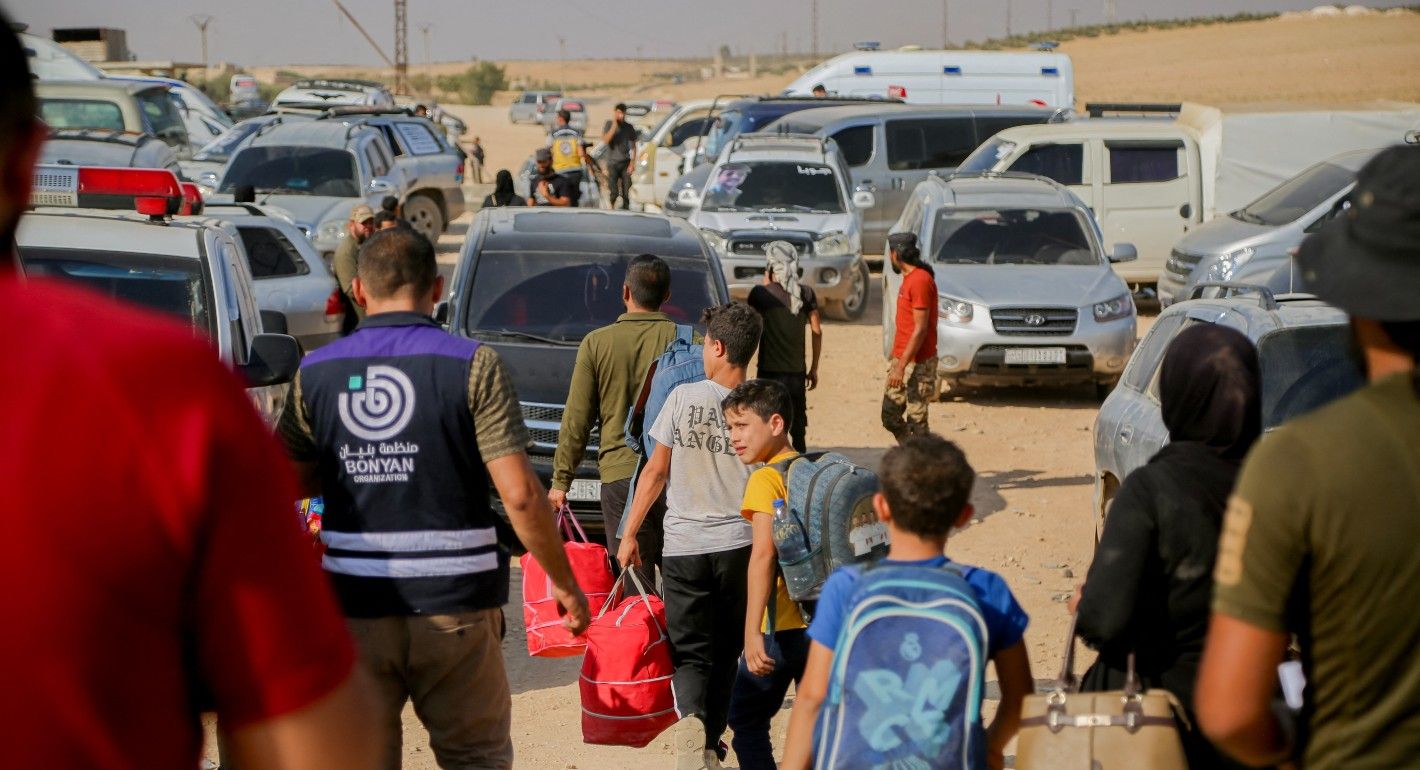
A humanitarian crisis in Lebanon deepens, and Syrian refugees face a perilous choice: remain in a war-torn environment or return to Syria where they risk encountering significant dangers and discrimination. There are significant challenges and risks to their search for safety in Syria.
Haid Haid
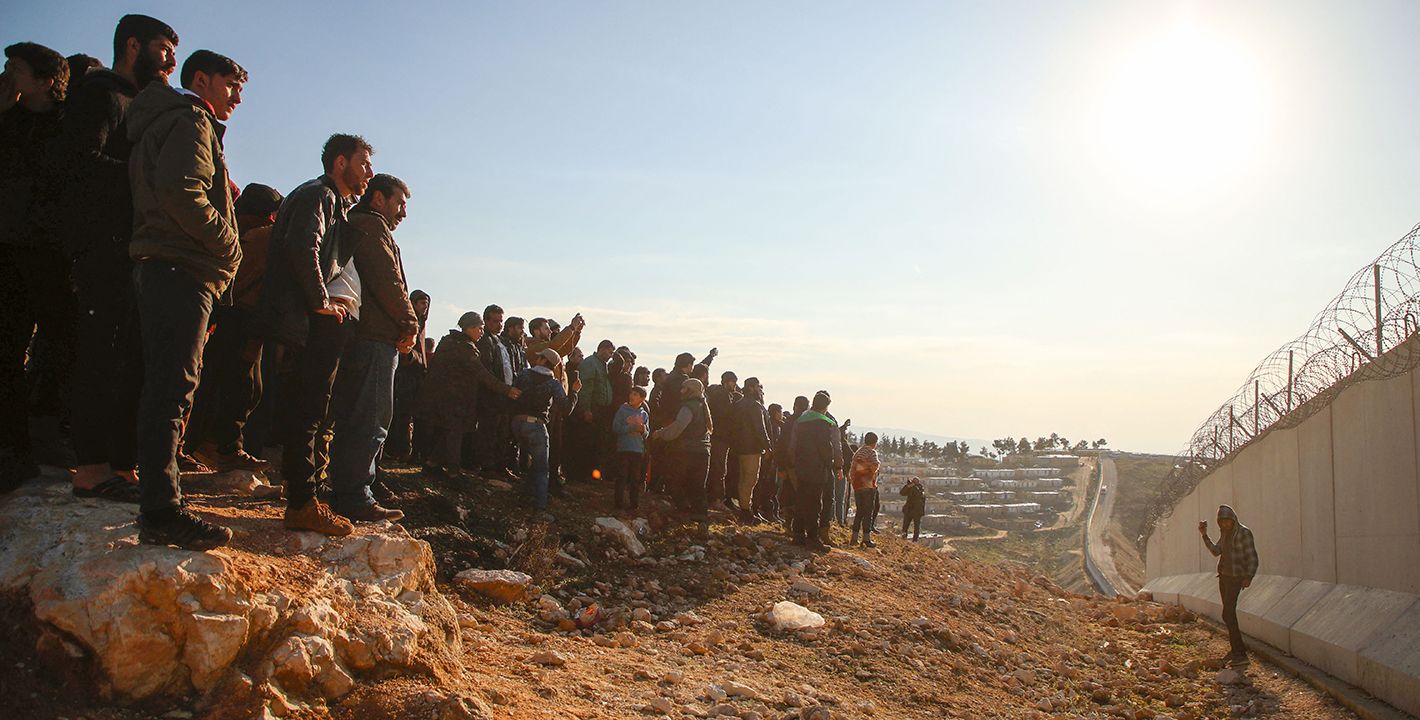
In Syria’s border regions, changes in demographics, economics, and security mean that an inter-Syrian peace process will require consensus among main regional powers that Syria must remain united, that no one side can be victorious, and that perennial instability threatens the region.
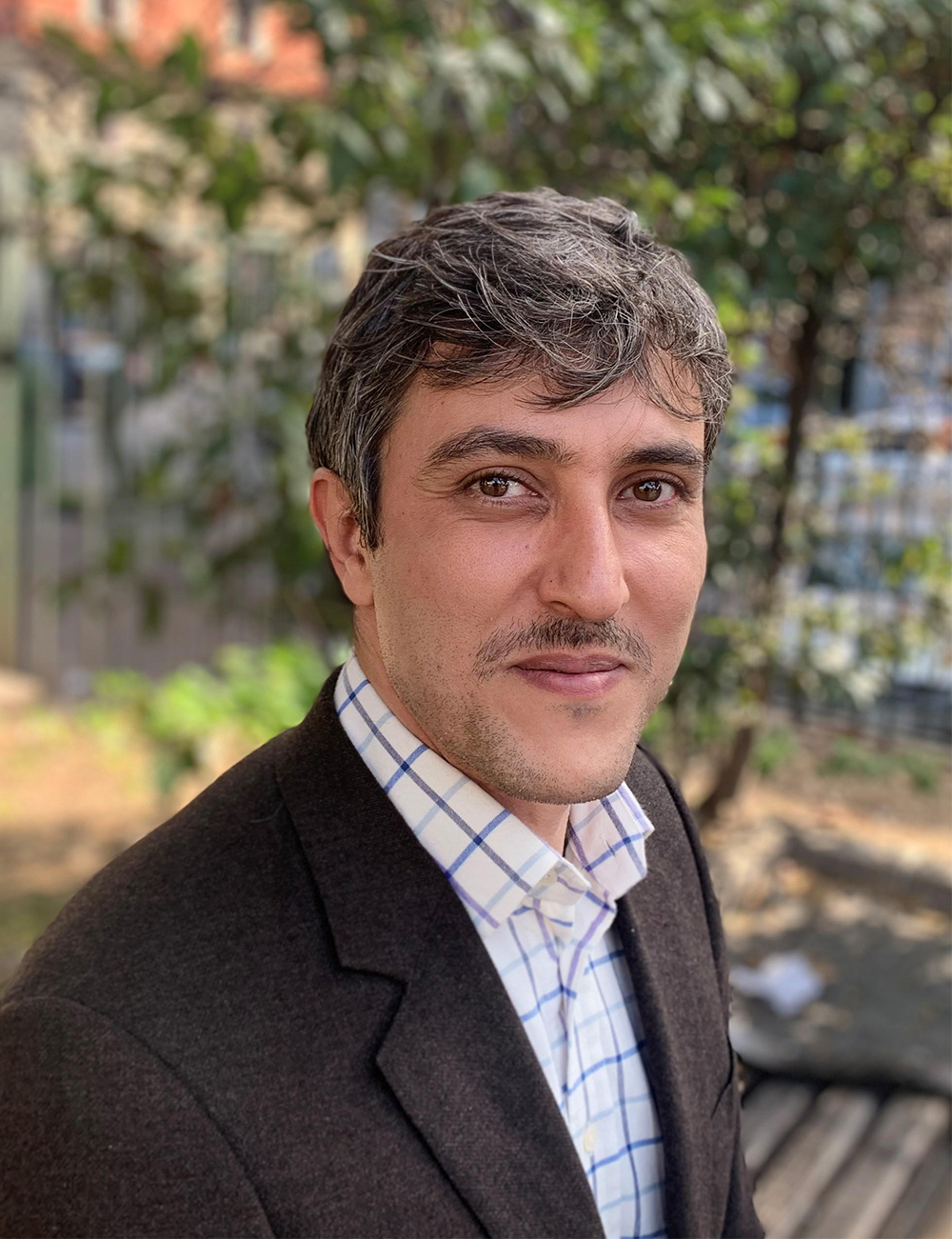

Kheder Khaddour, Armenak Tokmajyan
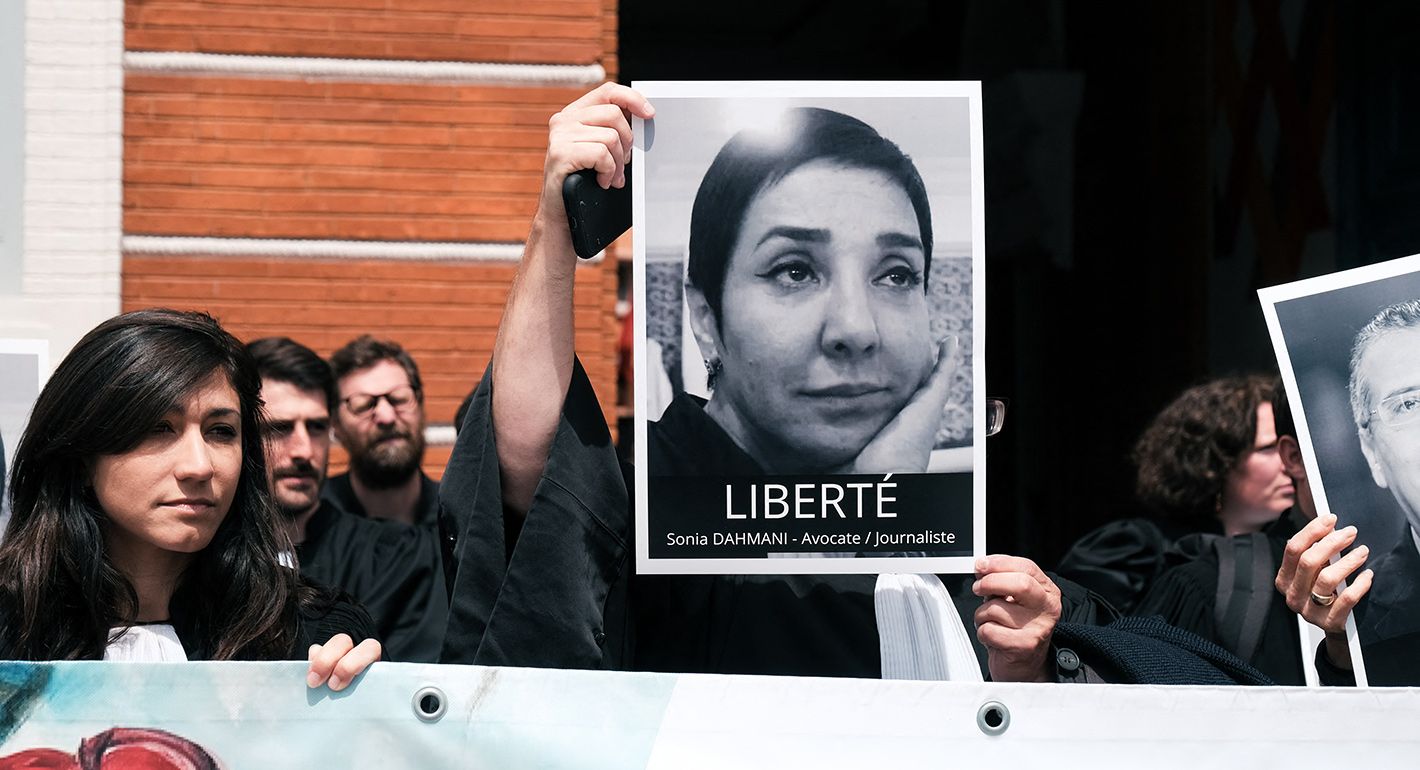
For many in the society, the post-Ben Ali years were mainly about successive economic crises and political instability.
Jasmine Khelil
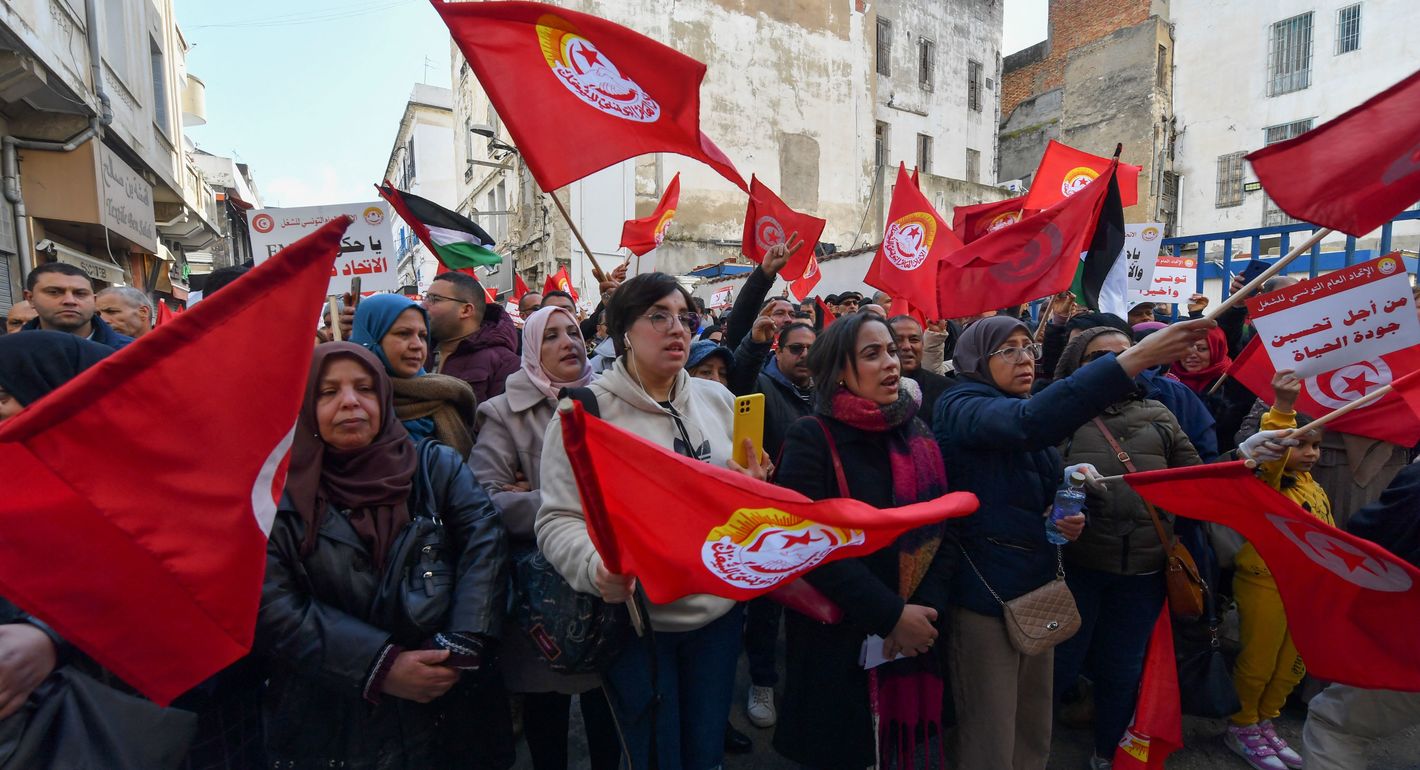
As members, organizers, and leaders, women continue to play an important role in the General Union of Tunisian Workers and advance its political advocacy.
Heba F El-Shazli