

Article
Frederic Grare

Source: Getty
Taliban insurgents and their Al Qaeda allies, once thought defeated in Afghanistan, are regaining strength. Frederic Grare examines the evolution of the situation in Afghanistan and takes a look at Afghanistan through Pakistan's eyes. In addition, Grare provides policy recommendations for regional relations in a post-U.S. Afghanistan.
Source: Carnegie Endowment

In a new Carnegie Paper, Pakistan-Afghanistan Relations in the Post-9/11 Era, Visiting Scholar Frederic Grare examines the evolution of the situation in Afghanistan and takes a look at Afghanistan through Pakistan's eyes. In addition, Grare provides policy recommendations for regional relations in a post-U.S. Afghanistan. He suggests that only the end of military rule in Pakistan can clear the way for more stabilized relations with Afghanistan. To achieve these ends, democratizing Pakistan is first and foremost a strategic imperative.
Click on icon above for the full text of this Carnegie Paper.
Frederic Grare is a visiting scholar in the South Asia Program at the Carnegie Endowment. He focuses on the tension between stability and democratization in Pakistan.
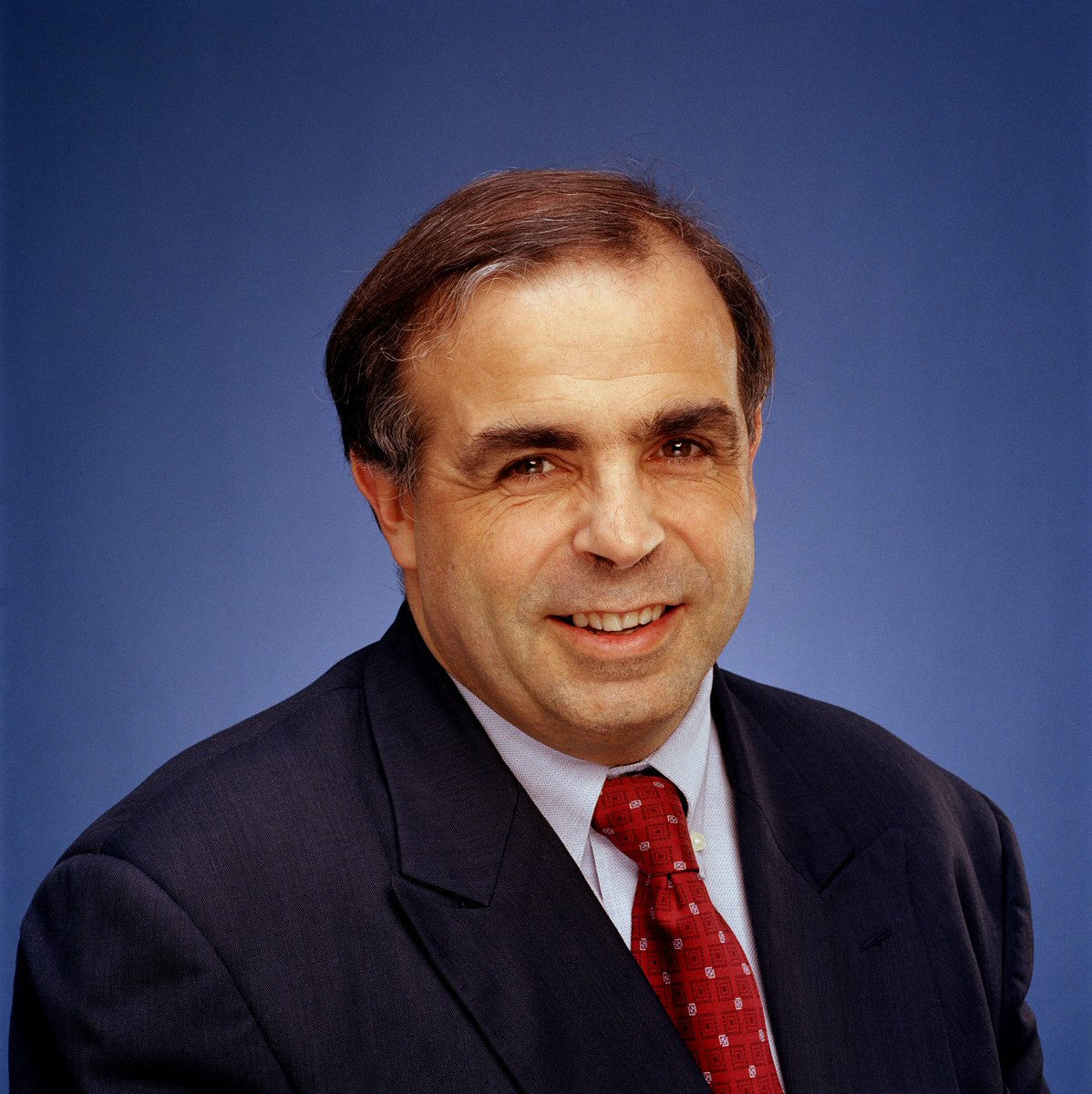
Former Nonresident Senior Fellow, South Asia Program
Frédéric Grare was a nonresident senior fellow at the Carnegie Endowment for International Peace, where his research focuses on Indo-Pacific dynamics, the search for a security architecture, and South Asia Security issues.
Recent Work
Frederic Grare
Frederic Grare
Carnegie does not take institutional positions on public policy issues; the views represented herein are those of the author(s) and do not necessarily reflect the views of Carnegie, its staff, or its trustees.
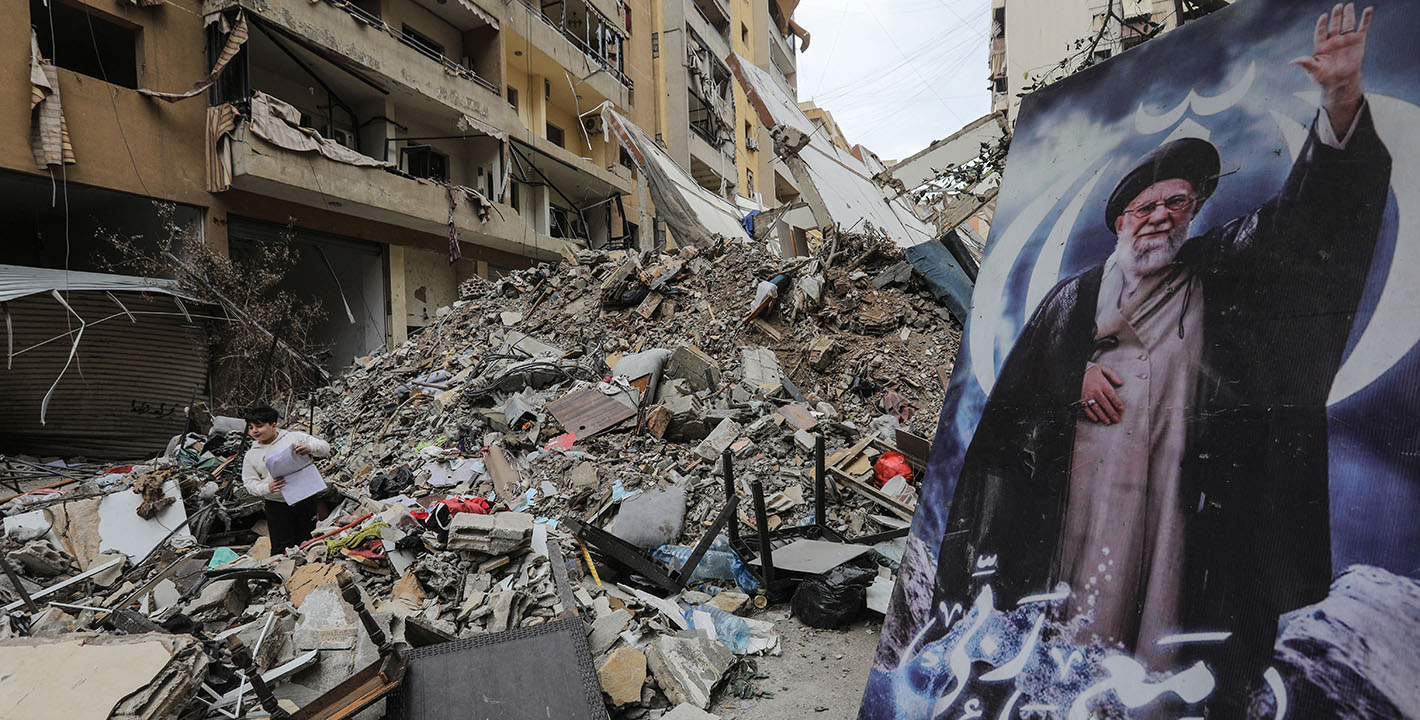
As talks begin between Washington and Tehran, Beirut has an opening to advance a regional plan for the party’s disarmament.

Michael Young
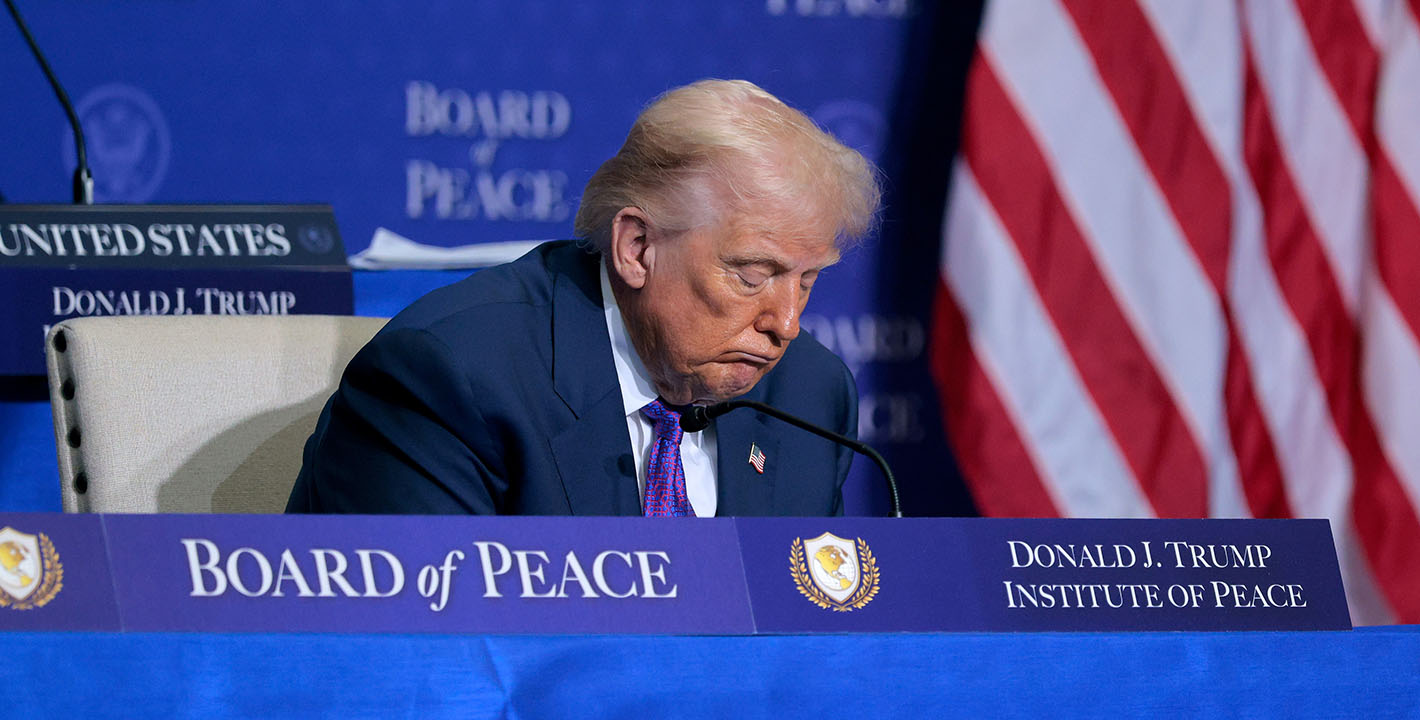
What is behind Marco Rubio’s announcement that the body is now an international nongovernmental organization?
Zaha Hassan
Policy discussion is ignoring that the Palestinian national project is hollowed out and apartheid is a present danger.

Nathan J. Brown
As negotiations with Iran and Lebanon continue, chaos is at the heart of the Netanyahu government’s calculations.
Michael Young
The party’s domestic and regional roles have changed, so Lebanon should devise a disarmament strategy that encompasses this.
Michael Young