
• Research
  • Diwan
  • About
  • Experts
Carnegie Middle East logoCarnegie lettermark logo
LebanonIran
Strategic Asia 2006–07: Trade, Interdependence, and Security
Book

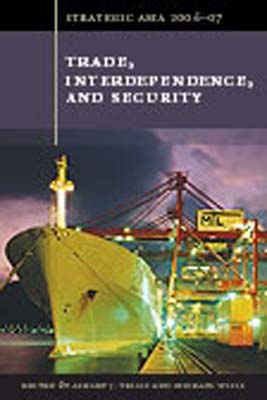
Strategic Asia 2006–07: Trade, Interdependence, and Security

This book examines the strategic balance in Asia and the increasing levels of trade and interdependence in the region, assessing the implications for the United States.

Link Copied
By Ashley J. Tellis and Michael Wills
Published on Oct 25, 2006

Additional Links

The National Bureau of Asian Research

The National Bureau of Asian Research

Edited by Ashley J. Tellis and Michael Wills, and written by some of America’s leading specialists including Minxin Pei, senior associate at the Carnegie Endowment for International Peace, this book examines the strategic balance in Asia and the increasing levels of trade and interdependence in the region, assessing the implications for the United States.

Strategic Asia 2006–07: Trade, Interdependence, and Security, the sixth volume in NBR’s Strategic Asia series, examines how trade and interdependence fit into the grand strategies of various Asian states and how changing economic relationships could affect regional stability in Asia. Through a combination of country, regional, and topical studies, the book assesses trade and investment dynamics in the region, the rise of new powers, the ongoing processes of globalization, and the impact of economic interdependence on security, and evaluates how these trends are altering Asia's strategic environment.

Order this book, or read the introduction by Ashley J. Tellis for free.

About the Authors

Ashley J. Tellis, Senior Associate at the Carnegie Endowment for International Peace, served in the U.S. Department of State as senior advisor to the Ambassador at the U.S. embassy in India and on the National Security Council staff as special assistant to the president and senior director, strategic planning and Southwest Asia. He is the author of India’s Emerging Nuclear Posture and co-author of Interpreting China’s Grand Strategy. He has co-edited Strategic Asia 2005-06: Military Modernization in an Era of Uncertainty and Strategic Asia 2004-05: Confronting Terrorism in the Pursuit of Power.

Michael Wills is the Strategic Asia program director at the National Bureau of Asian Research.

About the Authors

Ashley J. Tellis

Former Senior Fellow

Ashley J. Tellis was a senior fellow at the Carnegie Endowment for International Peace.

Michael Wills

Authors

Ashley J. Tellis
Former Senior Fellow
Michael Wills

Additional Links

The National Bureau of Asian Research
South AsiaIndiaPakistanChinaCaucasusRussiaEconomyTradeForeign Policy

Carnegie does not take institutional positions on public policy issues; the views represented herein are those of the author(s) and do not necessarily reflect the views of Carnegie, its staff, or its trustees.

More Work from Malcolm H. Kerr Carnegie Middle East Center

  • Paper
    The Twilight of Oil in an Age of Uncertainty: From a Vicious to a Virtuous Cycle

    The global hydrocarbon order is changing. Economic diversification and developing productive economies have become essential for Middle Eastern and North African states, requiring them to address social and political challenges and rethink domestic, regional, and global settlements.

      • +1

      Nur Arafeh, Ishac Diwan, Hamza Meddeb, …

  • Commentary
    Diwan
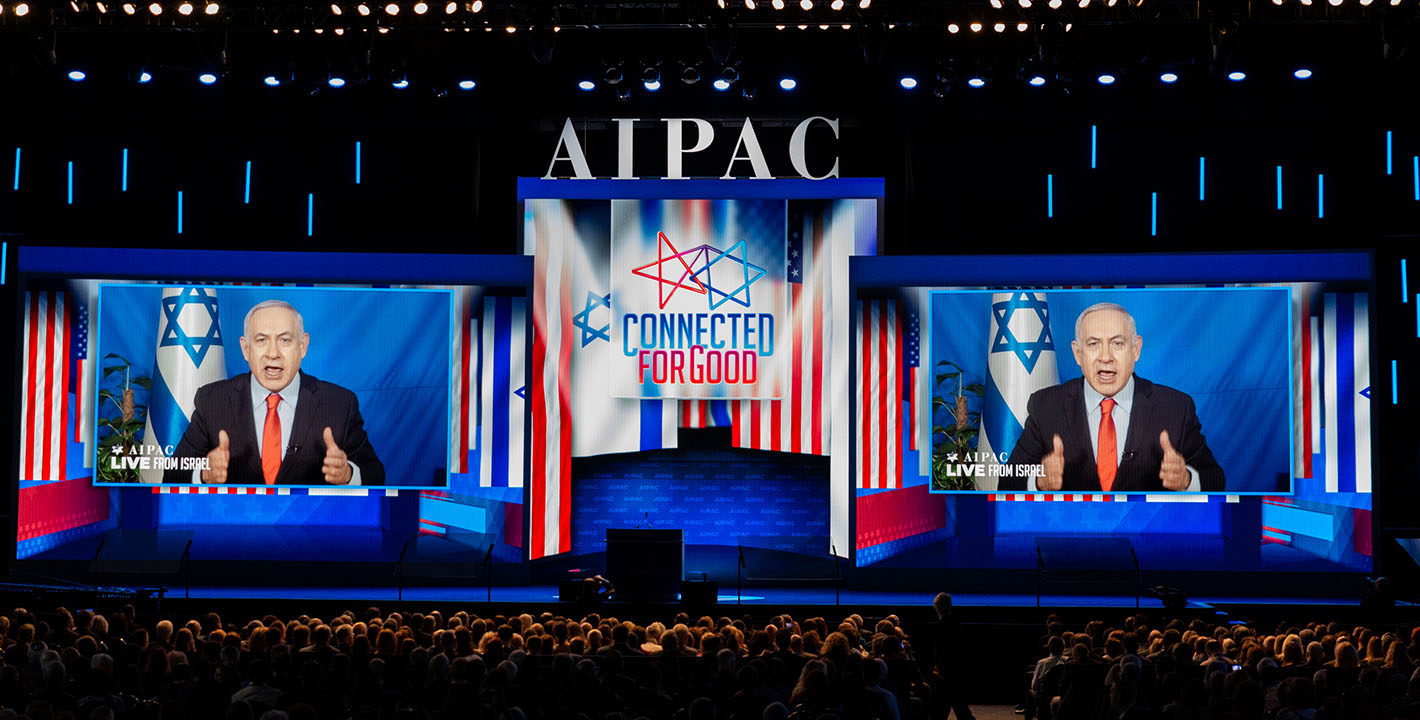
    The Israel Lobby, U.S. Foreign Policy, and Domestic Liberties

    In an interview, Ian Lustick and Eli Clifton discuss their new book on why a prominent ally has so much influence in America.

      Michael Young

  • Commentary
    Diwan
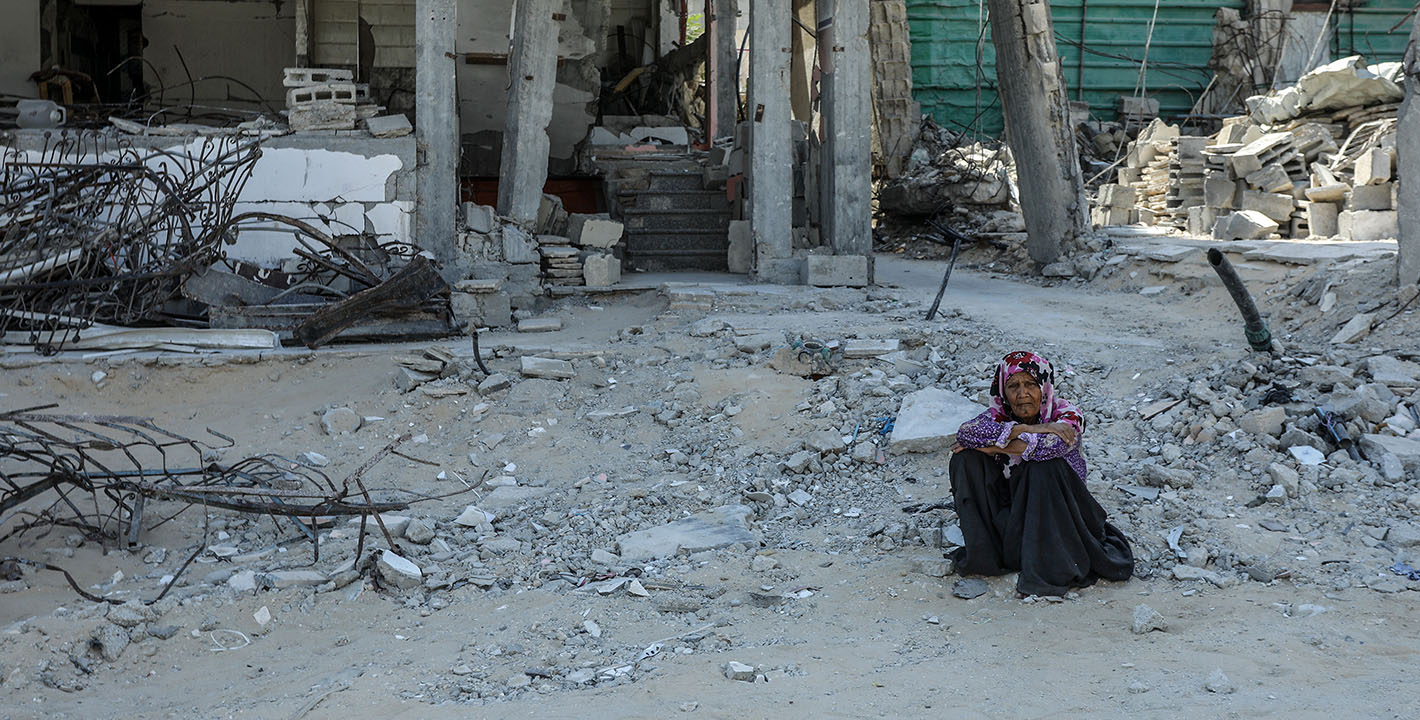
    In the Trump Gaza Plan, Diplomatic Failure is Success

    By failing to address Palestinian representation, the current process is bound to lead to just another temporary arrangement.

      Nathan J. Brown

  • Paper
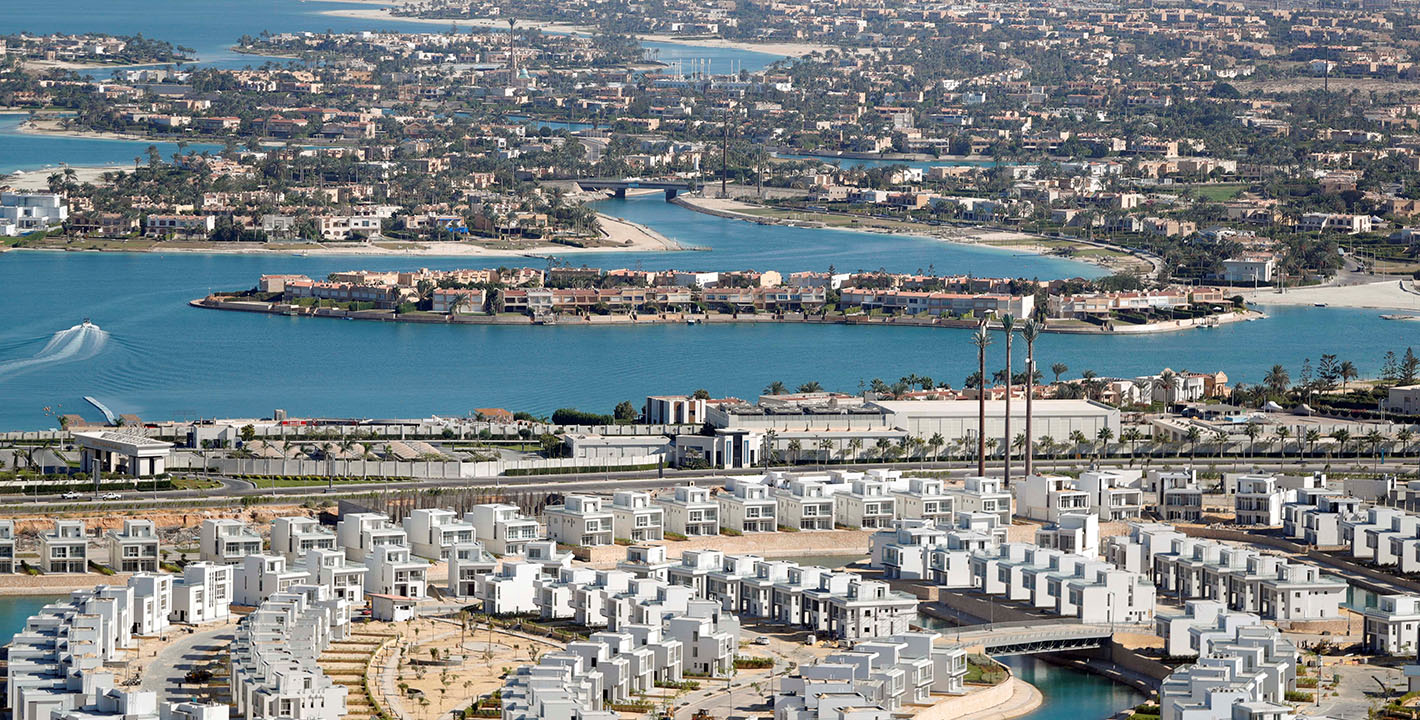
    Egypt’s Military Landlord Economy and its Limitations

    The armed forces champion a form of capitalism that is generating revenue, but its reliance on rent faces diminishing returns, leaving the country with massive sunk costs and deferred returns, deepening dependency on external borrowing.

      Yezid Sayigh

  • Article
    From Hormuz to the Maghreb: The Geopolitical Reach of a Gulf Crisis

    Morocco and Algeria, each in its own way, are having to navigate the global economic fallout of the U.S.-Israeli military campaign against Iran.

      Yasmine Zarhloule

Get more news and analysis from
MENA Transitions
Carnegie Middle East logo, white
  • Research
  • Diwan
  • About
  • Experts
  • Projects
  • Events
  • Contact
  • Careers
  • Privacy
  • For Media
Get more news and analysis from
MENA Transitions
© 2026 Carnegie Endowment for International Peace. All rights reserved.